★★★★★Over $500 million in loans facilitated

Private Mortgage Lender for Commercial Property

Fast commercial property finance from $250k to $10M. Funded within 24 hours, assessed on the asset, not your trading history.


Expert
Expert
Expert

Specialists in commercial property finance for corporate structures
Private Lender Commercial Property

Secured Lending is a private mortgage lender. We fund commercial property deals that a bank will not do, or cannot do in time. We hold our own credit authority and use our own valuers, so you get an indicative answer the same day and a clean deal can settle inside 24 to 72 hours. We lend to Pty Ltd companies, family trusts, and SMSFs, for business purposes only.

Commercial Property Finance at a Glance

  • $250,000 to $10,000,000 and above: Larger transactions assessed on their merits.
  • Up to 70% LVR: Higher on strong assets with a clear exit, case by case.
  • Terms of 1 to 24 months: Interest-only, from 9.7% p.a., establishment fee 1% to 2%.
  • Indicative answer the same day: Settlement from 24 to 72 hours on a clean deal.
  • Corporate borrowers only: Business purpose lending, so no NCCP-regulated personal name loans.
  • First and second mortgages: Registered over the commercial property title.

Commercial Property We Lend Against

Tenanted, owner-occupied, and vacant assets are all eligible.

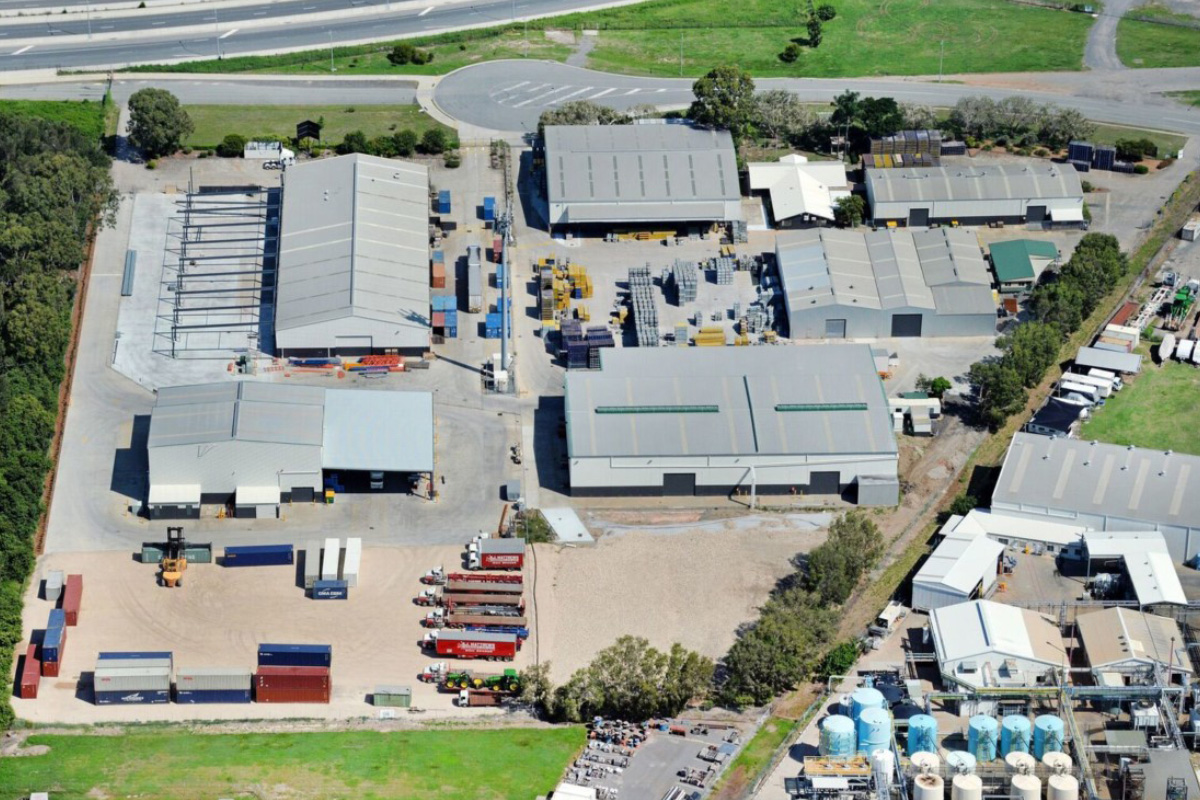
  • Industrial: Warehouses, logistics facilities, factories, and strata industrial units.
  • Retail: Strata shops, showrooms, and large-format retail.
  • Office: Whole floors, suites, and strata office in metropolitan and fringe locations.
  • Mixed-use: Commercial and residential combined on one title.
  • Specialised: Medical centres, childcare, service stations, and hospitality venues.
  • Vacant commercial: No lease income required. We assess on security value and exit, not rent roll.

Purchase Types We Fund

  • Owner-occupier: A business buying its own premises, including purchases at auction and settlements with a fixed deadline.
  • Commercial investment: Investors acquiring or expanding a tenanted commercial portfolio.

Borrower Structures We Fund

  • Pty Ltd company: The company holds title, directors provide personal guarantees, full-recourse commercial mortgage.
  • Family trust: Discretionary and unit trusts. We review the deed, confirm the trustee's power to borrow, and lend to the trustee entity.
  • SMSF: Purchase of business real property via a Limited Recourse Borrowing Arrangement under the SIS Act, coordinated with your adviser and solicitor.

Loan Scenarios We Solve

  • Bridging: Fund the settlement now and discharge when your bank facility completes, typically 30 to 90 days.
  • Refinance: Move off an expiring, repriced, or unsuitable facility without a bank timeline.
  • Equity release: Pull working capital or acquisition funds out of a commercial asset you already hold.
  • Second mortgage: Sit behind an existing first, provided the combined LVR stays within 70%.

Situations Banks Struggle With

  • Property developers: Site acquisition, settlement shortfalls, and equity release from completed stock to recycle into the next site.
  • After a bank decline: Sector policy, entity structure, LVR caps, director credit history, or thin trading history. We assess the asset and the exit instead.
  • Approval withdrawn after exchange: We can fund the settlement so the deposit is not at risk.

"On a commercial deal the exit does more work than the asset. We are comfortable funding a vacant warehouse or a childcare centre that a bank has stepped away from, because what we are underwriting is how the loan gets repaid, not whether the building fits a policy category. Where a borrower has thought that through and has the evidence behind it, we can usually come back the same day."

Gino Tabila

Gino Tabila

Associate Director

What We Need to Assess It

To issue a term sheet we typically need:

  • The contract of sale, or title details if you are refinancing.
  • Entity documents: company search, trust deed, or SMSF deed and trustee details.
  • The current or expected value of the security, and any existing mortgage balance.
  • A written exit strategy. This is the single biggest factor in the decision.

A credible exit is specific and achievable inside the term: a sale supported by market evidence, a refinance with a demonstrable pathway, or confirmed proceeds from another transaction. A vague intention to eventually refinance is not an exit strategy.

Residential investment property held in a company, trust, or SMSF is covered on our investment property lending page. For business-purpose facilities secured by property, see secured business loans.

Expert
Expert
Expert
$500M+ funded

Get an indicative offer within hours, not weeks.

No credit check. No obligation.

Why Secured Lending?

Australian private lender — $500M+ funded
We use our own funds for fast decisions
24-hour settlements up to $10M
Rates from 9.7% p.a. | Terms 1–24 months
FAQ

Frequently Asked Questions

Common questions about using a private mortgage lender for commercial property.

Contact Us

A private mortgage lender is a non-bank lender that provides property-secured loans outside the traditional banking system. For commercial property, this means the loan is secured by a first or second mortgage registered on the commercial property title. Unlike a bank, a private mortgage lender can move within 24 to 72 hours, assess on asset strength rather than borrower income, and work with complex entity structures including Pty Ltd companies, family trusts, and SMSFs.

Speed and flexibility are the primary reasons. Banks typically take 8 to 12 weeks to assess and settle commercial property loans. A private mortgage lender can settle in 24 to 72 hours for a clean deal. Banks also apply conservative serviceability models that frequently decline trust and company borrowers or pull appetite on certain asset classes. A private mortgage lender assesses on the security value and exit strategy, making it the right solution when timing, structure, or asset type rules out a bank.

Pty Ltd companies, discretionary family trusts, unit trusts, and SMSFs. This is business-purpose lending only. We do not lend to natural persons borrowing in their personal name for any purpose.

Industrial, retail, office, mixed-use, and specialised commercial property including medical, childcare, and hospitality assets. We lend on tenanted, owner-occupied, and vacant commercial property.

Up to 70% LVR on commercial property. For strong assets with clear exit strategies we assess above 70% on a case-by-case basis. Our in-house valuation team assesses security directly rather than relying on desktop estimates.

We lend from $250,000 to $10,000,000 and above on commercial property. Larger transactions are assessed on their merits. Loan terms run from 1 to 24 months. These are short-term facilities, not long-term commercial mortgages.

No. Every loan we write is to a corporate entity: a Pty Ltd company, a family trust with a corporate trustee, or an SMSF trustee company. If you are purchasing commercial property in your personal name, this product is not the right fit.

For a clean deal with clear title, complete information, and a credible exit strategy, within 24 to 72 hours. We hold direct credit authority, use in-house valuers, and do not run applications through a committee. Auction purchases and time-critical settlements are a common use case.

Yes. Vacant commercial property is a niche that mainstream banks often decline, particularly where there is no rental income to service a traditional facility. We assess on security value and the borrower's exit strategy rather than lease income. Owner-occupiers about to move in and investors with a re-leasing plan are both typical borrowers.

No. The National Consumer Credit Protection Act regulates consumer lending to natural persons for personal, domestic, or household purposes. Our lending is to corporate entities for business purposes only, which sits outside NCCP regulation.

Private mortgage rates for commercial property start from 9.7% per annum at Secured Lending, structured as interest-only for the loan term. Establishment fees typically range from 1% to 2% of the loan amount. The rate reflects the short-term, asset-based nature of the facility rather than a long-term hold product. Most borrowers use the facility for 3 to 18 months before refinancing to a bank or selling the asset. When modelled across a short hold period, the total cost of a private mortgage is often less than the cost of a missed acquisition, a failed settlement, or a delayed deal.

Exit strategy is the most important factor in our assessment. It is how we get repaid. A credible exit is specific and achievable within the loan term, not aspirational. The strongest exits are: sale of the commercial property with evidence that the market supports the asking price, refinance to a bank where the borrower can demonstrate the pathway (lease commencement, improving trading history, or clearing a blocking liability), or receipt of confirmed proceeds from another transaction. We look for the primary exit to be achievable within 3 to 18 months and we expect the borrower to articulate a realistic Plan B if the primary exit delays. A vague intention to eventually refinance is not an exit strategy.

Yes, this is one of the most common applications. If you have unconditional approval from a bank but its internal processing timeline does not meet your settlement deadline, a private mortgage can fund the settlement while the bank finalises its facility. The private mortgage is typically held for 30 to 90 days and discharged when the bank settles. We review the bank's approval letter and the settlement timetable as part of the assessment to confirm the exit is funded and achievable.

Our document requirements are lean compared to a bank. To assess a deal and issue a term sheet, we typically need: the executed contract of sale or title details for a refinance, borrower entity documents (Pty Ltd company search, trust deed, or SMSF deed and trustee details), a written summary of the exit strategy, the expected or current security value, and any existing mortgage details if we are lending in second position. The security quality and the exit strategy drive the credit decision.

Yes. Strata industrial units are a common security type for us. The assessment considers the unit's individual title, the strata plan, any shared facilities obligations, and the broader complex's condition and location. Strata industrial in established corridors, particularly Sydney's western suburbs, Melbourne's north and west, and Brisbane's trade precincts, is well within our lending appetite.

Yes, if the property qualifies as business real property. Commercial property used wholly and exclusively in a business carried on by the SMSF member or a related party can be acquired from that related party at market value. This is a specific exception to the general prohibition on in-house assets. The wholly and exclusively requirement is strict and the structure must be confirmed with your SMSF adviser and solicitor before proceeding.

It depends on the terms of your first mortgage. Most standard commercial mortgage agreements permit further encumbrances subject to the combined LVR remaining within agreed limits, but some contain restrictions. We review the first mortgage terms before proceeding to confirm no consent or notification obligation is triggered. Your solicitor can confirm the position under the specific mortgage documents.

Yes. Equity release against completed projects is a common use case. If you have completed stock (completed lots, units, commercial premises) held within a Pty Ltd or trust, we can lend against that equity. The exit for the facility is typically the sale of the completed stock or refinance to a long-term lender. This allows you to recycle capital into the next site acquisition without waiting for individual buyer settlements.

The most common reasons we see are: sector exposure policy (reduced appetite for office, retail, hospitality, or specialist assets regardless of the specific asset); entity structure (trust, SMSF, or complex group structures that do not fit bank templates); LVR policy (the required LVR exceeds the bank's category maximum); director credit (historical issues with one or more directors); trading history (insufficient profitable years of company financials); and timing (the bank's process is longer than the settlement deadline).

HomePrivate Mortgage LenderCommercial Property