

When you’re buying or merging with another business, timing is rarely negotiable. Contracts set the settlement date, vendors want certainty, and your advisors need you to execute cleanly. Bridging finance for business mergers & acquisitions is designed for exactly this moment: short-term funding that helps you complete the transaction now, while longer-term funding or proceeds catch up later. Contact us today to discuss your scenario.
Recent client success

$2.155M Second Mortgage Working Capital Facility Across Brighton and Cremorne

$280K Second Mortgage for Short-Term Cash Flow in Kooyong

$545K Bridging Loan Across Three Suburbs in Melbourne's North-West
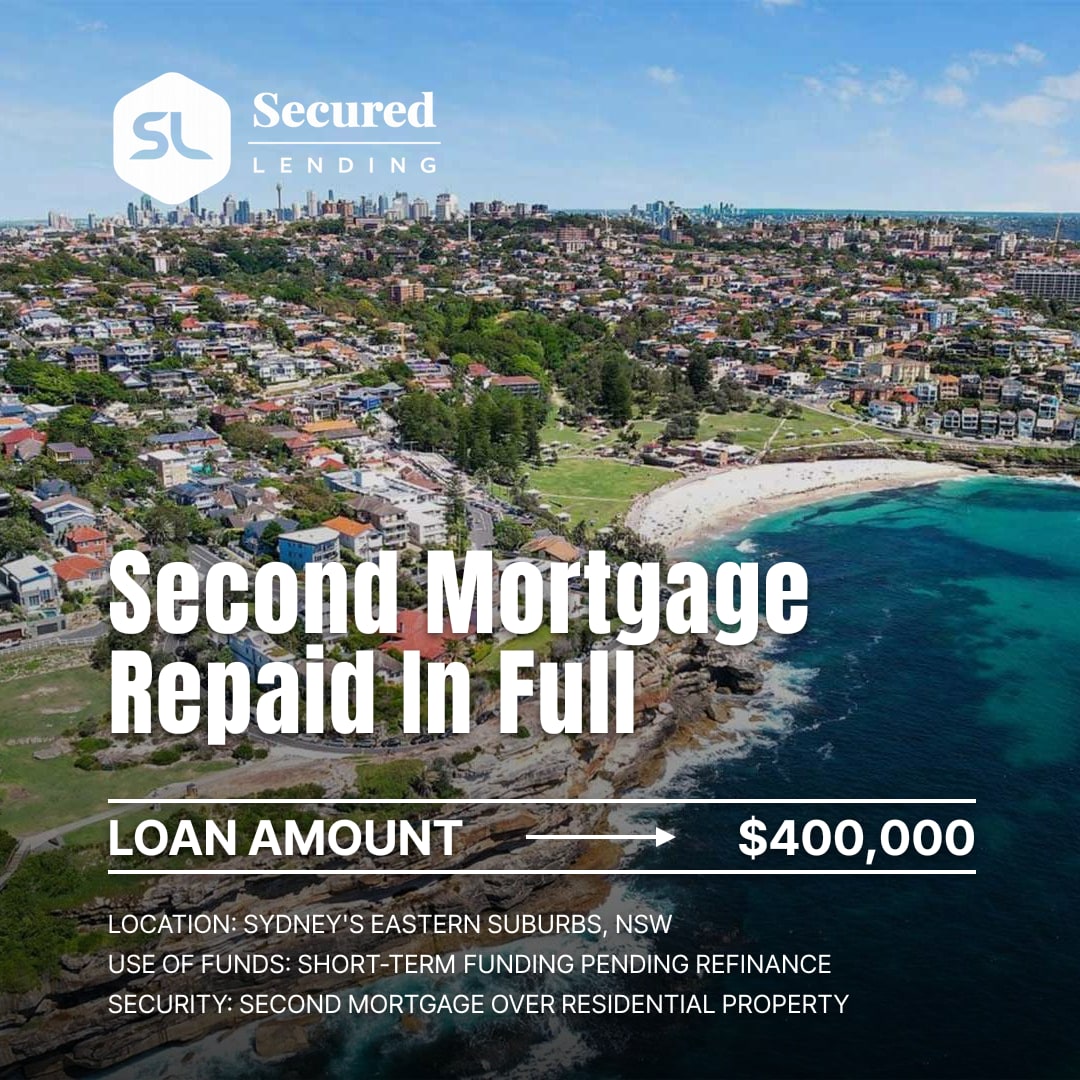
$400K Second Mortgage Repaid in Full After a Flexible Two-Month Extension
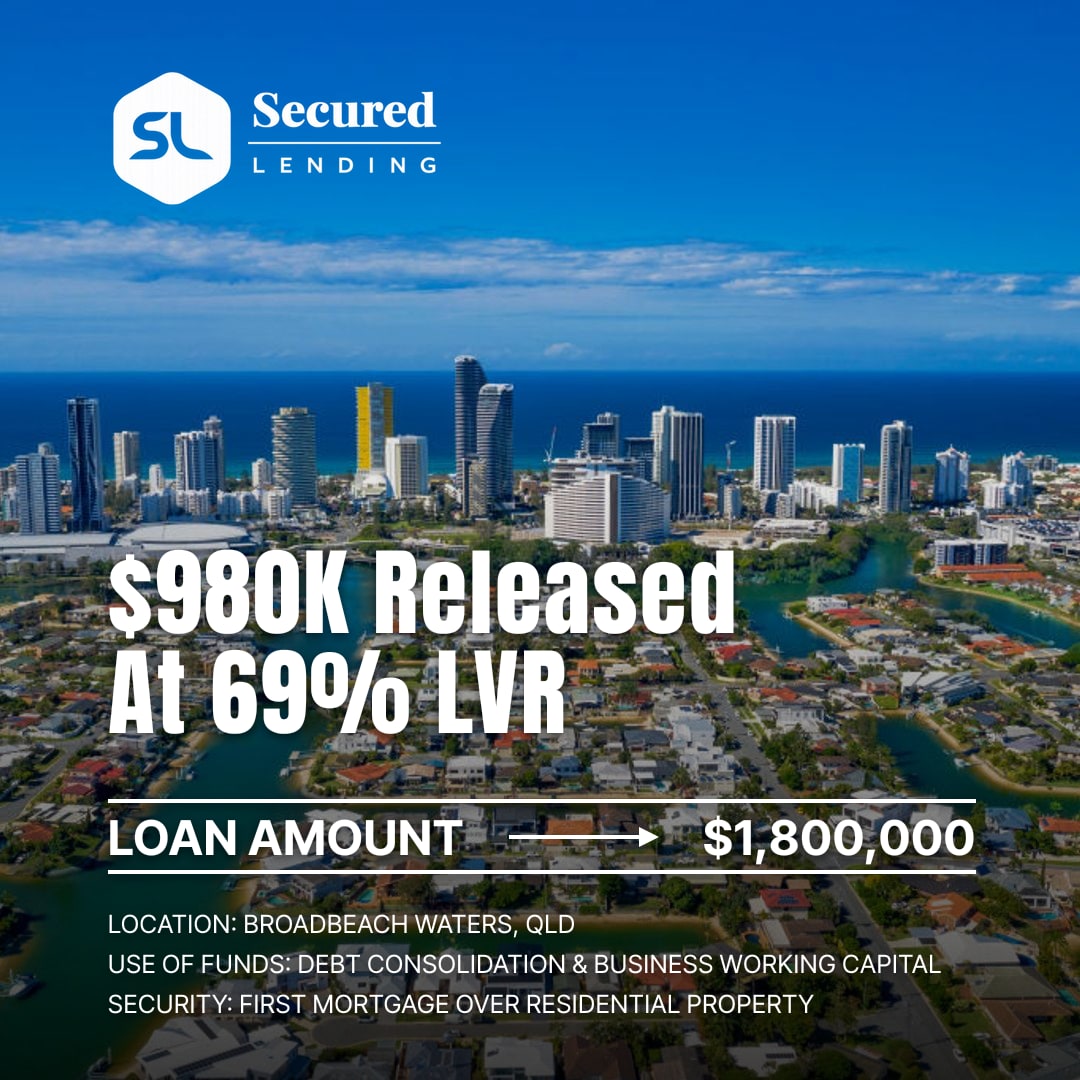
$1.8M First Mortgage Releases $980K of Working Capital for a Solar Business

$2.3M Second Mortgage Refinances an 18% Facility for a Glass Manufacturer

$800K Bridging Finance for Simultaneous Property Transactions in 48 Hours

$300K Second Mortgage for Dental Practice Working Capital in 5 Days
Why bridging finance matters in mergers & acquisitions
A merger or acquisition is often “won or lost” in the final stretch. You might have solid value on the table, but capital is tied up in property, another investment is mid-sale, or a bank process is simply moving too slowly. Bridging finance fills that short gap so you can settle on time and protect the transaction.
Here’s what bridging finance can do well in an M&A context:
- •Meet the settlement deadline with confidence. If you’re facing an urgent settlement, a short-term loan can keep the deal intact while you finalise your longer-term plan.
- •Buy time for long-form finance. Bank credit teams can take weeks. Bridging can keep you moving while a refinance, business loan, or capital raise completes.
- •Strengthen your negotiating position. Vendors and brokers respond to certainty. Being able to settle fast can help you negotiate price, conditions, or handover terms.
- •Handle real-world timing gaps. Common gaps include delayed release of sale proceeds, refinancing delays, or needing funds before final dividend distributions or partner contributions are cleared.
- •Reduce execution risk. Even good deals can unravel if funding is uncertain. Bridging finance helps you coordinate people, documents, and cash flow under a single, reliable timeline.
The key is using bridging finance as a tool, not a crutch: structured properly, it’s a controlled, short-term solution that protects the opportunity and your reputation.
Where bridging finance fits in a typical acquisition
In plain terms, bridging finance can cover the purchase while you arrange the “permanent” funding. In practice, it often supports one of these situations:
- •You’re acquiring a business and plan to refinance to a longer-term facility once the new structure is in place.
- •You’re merging entities and need short-term funds to complete settlement while your accountants finalise the post-merger financial position.
- •You’re buying time to complete a property sale, so you can repay the bridge as soon as settlement occurs.
- •You need immediate liquidity to complete the transaction, then you’ll stabilise working capital and move onto a longer-term arrangement.
This is also why speed matters. In M&A, deadlines don’t wait for paperwork. The right bridging facility is built around clarity: security, exit strategy, and a timeline everyone can work with.
How Secured Lending helps you complete the deal, fast
When you come to Secured Lending, your goal is straightforward: complete the merger or acquisition transaction on time, with funding you can actually rely on. Our role is to review your scenario, structure the loan around your settlement deadline, and coordinate a clean path from approval to payout.
Fast approvals and short settlement timelines
If the deal is time-sensitive, you need a lender that can operate at deal speed. We specialise in short-term secured business loans for urgent settlement scenarios. That includes being ready for emergency timeframes where a bank’s process simply won’t fit.
Depending on your transaction and security, we can support fast outcomes, including same day settlement in limited circumstances, and funding within 24 hours when all key items are in place.
Lending built around property security
Bridging finance for M&A works best when it’s anchored to clear security and a realistic exit. We focus on secured business loan solutions supported by property, then structure the term to match your plan—whether that’s a refinance, sale of an asset, or another confirmed repayment pathway.
Amounts and pricing that match real transactions
M&A funding needs can be meaningful, and you don’t want to waste time chasing a lender that can’t scale. Secured Lending can help you borrow up to $10 million, with an interest rate starting at 9.7% p.a (risk, security, and structure dependent). The objective is to get you over the line now, with a loan sized to the transaction and a clear exit strategy.
Coordination with your advisors
Mergers and acquisitions involve moving parts: your solicitor, broker, accountant, and the counterparty’s legal team. We’re used to working inside that environment. We coordinate required documents, confirm the settlement timeline, and keep the process practical—so you’re not stuck translating lender requirements back and forth.
When banks are too slow, uncertain, or restrictive
Sometimes the deal is solid, but the bank’s timing, policy, or appetite doesn’t match your needs—especially around transitional ownership structures or tight settlement windows. This is where a private lender urgent option can be the difference between completing and losing the deal.
Private lender solutions for urgent settlements
Secured Lending is a Private Lender in Australia and we operate Australia wide: Sydney, Adelaide, Melbourne, Brisbane, Perth, Gold Coast, Canberra. We are a non-bank lender, which means our process is designed for speed and practical outcomes when time matters. If you’re managing an urgent settlement, need an emergency solution, or require a private lender urgent pathway to complete an acquisition on schedule, we can assess the scenario and structure the bridging finance to match your deadline.
Common ways clients use our bridging finance in m&a
You’ll typically see bridging used to:
- •Complete settlement while awaiting refinance approval
- •Bridge the timing gap between a property sale and acquisition settlement
- •Fund a purchase where vendor terms are tight and certainty is required
- •Move quickly when a time-sensitive opportunity comes to market
The thread is the same: you’re not trying to “find money.” You’re trying to control timing and execute the transaction cleanly. For more information, see our commercial bridging finance page.
How we can help
If you’re mid-deal and the clock is running, Secured Lending can review your settlement date, your security position, and your exit strategy, then arrange bridging finance that aligns with what the transaction actually needs. We’ve facilitated over 500 strategic commercial loans to bridge the gap, and we understand the practical pressure that comes with business mergers & acquisitions.
Secured Lending is a short-term lending solution you can rely on. When you’re ready, our team is here to help you move quickly and confidently. Our team specialises in urgent short term loans solutions.
FAQs
1. What is bridging finance for an acquisition, in simple terms? It’s short-term funding that lets you complete the purchase now, then repay the loan when your longer-term finance or sale proceeds come through.
2. How fast can a bridging loan settle for an M&A transaction? Timeframes depend on security, valuation, and documentation. In some cases, same day settlement may be possible, and funding within 24 hours can be achievable when all required items are ready.
3. What security do you typically require for M&A bridging finance? Bridging finance is typically secured against residential or commercial property, with a clear exit strategy such as refinance or sale proceeds.
4. How do you assess whether the loan is suitable for my deal? We review your settlement deadline, purchase structure, security, and the repayment plan. The focus is whether the bridge cleanly supports completion without creating avoidable risk.
5. Can bridging finance help if my bank approval is delayed? Yes. Bridging finance is commonly used to cover timing gaps caused by bank delays, credit policy hurdles, or extended approval processes—especially where the transaction must settle on a fixed date.
6. What loan sizes do you offer for business mergers & acquisitions bridging? We can structure secured business loans for transactions up to $10 million, subject to security, serviceability considerations, and the quality of the exit strategy.