Private Lender for Property Development Finance
Capital that arrives on the settlement date, not six weeks after it



Experts in strategic, short-term secured finance
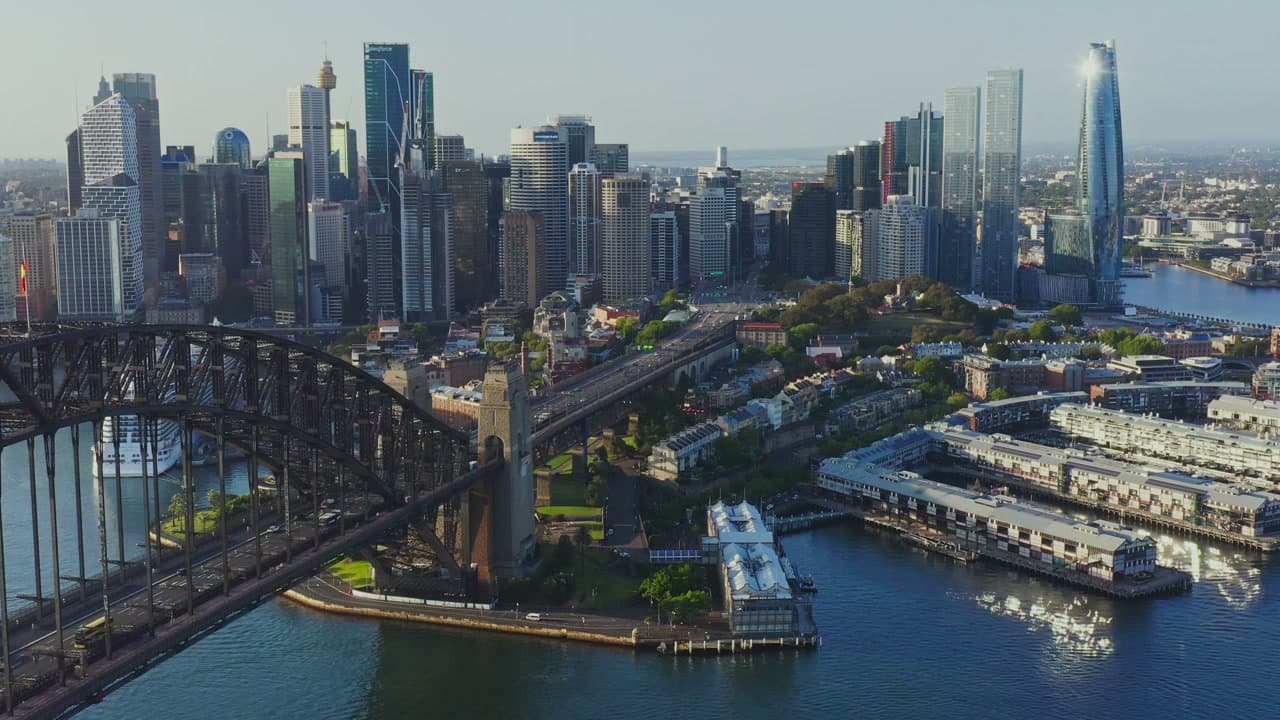
Secured Lending is a private, non-bank lender. We fund property developers against the site itself, against completed and residual stock, and against land banks. A development lives or dies on the settlement date, and the capital has to be there before the certifier, the buyer or the bank is ready. Banks retreated hard from development exposure after the APRA tightening, and the gap they left is exactly where we work. Loans run from $250,000 to $10,000,000, secured by a first or second mortgage, business purpose only. We lend our own funds, which is why a complete enquiry gets a decision in hours.
Who We Help
- Developers acquiring a site with a fixed exchange or settlement date and no time for a full credit process
- Developers facing a shortfall on settlement day after a senior facility came in lower than expected
- Developers holding a part-complete project after a builder collapsed or a funder walked away
- Developers carrying completed, unsold residual stock past the expiry of the project facility
- Land bankers holding raw or DA-pending land that produces no income while it is held
- Developers releasing equity from a finished project to secure the next site before it goes to market
- Development entities carrying an ATO debt that is compounding while the project runs its cycle
- Developers with real equity in the asset who have been declined by a bank on servicing
How We Can Help You
- We assess the asset and the exit, so the deal turns on the site and what retires the debt rather than a serviceability line
- Our valuation team is in-house, so partially completed developments and land banks are priced directly instead of waiting days on an external valuer
- We hold our own funds and our own credit authority, so a decision takes hours and settlement can happen within 24 hours
- We take a first or second mortgage, so a senior facility does not have to be broken to release capital
- Terms run from 1 to 24 months, and most developers are with us for 3 to 6 while the exit completes
- Rates start from 9.7% p.a., interest only for the term, up to 70% LVR
Property Development Finance Scenarios We Fund
Development lending is not one product. Securing a site under a 30 day settlement is a different structure to clearing residual stock off an expiring facility. Below are the scenarios we are asked for most often.
Site acquisition
A site worth buying is a site other people want. The exchange date is fixed, the settlement date is fixed, and the vendor is not waiting on a credit committee.
You exchange on the vendor's date and the site does not go to the underbidder. The facility funds the acquisition now and is retired when the senior debt, a capital raise or a resale lands, so the deal is closed on the terms it was offered on rather than the terms it becomes.
- The site is held rather than lost while a file is still being built
- Funds the acquisition, including the deposit falling due on exchange
- A short exchange deadline can still be met
- Sites with a development approval, or without one yet
- Other property in the group accepted where more cover is needed
- Exit is senior debt, an equity raise, or a resale
Bridging finance and settlement shortfalls
Settlement day arrives and the funding is short. A senior lender came in under the expected number, a buyer pulled out, or the sale that was going to fund the purchase has not settled yet. The gap is real, it is dated, and it is usually not large relative to the asset.
You settle on the day you agreed to settle. The deposit is not forfeited, the contract does not fall over, and the sale or the senior drawdown clears the facility once it lands. Bridging is a core speciality here, and the facility is sized to the shortfall rather than to the whole project.
- The settlement holds on its original date
- Covers a shortfall, or the gap between two settlement dates
- Sized to the gap, not to the value of the entire project
- Second mortgage sits behind the senior facility without disturbing it
- Caveat loan available where the window is genuinely short
- Exit is the sale proceeds, the senior drawdown, or a refinance
Part-complete and stalled projects
A builder goes under, a funder withdraws, or a variation blows the contingency, and the project stops. A half-built asset earns nothing, costs money to hold, and gets harder to value the longer it sits.
The project gets finished and sold instead of written down. Our valuation team is in-house and experienced in development, so a partially completed site is priced by us directly rather than shelved until an external valuer is available, and where the numbers work the capital to reach a saleable state can be committed on that basis.
- The build restarts and the asset reaches a saleable state
- Partially completed developments priced directly by our own valuers
- A single facility, not a staged construction drawdown
- Works where the original builder or the original funder has walked
- The asset stops being a holding cost and becomes sellable stock
- Exit is the sale of completed stock or a refinance
Residual and completed stock
The project is finished and a handful of units or lots have not sold. The project facility is at expiry, the sales campaign needs more time, and discounting the last stock to hit a lender deadline is the worst way to end a good development.
The final stock sells at the price the campaign was built for, not the price a deadline forces. Retiring the project facility takes the clock out of the sell-down, and the equity sitting in finished stock goes to work on the next site instead of staying trapped in the last one.
- The remaining stock sells at price, not at a discount to a deadline
- Retires an expiring project facility without a fire sale
- The sales campaign runs on its own timetable
- Releases equity from a finished project to fund the next acquisition
- Suits a project at facility expiry with the campaign still live
- Exit is the settlement of the remaining sales, or a refinance
Land banking
Land held ahead of a rezoning, a DA or a market cycle produces no income while it is held, and the holding costs land every quarter regardless. Raw land is also the asset type most lenders quietly avoid.
The parcel stays in your hands until the approval or the cycle arrives, and the adjoining lot can be taken when it comes available rather than when the funding does. The facility carries the holding period and is retired on the approval, the sale or a refinance.
- The holding is kept through a rezoning or a DA period
- Raw, englobo and DA-pending land priced by our own valuers
- Funds an acquisition, a holding period, or a consolidation with the lot next door
- Covers the holding costs while the land earns nothing
- Assessed on the land itself, not on income the land cannot produce
- Exit is a rezoning, a DA approval and sale, or a refinance
Refinancing a development facility
Bank appetite for development moves with the credit cycle, and when it turns the borrower is usually the last to know. A facility is not extended, a limit is cut, or a review falls due with the project half sold, and none of it reflects anything the developer did wrong. The asset underneath is still there and still worth what it was worth.
The project runs to its exit on the developer's timeline rather than a review timeline. The incumbent facility is taken out, the sell-down continues at the pace the market sets, and the stock settles or a longer-term lender takes the position on.
- Takes out an expiring or non-renewed development facility
- A mid-project review stops driving the decisions
- The sell-down runs at market pace rather than review pace
- Assessed on the project in front of us, not on a changed bank appetite for the sector
- Suits a limit that has been cut or a facility that will not be extended
- Exit is a sale of stock or a refinance to a longer-term lender
ATO tax debt
GST on settlements, PAYG and company tax all fall due on a schedule that has nothing to do with when a project sells. ATO debt attracts penalty interest that compounds, and once a payment plan is broken the recovery action escalates quickly, with a director penalty notice a real possibility.
The debt clears in one payment and the escalation stops. The entity goes back to being clean, which removes the obstacle that would otherwise be sitting in front of the next senior drawdown, and the project repays the facility from its settlements.
- The ATO position is cleared in a single payment
- Penalty interest stops compounding on the balance
- Covers GST on settlements, PAYG and company tax together
- Works where a payment plan has already been broken
- Clears the obstacle sitting in front of the next senior drawdown
- Exit is the sale of stock, a settlement, or a refinance
Working capital through the project cycle
Between the land purchase and the first settlement, a development consumes cash and returns none. Consultants, holding costs, council contributions, marketing and the sales campaign all fall due in a window with no income against them.
The site keeps moving through the months that pay nothing back. Consultants stay engaged, the contributions get paid, the campaign launches when it was meant to launch, and the settlements repay the facility when they arrive.
- The site keeps moving through the window before the first settlement
- Covers consultants, holding costs, council contributions and marketing
- The sales campaign launches on schedule rather than when cash allows
- Assessed on the asset, not on a trading forecast a project cannot produce
- Second mortgage keeps the existing senior facility intact
- Exit is the settlement of sales or a refinance
Our Loan Products
- First mortgage: the cleanest position, used where the site is unencumbered or an existing development facility is being refinanced in full
- Second mortgage: sits behind an existing first, so a senior facility does not have to be broken to release equity from a site or from completed stock
- Bridging loans: covers the gap between a purchase and a sale, or between a settlement date and the funding that was meant to meet it
- Caveat loans: our fastest product, lodging a caveat rather than registering a full mortgage, for genuinely urgent and short repayment windows
Related Reading
- →Private lender for property development finance
- →Private lender for development site acquisition
- →Private lender for part-complete development sites
- →Private lender for land banking finance
Bad Credit and Development Finance
Developers reach us mid-project with a lender that changed appetite and a file that shows the strain. We assess the land or the part-complete development property, the equity inside 70% LVR, and the sale or refinance that retires the debt. Our own valuers price part-built security directly, which is the part a bank cannot do. Credit history is context, not the decision.
- →How part-complete developments are valued and funded
- →Bad credit business loans and the exit we need to see
"Most lenders send a part-complete development or a land bank out to an external valuer and lose a week waiting for it to come back. Our valuation team sits inside the business, so we price a half-built site ourselves and come back the same day. On a development, a week is often the difference between settling and losing the deal."

Gino Tabila
Associate Director
Recently Asked Questions
Get an indicative offer within hours, not weeks.
No credit check. No obligation.
Why Secured Lending?
Are you a broker? Find out why brokers love working with us.
Case Studies
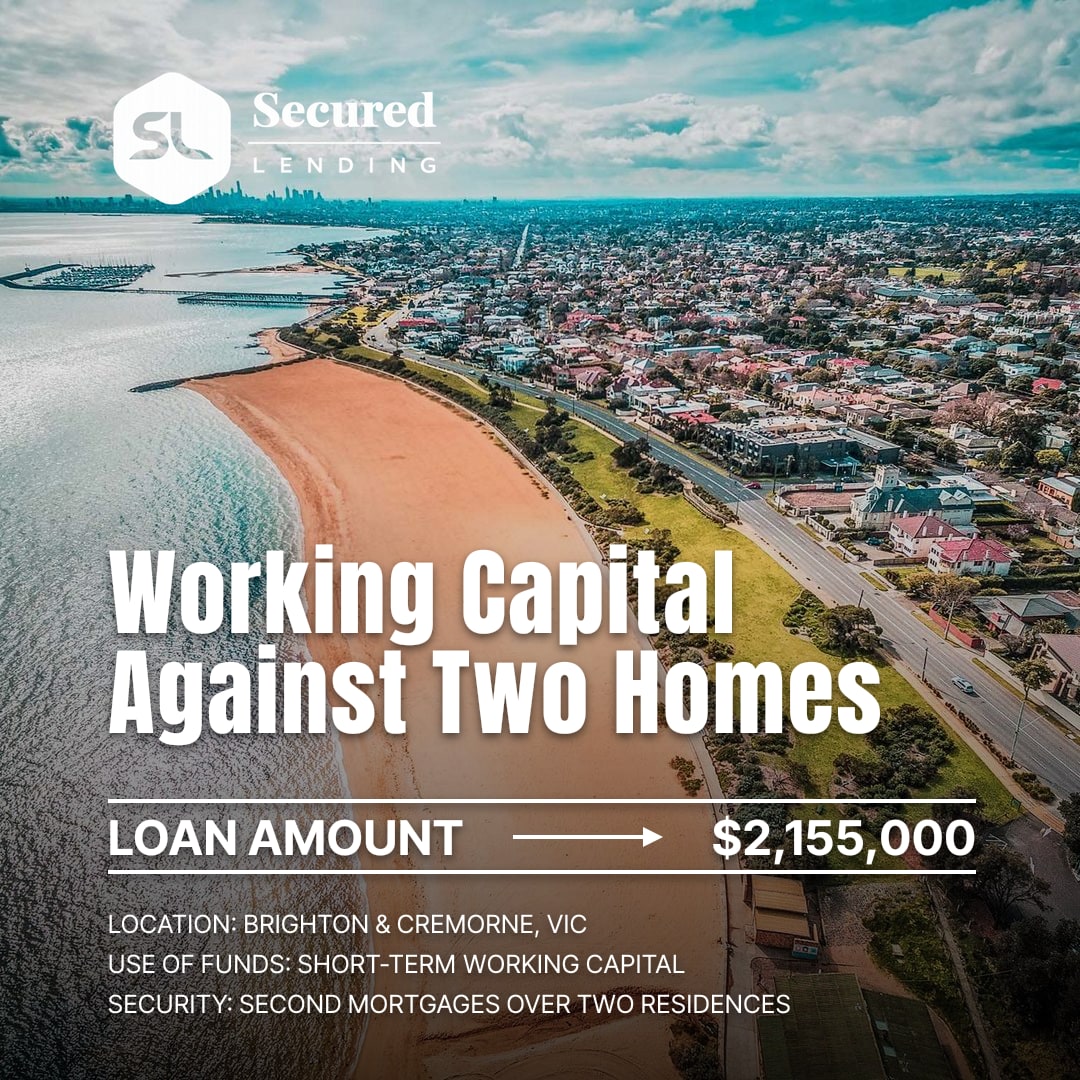
$2.155M Second Mortgage Working Capital Facility Across Brighton and Cremorne
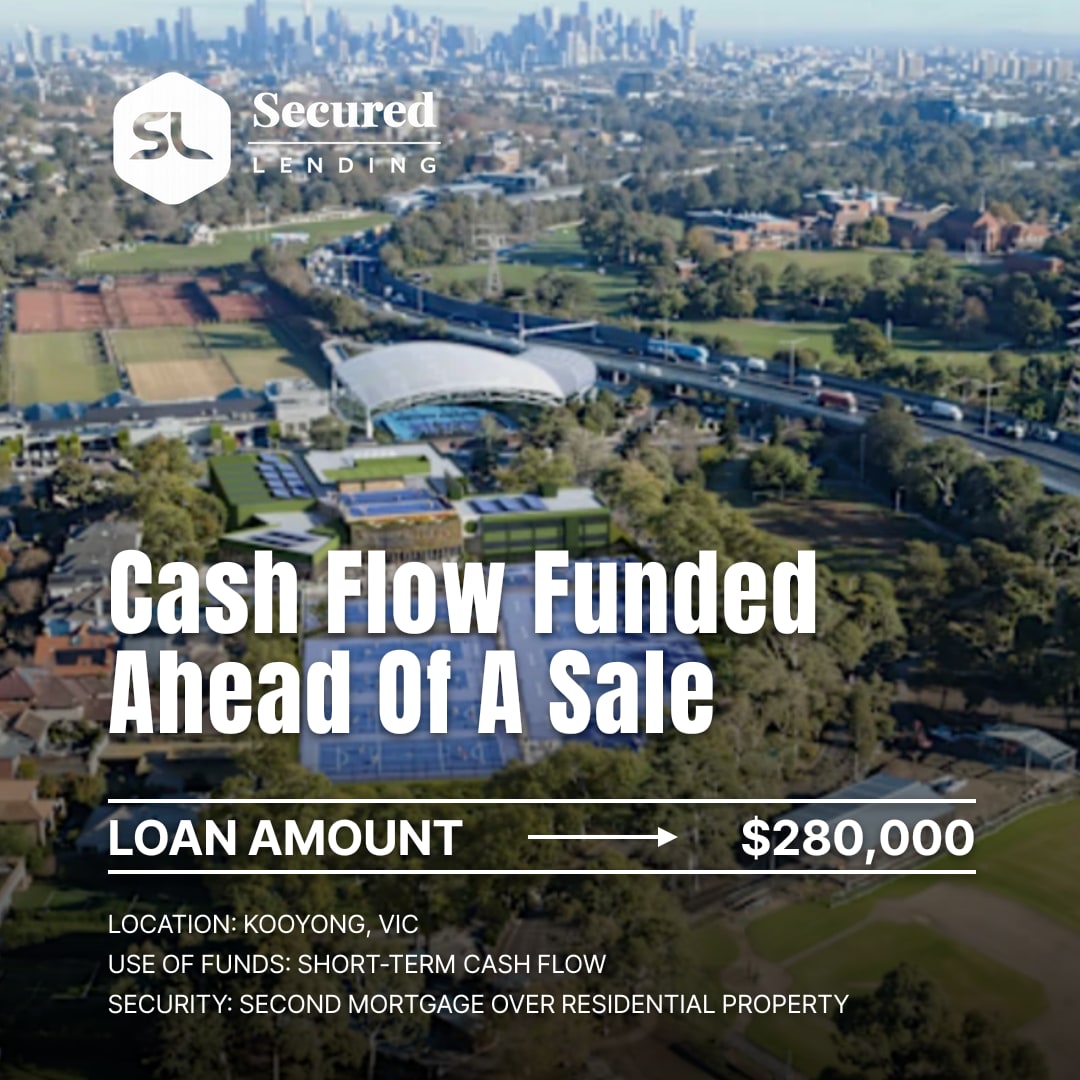
$280K Second Mortgage for Short-Term Cash Flow in Kooyong

$545K Bridging Loan Across Three Suburbs in Melbourne's North-West

$400K Second Mortgage Repaid in Full After a Flexible Two-Month Extension

$1.8M First Mortgage Releases $980K of Working Capital for a Solar Business

$2.3M Second Mortgage Refinances an 18% Facility for a Glass Manufacturer
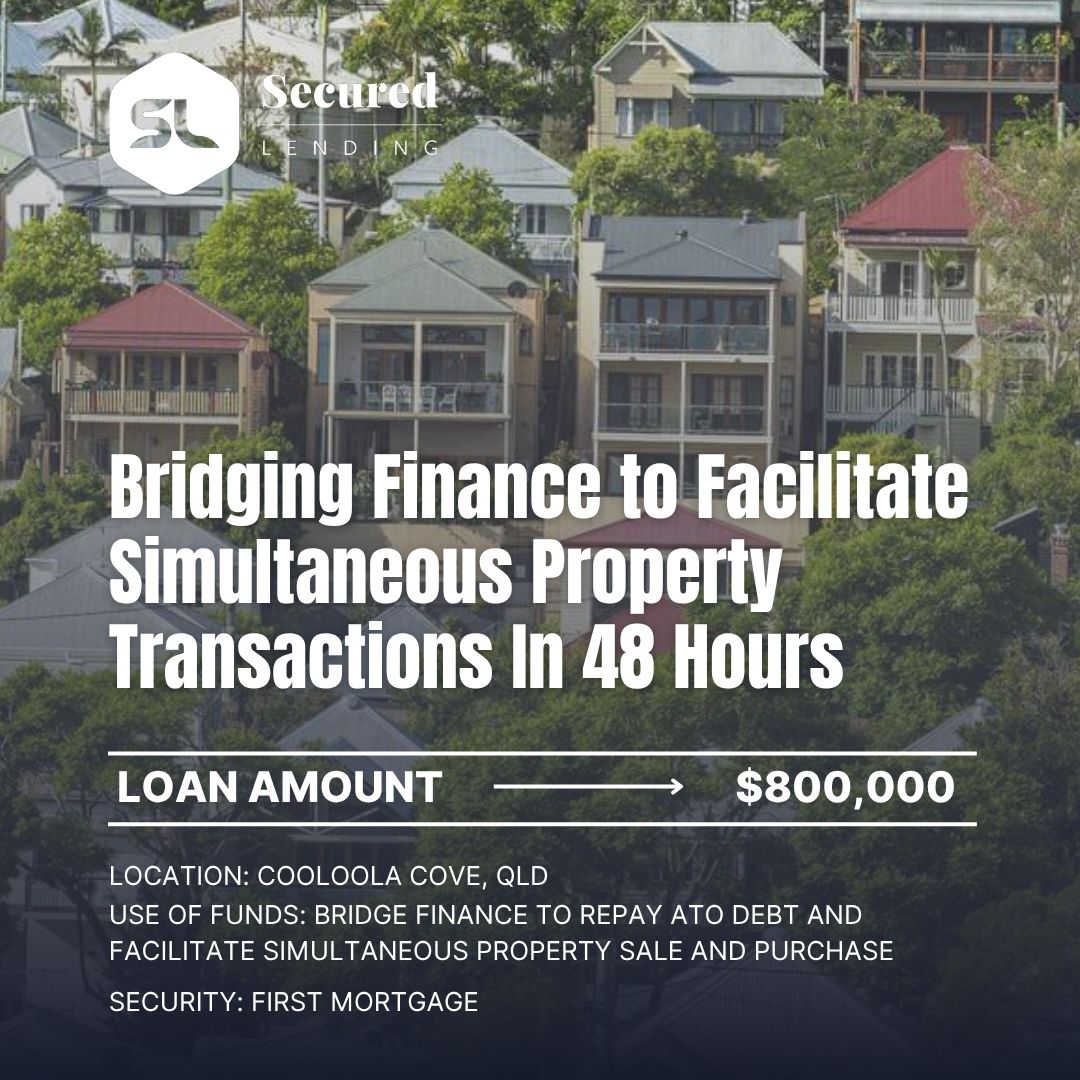
$800K Bridging Finance for Simultaneous Property Transactions in 48 Hours