



If you are planning a residential, mixed use, or small commercial development, you already know the challenge with development finance: timing drives profit. Approval delays can cost you the site, the builder, or the presales window. Contact us today to discuss your timeline, security, and exit so you can move forward with clarity.
Recent client success
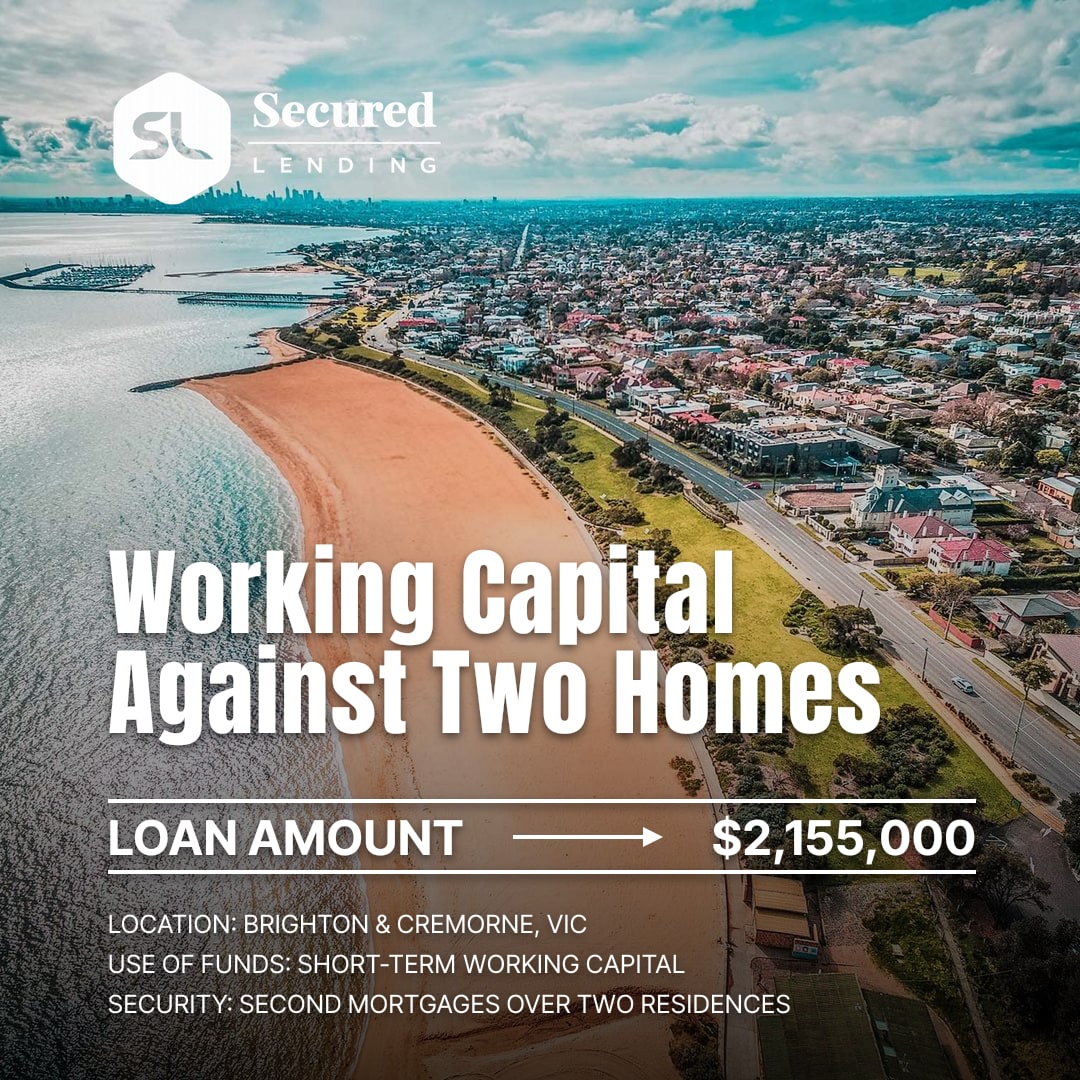
$2.155M Second Mortgage Working Capital Facility Across Brighton and Cremorne
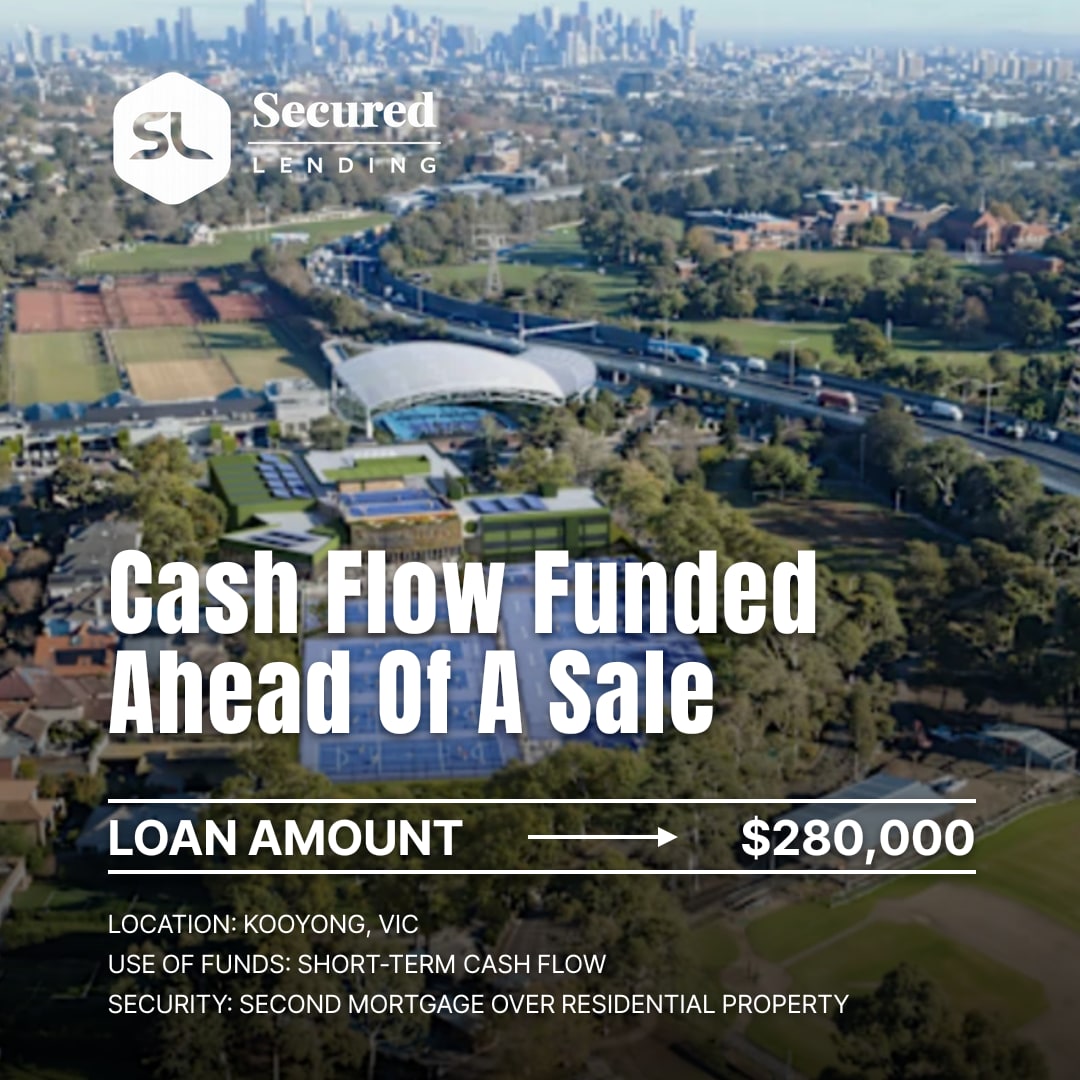
$280K Second Mortgage for Short-Term Cash Flow in Kooyong

$545K Bridging Loan Across Three Suburbs in Melbourne's North-West
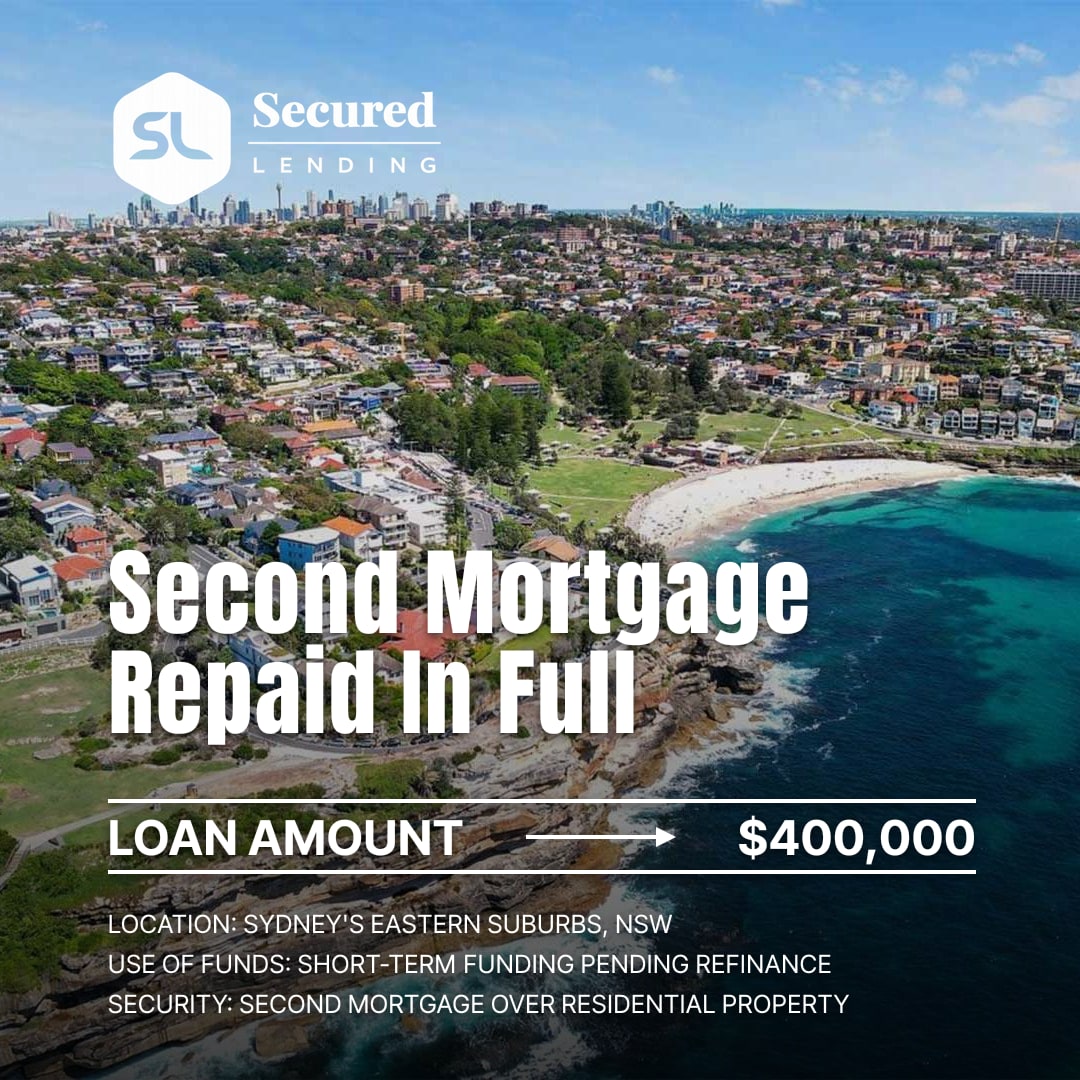
$400K Second Mortgage Repaid in Full After a Flexible Two-Month Extension
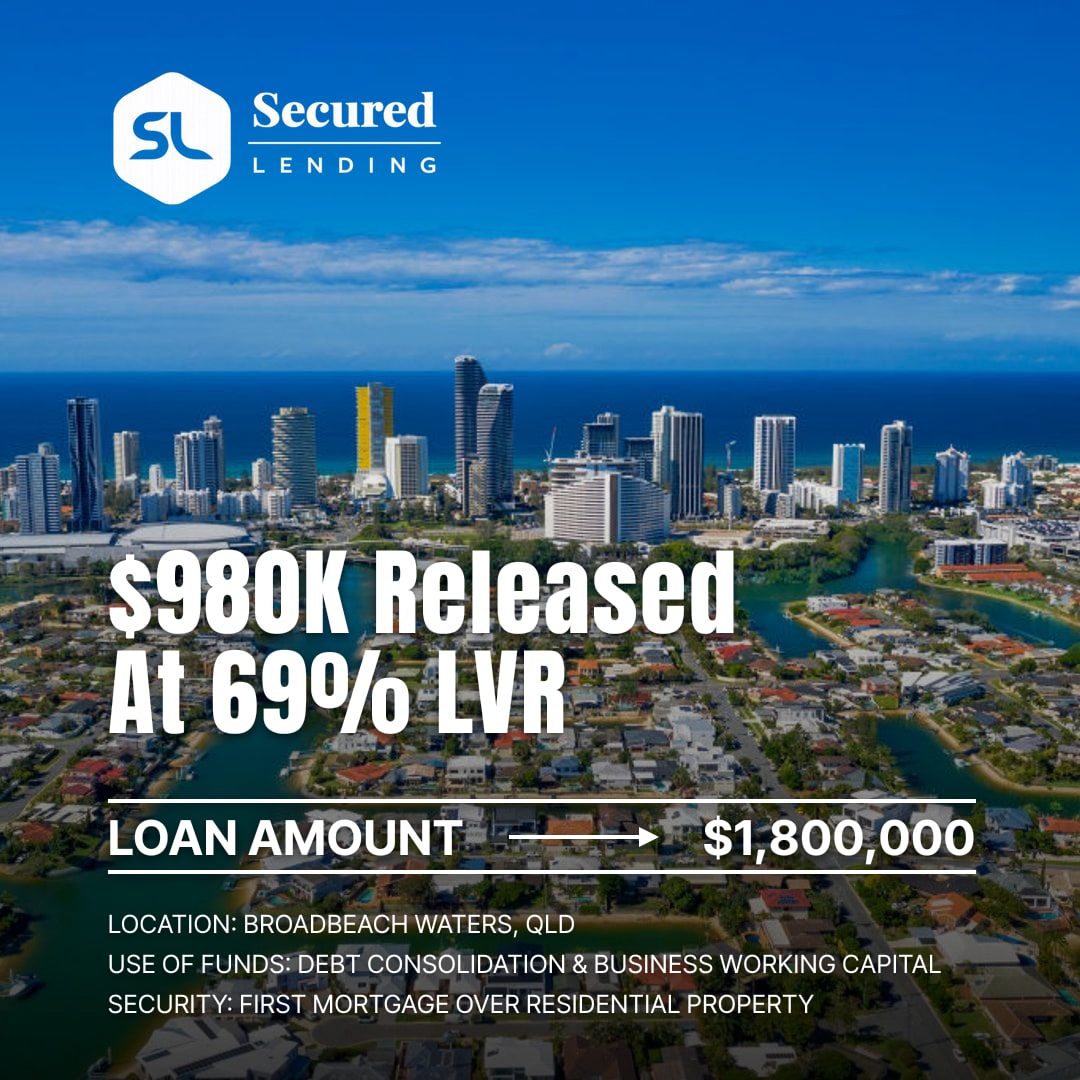
$1.8M First Mortgage Releases $980K of Working Capital for a Solar Business
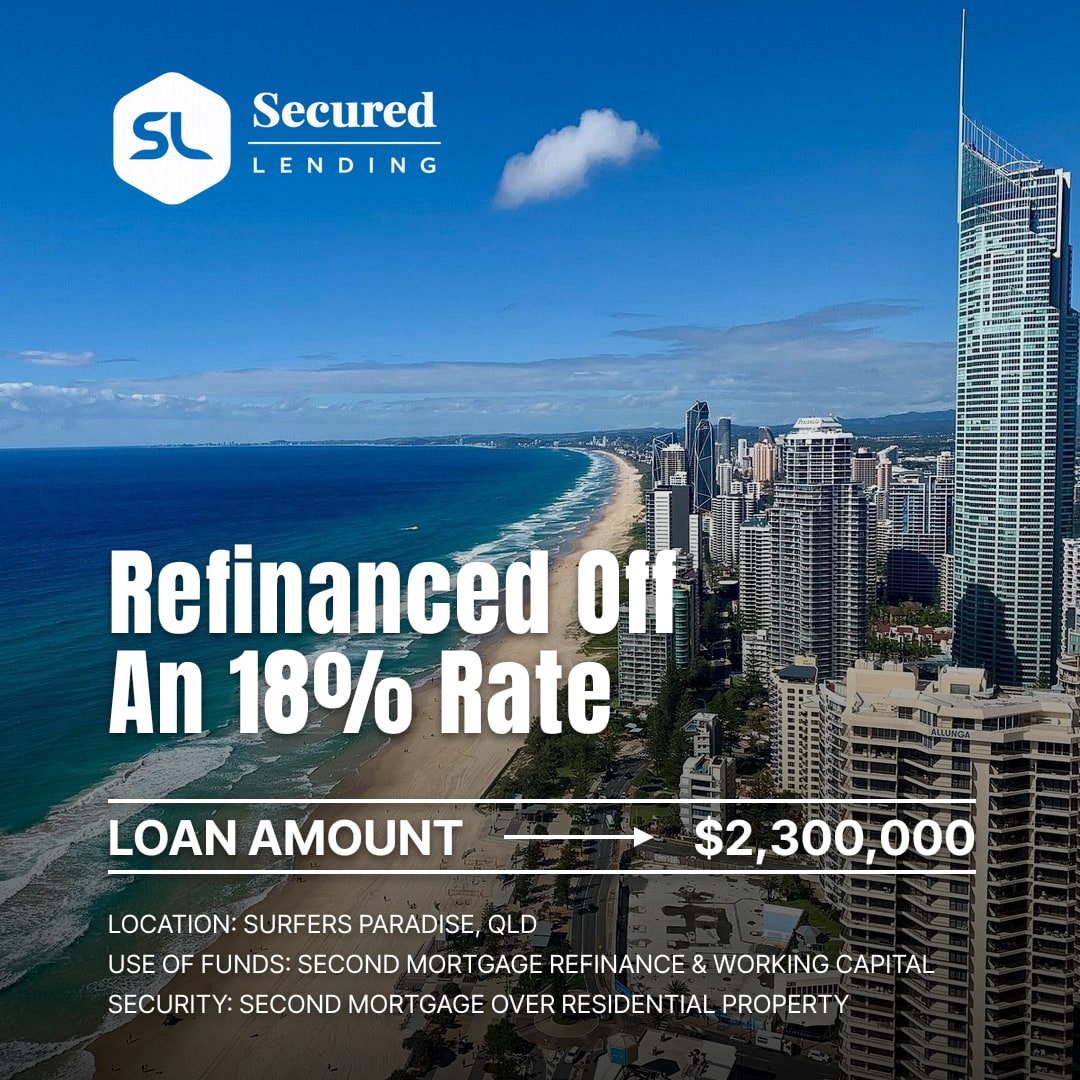
$2.3M Second Mortgage Refinances an 18% Facility for a Glass Manufacturer
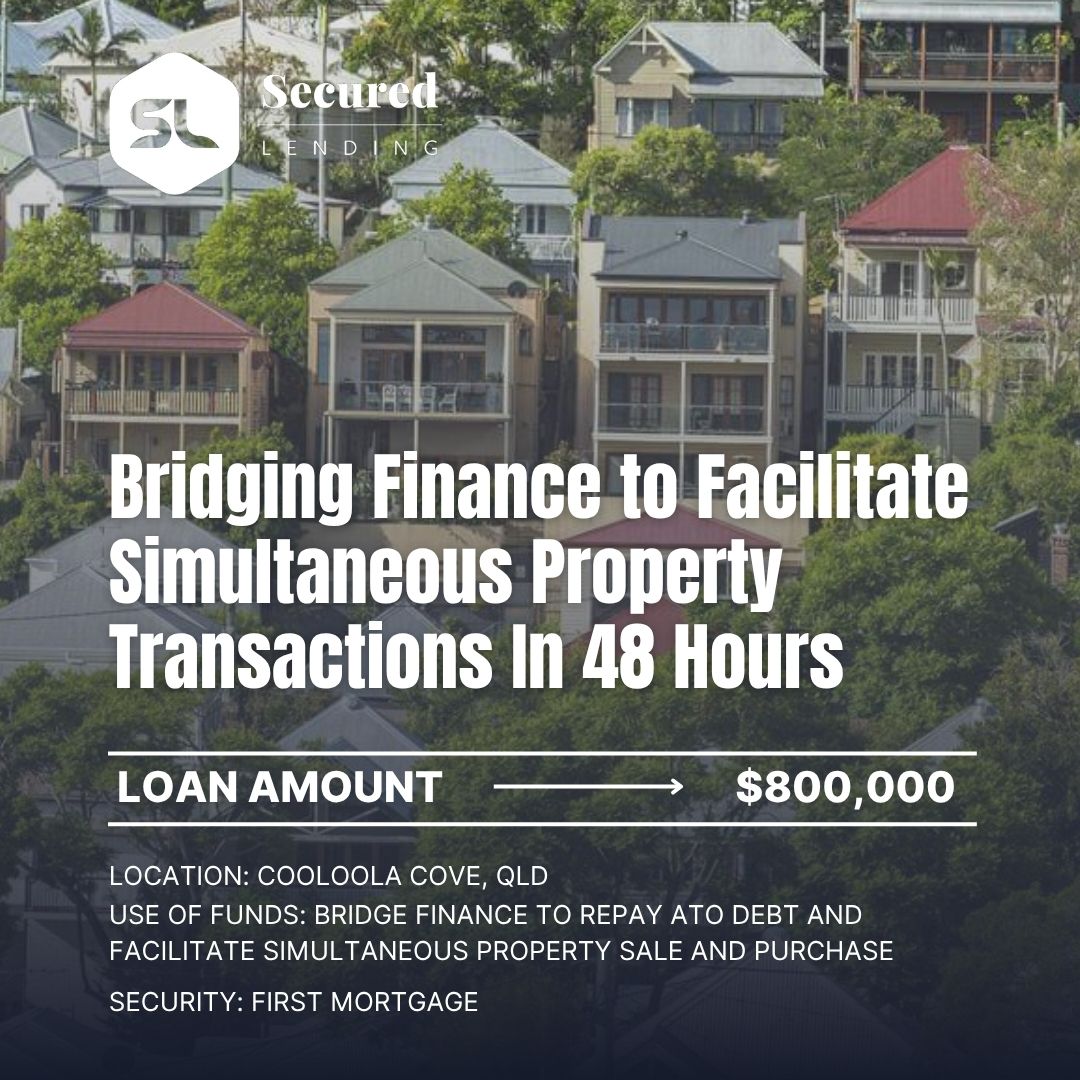
$800K Bridging Finance for Simultaneous Property Transactions in 48 Hours

$300K Second Mortgage for Dental Practice Working Capital in 5 Days
Secured Lending provides private Property Development Finance designed for business owners who want clear requirements, fast decisions, and a lender that can work with project timelines without unnecessary back and forth.
We speak with borrowers every week who need finance quickly. We’re also happy to guide you on what’s typically required, so you can move from feasibility to funding with fewer delays and fewer surprises.
A non bank private lender for property development finance
Secured Lending is a non bank private lender supporting borrowers across Sydney, Brisbane, Gold Coast, Perth, Adelaide, Canberra and surrounding metro and regional areas, including Melbourne.
We work with business owners who value speed and certainty, including borrowers who are considering non-bank business loans as an alternative to lengthy bank processes.
Private lending
If you’re looking for private business loans in Australia for Property Development Finance, the key benefit is straightforward: you’re dealing with a credit team that can assess the asset, the project, and the exit strategy without lengthy layers of bank policy.
Why business owners choose a non bank private lender for development funding
Faster credit decisions when timing matters
Banks can require extended servicing reviews, rigid document sets, and long valuation lead times. A non bank private lender can move faster when you have a tight settlement date, a construction start deadline, or a refinancing deadline.
A practical approach to project complexity
Development sites, DA conditions, construction stages, and presales don’t always fit a template. Private development finance can be a better fit when the project has complexity that slows bank approvals, such as unique site features, mixed security, non standard income, or a compressed timeline.
Security first lending with clear risk controls
Property development finance is ultimately about managing risk through security value, project feasibility, construction oversight, and the strength of your exit. A specialist private lender is typically direct about what drives outcomes—location, valuation support, LVR expectations, contingency buffers, and the credibility of your exit strategy.
Short term funding aligned to development timelines
Many developments need short duration funding to bridge from purchase to DA, DA to construction, or construction to sale or refinance. Short term finance can suit borrowers who want to complete the project and exit cleanly without carrying long term debt.
Loan details (and what they mean for your development)
Secured Lending provides the following development finance parameters for eligible projects:
- •Funded over $500 million in loans
- •Uses own funds for fast decisions, with an internal property valuation team to move fast (often within 24 hours)
- •Loans from $250k to $10M
- •Rates from 9.7% p.a.
- •Specialises in short term finance (1 to 24 months)
For a business owner, this can mean you’re able to pursue opportunities that require speed—competitive site acquisitions, time limited settlements, construction timeline changes, or refinancing away from an expiring facility.
What we typically cover early (so the process is smoother)
Development finance works best when requirements are clear upfront. We regularly guide borrowers through the key items that drive approval so you can avoid wasted time.
Project overview and feasibility
Site details, development plan, build costs, contingency, end values, and your projected timeline.
Security and valuation
Property type, location demand, comparable evidence, and valuation expectations. Our internal property valuation team can support faster momentum.
Borrower profile and experience
Your track record (where applicable), your team, builder, consultants, and how the project will be managed.
Exit strategy
Sale exit, refinance exit, staged sell down, or retention. A clear exit is central to private development finance.
Drawdowns and construction funding structure
If the facility is funding construction, we’ll walk through how progress payments are handled and what reporting is required.
If you’re not sure what’s realistic for your site or your timeframe, we’ll tell you what information is needed and what a lender will typically look for, so you can make the next decision with confidence.
When private property development finance can be a strong fit
Private development finance is often considered when one or more of these apply:
- •You need a quick decision to secure a site
- •You need short term funding while you progress DA, CC, or early works
- •You are refinancing to avoid pressure from a loan expiry
- •Your project is strong but does not fit bank policy today
- •You need a lender who can assess the security and the deal as a whole, not just a servicing formula
This isn’t about cutting corners. It’s about aligning the funding process with development timelines while keeping risk controls that protect the project.
More than development finance: specialist secured lending across property and business
Secured Lending is a specialist private lender across secured business loan solutions, private mortgage options (including first mortgage and second mortgage structures), and private bridging finance.
This matters for development borrowers because projects often require more than one solution across the lifecycle—such as a bridge for acquisition, a short term refinance, or a structured facility secured by property.
If you’re weighing up private lender options for Property Development Finance, the right next step is understanding what may be possible against your specific site, timeline, and exit. Secured Lending can provide guidance on requirements, likely structure, and the fastest path to a credit decision.
Frequently asked questions
1) How quickly can you indicate whether a deal is workable before I spend money on reports?
If you can share the site address, the proposed end product (what you’re building), your purchase price (or current debt position), expected build cost, and your preferred exit, we can often give an early view on structure and constraints. This helps you decide what’s worth ordering next (valuation, QS, feasibility refinements) and what to resolve first.
2) What makes an exit strategy “strong” for private development finance?
A strong exit is specific and supported by evidence. For a sale exit, that means realistic end values, local buyer demand, and a timeline that matches the build program. For a refinance exit, it means a credible pathway to longer term lending (serviceability, lease profile if relevant, and completion value). If the exit is staged, we’ll want to see how partial sell downs cover debt reduction and timing risk.
3) If my project has DA conditions or design changes still underway, is it an automatic no?
Not necessarily. Many developments move through changes. What matters is understanding what’s outstanding, the likelihood and timing of resolution, and how the facility is structured to manage that risk. The earlier we can see your pathway (and the documents you already have), the more precise the guidance can be.
4) How do construction drawdowns typically work, and what should I prepare for?
Construction funds are usually released in progress payments tied to the build stages. You’ll typically need a clear building contract, a realistic program, and a process for verifying work completed before each draw. Having your builder, insurances, and project documents organised early can prevent avoidable drawdown delays during the build.
5) What are the most common reasons a development finance request slows down?
The usual causes are unclear feasibility inputs (build costs or contingency), mismatched expectations on end values, incomplete documentation around the builder or contract, and an exit that isn’t fully mapped to a timeline. Resolving these early usually saves the most time.
6) If i’m refinancing an expiring facility, what should I have ready to move quickly?
A current payout letter, details of existing security, a clear plan for the remaining works (if any), and a realistic exit timeline are key. If the project is partly completed, photos, progress summaries, and updated cost-to-complete numbers help a credit team assess what’s required to stabilise the project and exit cleanly.
7) Do you compete with a construction lender or work alongside one?
Alongside, usually at either end. We fund the land, the pre-construction window and the approval period, then step aside for the construction facility. We also come back at the other end as exit finance while the sell-down runs. What we do not do is staged progress drawdowns against certified claims, and that is worth knowing before you plan the capital stack.
8) Is 70% LVR calculated on the land or on the end value?
On the assessed value of the security as it stands today, not on gross realisation. Developers routinely quote a loan against completed value, and that is a different calculation to ours. Working from as-is value is the more conservative number and it is the one that governs what we can lend, so it is best understood at the start.