Private Lender for Wholesale and Distribution Businesses
Capital that moves at the speed of your stock, not your bank review



Experts in strategic, short-term secured finance

Secured Lending is a private, non-bank lender. We fund importers, wholesalers and distributors against property, and we do it in days rather than months. If you own the warehouse, that is strong security. If you lease it, which most wholesalers and importers do, security comes from the director's home or investment property, and that is the standard pattern in this space rather than a fallback. Loans run from $250,000 to $10,000,000, secured by a first or second mortgage, from 9.7% p.a. interest only. We lend our own funds and hold our own credit authority, so a complete enquiry gets a decision in hours instead of sitting in a bank credit queue while the stock position gets worse.
Who We Help
- Importers funding supplier deposits and balance payments on goods that have not landed yet
- Wholesalers and distributors carrying inventory while customer payment terms run 30, 60 or 90 days
- Businesses exposed to currency movement between the order and the final payment
- Operators buying a bulk or seasonal stock lot at a price that will not be repeated
- Distributors leasing their warehouse, where the security is the director's home or investment property
- Established wholesalers buying the warehouse they have been leasing for years
- Businesses carrying an ATO debt that is compounding while stock is still on the water
- Directors with real property equity who have been declined by a bank on servicing
How We Can Help You
- We lend against property, so a leased warehouse and a stock-heavy balance sheet do not end the conversation
- The director's home or investment property is accepted security, and it is how most deals in this sector are done
- Where the warehouse is owned, we can lend against it directly, and often for more
- Funds are released to the business, so the supplier, the freight forwarder or the ATO can be paid without a third party in the middle
- Terms run from 1 to 24 months, and most borrowers are with us for 3 to 6 while the stock sells through
- We hold our own funds, so a decision takes hours and settlement can happen within 24 hours
Wholesale and Distribution Finance Scenarios We Fund
The money goes out to the supplier, often overseas and often up front, long before the stock lands, let alone sells, and every week the container is on the water is a week the capital is tied up. Below are the scenarios we are asked for most often. A note on what we are: we lend against property. We are not a trade finance provider and we do not write letters of credit, invoice factoring or debtor finance. We release capital so the business can fund those things itself, on its own terms, with no security taken over stock or debtors.
Importers and supplier deposits
The factory wants 30% on order and the balance before the container is released. The freight, the duty and the GST all fall due at the port. None of it waits for a customer to pay, and the currency can move against you between the order and the settlement.
The supplier is paid when the supplier expects to be paid, so the factory ships to schedule instead of holding your order or giving the slot to someone else. The facility is sized to carry the shipment through to the point the stock is sold, so the term is short by design and the repayment is already funded.
- The order is paid on time, so the production slot is not lost
- Funds the deposit, the balance payment, freight, duty and GST
- Funds paid direct to the business, so the supplier relationship stays yours
- No security taken over your stock or your debtor book
- A currency movement can be met when it lands, not weeks later
- Exit is the sell-through, a receivables collection, or a refinance
Bulk and seasonal stock buys
A supplier clears a line at a price that will not come around again, or the season demands the stock be on the floor by a fixed date. The margin on a buy like that is made at the moment of purchase, and the window is measured in days.
You buy the line at the price it was offered at, not the price it becomes once the offer expires and the supplier has moved on. We can have you in a position to commit while the offer is still live, and the facility clears as the stock sells through.
- The line is bought at the offered price, before it goes to another buyer
- Funds a bulk buy, a clearance line, or a seasonal build-up
- The stock lands in time for the season it was bought for
- Second mortgage sits behind an existing home loan
- Buying power that does not depend on the last shipment being paid for
- Exit is the sell-through or a refinance to a longer-term facility
Container and shipment gaps
The goods are paid for and sitting on a ship, or held at the wharf against demurrage, storage and unpaid duty. The stock is real, the value is real, and none of it can be sold from inside a container.
The container clears the wharf before the demurrage eats the margin on the shipment, and the stock gets to the warehouse and into the sales cycle where it can start paying for itself. Where the deadline is immediate, a caveat loan is the fastest route, and it can be replaced with a registered mortgage afterwards if the facility needs to run longer.
- The container is released and the storage charges stop running
- Clears freight, duty, GST, demurrage and storage charges
- Caveat loan where the release deadline is immediate
- The caveat can be replaced with a registered mortgage if the term runs on
- Funds released direct to the business, not to a third party
- Exit is the sale of the released stock or a receivables collection
Warehouse purchase
The landlord offers the building, or an industrial unit comes up next door and the lease renewal is looming. Buying the shed you already operate from turns rent into equity, and the contract usually comes with a settlement date that a full commercial application cannot meet.
The contract settles on the date written into it, so the building is not lost while an application sits in a queue, and the rent starts working as equity instead of leaving the business every month. Once the building is held and the trading history supports it, the standard exit is a refinance to a commercial lender or a bank on a longer term.
- Funds a warehouse or industrial unit purchase, or the deposit on one
- The settlement date in the contract is met, not renegotiated
- Suits an operator buying the shed they have been leasing for years
- Our own valuers assess industrial property directly, so the file does not queue
- The purchased building can carry the deal on its own where the numbers allow
- Exit is a refinance to a commercial lender or bank once settled
Bridging finance
A large order needs funding before the last one has been paid for. A competitor's stock or distribution book is available and the vendor wants a deadline met. A property is being sold to fund the business, and the buyer settles six weeks after the money is needed.
The money goes out on the day it has to go out, and the gap closes when the sale settles or the stock sells through. We size the facility to the gap and run it interest only, so the business is not making principal repayments in the exact period it has least cash.
- Bridges a stock purchase, an acquisition, or a property settlement
- The vendor deadline is met, so the deal does not go to a faster buyer
- You commit while the offer is still live, not after it has lapsed
- A second mortgage leaves an existing facility in place
- Sized to the gap, so the business is not carrying debt it does not need
- Exit is the sale proceeds, the sell-through, or a longer-term refinance
Refinancing off a bank
A bank reads a wholesale balance sheet as inventory and receivables, and when a facility comes up for review, a large stock position and a stretched debtor line read as risk rather than as a business mid-cycle. A limit gets cut, an overdraft is not renewed, or a covenant is breached on paper while the business itself is trading perfectly well.
The facility is repaid on the review date and the business moves to a longer-term lender on its own timeline rather than the timeline it has been handed. The exit is that refinance, once the stock has cleared and the numbers present the way the business already knows they should.
- Refinances an expiring, reduced or non-renewed bank facility
- The review deadline is met, so the limit does not simply disappear
- The stock and the debtor book stay unencumbered and free to use elsewhere
- A heavy stock position mid-cycle does not sink the deal
- Lending to Pty Ltd companies, trusts and SMSFs
- Exit is a refinance to a longer-term lender, or an asset sale
ATO tax debt
Import GST, PAYG and BAS liabilities build quietly in a business where cash is permanently committed to the next shipment. ATO debt attracts penalty interest that compounds, recovery action does not pause for a slow quarter, and once a payment plan is broken the escalation to a director penalty notice can be quick.
The debt is cleared in a single payment, the penalty interest stops running, and the escalation stops with it, which leaves the business free to keep importing rather than negotiating. Repayment then comes out of trading over a short, defined term, and in most cases the cost of the facility is less than the penalties and the recovery action that would otherwise apply.
- Clears the ATO position in a single payment
- The penalty interest stops compounding from the day the debt is paid
- Covers import GST, BAS, PAYG and superannuation arrears
- Suitable where a payment plan has already been broken
- First or second mortgage over residential, investment or industrial property
- Exit is the sell-through, trading income, or a bank refinance
Working capital
Wholesale runs on a permanent mismatch. Suppliers are paid up front and customers pay in 30, 60 or 90 days, and in between there is rent, wages, freight, warehousing and the next order to place. A profitable distributor can be short of cash in the same week it books its best month.
The business keeps buying and keeps trading through the months where the money has gone out and not yet come back. The facility is short by design, interest only, and repaid from the receivables as they land.
- Covers rent, wages, freight, warehousing and supplier accounts
- The next order goes on while the last one is still sitting in debtors
- No security taken over your stock or your debtor book
- Second mortgage keeps the existing home loan or first facility intact
- No P and L or tax return required for an asset-based assessment
- Exit is the receivables, the sell-through, or a refinance
Our Loan Products
- First mortgage: the cleanest position, used where the warehouse or the director's property is unencumbered, or an existing facility is being refinanced in full
- Second mortgage: sits behind an existing first, so a home loan or a fixed rate does not have to be broken to release capital for stock or a supplier payment
- Bridging loans: covers the gap between money going out to a supplier and money coming back from the sell-through, or between a purchase and a sale
- Caveat loans: our fastest product, lodging a caveat rather than registering a full mortgage, for genuinely urgent windows such as a wharf release or a stock deadline
Related Reading
- →Private lender for warehouse and distribution finance
- →Private lender for import and trade finance
- →Private lender for inventory and stock finance
- →Caveat loan for a supplier payment deadline
Bad Credit Lending for Wholesalers
A wholesaler pays the supplier long before the customer pays them, and that gap is what puts arrears on the file. Banks read the arrears. We lend against the commercial or industrial property the business owns, or against property owned by a director, to 70% LVR, and assess the equity and the exit instead. Rates from 9.7% p.a.
"A wholesaler pays the supplier long before the stock lands and long before a customer pays for it. A balance sheet test reads that as inventory risk. We read it as the ordinary shape of an import business. The supplier gets paid on time, the container clears the wharf before the demurrage eats the margin, and the stock is on the floor for the season it was bought for."

Gino Tabila
Associate Director
Recently Asked Questions
Get an indicative offer within hours, not weeks.
No credit check. No obligation.
Why Secured Lending?
Are you a broker? Find out why brokers love working with us.
Case Studies
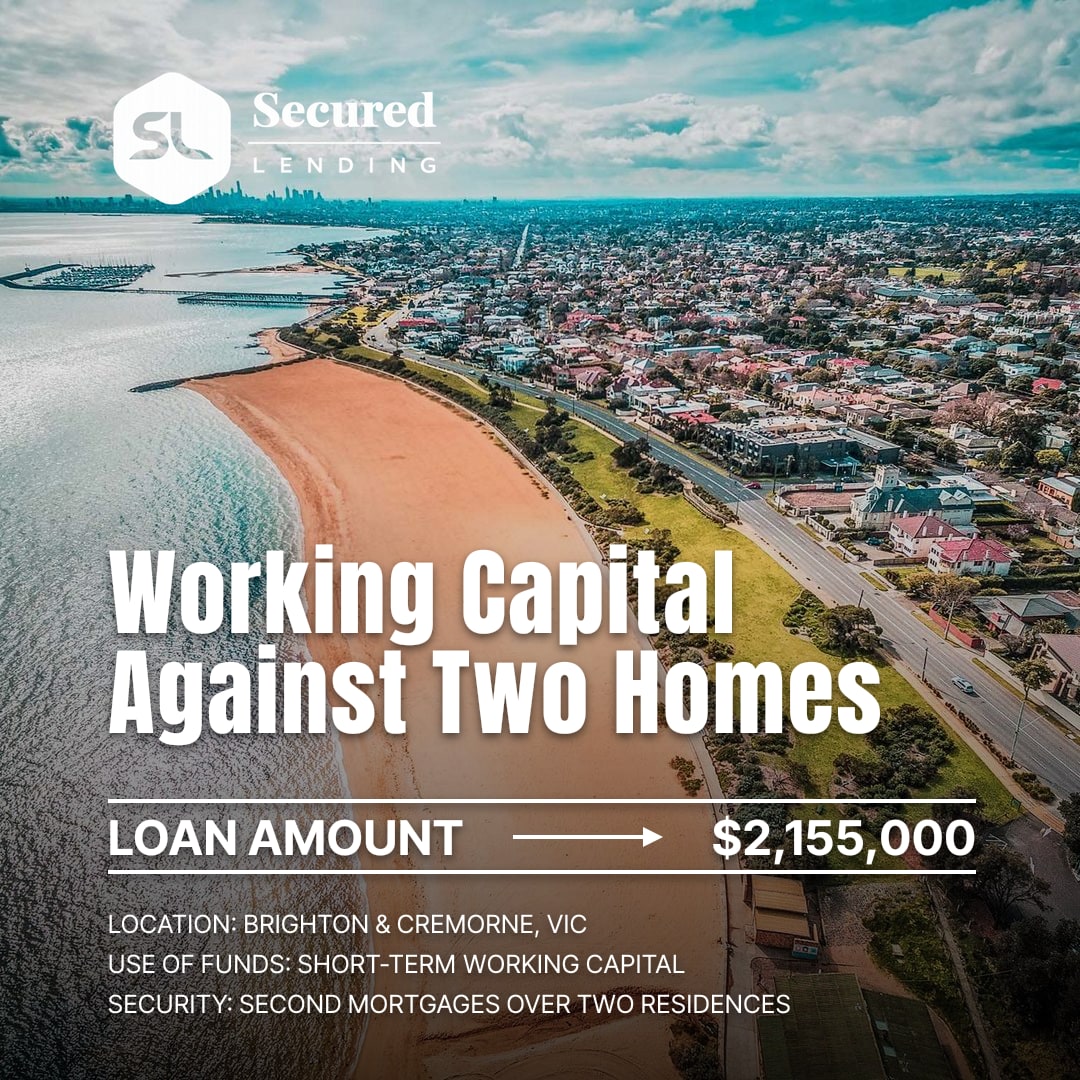
$2.155M Second Mortgage Working Capital Facility Across Brighton and Cremorne

$280K Second Mortgage for Short-Term Cash Flow in Kooyong

$545K Bridging Loan Across Three Suburbs in Melbourne's North-West

$400K Second Mortgage Repaid in Full After a Flexible Two-Month Extension
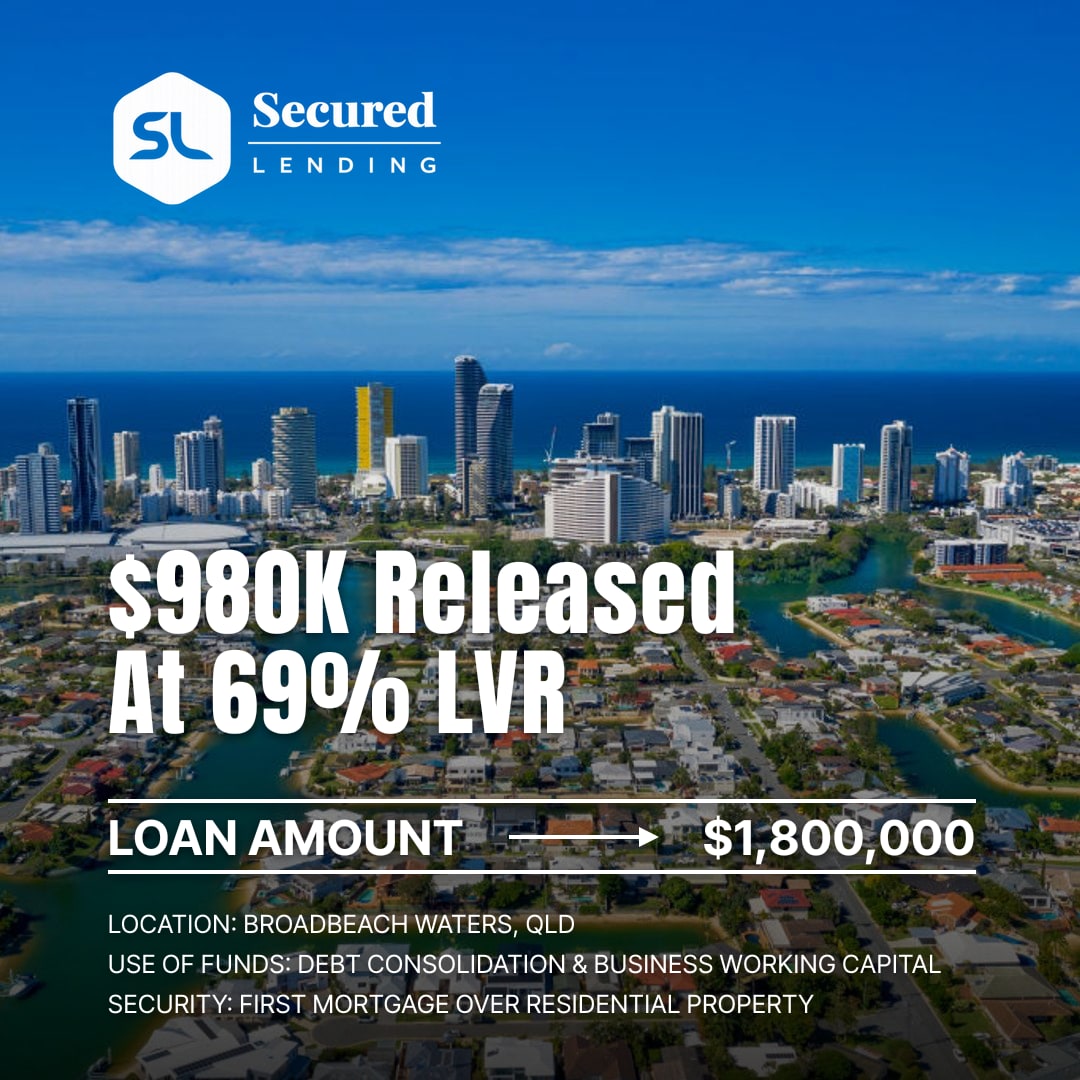
$1.8M First Mortgage Releases $980K of Working Capital for a Solar Business
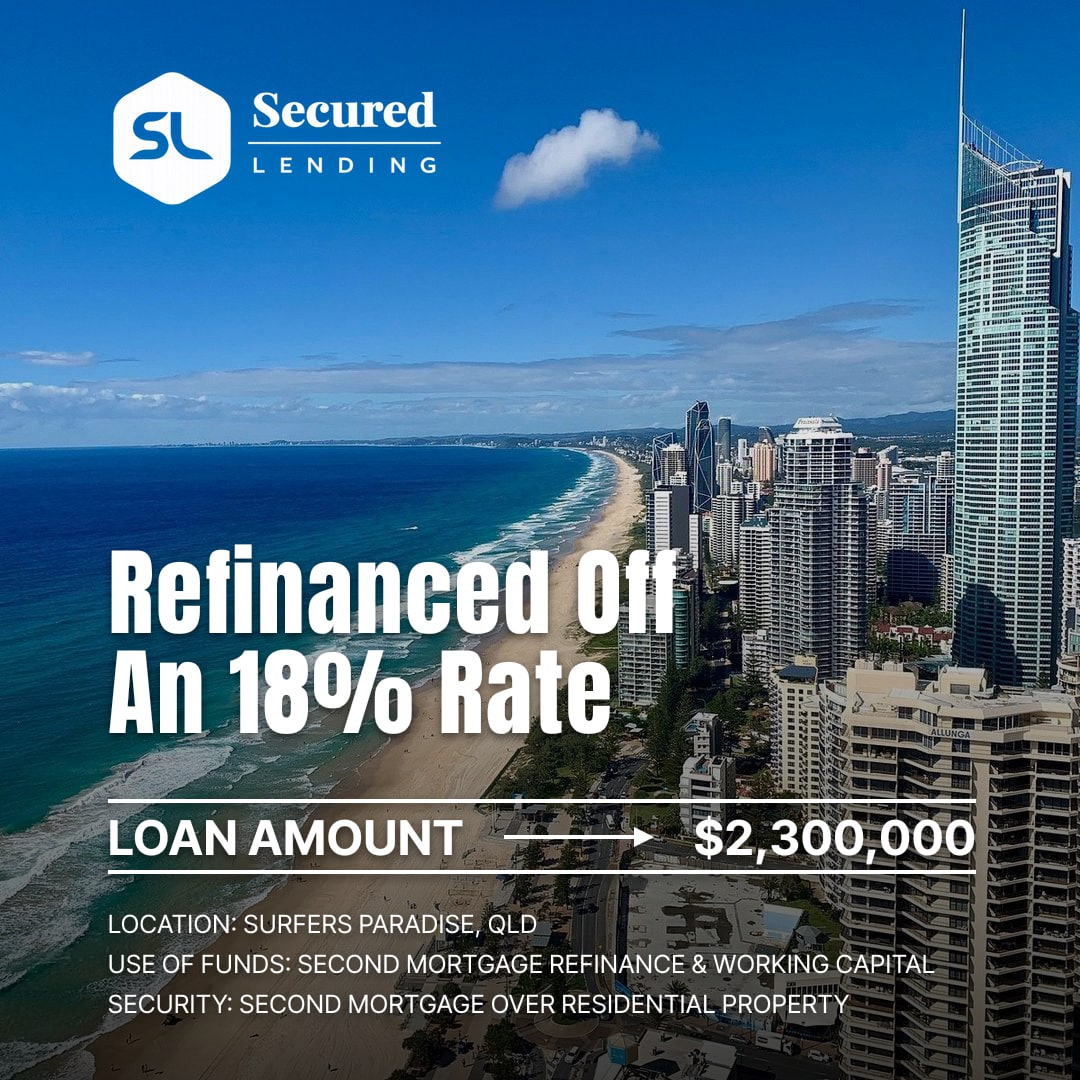
$2.3M Second Mortgage Refinances an 18% Facility for a Glass Manufacturer
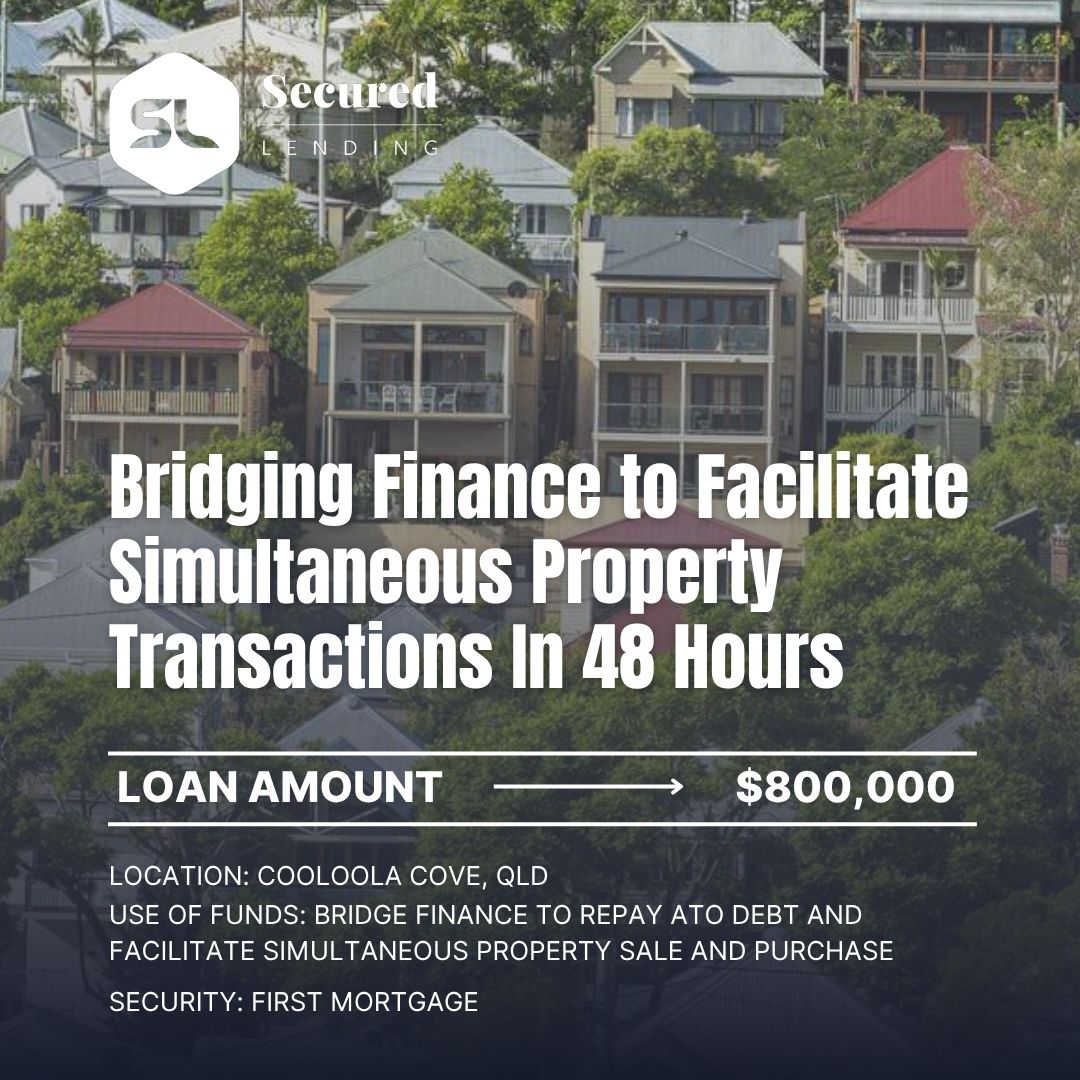
$800K Bridging Finance for Simultaneous Property Transactions in 48 Hours