



Holding large amounts of inventory, seasonal stock, or imported goods can tighten cash flow quickly—even when sales are strong. Inventory and Stock Finance is designed to unlock working capital without forcing you to wait for receivables to clear or for stock to convert into revenue. Contact us today to discuss timing, security, and a practical path to settlement.
Recent client success
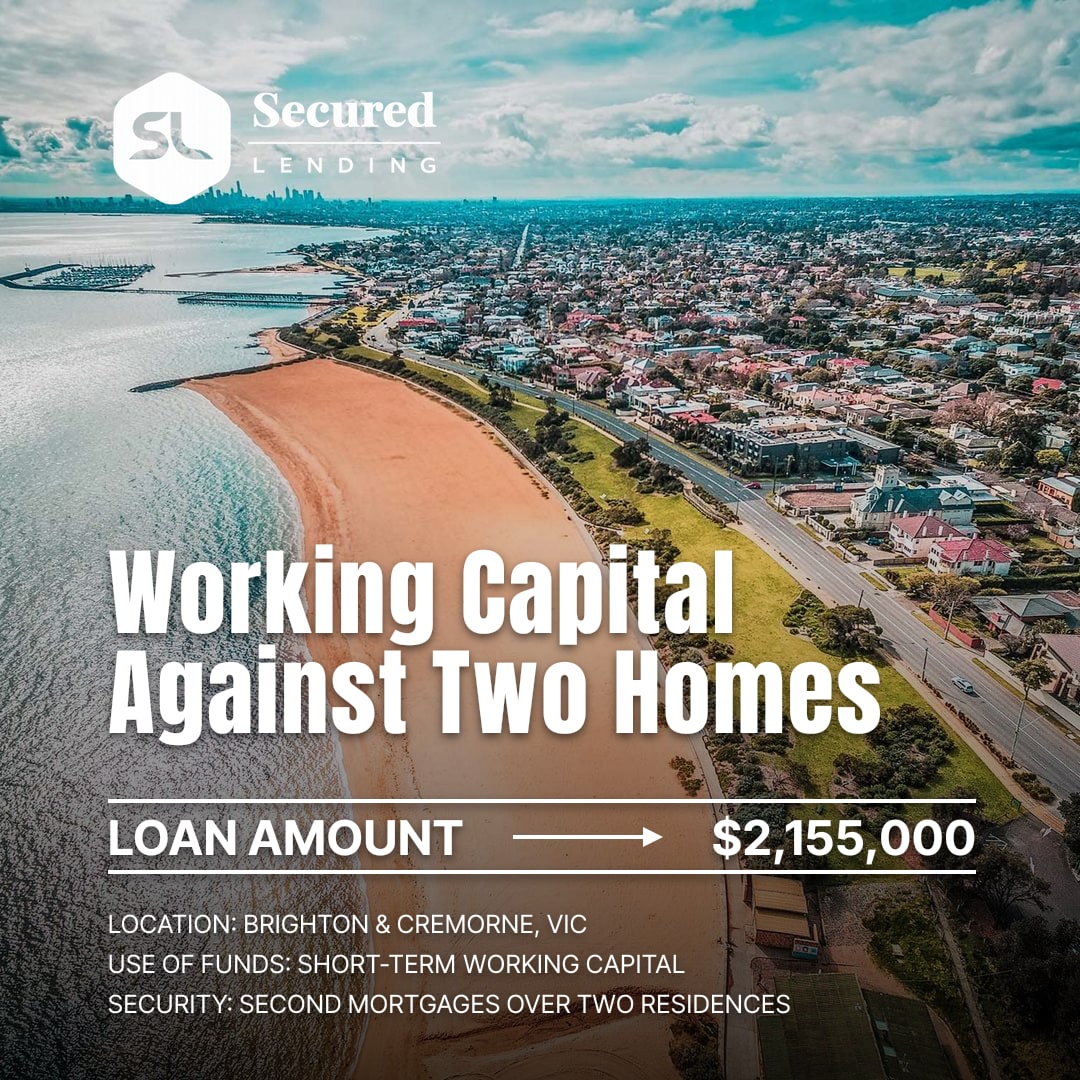
$2.155M Second Mortgage Working Capital Facility Across Brighton and Cremorne

$280K Second Mortgage for Short-Term Cash Flow in Kooyong

$545K Bridging Loan Across Three Suburbs in Melbourne's North-West

$400K Second Mortgage Repaid in Full After a Flexible Two-Month Extension
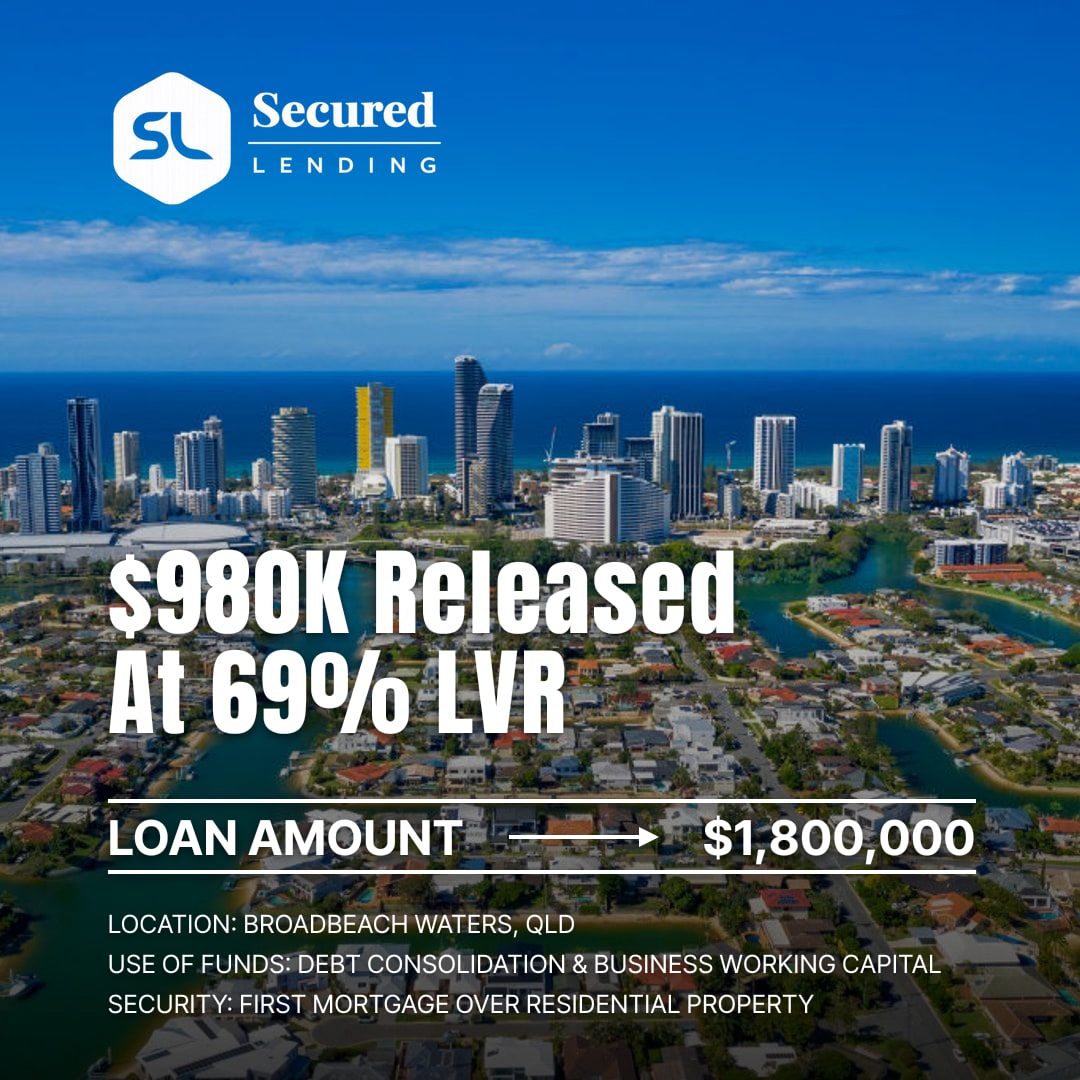
$1.8M First Mortgage Releases $980K of Working Capital for a Solar Business
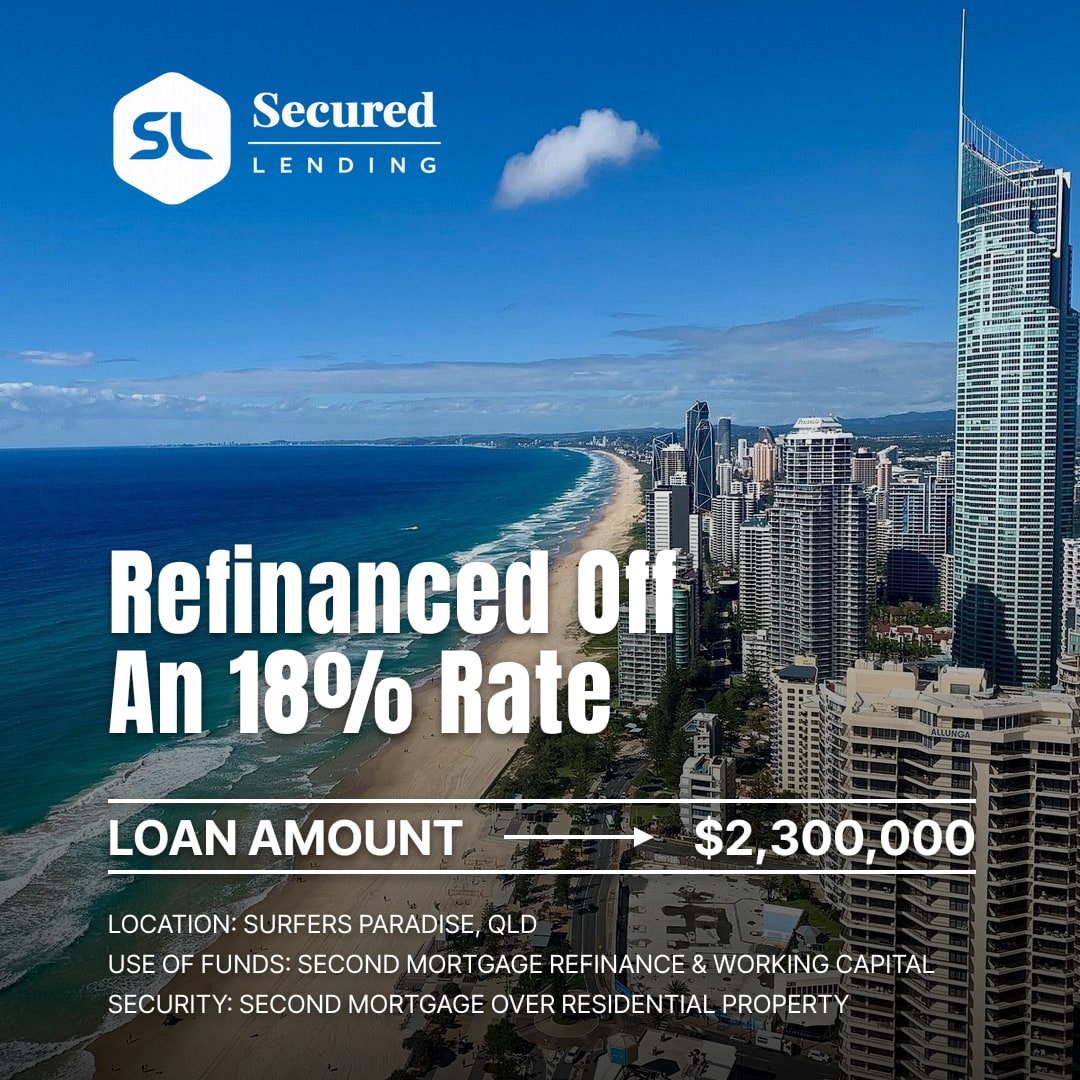
$2.3M Second Mortgage Refinances an 18% Facility for a Glass Manufacturer
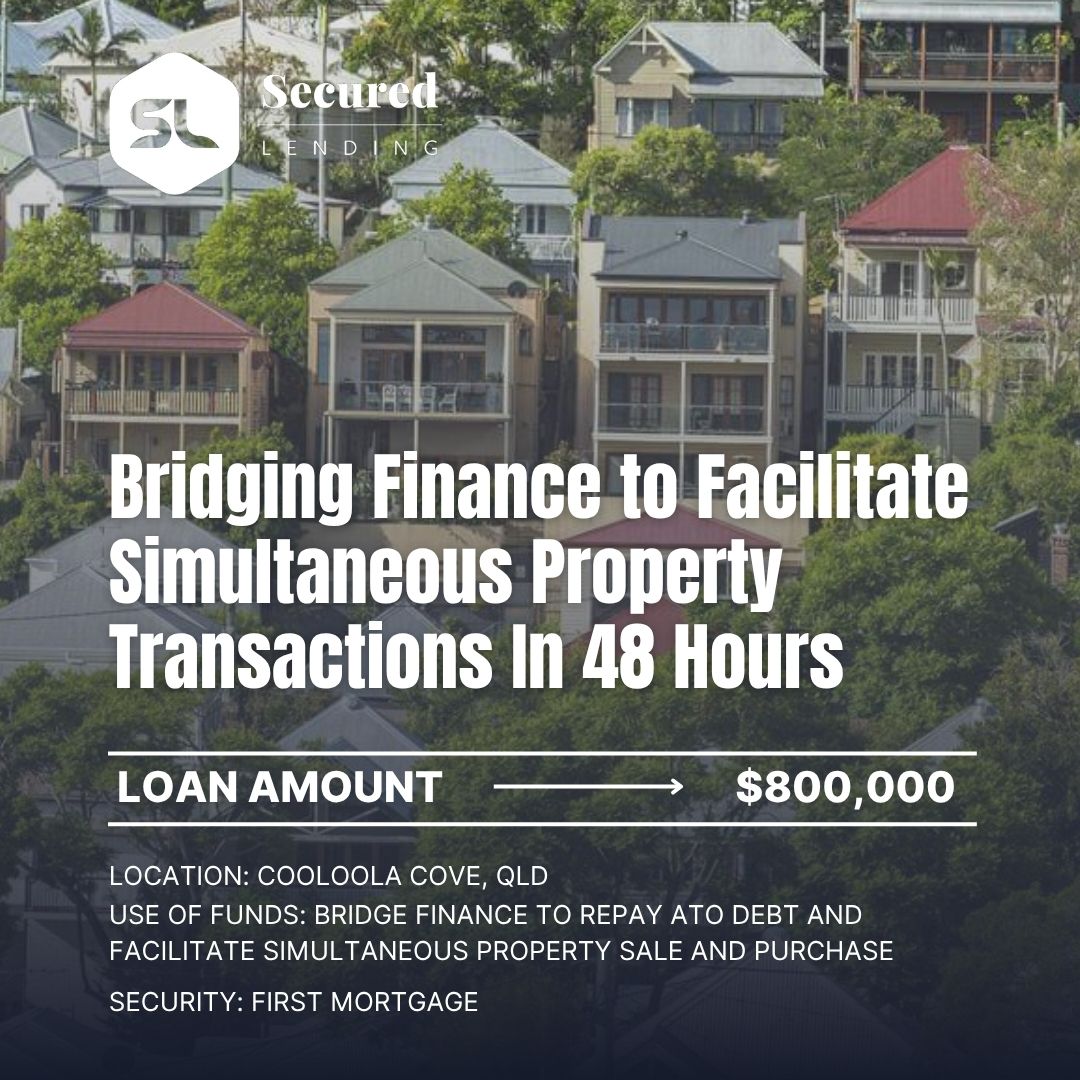
$800K Bridging Finance for Simultaneous Property Transactions in 48 Hours

$300K Second Mortgage for Dental Practice Working Capital in 5 Days
Many business owners consider a private lender when timing matters, when bank criteria feels rigid, or when a deal needs a practical approach to security, valuation, and exit. The right lending partner should understand your trading cycle, supplier payment timelines, and the time it takes to turn stock into cash.
Who inventory and stock finance is suited to
Inventory and Stock Finance can suit businesses that:
- •Need to pay suppliers quickly to secure pricing, discounts, or container allocations
- •Have lumpy purchasing cycles (wholesale, distribution, retail, import-based models)
- •Experience seasonal spikes that demand extra stock on hand
- •Are growing quickly and need working capital that scales with inventory purchases
- •Need short-term funding while transitioning to longer-term facilities
At Secured Lending, conversations often start with your stock profile, sales velocity, and the asset base available to support a secured facility. If you’re unsure whether you fit, we can outline requirements early so you don’t waste time gathering documents that won’t move the deal forward.
Why business owners use a non-bank private lender
Working with a non-bank private lender can be the difference between missing an opportunity and capturing it—especially when supplier payments, shipment arrivals, or urgent replenishment can’t wait. This is where non-bank business loans can offer a more responsive solution when timing is critical.
Faster decisions and funding timeframes
Bank processes can be slow, particularly when approvals require multiple layers. A non-bank private lender can be more responsive when time is critical.
Secured Lending loan details:
- •Funded over $500 million in loans
- •Uses our own funds for faster decisions
- •Internal property valuation team, enabling timeframes within 24 hours (where suitable)
- •Loan sizes from $250k to $10M
- •Rates from 9.7% p.a.
- •Short-term finance from 1 to 24 months
A more practical assessment of the full scenario
Inventory and Stock Finance is rarely just about the stock. A good private lender looks at the whole picture: trading performance, margins, customer concentration, supplier terms, and how the loan will be repaid.
Private lending can be particularly useful when:
- •You need speed and certainty
- •The transaction has a clear exit strategy
- •The security position is strong and enforceable
- •The timeframe is short and the opportunity is valuable
A secured lending approach that matches business reality
Inventory has value, but it can be difficult to value and realise if a lender ever needs to enforce. That’s why many private lenders prefer security they can rely on—often including property security where appropriate. This can support larger loan sizes and faster execution, while keeping the facility aligned to a clear exit.
What we typically look at for inventory and stock finance
Every deal is different, but an Inventory and Stock Finance assessment often considers:
- •Type of stock and how quickly it sells
- •Obsolescence risk and stock volatility
- •Purchase orders and supplier invoices
- •Sales history and gross margin
- •Stock reporting quality and inventory controls
- •Your proposed exit strategy (refinance, cash flow repayment, or another defined source)
- •Available security and overall loan-to-value positioning
If you’re not sure how your situation fits, we can help you understand what’s realistic before you invest time preparing a full submission.
How Secured Lending can help beyond inventory and stock finance
Secured Lending are specialist private lenders in secured business loans, private mortgages (including first mortgage and second mortgage solutions) and bridging loans. This matters because many Inventory and Stock Finance scenarios sit alongside broader funding needs, such as:
- •private bridging finance to cover a short gap while inventory converts to cash
- •A secured business loan to consolidate urgent liabilities
- •A private mortgage solution where property security supports the facility size and speed
A specialist lender can structure the finance to fit the timeline, security, and exit—rather than forcing your business into a one-size product.
Where we lend
We are a non-bank private lender servicing Sydney, Melbourne, Brisbane, Gold Coast, Perth, Adelaide, Canberra, and surrounding metro and regional areas.
What to expect when you speak with us
When you engage with Secured Lending, the goal is to quickly determine fit, feasibility, and timing. We focus on:
- •Your funding objective and timeframe
- •The stock cycle and what the funds will be used for
- •The security available and the likely valuation process
- •The exit plan and how repayment will occur within 1 to 24 months
Because we speak with borrowers every week, we can usually guide you early on what will strengthen your application, what information is essential, and what structure is most achievable for Inventory and Stock Finance.
Why business owners choose Secured Lending for inventory and stock finance
If you’re seeking a private lender, you likely care about speed, certainty, and a clear path to settlement. A non-bank private lender can provide:
- •Faster credit decisions when opportunities are time-sensitive
- •Short-term funding aligned to trading cycles
- •A secured approach that supports higher loan amounts where suitable
- •Practical guidance on requirements and next steps
Secured Lending can support Inventory and Stock Finance needs with short-term secured lending from $250k to $10M, rates from 9.7% p.a., and decisioning that can move quickly using our own funds and internal valuation capability within 24 hours (where suitable).
Private lending
If you need private business loans in Australia for inventory-backed working capital, the key is aligning the facility to your trading cycle, security position, and a defined, time-bound exit—so funding supports growth without creating longer-term strain.
Frequently asked questions
1) What types of inventory are usually easier to finance?
Inventory that is standardised, consistently in demand, and turns over predictably is generally easier to assess. Stock that becomes obsolete quickly, is highly seasonal without clear sales evidence, or is hard to verify typically requires a more conservative approach or stronger supporting security.
2) If my stock is arriving on the water, can it still be considered?
It can be, depending on the documents available and the broader security position. Supplier invoices, purchase orders, shipping documents, and the ability to verify what’s being purchased can all help support the assessment—particularly where timing is tight and the facility is structured around a short, clear exit.
3) How do you look at stock value if my inventory is constantly moving?
In fast-moving businesses, the focus is often on the quality of your reporting and controls—how accurately you track inventory, how frequently you reconcile, and whether sales history supports the turnover assumptions. The more consistent your stock reporting, the easier it is to assess the facility sensibly.
4) What if I need funds mainly to pay suppliers quickly—does that change the structure?
Supplier-driven funding often hinges on timing and proof of use of funds. Clear supplier invoices, payment deadlines, and a demonstrated margin between cost and sale price can strengthen the case. The facility can also be structured around the purchasing cycle so it fits how cash actually moves through the business.
5) Do I need property security, or can the stock be the main security?
Inventory can be difficult to value and realise in an enforcement scenario, so many private lending structures rely on stronger, more enforceable security—often property—where appropriate. Property security can also support larger loan sizes and faster execution, particularly when the exit strategy is clearly defined.
6) What makes an “exit strategy” acceptable for a 1 to 24 month facility?
An acceptable exit is one that’s specific and time-bound—such as refinance to a longer-term facility once certain conditions are met, repayment from a known cash flow event, or a planned sale or settlement. The key is demonstrating how repayment occurs within the agreed term, not just that sales are expected to improve.
7) Is the stock the security?
No. We take a mortgage over real property and nothing else. Stock, inventory and goods in a warehouse are not security we hold, which makes this fundamentally different to a stock financier or a debtor finance facility. What we do is release capital against property, and you use it to buy stock. If there is no property, this is not the right product.
8) Why use a property loan to buy stock at all?
Because of scale and speed. A one-off opportunity buy, a container held at the port, or a seasonal build-up ahead of a trading peak can need more money faster than a stock facility will provide. The trade-off is real: you are putting property behind a stock purchase, so the term must be short and the sell-through has to be genuine.