


If you are planning a commercial development, speed and certainty can matter as much as price. Council timeframes, builder availability, pre-sales targets, equity contributions, and changing valuation conditions can all put pressure on your project. When a bank process is too slow or too rigid, a non-bank private lender can be the difference between securing a site and losing it, or keeping a build moving and stalling mid-project. Contact us today.
Recent client success
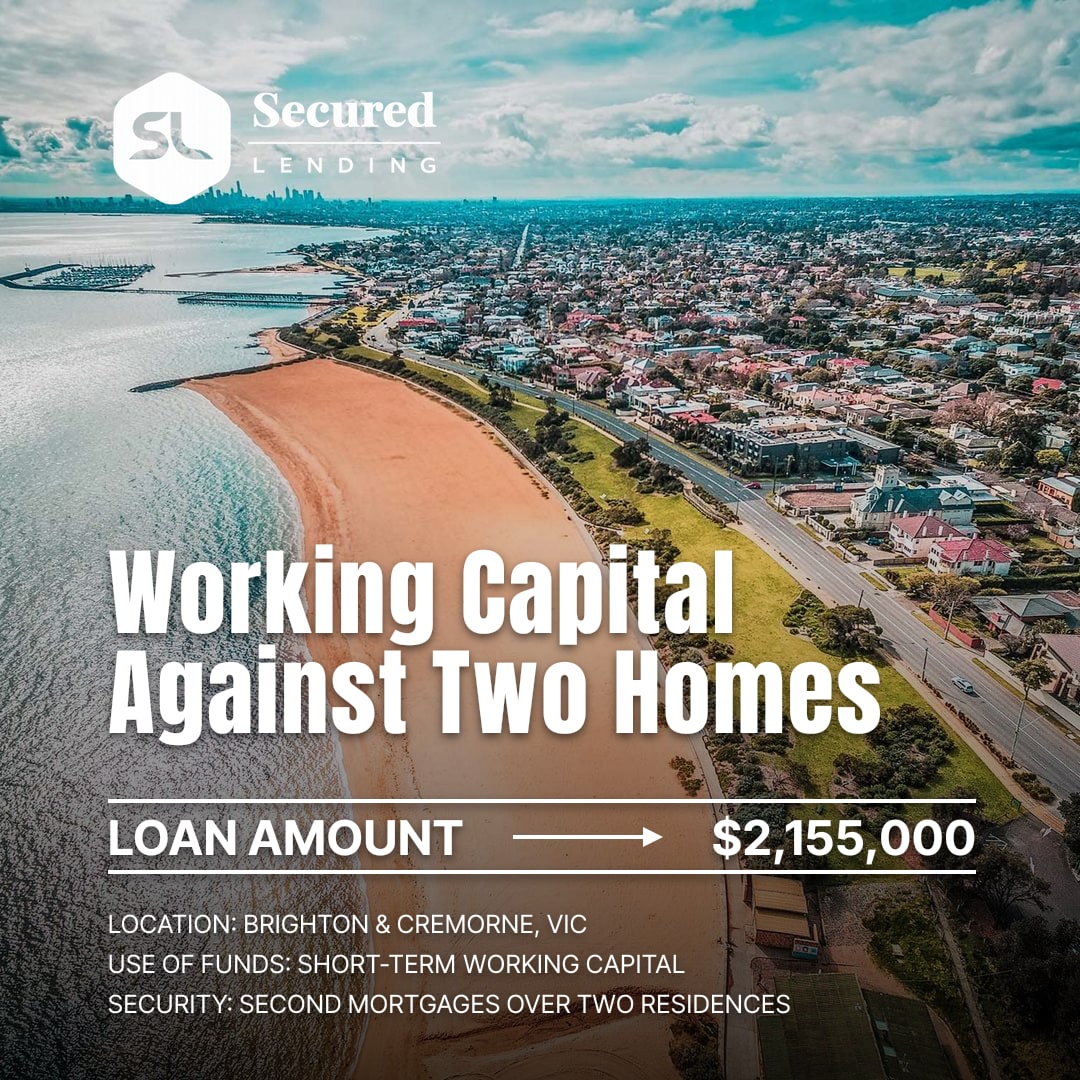
$2.155M Second Mortgage Working Capital Facility Across Brighton and Cremorne
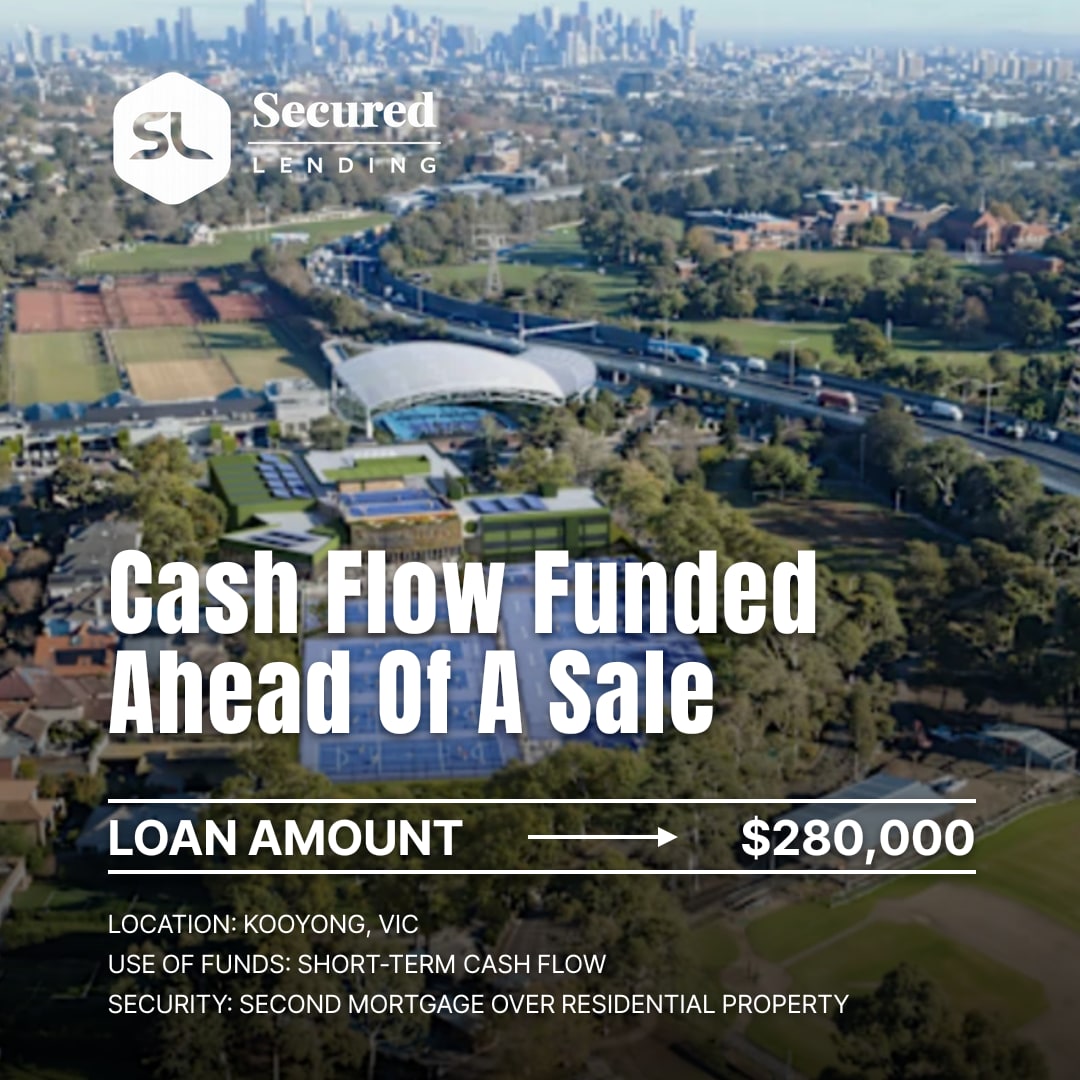
$280K Second Mortgage for Short-Term Cash Flow in Kooyong
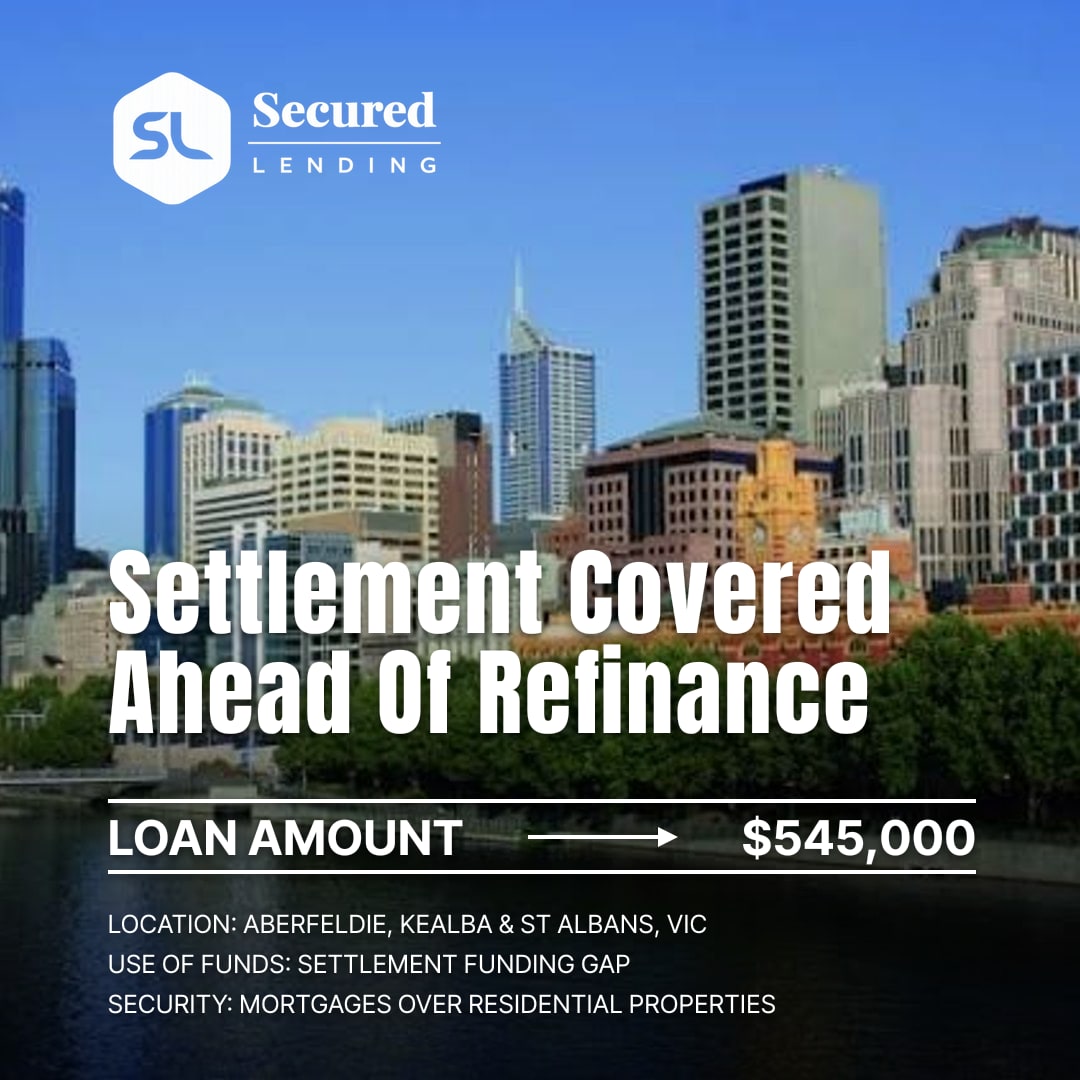
$545K Bridging Loan Across Three Suburbs in Melbourne's North-West
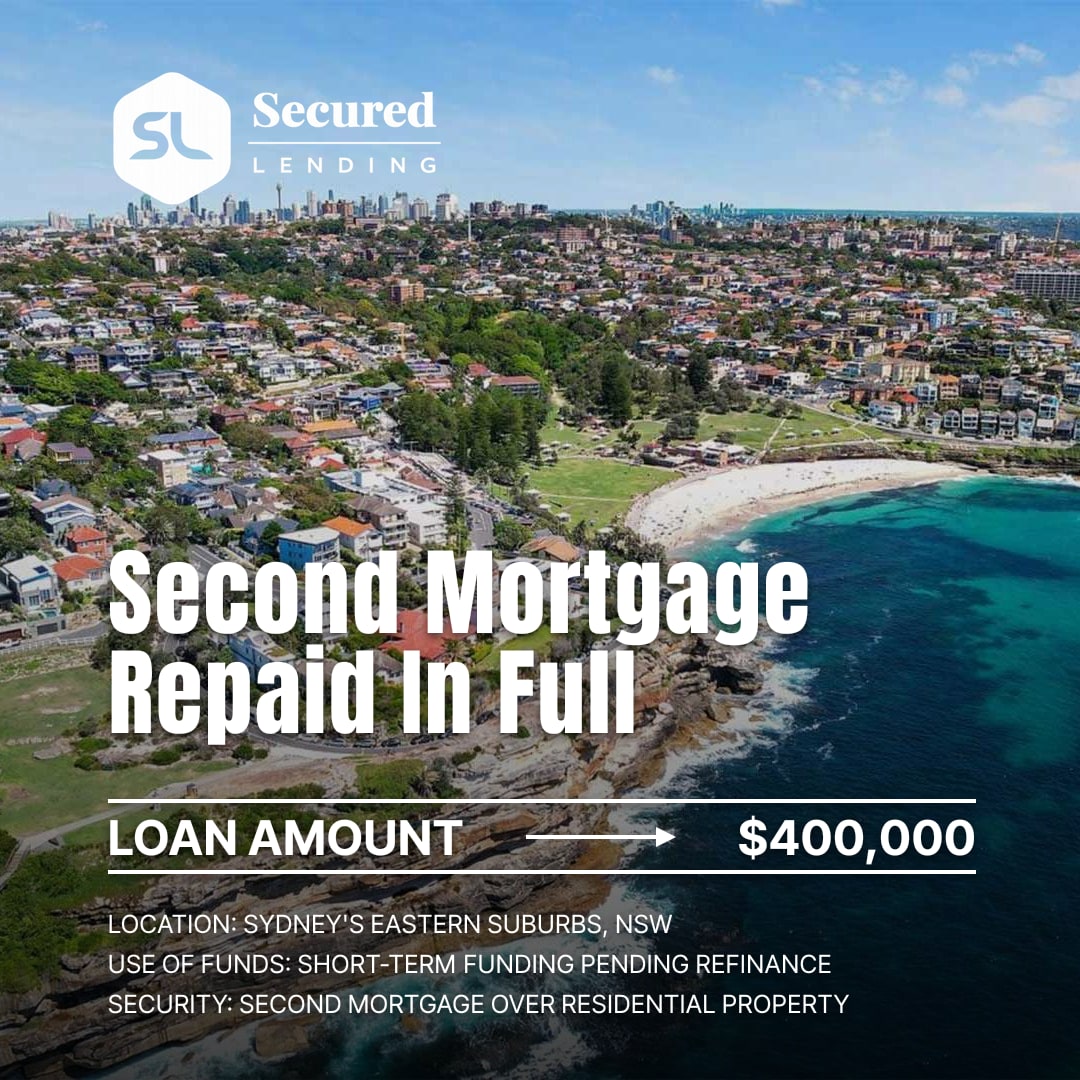
$400K Second Mortgage Repaid in Full After a Flexible Two-Month Extension
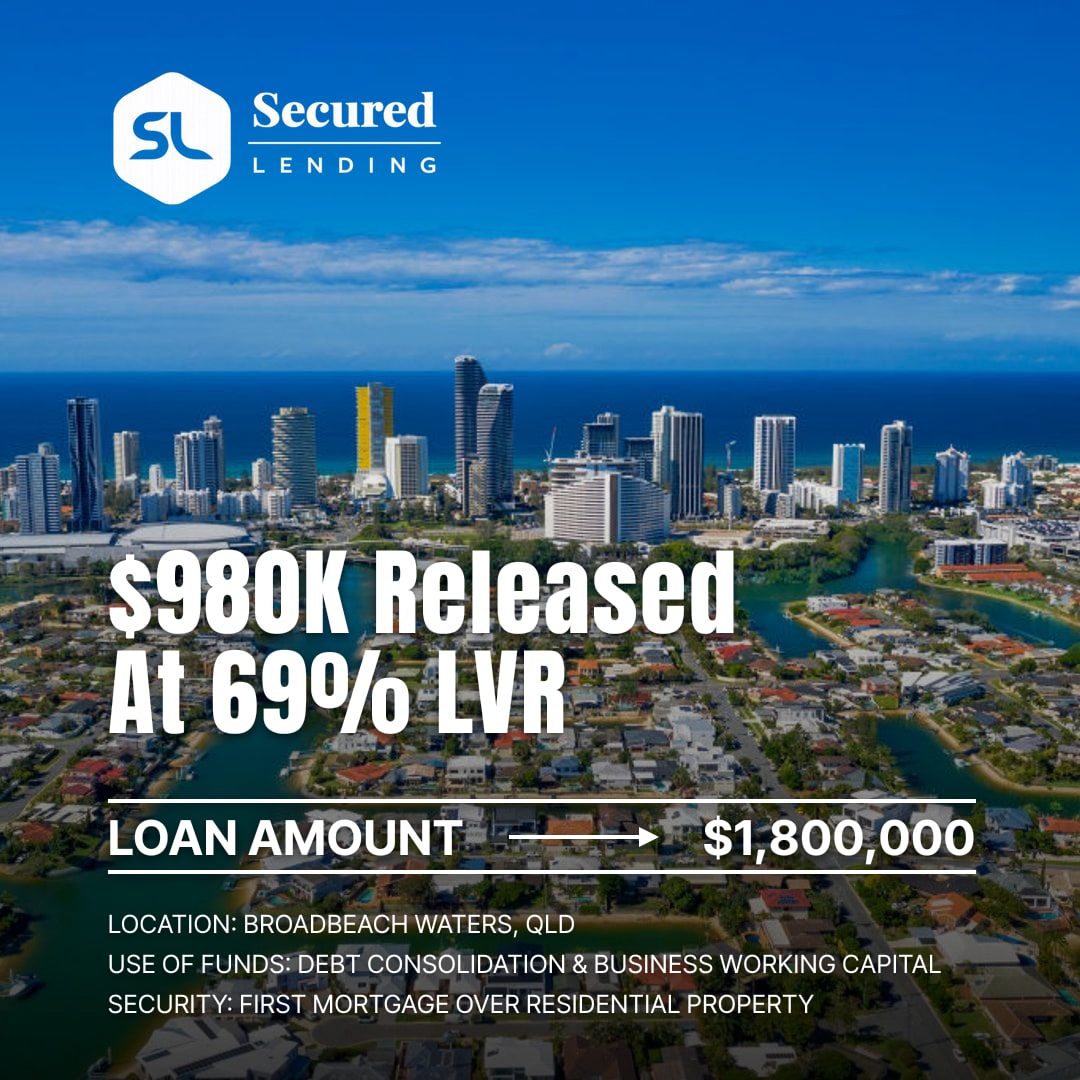
$1.8M First Mortgage Releases $980K of Working Capital for a Solar Business
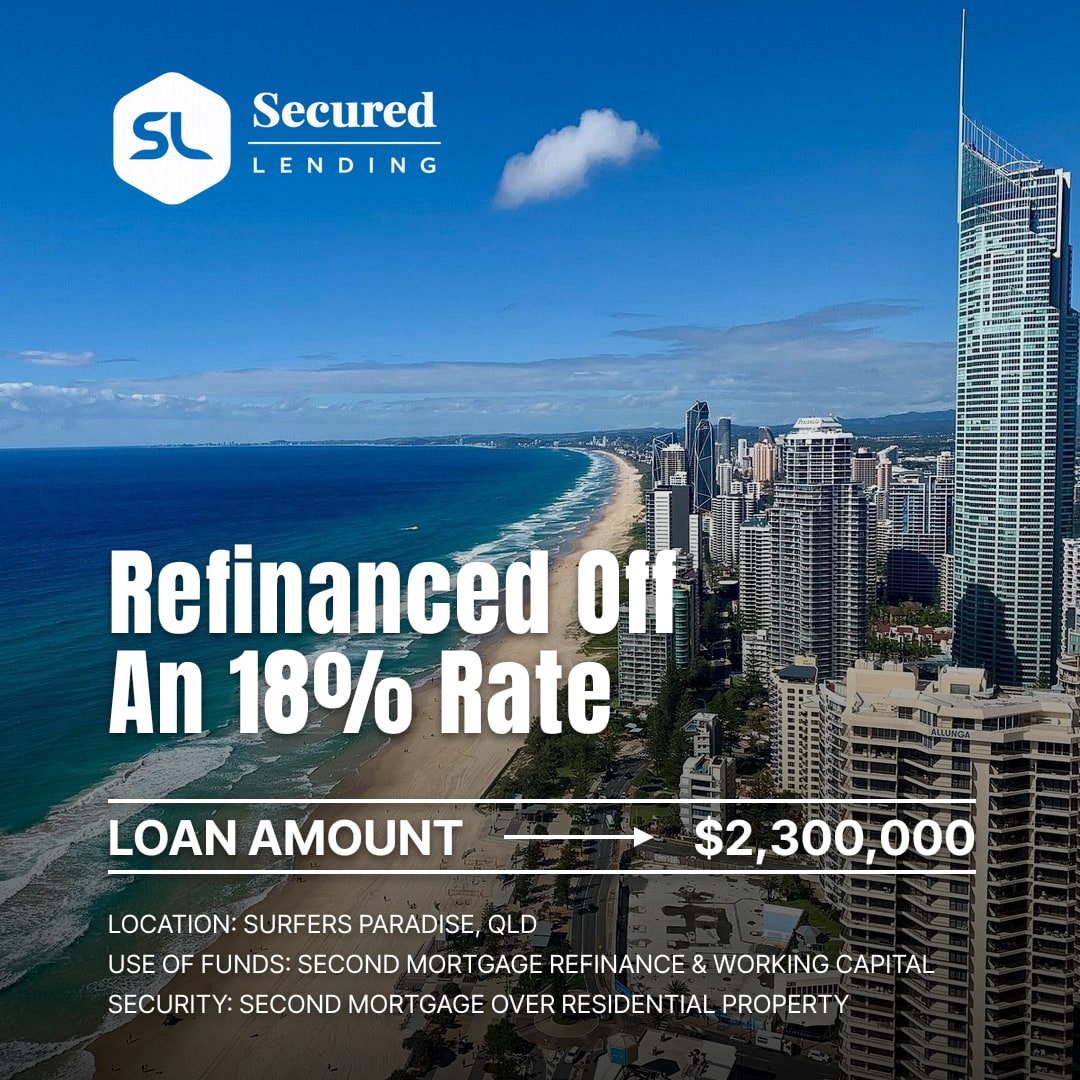
$2.3M Second Mortgage Refinances an 18% Facility for a Glass Manufacturer
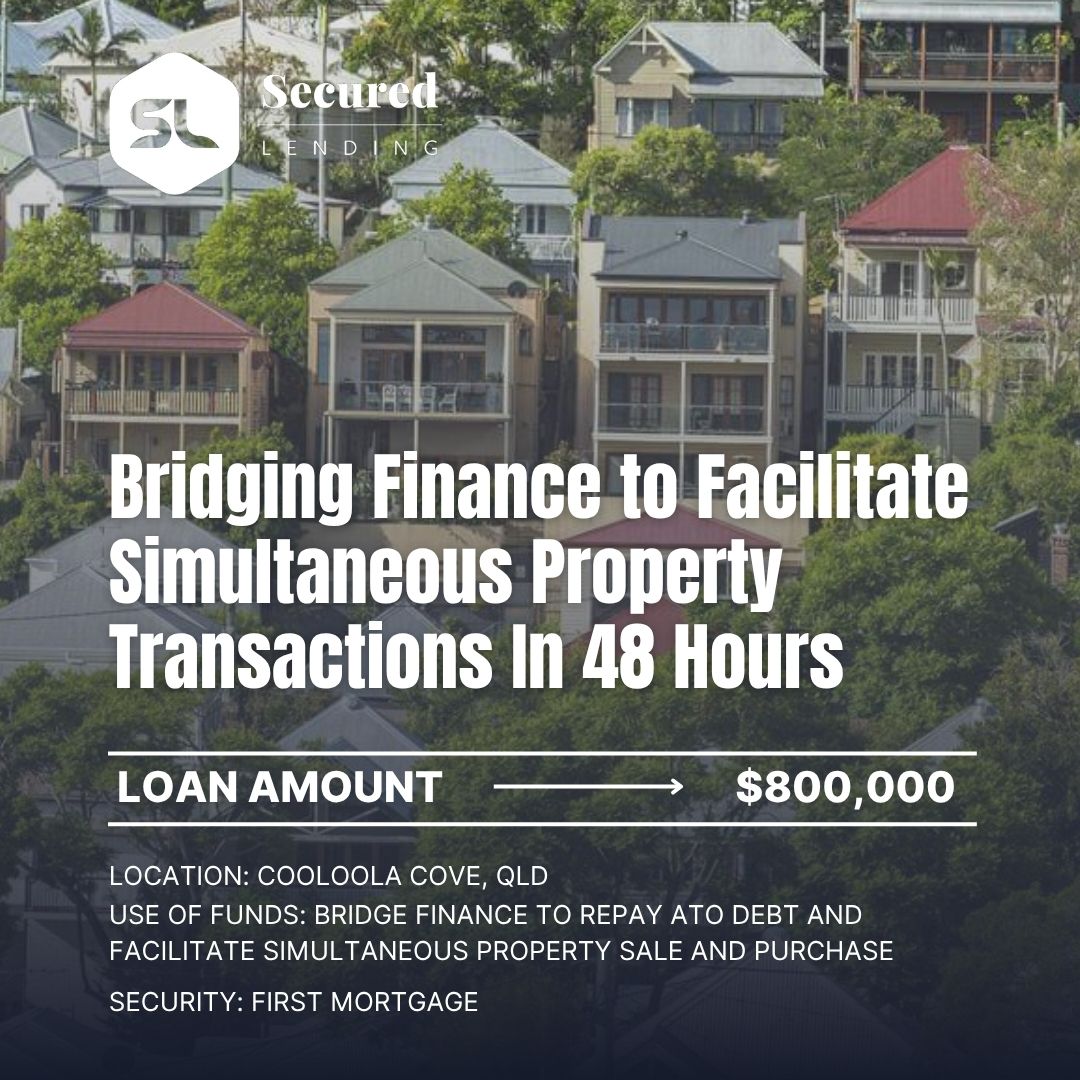
$800K Bridging Finance for Simultaneous Property Transactions in 48 Hours
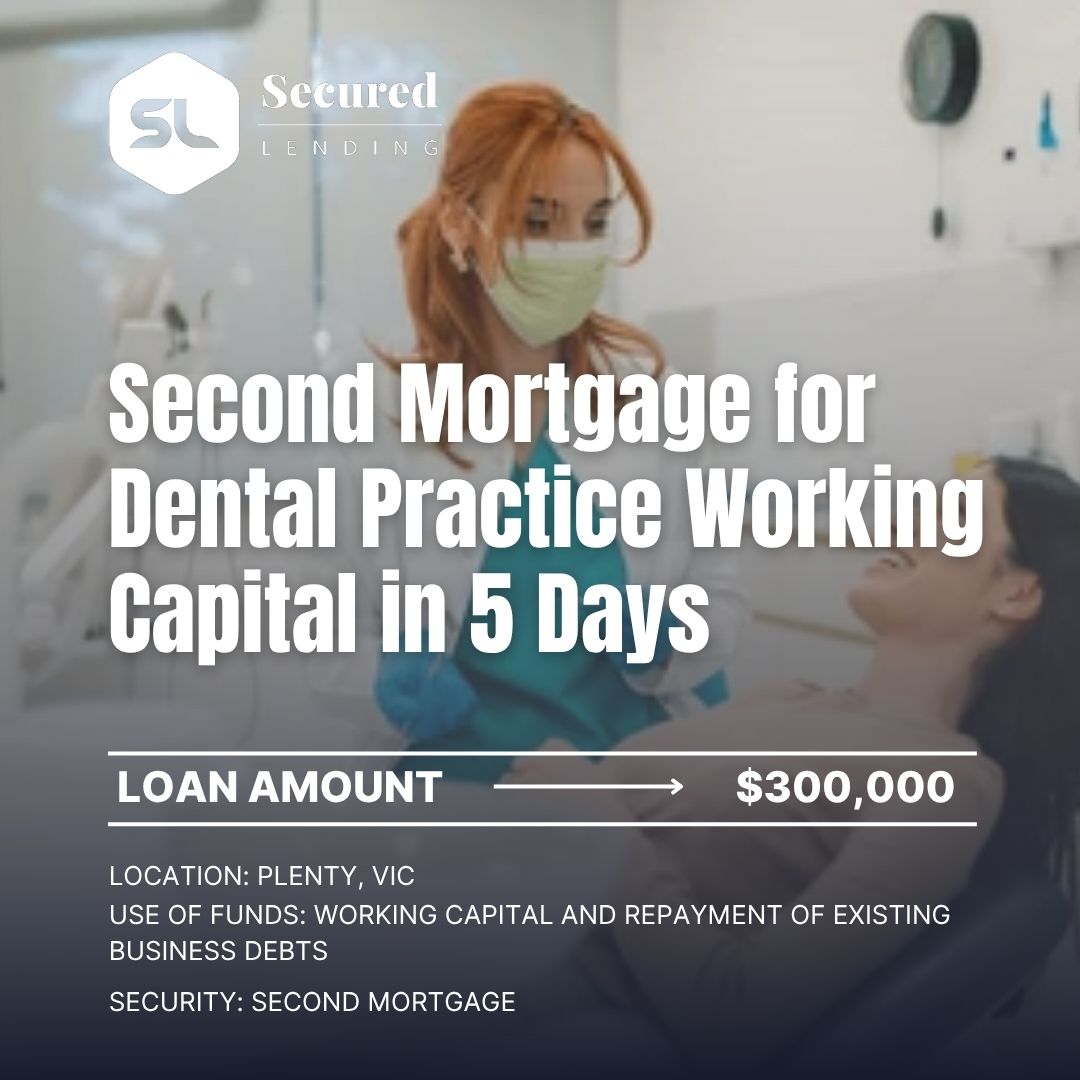
$300K Second Mortgage for Dental Practice Working Capital in 5 Days
Non-bank private lending for commercial development finance
Secured Lending provides commercial development finance for business owners and property developers who need responsive funding backed by real asset security. We speak with clients every week who require funding, and we’re happy to share guidance on what information to prepare, how we assess security, and how to structure a facility that fits your timeline.
We are specialist private lenders in secured business loan solutions, private mortgage funding (including first and second ranking security) and private bridging finance. That specialisation matters for development finance because it’s rarely a simple loan—it’s usually a staged, time-sensitive funding requirement tied to milestones and risk management.
Why borrowers choose a non-bank private lender for development funding
A non-bank private lender can be a strong fit when your project is solid but your timeline is tight, your scenario is non-standard, or you need a lender who can assess the full story rather than a narrow checklist.
Faster decisions when timing drives opportunity
When you need to move on a site, release equity, or align funding with a builder invoice schedule, decision speed becomes commercial leverage. Secured Lending uses our own funds for fast decisions and has an internal property valuation team, which helps us move quickly—often within 24 hours.
A flexible credit approach for complex scenarios
Commercial development finance often involves multiple entities, related-party structures, mixed-use assets, or changing exit pathways. Private lending can suit scenarios where bank policy doesn’t match the deal—even when the underlying security and strategy are strong. This is also why many borrowers compare us with non-bank business loans when they need a practical credit approach.
Short-term finance aligned to development timelines
Many developments need funding for a defined window rather than a long amortising term. We specialise in short-term finance from 1 to 24 months, which can suit acquisitions, early works, construction timing gaps, settlement windows, or refinance while you complete approvals or sales.
A focus on security, feasibility, and exit
Private development finance is typically assessed around asset security, a realistic project plan, credible costs, and a clear exit (sale, refinance, or retained income). This approach suits experienced business owners and developers who understand their numbers and want a lender who can act decisively when the fundamentals stack up.
Private lending options and how we structure facilities
As Australia’s fastest private lender, Secured Lending structures facilities around security, timing, and a clearly defined exit—so your funding is aligned to the realities of milestones, progress payments, and approvals.
Depending on the security and the funding purpose, we can support a first mortgage or a second mortgage position, as well as other secured structures designed to fit the stage of your project and the wider capital stack.
What Secured Lending can provide
Secured Lending provides private lending solutions designed for commercial property and business borrowers who value certainty, responsiveness, and a practical view of risk.
Loan details
- •Loans from $250k to $10M
- •Rates from 9.7% p.a.
- •Short-term finance of 1 to 24 months
- •Over $500 million funded
- •We use our own funds for fast decisions and have an internal property valuation team which allows us to move fast within 24 hours
When commercial development finance may be suitable
Business owners and developers commonly seek commercial development finance for scenarios such as:
- •Site acquisition funding ahead of development
- •Early works and mobilisation costs
- •Cash flow timing gaps during construction
- •Bridging a refinance, settlement, or sale period
- •Re-capitalising a project to complete works or stabilise the asset
- •Second ranking funding where there is available equity and a clear exit strategy
A helpful way to approach this is to ensure your funding request ties back to a clear plan and timeline—with sensible contingency in both budget and time.
What we typically need to assess a request (and why it matters)
If speed is important, having the core information ready helps us assess quickly and coordinate valuation efficiently. Commercial development finance commonly involves:
- •Property address and current ownership details
- •Security type and position requested (first ranking or second ranking)
- •Loan amount, term, and purpose of funds
- •Project overview, feasibility, and costings
- •Builder details and contract status (if applicable)
- •Approvals status and development pathway
- •Exit strategy (sale, refinance, or hold)
- •Your experience and business context, including current commitments
Providing complete information upfront supports a faster internal review and reduces avoidable back-and-forth during the time-sensitive stages of your project.
Servicing across Australia (metro and regional)
Secured Lending is a non-bank private lender servicing Sydney, Melbourne, Brisbane, Gold Coast, Perth, Adelaide, Canberra and surrounding metro and regional areas. If your project is outside a major CBD, location still matters—but strong assets and a clear exit can be assessed on merit.
A practical way to think about fit
Commercial development finance can be the right fit when you need speed, flexibility, and a lender who can make decisions internally—particularly when a bank process may not match your timeframe, your structure, or the stage of your project.
If you’re looking for a private lender for commercial development finance, Secured Lending can provide guidance on suitability, likely structure, and what to prepare so you can move forward with confidence and clarity.
Frequently asked questions
1) What does “staged funding” look like in a development facility?
Staged funding usually means the facility is drawn in line with milestones—such as acquisition, early works, or progress claims—rather than receiving the full loan amount on day one. This keeps the funding aligned to project movement and helps manage risk while the development progresses.
2) If my approvals aren’t final yet, can I still be considered?
In many cases, yes—depending on what stage you’re at and what the funds are needed for (for example, acquisition, holding costs, early works, or bridging). The key is whether there’s a credible development pathway, realistic timing, and a clear exit strategy that still works if approvals take longer than expected.
3) How do you look at the exit strategy if presales are slower than planned?
We’ll focus on whether the exit is resilient. That might mean the ability to refinance on completion, a sales strategy that includes realistic time-on-market assumptions, or the option to hold with retained income. A strong request shows multiple workable exit pathways, not just one perfect-case outcome.
4) What’s the difference between a first mortgage and a second mortgage for a development?
A first ranking security sits in first priority on title, while a second ranking security is behind an existing lender. Second ranking funding can make sense when there is available equity and a clear exit, such as a refinance or sale, but it needs careful structuring so the overall debt remains manageable across the project timeline.
5) What information makes the biggest difference to getting a quick decision?
The fastest assessments usually happen when you can provide: the property address, the amount and purpose of funds, your preferred term, your security position request (first/second), a concise project overview with costings, and a clear exit strategy. If there’s a builder involved, having the contract status and expected progress claim schedule also helps.
6) How should I think about valuation risk during the project?
Valuation conditions can shift during a build—especially if construction costs rise, market demand changes, or the asset type becomes less favoured. It helps to structure the facility with sensible contingency and a timeline that can absorb delays, and to ensure your exit strategy still works under conservative assumptions rather than relying on best-case pricing.
7) Do you fund construction in stages or as a single advance?
Our facilities are short-term and property-secured rather than a staged construction product with progress draws and a quantity surveyor on every claim. Where we fit best is the land purchase, the pre-construction window, a funding gap mid-project, or the exit once the build is complete. If you need a full drawdown construction facility, that is a different lender and we will say so.
8) What is the most common reason a bank declines a commercial development?
Pre-commitment. Banks want a set percentage of the building leased or sold before they will fund, which is no help on a speculative build at the moment you need the money. We assess the land and the exit at up to 70% LVR, which is why files that fail a pre-commitment test can still work here.