



Running a holiday home can be highly profitable, but it’s also capital intensive. You might need funding to buy, refinance, renovate, furnish, complete a build, or settle quickly on a time-sensitive purchase. When a bank is moving slowly, applying strict servicing rules, or hesitating because your plan is short term, private lending can be a practical option—especially when the property is the key security and certainty matters. Contact us today.
Recent client success
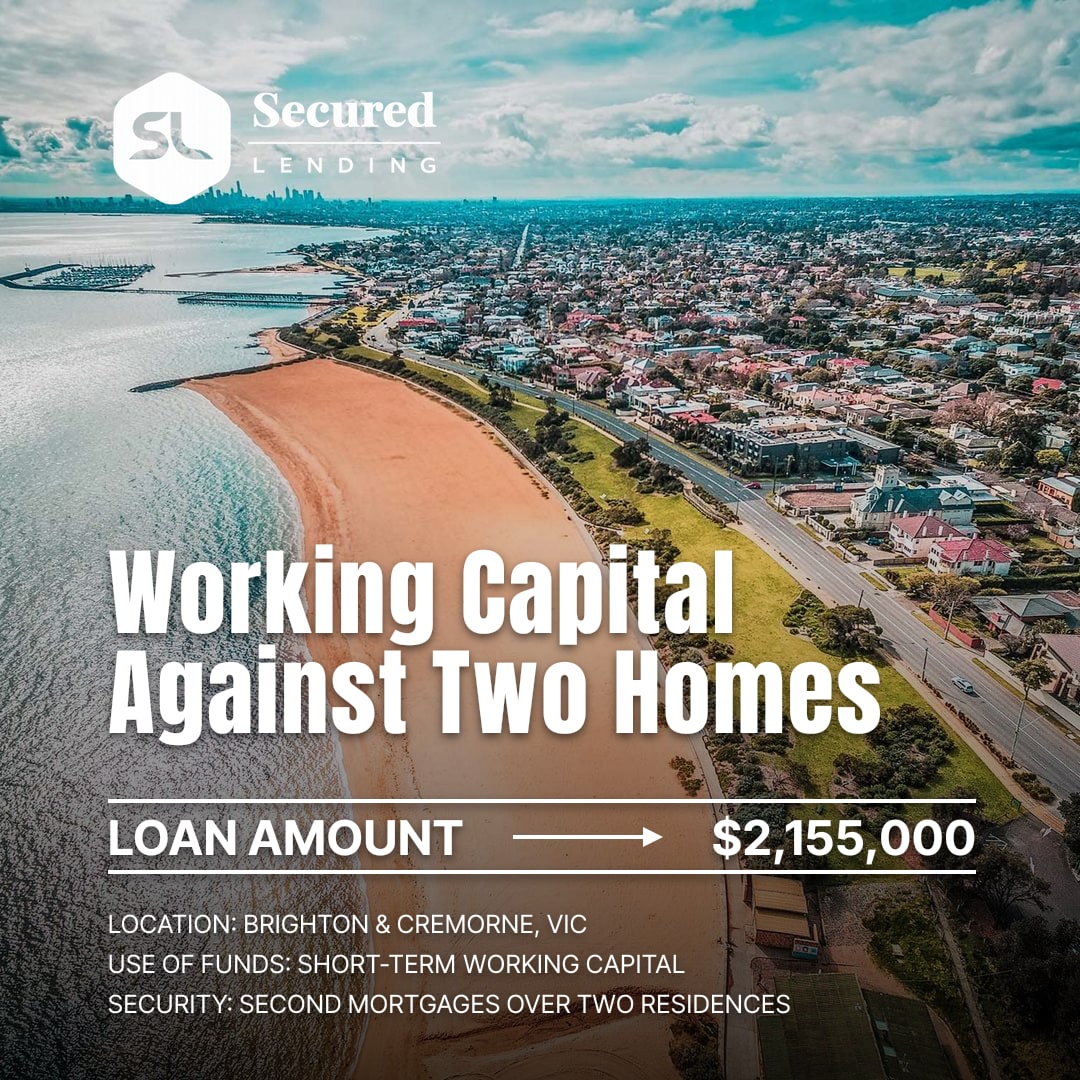
$2.155M Second Mortgage Working Capital Facility Across Brighton and Cremorne

$280K Second Mortgage for Short-Term Cash Flow in Kooyong

$545K Bridging Loan Across Three Suburbs in Melbourne's North-West
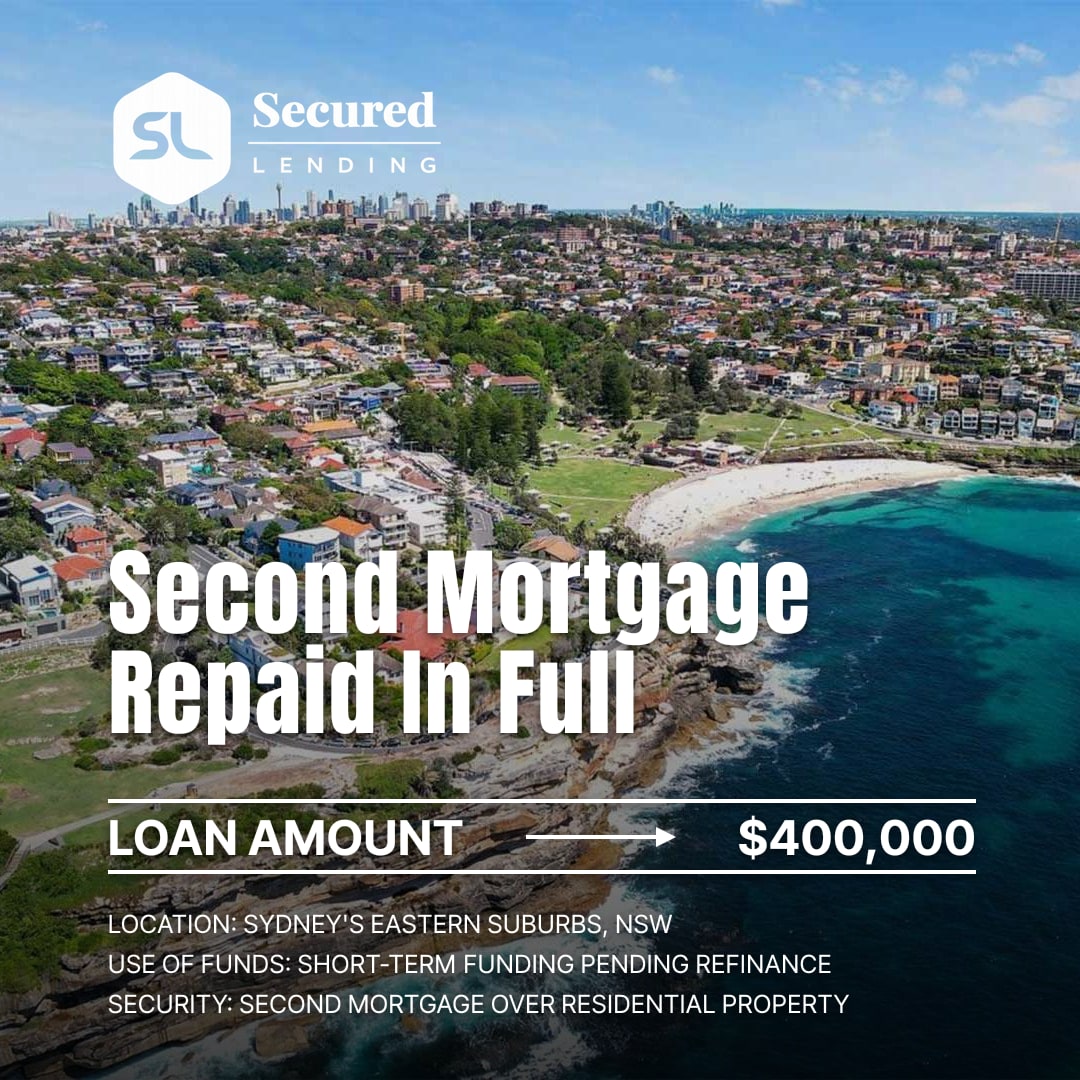
$400K Second Mortgage Repaid in Full After a Flexible Two-Month Extension
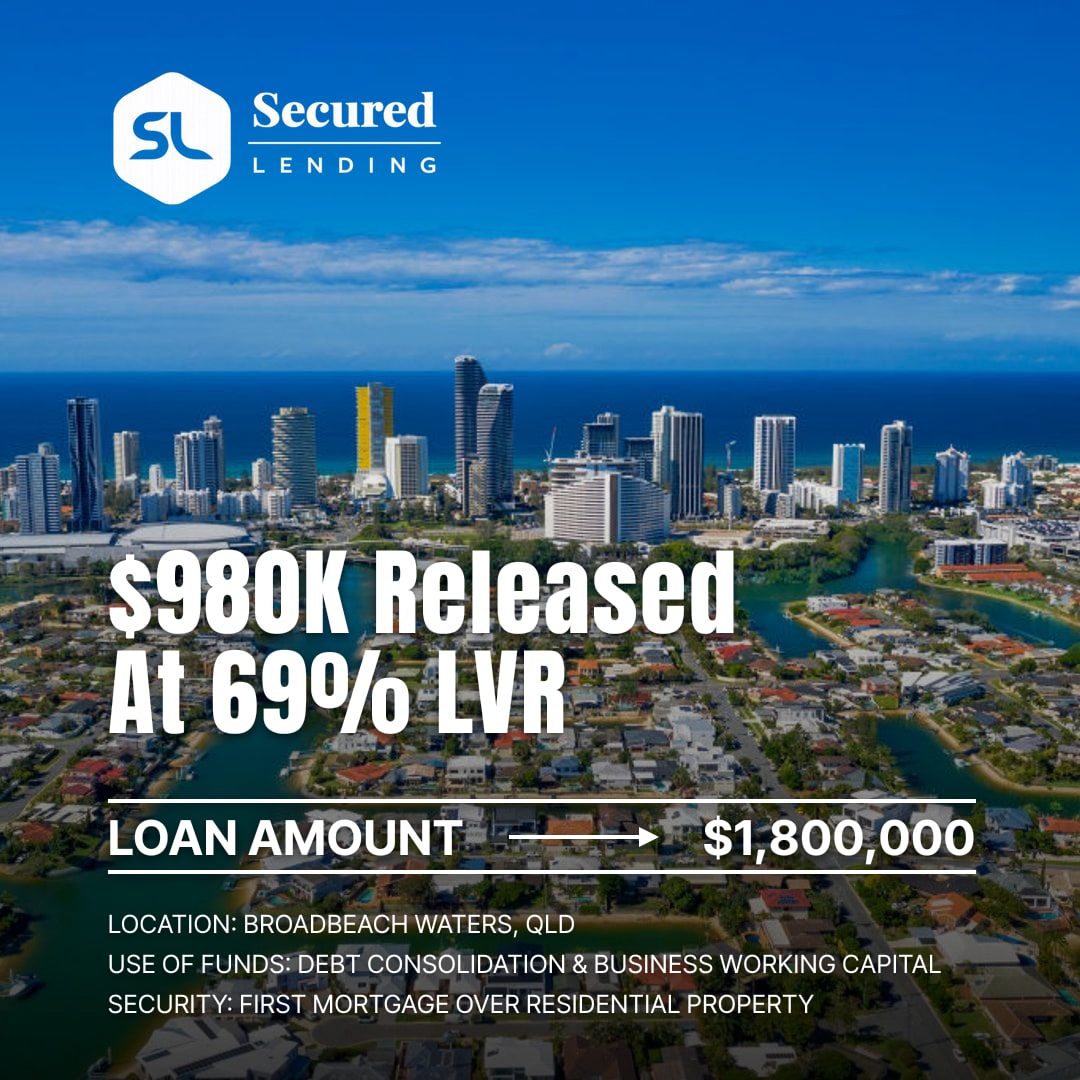
$1.8M First Mortgage Releases $980K of Working Capital for a Solar Business
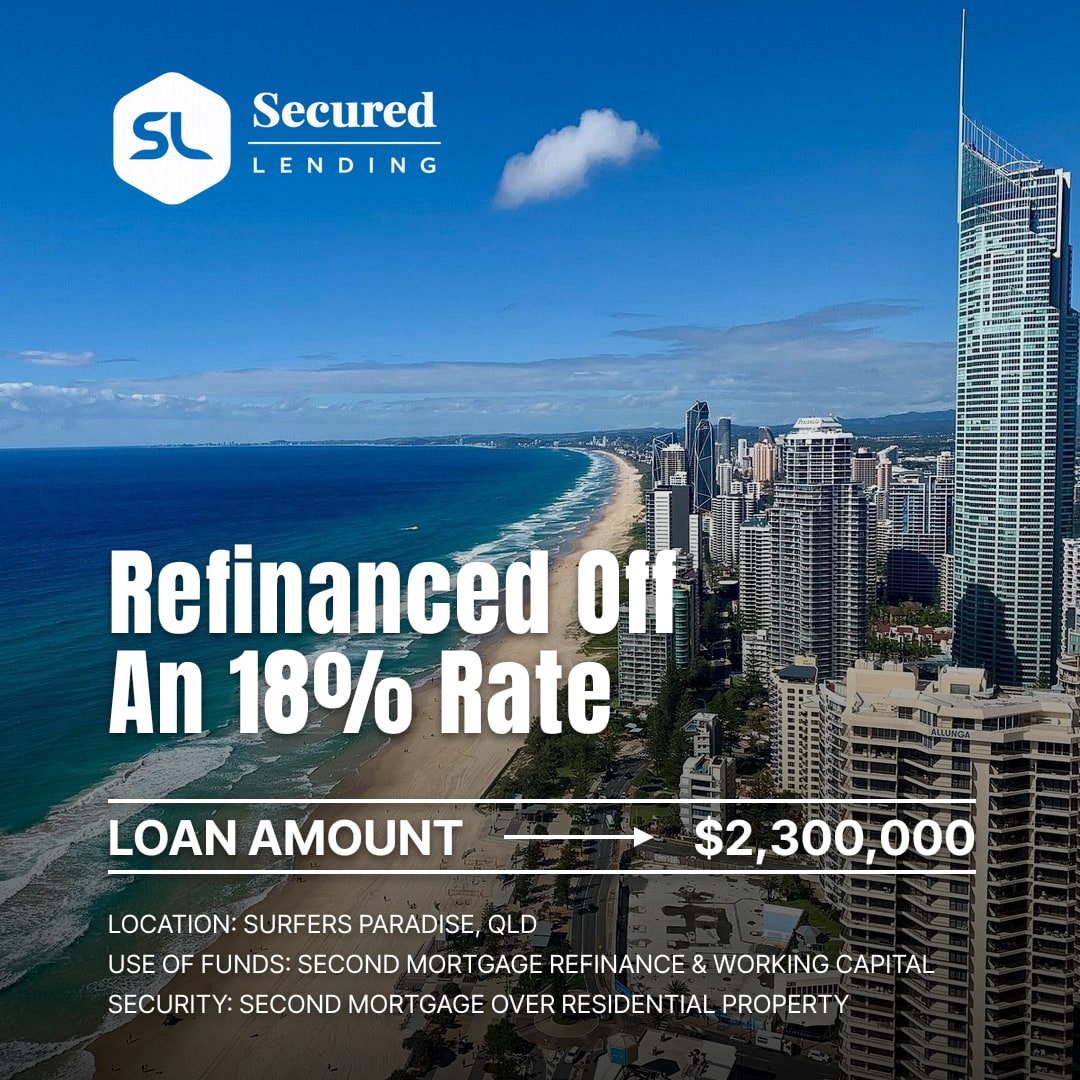
$2.3M Second Mortgage Refinances an 18% Facility for a Glass Manufacturer
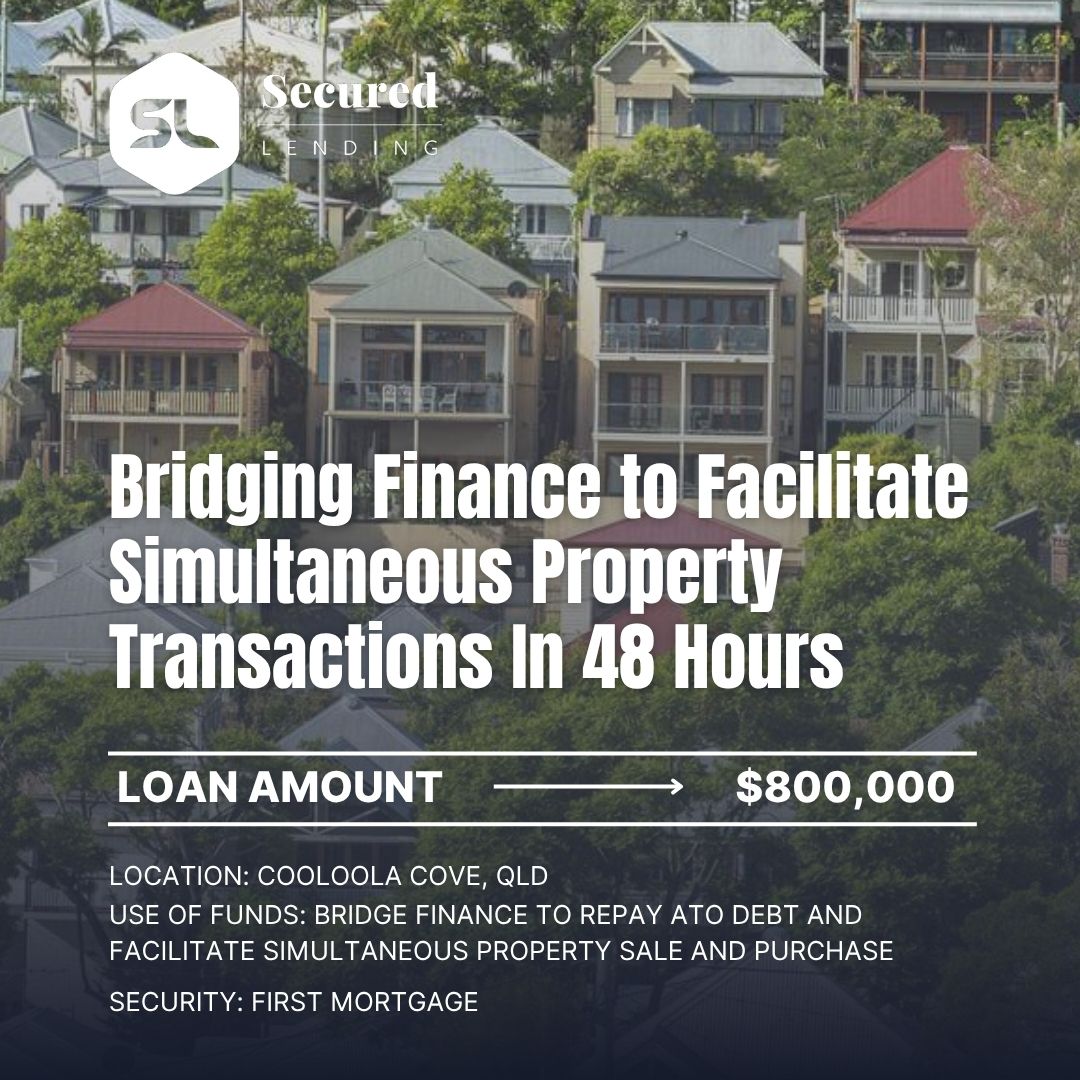
$800K Bridging Finance for Simultaneous Property Transactions in 48 Hours

$300K Second Mortgage for Dental Practice Working Capital in 5 Days
Holiday home finance: fast, security-led funding when timing matters
At Secured Lending, we speak with borrowers every week who need finance quickly and want a clear view of what’s realistic. Below is a straightforward guide to how Holiday Home Finance typically works, why borrowers use it, and what helps a deal move fast.
Why holiday home borrowers come to us
Holiday home finance is often needed in moments where delays cost money or opportunities disappear. Borrowers commonly reach out when they need:
- •Fast settlement to secure a purchase or negotiate a better price
- •Short term funding while preparing a property for stronger rental yield
- •Capital for renovations, furnishing, fit out, or compliance upgrades
- •A refinance to consolidate debt or exit higher cost funding
- •A bridging solution between sale and purchase
- •Funding a bank won’t support due to policy, timeline, or documentation gaps
If your strategy is time bound, a lender that can assess the property and your exit plan quickly can be the difference between securing the asset and missing the opportunity.
A non-bank private lender approach (and why it fits holiday homes)
Working with a non-bank private lender can suit business owners and property investors who value speed, certainty, and clear decisioning.
Faster decisions and timeframes
We use our own funds for fast decisions and have an internal property valuation team, which allows us to move fast within 24 hours where appropriate.
Short term focus that matches the strategy
We specialise in short term finance of 1 to 24 months. That aligns well with common holiday home scenarios—renovations, stabilising bookings, completing works, or transitioning to long term finance after improving income and asset position.
Security-led lending that can be more flexible than bank policy
Private lending can work well when you have strong property security but don’t fit a standard bank box—self-employed income, complex structures, or situations where timing and certainty matter more than the lowest advertised rate. Many borrowers also compare options across non-bank business loans when bank policy doesn’t match their timeline.
Loan ranges suited to meaningful projects
We offer loans from $250k to $10M, supporting anything from a single holiday home purchase through to larger property-backed business needs.
Execution matters when the timeline is tight
We have funded over $500 million in loans. That experience is valuable when you need a lender that can progress a deal efficiently, communicate clearly, and keep momentum through to settlement.
Loan features and typical fit
Secured Lending provides private lending solutions that can support Holiday Home Finance when the plan is clear and the security is suitable.
- •Loan size: $250k to $10M
- •Rates: from 9.7% p.a.
- •Loan term: 1 to 24 months
- •Speed: internal valuation team; we can move within 24 hours where appropriate
These facilities are commonly used for purchase, refinance, bridging, renovations, and time-sensitive settlements—particularly where the borrower needs certainty and a practical pathway to an exit.
Common holiday home scenarios we see
Holiday home lending often sits between residential-style security and business-style decisioning. A few typical use cases include:
- •Buying quickly, then improving the property: settle fast, then renovate/furnish to lift nightly rate and occupancy.
- •Renovations and compliance upgrades: works that directly support better reviews, higher ADR, or council/insurer requirements.
- •Bridging between transactions: purchase before sale (or settle while a sale is underway) to secure a property in a tight market.
- •Refinancing to reset the plan: consolidate liabilities, exit expensive funding, or buy time to execute an uplift strategy.
- •Completing a build or fit-out: funding to reach completion so the property can be rented or refinanced on stronger terms.
What we typically look for (and what helps you move faster)
To move quickly, it helps to be ready with a few fundamentals. We’ll guide you on what’s relevant, but generally we look for:
- •Property details and location, including any existing lease or holiday letting setup
- •Loan purpose and timeline, including settlement dates and works schedule if renovating
- •Exit strategy, such as sale, refinance, or cash flow stabilisation
- •Existing liabilities secured against the property and any other related securities
- •Borrower structure, whether company, trust, or individual
If your strategy relies on value uplift, we’ll want to understand the renovation plan, budget, and the intended end outcome—and how that completed position supports either resale or refinance.
Private lending (and what “security-led” really means)
When the primary focus is the strength of the asset and a credible exit, a private lender may be able to provide clearer, faster decisioning than lenders bound by rigid policy—particularly for short-term strategies tied to a defined project timeline.
Our secured finance expertise (why it matters for holiday home borrowers)
We are specialist private lenders in secured business loans, private mortgages (including first and second mortgages), and bridging loans. Holiday home funding often needs that broader secured lending experience because the asset can behave like a residence, an investment property, and a business income stream all at once.
Depending on your structure and objective, your facility may be positioned as a secured business loan secured by real property, or a property facility such as a first mortgage (where we’re the primary lender) or a second mortgage (where there is an existing first mortgage in place).
In some scenarios, a private mortgage structure can be a practical fit when the priority is certainty of funding against suitable security with a defined exit pathway.
Where timing between sale and purchase is the main pressure point, private bridging finance may provide the short-term solution needed to execute the transaction while you complete the next step of the plan.
Where we lend
We service Sydney, Melbourne, Brisbane, Gold Coast, Perth, Adelaide, Canberra, and surrounding metro and regional areas. If your holiday home is in a major city market, a coastal location, or a regional hub, we can discuss suitability and timeframes.
Next steps
If you’re exploring Holiday Home Finance and want a clear view of what’s possible, Secured Lending can provide guidance on requirements, likely timeframes, and the most suitable private lending structure. We regularly speak with borrowers where timing is critical, and we focus on giving direct, practical feedback so you can move forward with a plan.
Frequently asked questions
1) If my holiday home income is seasonal or still “unproven,” will that be a problem?
Not necessarily. Many holiday home projects involve improving income over time (renovations, furnishing, listings, marketing, management changes). What matters is the overall strength of the security and having a credible plan for the next 6–24 months, including a clear exit strategy.
2) How do you look at renovations—do you fund the purchase price, the works, or both?
Facilities are often used to cover the purchase and/or provide capital for works, depending on the scenario and the security. If renovations are part of the plan, being ready with a scope of works, budget, and timeline helps the assessment move faster.
3) What counts as a strong “exit strategy” for holiday home finance?
Typically: a refinance once works are complete and income is stabilised, or a sale after value uplift, or another verified source of funds. The best exits are time-bound and supported by realistic assumptions (not just “we’ll refinance later”).
4) I need to settle quickly—what slows a deal down most often?
The biggest delays usually come from missing basics: unclear loan purpose, no works schedule, incomplete property information, or uncertainty around existing debts secured against the property. When those elements are ready, the process can move much faster.
5) Can you help if the property is held (or will be bought) in a company or trust?
Yes. Holiday homes are often purchased through companies or trusts for asset structuring reasons. We’ll look at the borrower structure as part of the assessment and focus on the security and the plan.
6) If i’m planning to refinance to a bank later, how should I set the project up now?
Design the timeline backwards from your intended refinance date: finish works early enough to allow for listing performance, evidence of income, and any valuation timing. Having clean documentation (works invoices, before/after evidence, and a consistent letting strategy) can make the transition to longer-term funding smoother.
7) Is a holiday home a business or investment purpose?
Only if it genuinely is one. A property bought to let out, whether short-stay or seasonal, is an investment purpose and we can lend. A holiday house bought for the family to use is consumer lending and we cannot, regardless of how it is titled. We test the substance of the purpose, not the label on it, and we will tell you plainly if it does not fit.
8) Regional valuations came back lower than expected. What now?
Our valuers set the number and the LVR is calculated from it, so a lower valuation means a smaller loan rather than an automatic decline. The options are contributing more equity, adding a second property to the security, or reducing what you are trying to fund. Coastal and regional markets are thinly traded, so comparable evidence is often the whole argument.