



If you’re entering a joint venture to deliver a residential, commercial, or mixed use development, the finance structure matters as much as the site and the feasibility. Joint Venture Development Finance is designed for projects where two or more parties share equity, risk, and returns—and where funding needs to align with real milestones such as acquisition, planning, construction, and sell down. Contact us today.
Recent client success
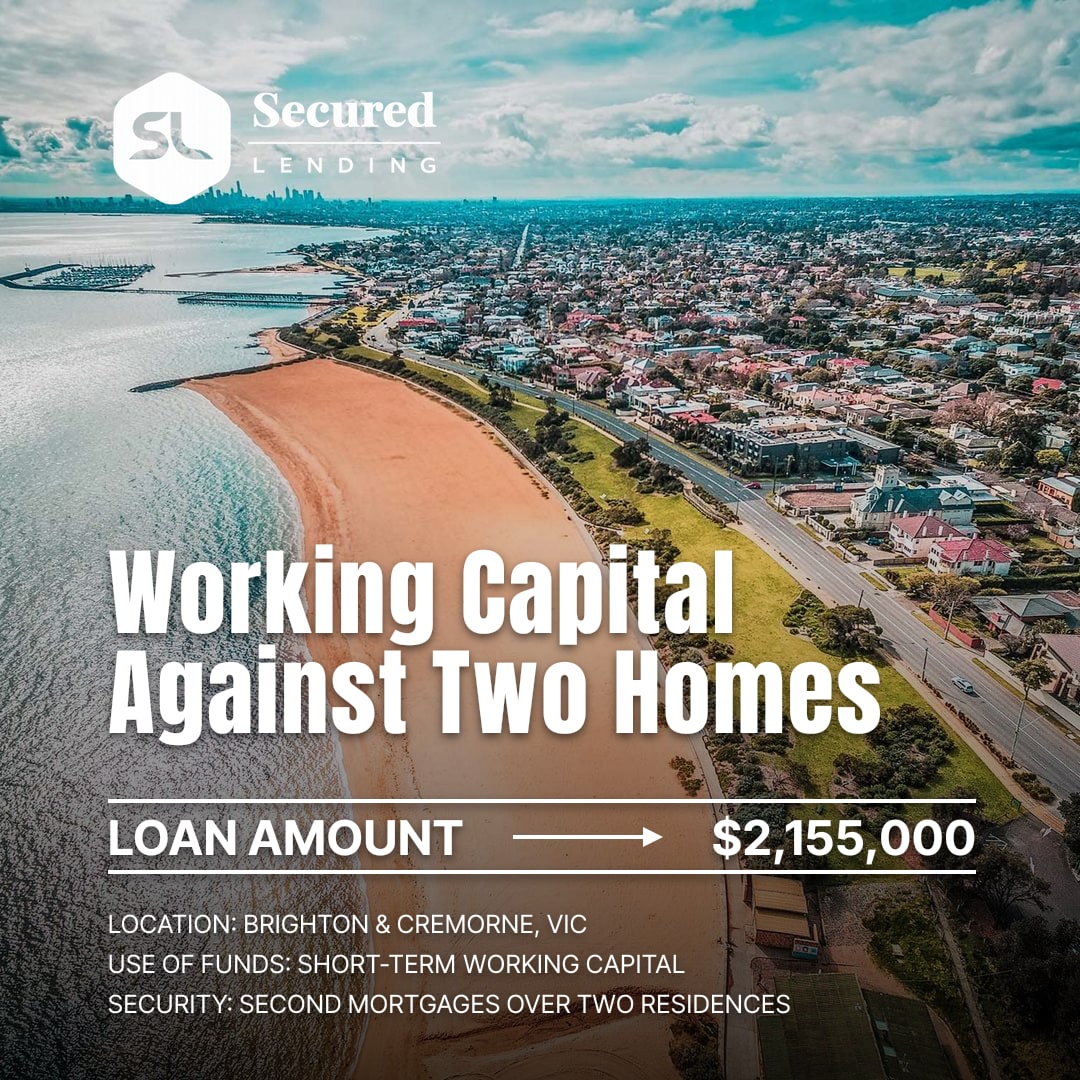
$2.155M Second Mortgage Working Capital Facility Across Brighton and Cremorne
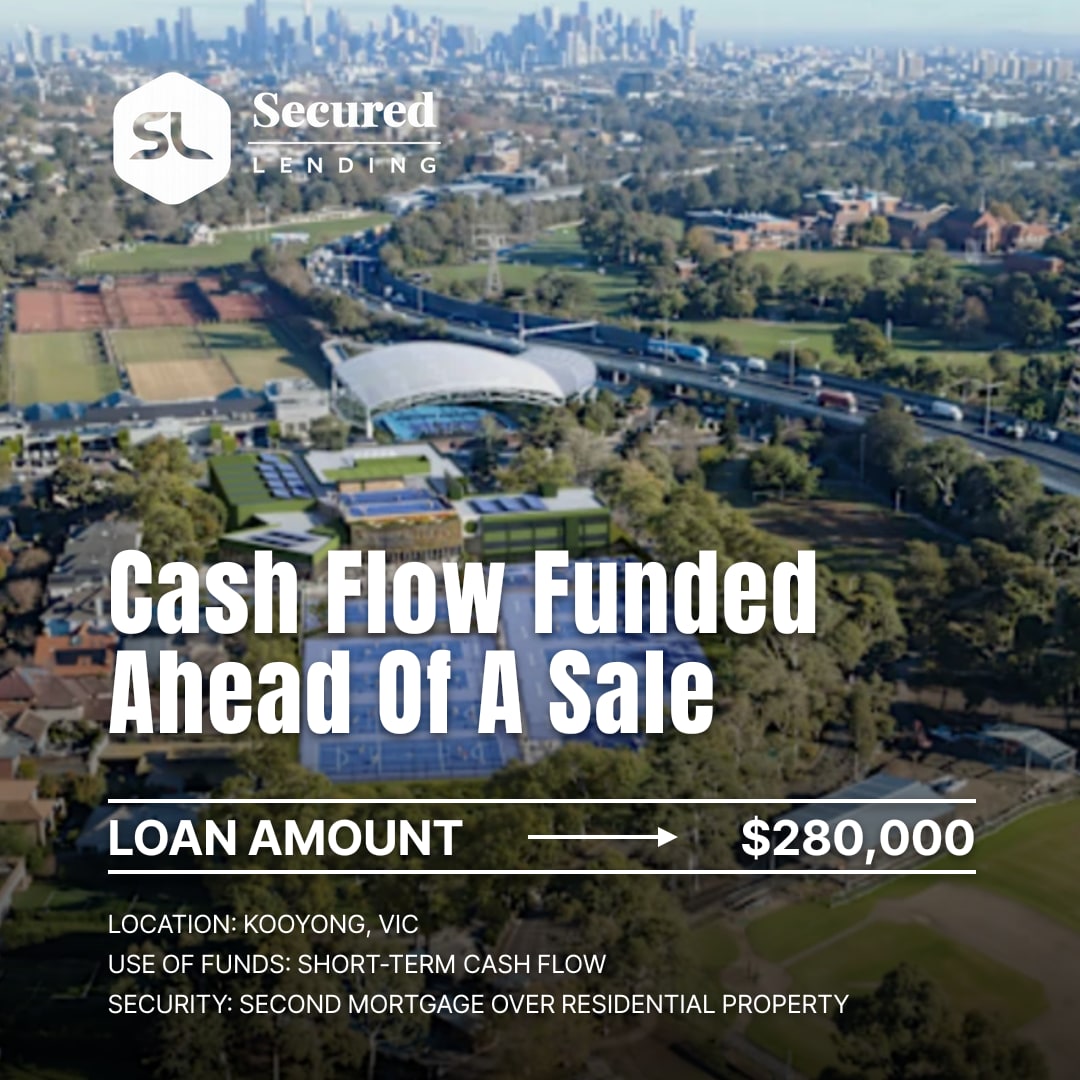
$280K Second Mortgage for Short-Term Cash Flow in Kooyong

$545K Bridging Loan Across Three Suburbs in Melbourne's North-West
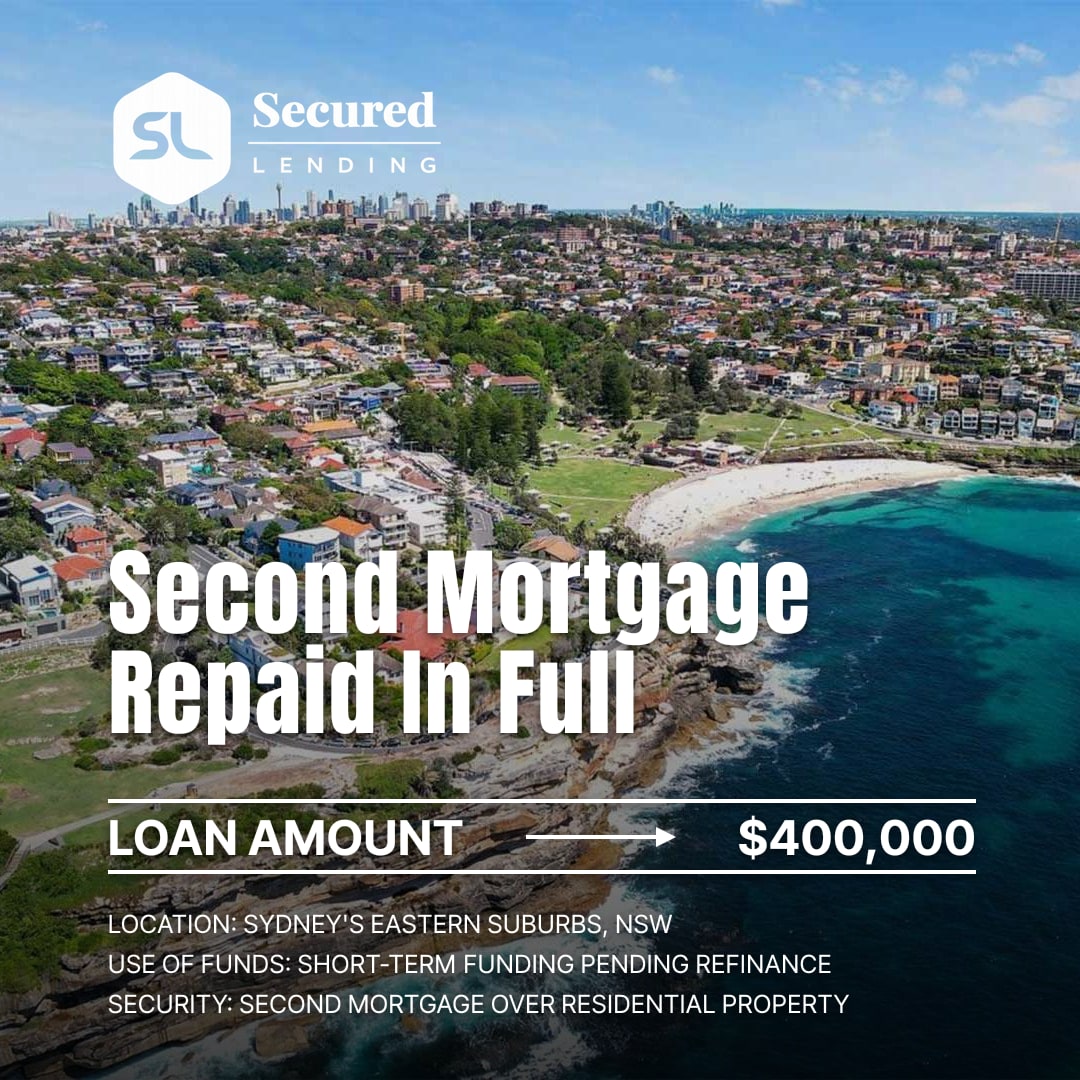
$400K Second Mortgage Repaid in Full After a Flexible Two-Month Extension
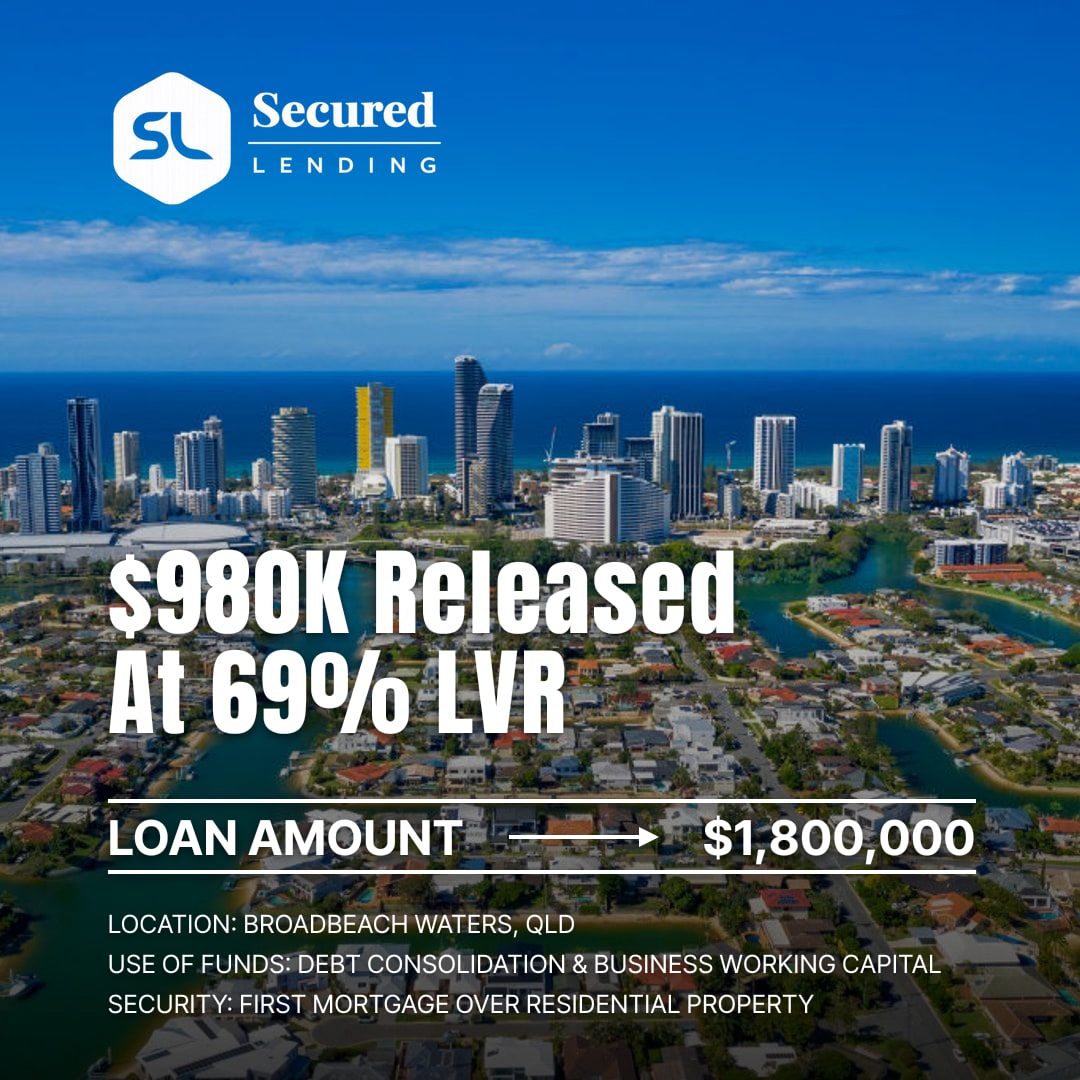
$1.8M First Mortgage Releases $980K of Working Capital for a Solar Business
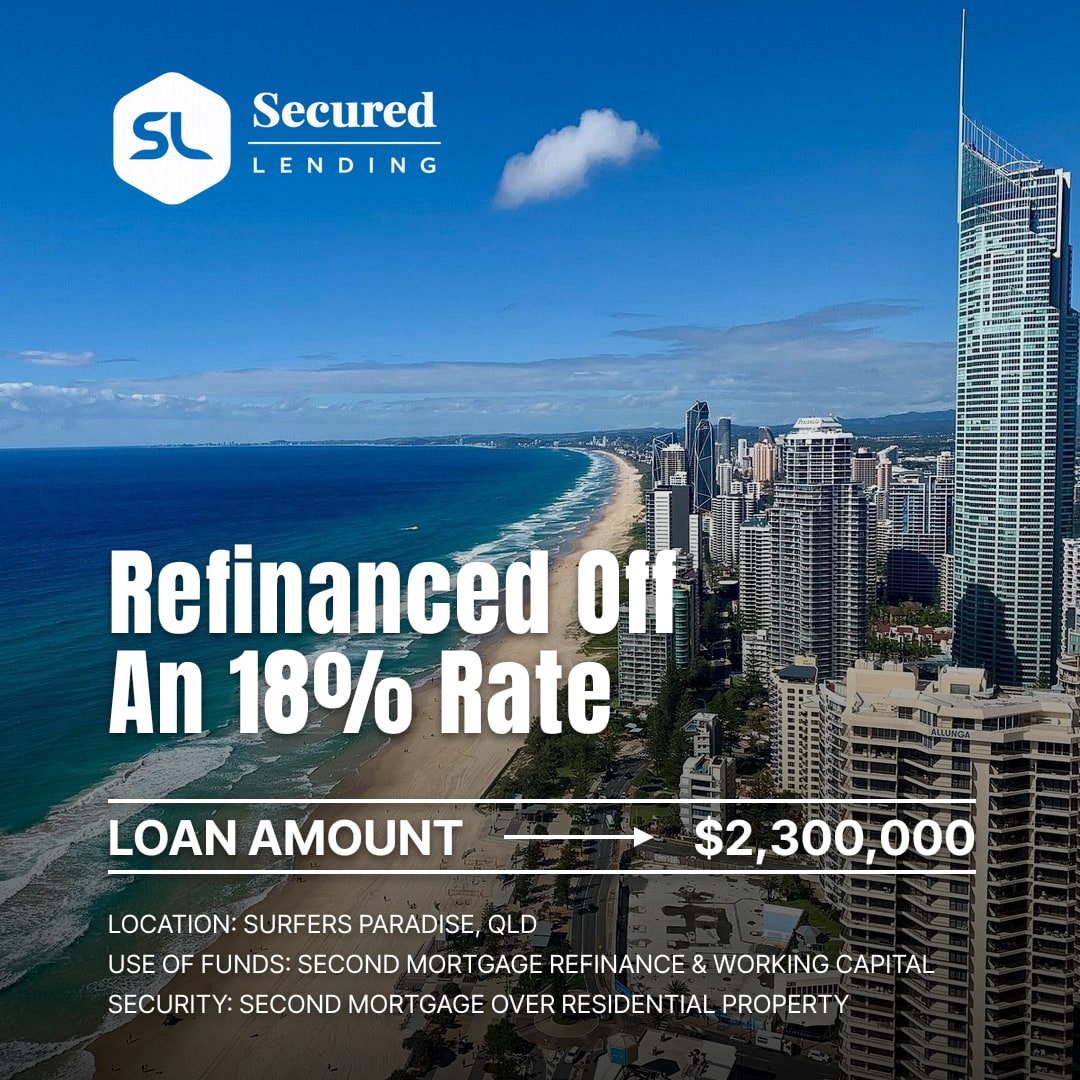
$2.3M Second Mortgage Refinances an 18% Facility for a Glass Manufacturer
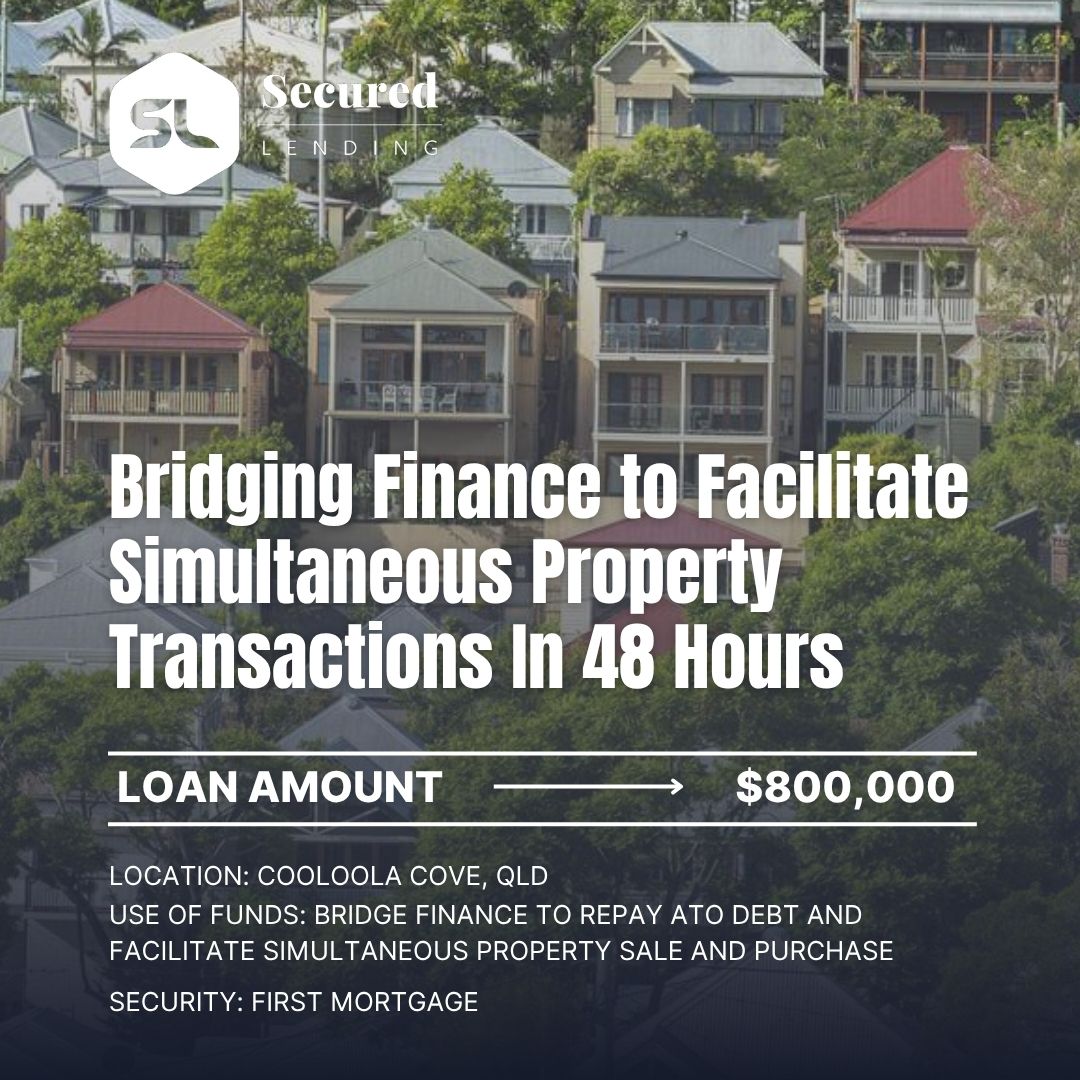
$800K Bridging Finance for Simultaneous Property Transactions in 48 Hours

$300K Second Mortgage for Dental Practice Working Capital in 5 Days
Many business owners and developer groups come to a private lender when timing is tight, a bank process is too slow, or the deal has moving parts that don’t fit a rigid credit box. At Secured Lending, we speak to clients every week who require finance, and we’re happy to provide guidance and requirements for Joint Venture Development Finance. The aim is simple: help you understand what a lender will assess, what you can prepare upfront, and whether private development funding is the right fit for your joint venture.
How joint venture development finance typically works
Joint venture projects often involve multiple borrowers, guarantors, and stakeholders. From a lender’s perspective, two areas matter most:
Security and exit
Most private development lending is secured by property. The lender will focus on:
- •First or second mortgage position
- •Loan to value ratio (LVR) and underlying land value
- •A clear, credible path to repayment (the exit)
Common exit strategies include sale of completed stock, refinance to a longer term facility, or staged settlements.
Project delivery confidence
A lender will also assess whether the project is likely to be delivered as planned, including:
- •The experience of the JV parties and key decision-makers
- •Builder selection and (where applicable) a fixed price building contract
- •Feasibility strength, contingency allowance, and assumptions
- •Presales (if relevant), timeline, and major risk points
In a joint venture, governance matters too—who controls decisions, how funds are managed, and how disputes are handled.
This is why documentation quality makes a real difference. A well-prepared joint venture agreement, feasibility, and project plan can materially improve speed and certainty.
Private lending for joint venture projects
Working with a non-bank private lender can be the difference between losing a site and securing it, or between stalling at a funding condition and progressing to the next stage. If you need private business loans in Australia that can assess the real-world strengths of the deal, private funding can be a practical option when timing and structure matter.
Speed when you need to act
Development opportunities often come with hard deadlines. A non-bank lender can be built for faster assessment, especially when the security is strong and the exit is clear.
Flexible credit approach
Joint ventures can involve complex income profiles, multiple entities, and non-standard structures. Private lending can take a more practical view of the deal fundamentals, rather than forcing every borrower into a one-size policy often seen with non-bank business loans that still rely on strict templates and committees.
Decisions aligned to property and exit
Where banks can focus heavily on serviceability models and long approval chains, private development finance can place greater weight on security, project viability, and the realism of your exit strategy.
Short term funding that suits development timelines
Many JV scenarios involve bridging periods such as planning, DA uplift, early works, or construction commencement before a mainstream refinance. Short term finance can be a deliberate strategy rather than a compromise—particularly when private bridging finance is used to manage a time-critical gap.
At Secured Lending, we use our own funds for fast decisions and have an internal property valuation team, allowing us to move fast (often within 24 hours). We offer loans from $250k to $10M, with rates from 9.7% p.a., specialising in short term finance of 1 to 24 months. We have funded over $500 million in loans.
What Secured Lending looks for in joint venture development finance
Every project is different, but strong applications typically share the same fundamentals.
Clear security position
You’ll need to provide details of the property, current title, existing debt, and what mortgage position is required. If there is a second mortgage or blended structure, the overall capital stack must be coherent and workable.
A credible exit strategy
A lender will want to see how the loan will be repaid—and why that exit is achievable within the term. This might include presales and settlement timing, a projected completion and marketing plan, or a refinance strategy supported by expected end values.
Feasibility that is realistic
A detailed feasibility with conservative assumptions, sufficient contingency, and evidence for costs is essential. Overly optimistic end values or thin margins can create risk and slow approvals.
Project delivery capability
This includes the experience of key people, builder selection, and the strength of consultants. If you’re partnering with a more experienced developer, it helps to clearly show who is responsible for day-to-day delivery and who controls the financial decisions.
Joint venture governance
Lenders pay attention to how decisions are made, how funds are controlled, and what happens if one party can’t contribute as planned. Clear governance reduces execution risk and prevents delays when timing matters.
If you’re unsure what to prepare, we can provide guidance and requirements based on your location, asset type, and stage of the project.
Where Secured Lending lends: metro and regional Australia
Secured Lending is a non-bank private lender servicing Sydney, Melbourne, Brisbane, Gold Coast, Perth, Adelaide, Canberra and surrounding metro and regional areas. For joint ventures, local market knowledge, valuation speed, and settlement logistics can directly affect timelines—especially when acquisition or construction start dates are fixed.
Related lending solutions that may support your joint venture
Joint venture projects rarely fit neatly into one product. Funding may need to be staged, combined, or adjusted as the project evolves. We are specialist private lenders in secured business loan solutions, private mortgage lending, and bridging finance.
This breadth allows JV partners to consider options such as:
- •Bridging finance to secure a site or manage a timing gap
- •first mortgage funding where strong security supports larger loan amounts
- •second mortgage solutions where senior debt exists but additional capital is required
- •Secured business lending when the need is connected to a property-backed business purpose
Is joint venture development finance right for your project?
Private Joint Venture Development Finance can be a strong fit if you need speed, discretion, and a lender that can evaluate a project on its merits. It’s also suitable when bank policy friction is the barrier rather than the quality of the deal itself.
Secured Lending can support joint venture partners with fast, property-secured funding using our own funds, internal valuation capability, and a short term approach designed for development timelines. Loan amounts are available from $250k to $10M, terms from 1 to 24 months, and rates from 9.7% p.a., with over $500 million in loans funded.
If you’re exploring a joint venture and want to understand how a private lender will assess your structure, security, and exit, Secured Lending is available to talk through requirements and help you map the most realistic path to funding.
Frequently asked questions
1) What does Secured Lending need from each JV party to assess the deal quickly?
Typically: identity/company structure details, who is borrowing vs guaranteeing, a clear summary of each party’s role (capital, delivery, sales), and confirmation of what security is being offered. Where the borrower structure is complex, an upfront org chart and a short “who-does-what” summary can prevent back-and-forth.
2) If one JV partner is stronger than the other, will that weaken the application?
Not necessarily. What matters is whether the overall project has strong security, a realistic exit, and clear governance. It often helps to show how responsibilities are allocated (for example, the experienced party controlling delivery and budget sign-off) and what happens if the less experienced party can’t meet a contribution on time.
3) How do lenders view JV governance—what are the red flags?
Common red flags include unclear decision rights, no defined process for cost overruns, disputes requiring unanimous consent for routine actions, or no practical mechanism if a party defaults on their funding obligation. Clear controls around drawdowns, variations, and dispute pathways can materially reduce perceived risk.
4) Can joint venture development finance be used at the planning/DA stage before construction funding is locked in?
Yes. Many JV projects use short term funding to secure a site, fund planning work, or bridge through a DA uplift phase before refinancing into a longer term facility. The key is showing a realistic timeline and evidence-based end values for the stage you’re funding.
5) What’s the most common reason feasibilities get questioned, and how can we avoid delays?
The most common issues are optimistic end values, thin contingencies, and build costs without evidence. Delays can often be avoided by including a sensible contingency, using current market-based inputs, and attaching supporting material (quotes, QS inputs, agent feedback, comparable sales, or a clear basis for assumptions).
6) How does a second mortgage work in a JV when senior debt already exists?
Second mortgages can suit situations where there’s senior debt in place but additional capital is required for a defined purpose (for example, acquisition costs, early works, or time-critical gaps). The important piece is ensuring the total capital stack still makes sense: security value, position, inter-creditor realities (if any), and a clearly achievable exit within the loan term.
7) Who signs when two parties are in a joint venture?
Whoever holds the property, plus anyone whose consent the title or the joint venture agreement requires. This is the part that delays these deals more than anything else. Bring the joint venture agreement and a title search to the first conversation, because they determine who can grant a mortgage and whether the structure can support a facility at all.
8) Can the loan sit behind a joint venture partner’s existing facility?
Yes, as a second mortgage, provided the combined position across the first and second stays inside 70% LVR and the first mortgagee consents. That consent is not a formality and it is worth testing early. Where it will not be given, the alternatives are refinancing the first facility entirely or securing against a different property.