



When a loan term expires, the pressure can escalate quickly. A lender may require payout, a refinance approval may be delayed, or the current facility no longer fits your cash flow. If you need an Expired Loan Rollover, the priority is usually speed, certainty, and a clear pathway forward—without being forced into a fire sale of an asset or a rushed decision that hurts the business. Contact us today to discuss practical options and timeframes.
Recent client success
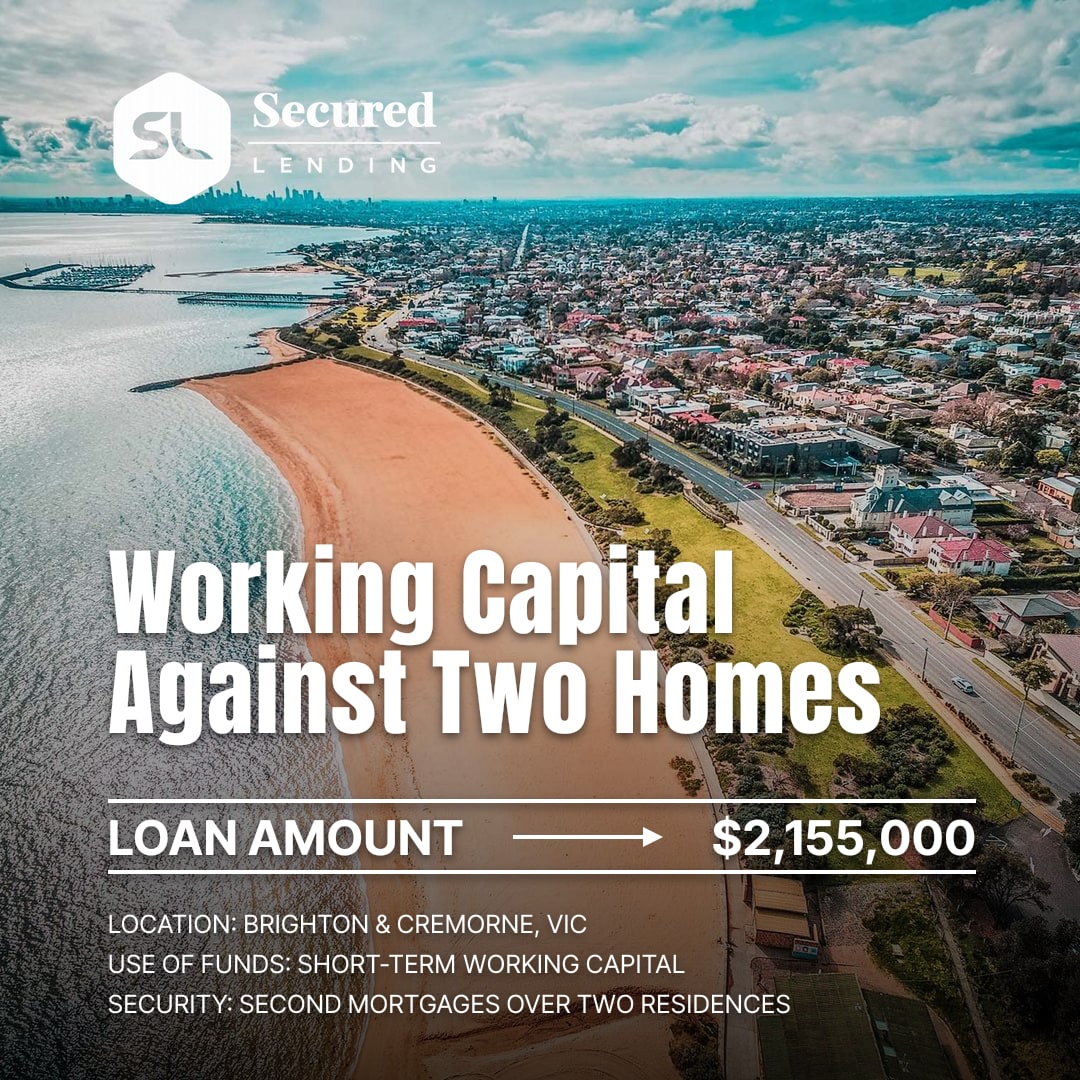
$2.155M Second Mortgage Working Capital Facility Across Brighton and Cremorne

$280K Second Mortgage for Short-Term Cash Flow in Kooyong

$545K Bridging Loan Across Three Suburbs in Melbourne's North-West
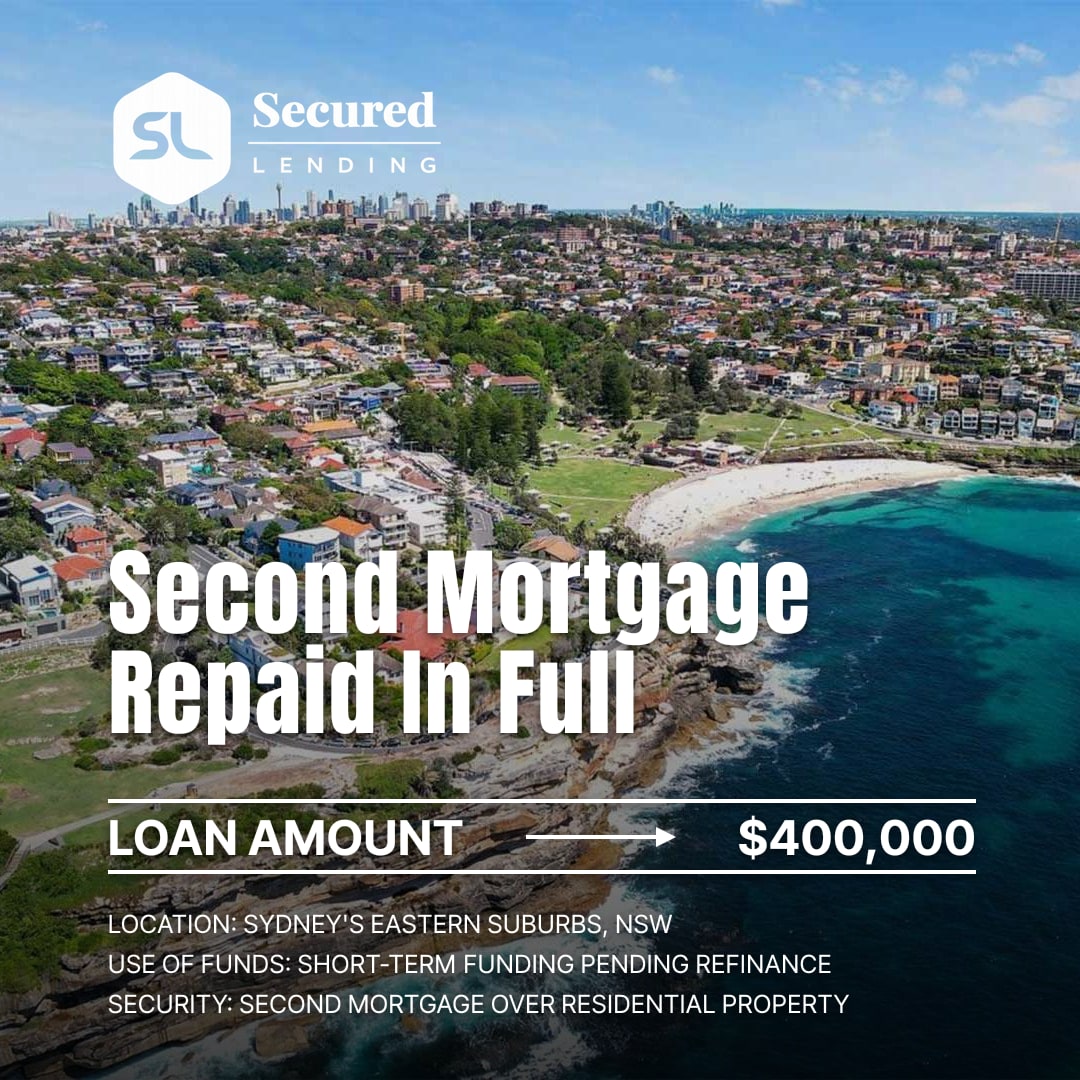
$400K Second Mortgage Repaid in Full After a Flexible Two-Month Extension
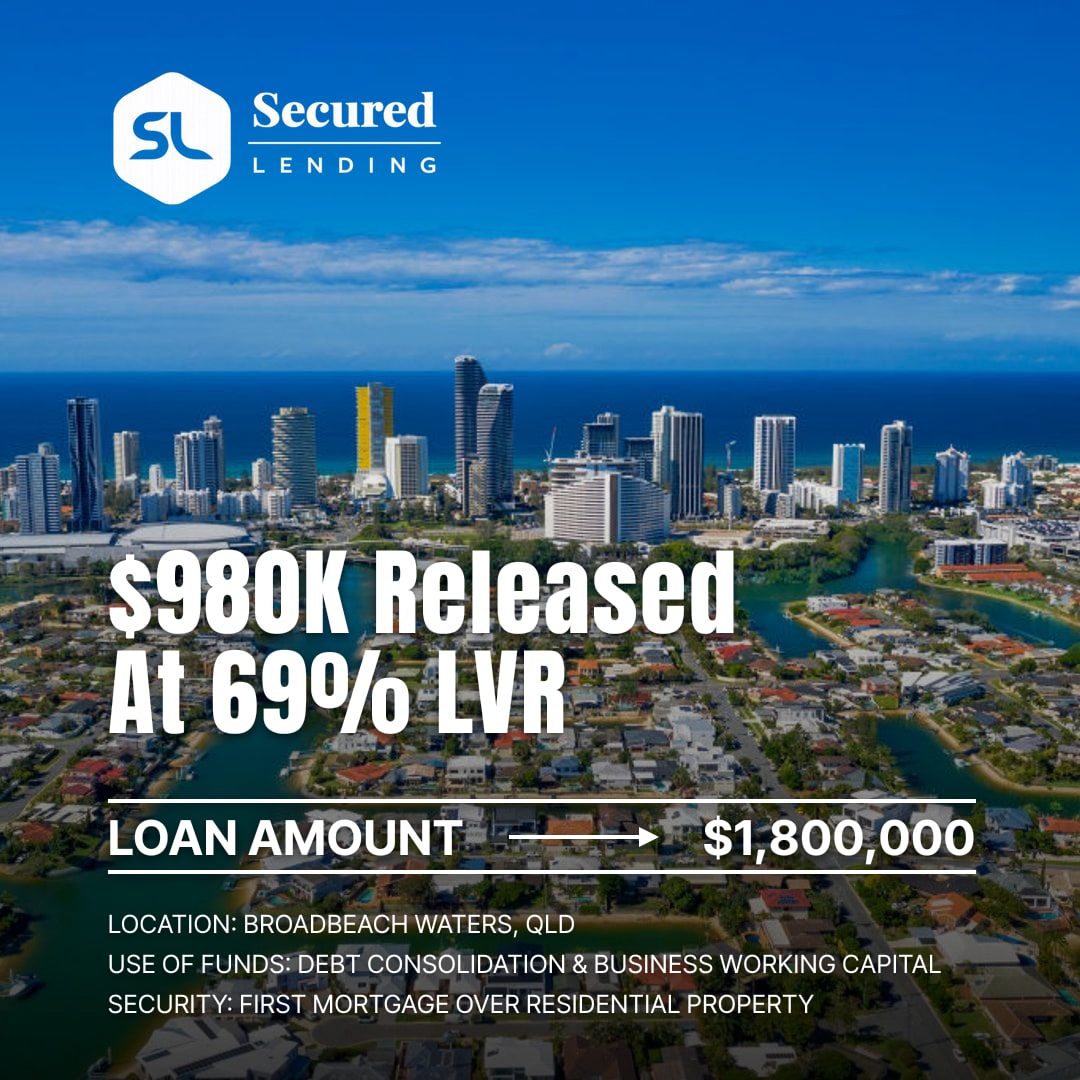
$1.8M First Mortgage Releases $980K of Working Capital for a Solar Business
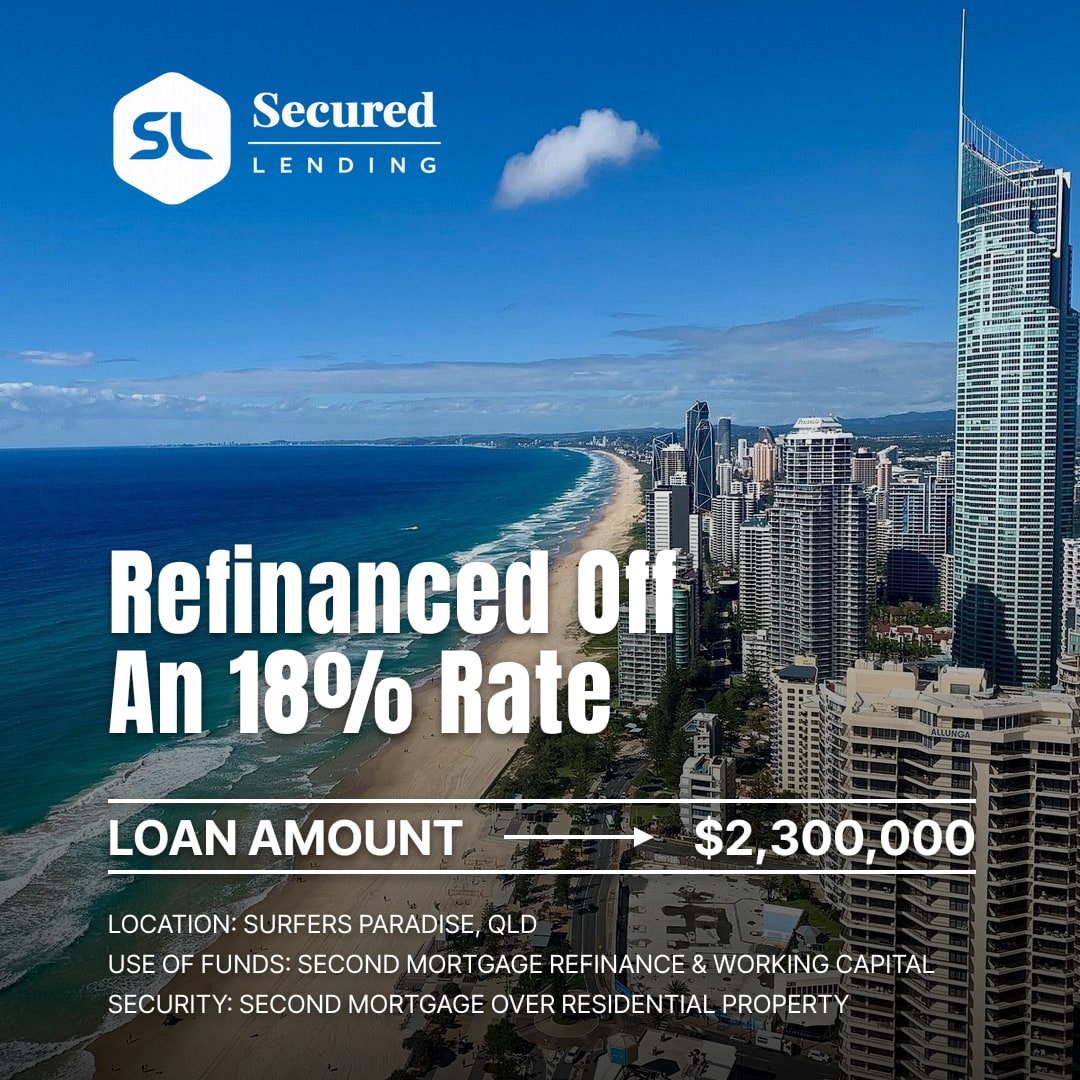
$2.3M Second Mortgage Refinances an 18% Facility for a Glass Manufacturer
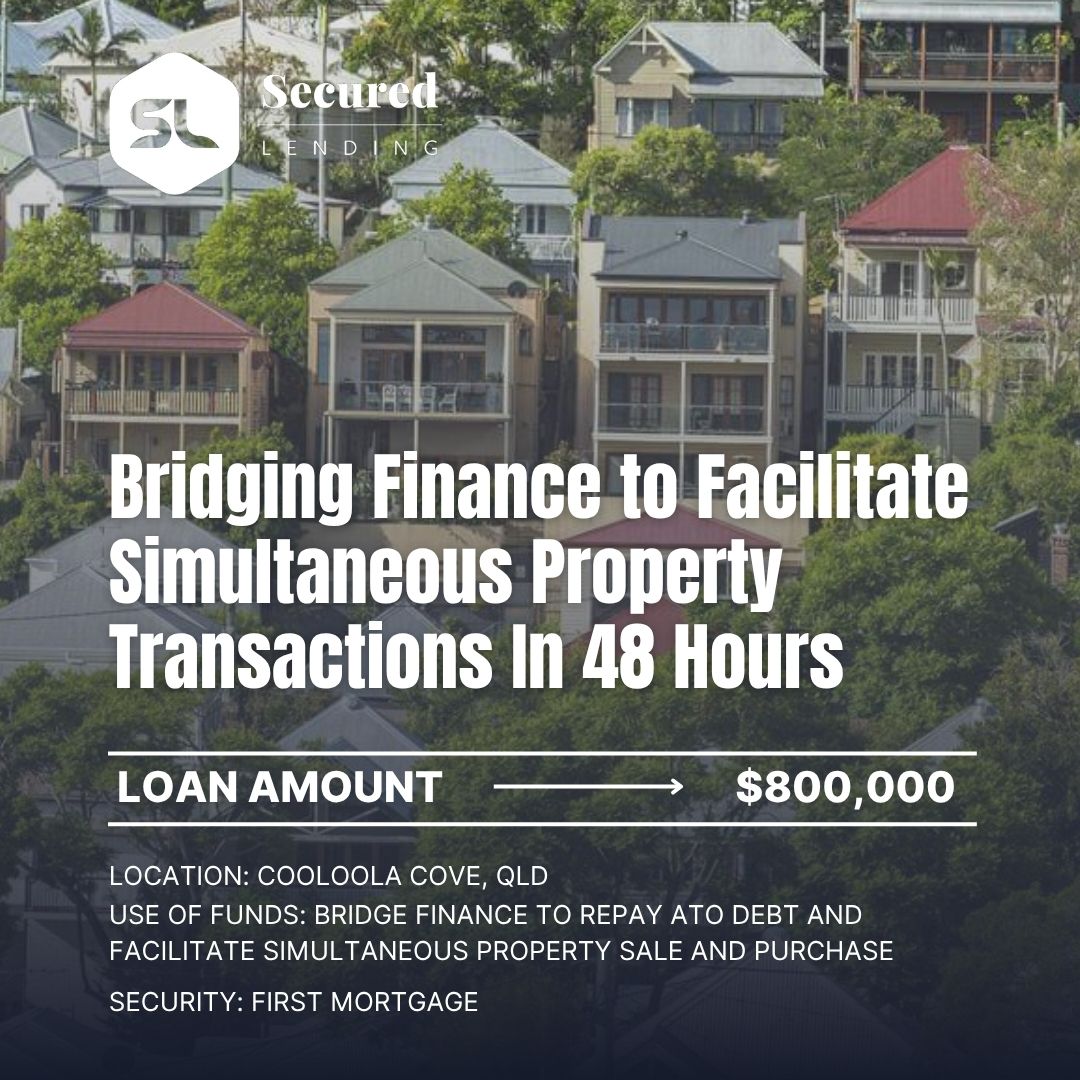
$800K Bridging Finance for Simultaneous Property Transactions in 48 Hours

$300K Second Mortgage for Dental Practice Working Capital in 5 Days
If your private loan has expired or is about to, read our page on urgent short term loans to refinance an expiring private loan.
Expired loan rollover finance for business owners who need a fast, practical solution
An Expired Loan Rollover is typically used to replace or extend an existing loan that has reached term, using a new facility secured by property. It can be a short-term solution while you stabilise trading, complete a project, sell an asset, or transition to a longer-term bank refinance when the timing is right.
When an expired loan rollover becomes urgent
Business owners usually seek rollover funding when one or more of these issues hit at the same time:
- •A loan maturity date is approaching and the existing lender will not extend
- •A refinance is approved in principle but not settled due to valuation timing, documentation, or policy
- •A construction, renovation, subdivision, or DA pathway is taking longer than expected
- •Settlement delays, tenant vacancy, arrears, or ATO pressure have reduced serviceability in the short term
- •The business is performing, but the bank wants stronger financials, a longer track record, or lower leverage
The core need is often simple: keep the asset, protect equity, manage time, and avoid default-related costs and stress.
Why borrowers use a non-bank private lender for expired loan rollover
Working with a non-bank private lender for an Expired Loan Rollover can suit borrowers who need decisive credit assessment and a straightforward process that aligns with short timeframes. This is also why many borrowers compare options across non-bank business loans when bank timeframes and policy don’t match the urgency.
Faster decisions when time is critical
A rollover is often about deadlines. A non-bank private lender can be more responsive when a maturity date is close and you need a clear yes or no quickly.
Security-focused lending
Private lending is typically driven by the quality of the property security and the exit strategy—not just standard bank serviceability models. This can help when financials are temporarily uneven, or when the next step is a sale, refinance, or project completion.
Flexible structures for short-term needs
Expired loan rollover funding is commonly used as a bridging solution. A non-bank private lender can structure terms that match your expected timeline, rather than forcing a long-term product that does not fit your plan.
A practical approach to complex scenarios
If your situation includes multiple securities, second mortgage needs, residual debt, or timing issues around settlements, a specialist lender can assess the whole picture and focus on what can be done.
At Secured Lending, we speak to clients every week who require finance and we are happy to provide guidance and requirements for Expired Loan Rollover. As an Australian private lender, we focus on helping you understand what documents, security details, and exit plan will strengthen the application so you can move forward with confidence.
What Secured Lending can fund (loan details)
If you are comparing lenders, clarity matters. Here is what Secured Lending offers for Expired Loan Rollover scenarios:
- •Funded over $500 million in loans
- •Uses our own funds for fast decisions
- •Internal property valuation team to move quickly (often within 24 hours)
- •Loan sizes from $250k to $10M
- •Rates from 9.7% p.a.
- •Terms of 1 to 24 months
These features are designed for borrowers who need speed, certainty, and a defined plan to exit the facility.
What makes a strong expired loan rollover application
A good rollover application is not only about the property—it’s about showing there is a sensible outcome at the end of the term.
Property security
Location, property type, condition, and marketability matter. Clear title and a sensible loan-to-value position support faster assessment.
Current loan position
The payout figure, any arrears, and whether there are additional creditors to be cleared at settlement.
Exit strategy
Common exits include sale of the secured asset, refinance to a bank or non-bank lender, completion of a development milestone, or business cash flow improvement supported by evidence.
Timeframe alignment
Short-term facilities work best when the expected exit date is realistic and backed by a plan—not hope.
Supporting documents
Identification, company and trust details where relevant, rates notice, existing loan statements, and any contracts or approval documents tied to the exit plan.
How we help when your lender won’t extend or refinance is delayed
Secured Lending are specialist private lenders in secured business lending, including secured business loan solutions, private mortgages and bridging facilities. This matters for Expired Loan Rollover because the right structure depends on your current facility, your security position, and whether you need first mortgage funding, a second mortgage, or private bridging finance that works alongside another lender.
If your existing lender will not extend, or your refinance is delayed, a structured private mortgage can provide the breathing room you need—while keeping control of the asset and the timeline.
Where we lend
We are a non-bank private lender servicing Sydney, Melbourne, Brisbane, Gold Coast, Perth, Adelaide, Canberra and surrounding metro and regional areas. If your security property is in these markets, we can assess your rollover request with a focus on speed and clarity.
What to expect when you speak with Secured Lending
Expired loan rollover requests are time sensitive, so the process is designed to remove uncertainty:
- •Guidance on requirements and what will help the file move faster
- •A clear view of feasible loan size, indicative pricing, and expected timing based on the security and exit strategy
- •If it is not a fit, you will know quickly—so you can protect options and manage deadlines
Frequently asked questions
1) My loan matures in days, not weeks—what’s the fastest way to make this workable?
Have the payout figure, latest loan statements, and the property address/details ready, and be clear on the exit (sale, refinance, project milestone). Time is usually lost chasing missing documents or an unclear exit plan—those two items are what most often determine whether a rollover can move quickly.
2) If i’m in arrears, does that automatically rule me out?
Not necessarily. Arrears are assessed in context—what caused them, whether they’re being cleared at settlement, and whether the new facility creates enough breathing room for the planned exit. The key is showing a clean, credible path from rollover to exit.
3) What does “security and exit strategy focused” mean in practice?
It means the decision is primarily driven by the quality and marketability of the property security and how you plan to repay the loan at the end of the term. If the exit is strong (for example, a sale campaign underway or a refinance that’s realistic with improved timing), temporary financial unevenness may be workable.
4) What’s the most common reason rollover requests fail late in the process?
Exit strategy mismatch. For example: relying on a “bank refinance soon” without evidence, expecting a sale price that the market/valuation can’t support, or setting a timeframe that doesn’t align with development or settlement realities. A good rollover is structured around what can actually happen within the term.
5) Can you do a second mortgage rollover if the first lender won’t move?
In some scenarios, yes—where the overall security position supports it and the exit strategy clears both facilities. Second mortgage structures tend to require tighter planning, because the first mortgagee position and payout priorities matter at settlement and at exit.
6) If my refinance is approved in principle, why would I still use a rollover?
Because “approved in principle” can still stall—valuation timing, conditions, documentation, or credit sign-off can drag out while the maturity date doesn’t move. A rollover can bridge that timing gap, prevent default pressure, and give you control of the timeline while the longer-term refinance completes.
7) My facility expires in two weeks. Is that enough time?
Usually yes, if you start now. A decision takes hours and settlement can happen within 24 hours on a clean title. What eats the fortnight is getting a payout figure from the outgoing lender, resolving anything registered against the property, and executing documents. Two weeks is workable. Two days, with an unresponsive outgoing lender, is not.
8) Will the outgoing lender charge me to be repaid early or late?
Often, and it needs to be in the numbers before you commit. Expired facilities frequently accrue default interest, and some carry exit or discharge fees. Ask your current lender for a written payout figure to a specific date and give it to us. We size the new facility to clear that figure, not the balance you think you owe.