



When a mortgagee takes possession, time, control, and options shrink quickly. If you are a business owner facing a Mortgagee in Possession sale, you typically need fast, realistic funding that aligns with your property, your cash flow, and the urgency of the situation. A capable private lender can help you stabilise the position, protect equity where possible, and create breathing room to refinance or sell on your terms. Contact us today.
Recent client success
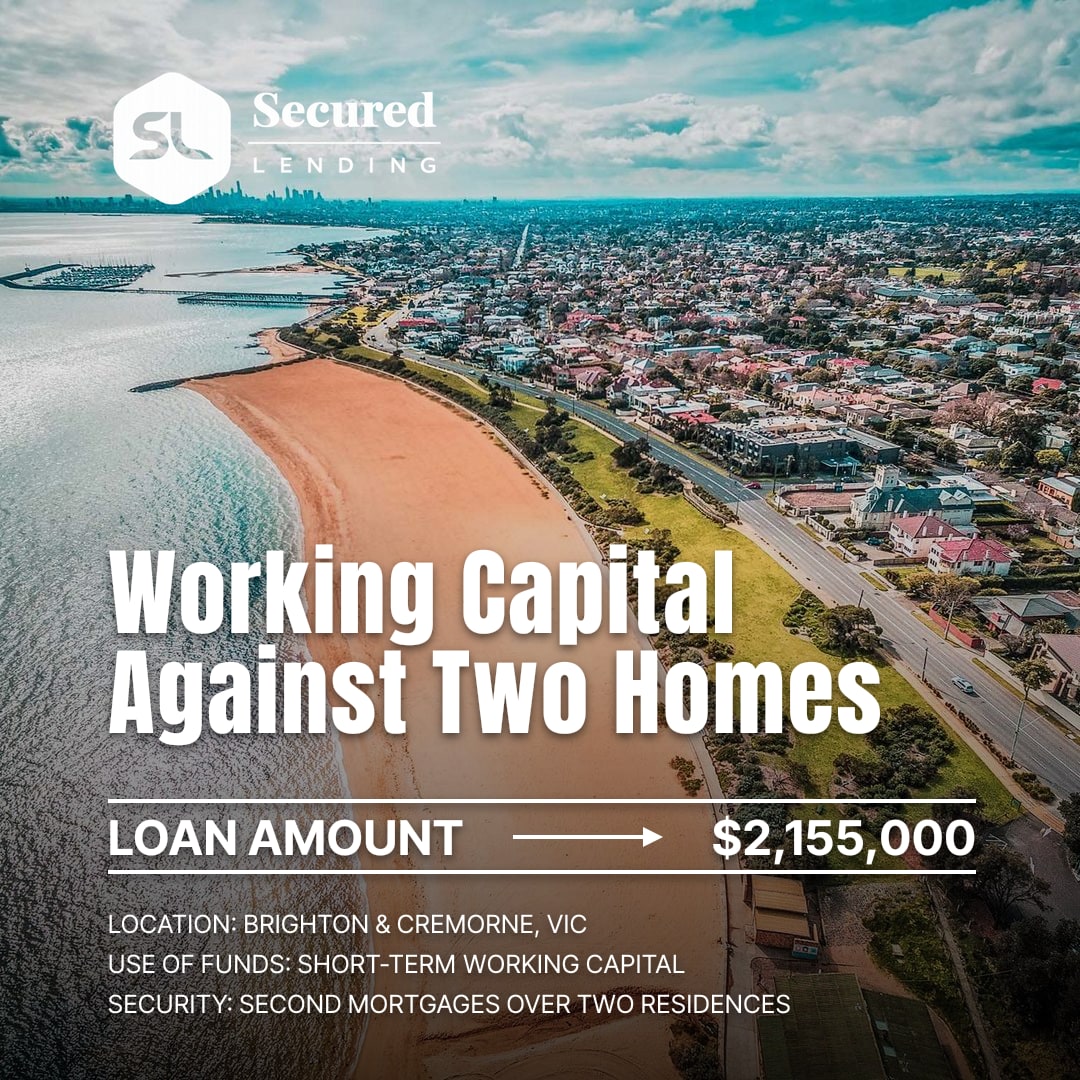
$2.155M Second Mortgage Working Capital Facility Across Brighton and Cremorne
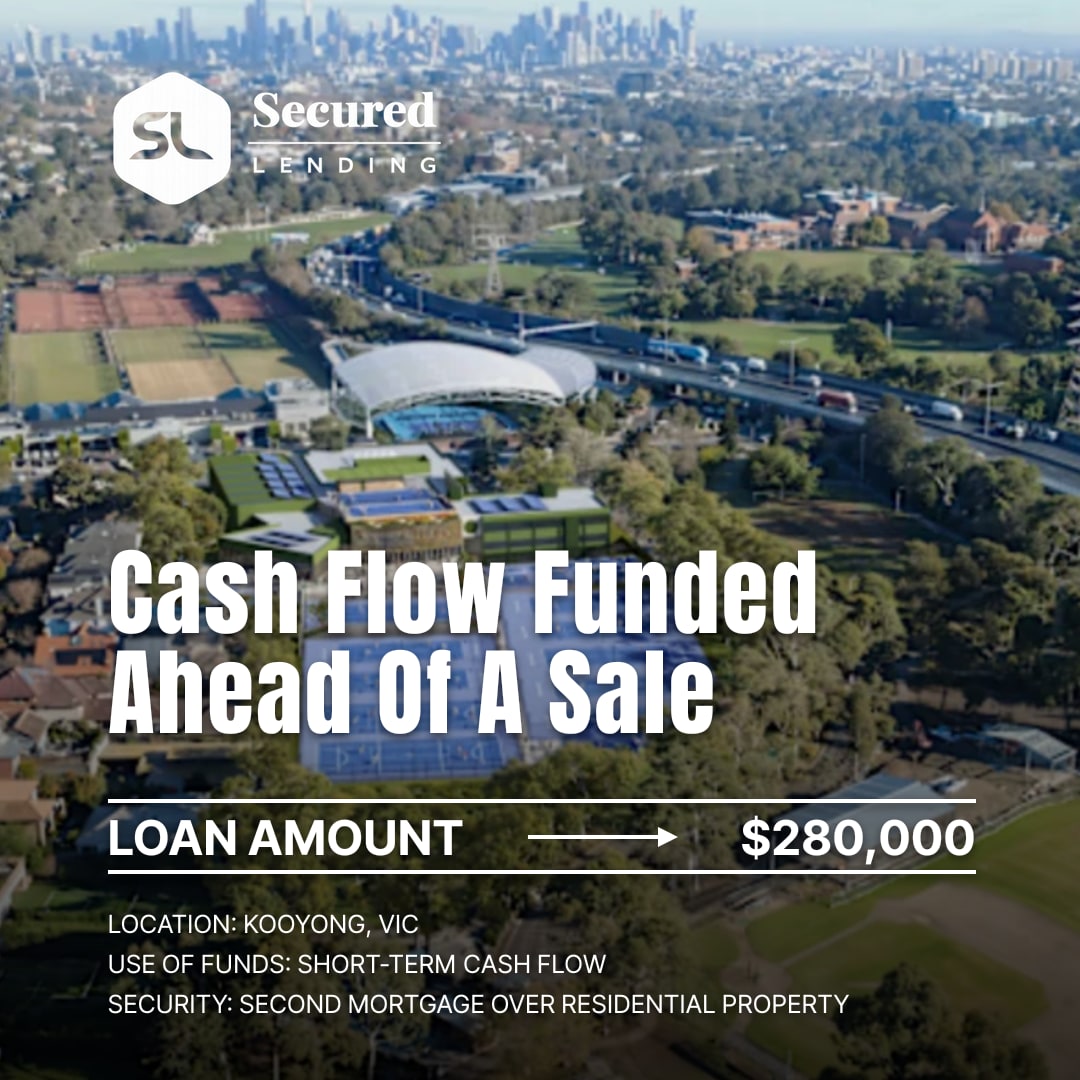
$280K Second Mortgage for Short-Term Cash Flow in Kooyong

$545K Bridging Loan Across Three Suburbs in Melbourne's North-West
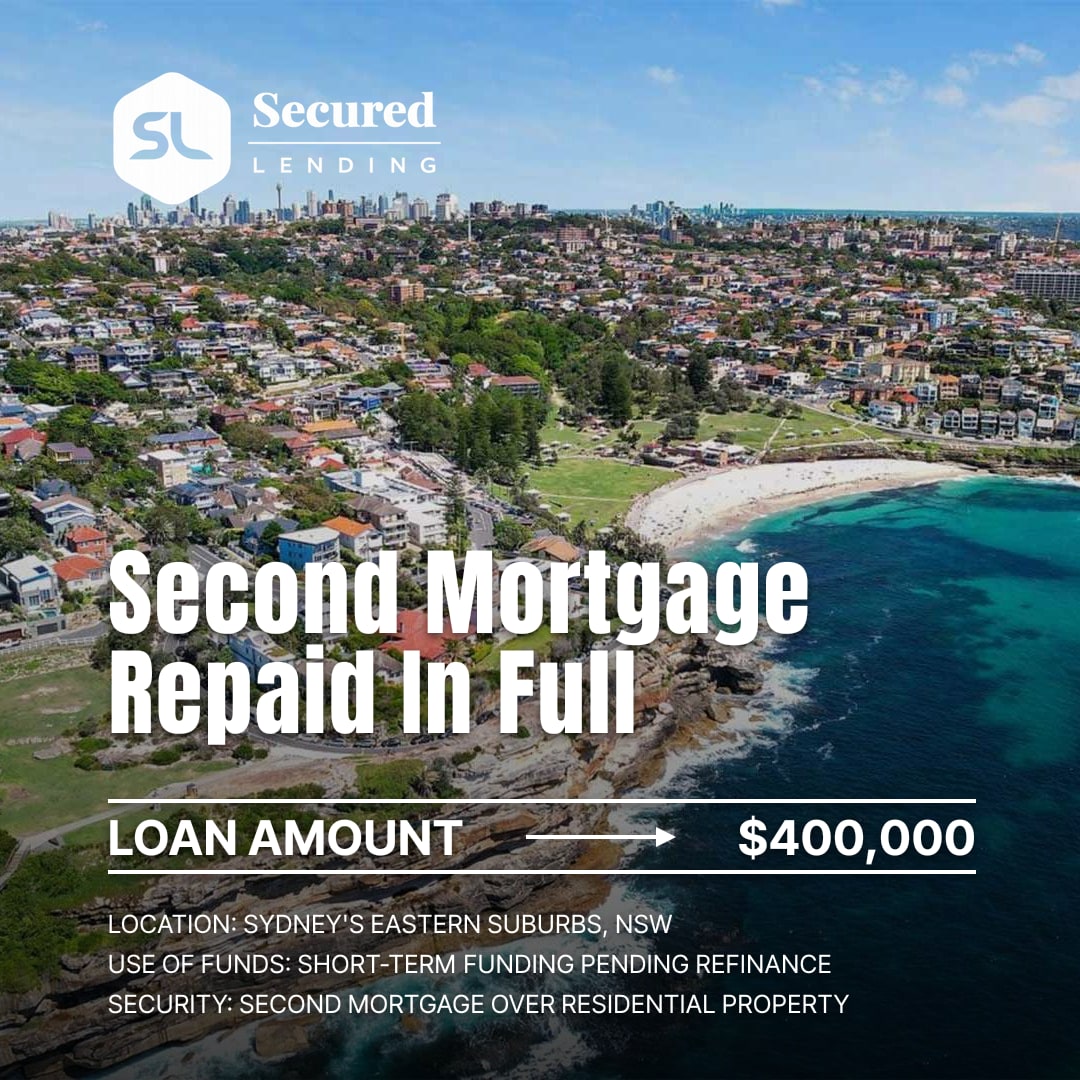
$400K Second Mortgage Repaid in Full After a Flexible Two-Month Extension
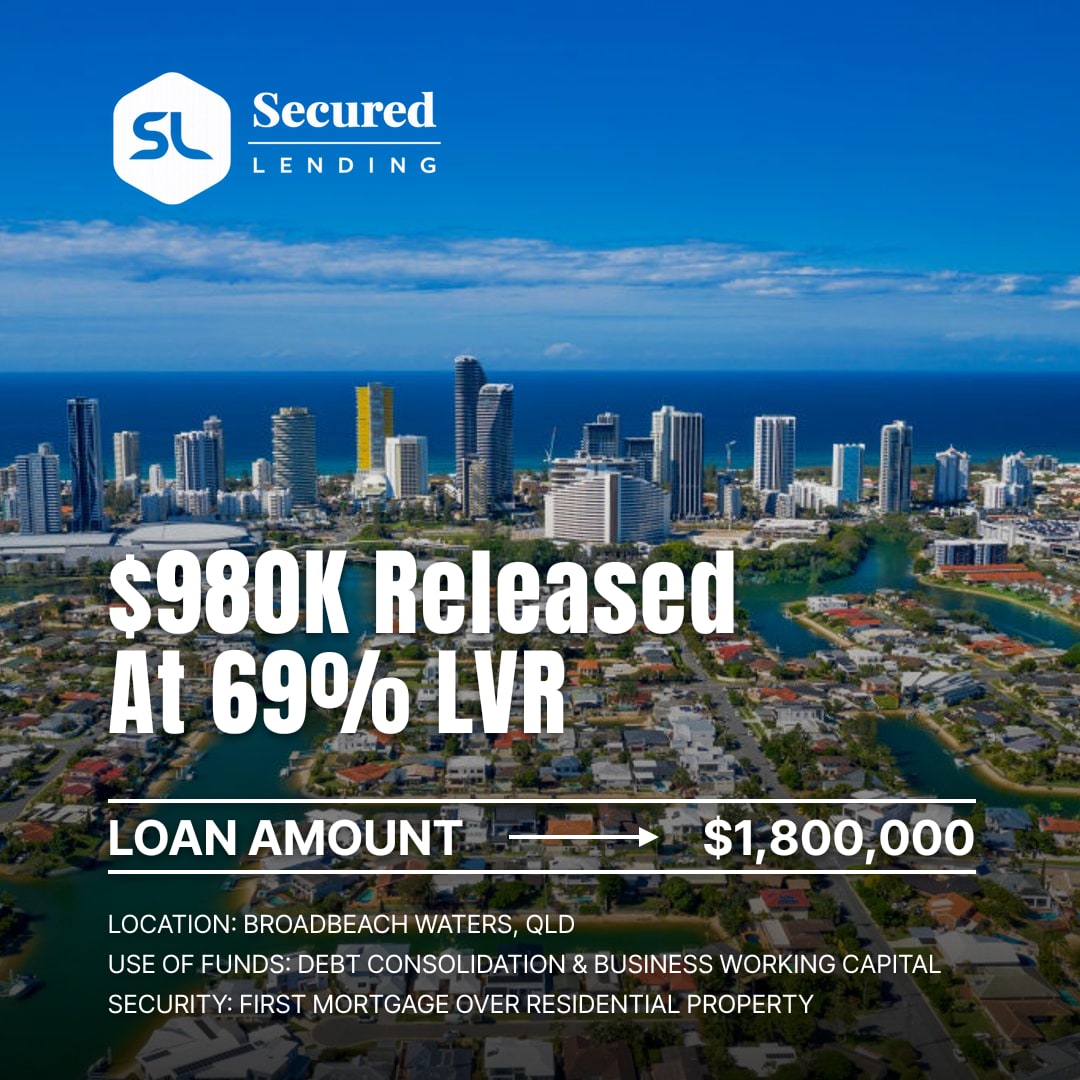
$1.8M First Mortgage Releases $980K of Working Capital for a Solar Business

$2.3M Second Mortgage Refinances an 18% Facility for a Glass Manufacturer
$800K Bridging Finance for Simultaneous Property Transactions in 48 Hours

$300K Second Mortgage for Dental Practice Working Capital in 5 Days
Our page on urgent short term loans when a mortgagee is in possession explains what we need to refinance before the sale.
Mortgagee in possession rescue finance: what it is designed to do
Mortgagee in Possession Rescue funding is short term secured finance used to address an enforcement scenario. It is commonly used to:
- •Pay out the enforcing lender or clear arrears to stop an imminent sale, where viable
- •Refinance away from default terms and penalty costs
- •Fund a short runway to execute a sale or refinance strategy
- •Consolidate urgent debts secured against property when the structure is the issue, not the asset
This is not a “set and forget” loan. It is a tactical solution built around a clear exit such as refinance, sale, or a defined cash event.
Private lending for mortgagee in possession rescue
Secured Lending is a private lender focused on time-sensitive secured lending outcomes. We speak to clients every week who require finance, and we are happy to provide guidance and requirements for Mortgagee in Possession Rescue scenarios so you can understand what is achievable and what the process looks like.
We are specialist private lenders in secured business loan solutions, private mortgage options (including first mortgage and second mortgage structures), and private bridging finance. That mix matters in Mortgagee in Possession situations, because the right structure depends on priority, existing security, and the speed required.
Why borrowers use a non bank private lender during enforcement
When you’re dealing with enforcement, the advantage of a non bank private lender is speed, pragmatism, and a focus on asset based lending—so decisions can be made around security and the exit plan, not a slow moving policy process often associated with non-bank business loans.
Benefits can include:
- •Faster approvals when timelines are tight and traditional credit processes are too slow
- •Decisions based primarily on property security and exit strategy, not just standardised policy
- •Ability to fund non standard situations such as arrears, complex entities, or short settlement windows
- •Short term structures designed to bridge you to the next step rather than lock you into long term commitments
- •Direct communication and clear requirements so you can act quickly with your accountant, broker, or solicitor
With Mortgagee in Possession Rescue, the cost of delay can exceed the cost of funds. The goal is to create time and control first, then execute the best exit outcome available.
Our loan parameters for urgent secured funding
Secured Lending provides short term secured finance with clear ranges and timeframes:
- •We have funded over $500million loans
- •Loans from $250k to $10M
- •Rates from 9.7% p.a.
- •Specialising in short term finance of 1–24 months
- •We use our own funds for fast decisions and have an internal property valuation team which allows us to move fast within 24-hour
These settings are built for urgent scenarios where valuation, approval, and documentation need to move in parallel.
Where we lend
We are a non bank private lender servicing Sydney, Melbourne, Brisbane, Gold Coast, Perth, Adelaide, Canberra and surrounding metro and regional areas.
If your property is in a key metro or regional market, we can typically assess it quickly and confirm whether a rescue structure is realistic.
What we look for in a mortgagee in possession rescue request
A fast, accurate assessment depends on having the right information early. In most cases, we will look at:
- •The property and its current position, including any first mortgage, second mortgage, caveats, or other security
- •The enforcement status and key dates, including notices, auction timing, or receiver instructions
- •The amount required and what it is intended to achieve (payout, arrears clearance, settlement funding, etc.)
- •Your exit strategy, such as refinance, sale, or a confirmed transaction pathway
- •Supporting documents such as loan statements, contract details (if selling), and identification and entity documents
We don’t treat this like a generic application. The structure has to match the enforcement timeline and the ranking of security, otherwise speed doesn’t help.
How the process typically moves when time is critical
Speed is created through sequencing and doing the right work early. A well run rescue process typically follows this flow:
- •Initial assessment of the security, the debt position, and the timeline
- •Indicative terms aligned to the required amount, security, and exit
- •Valuation and due diligence progressed quickly using an internal valuation team and coordinated documentation
- •Formal approval and legal documentation with your solicitor
- •Settlement and payout according to the agreed purpose and priority
The objective is to reduce uncertainty early, so you know whether a rescue is achievable before time and costs escalate.
A practical next step
If you are facing Mortgagee in Possession and need a private lender who can act quickly, Secured Lending can guide you through requirements and likely timeframes based on your situation. We work across secured business loans, private mortgages, and bridging, with short term funding designed for urgent property backed solutions.
Frequently asked questions
1) Can you still help if a receiver has already been appointed or the mortgagee has started marketing the property?
Often, yes—depending on where the enforcement process is up to and what the mortgagee will accept. The key is understanding the decision maker (mortgagee, receiver, solicitor), the dates that matter, and whether the payout figure and settlement timeframe are workable.
2) What makes a rescue deal “viable” versus not worth pursuing?
Viability usually comes down to equity position, security ranking, and a credible exit. If the property value supports the debt position and there is a realistic refinance, sale, or cash event within the term, rescue funding can make sense. If the exit is uncertain or the security position is too tight, speed alone won’t fix the outcome.
3) If there are caveats or a second mortgage on title, does that stop the process?
Not automatically. It changes the structure and the order of payout. The crucial step is mapping the priority of claims and confirming what needs to be discharged or managed at settlement so the transaction can complete cleanly.
4) Will you fund just the arrears, or do you need to refinance the entire debt?
It depends on what will actually stop the sale. In some cases, clearing arrears can stabilise the situation. In others, the mortgagee requires a full payout, or the default terms make it smarter to refinance the entire position to remove penalty interest and enforcement pressure.
5) How do you handle valuation when timelines are tight?
Rescue scenarios often need valuation, approval, and documentation moving in parallel. Using an internal property valuation team helps compress timelines, but the speed also depends on access (tenants, property condition, location) and getting the right property details and supporting documents upfront.
6) What are the most common delays that cost borrowers time in a mortgagee in possession scenario?
The biggest delays are usually missing loan statements/payout figures, unclear security ranking (especially with multiple secured parties), slow access for valuation, and an exit strategy that isn’t ready to be evidenced (for example, no sales campaign plan, no refinance pathway, or missing entity documents). Getting those pieces organised early is often what creates the breathing room.
7) At what point is it genuinely too late?
The practical line is possession being granted or the property going under contract at auction. Before that, refinancing out and paying the mortgagee in full generally stops the process. After it, the options narrow sharply and the cost rises. The single most useful thing you can do is call the day a default notice arrives rather than the week before the auction.
8) Do I need to clear the arrears before you will refinance me?
No. The arrears, the default interest and the mortgagee’s enforcement costs are all part of the payout figure and are cleared at settlement out of the new facility. What matters is whether the total payout sits inside 70% of the property’s assessed value. If it does not, no refinance fixes it and a sale on your own terms is usually the better outcome.