



Business owners dealing with contaminated land or legacy site issues often hit the same roadblock: banks move slowly, apply rigid policy, and may avoid remediation altogether. Site Remediation Finance is different to standard commercial lending because the value uplift depends on works being completed, timelines can shift, and the risk profile changes stage by stage. If you need funding to start works, keep contractors moving, or bridge the gap to refinance or sale, a specialist private lender can be a practical option. Contact us today.
Recent client success
$2.155M Second Mortgage Working Capital Facility Across Brighton and Cremorne
$280K Second Mortgage for Short-Term Cash Flow in Kooyong

$545K Bridging Loan Across Three Suburbs in Melbourne's North-West
$400K Second Mortgage Repaid in Full After a Flexible Two-Month Extension

$1.8M First Mortgage Releases $980K of Working Capital for a Solar Business
$2.3M Second Mortgage Refinances an 18% Facility for a Glass Manufacturer
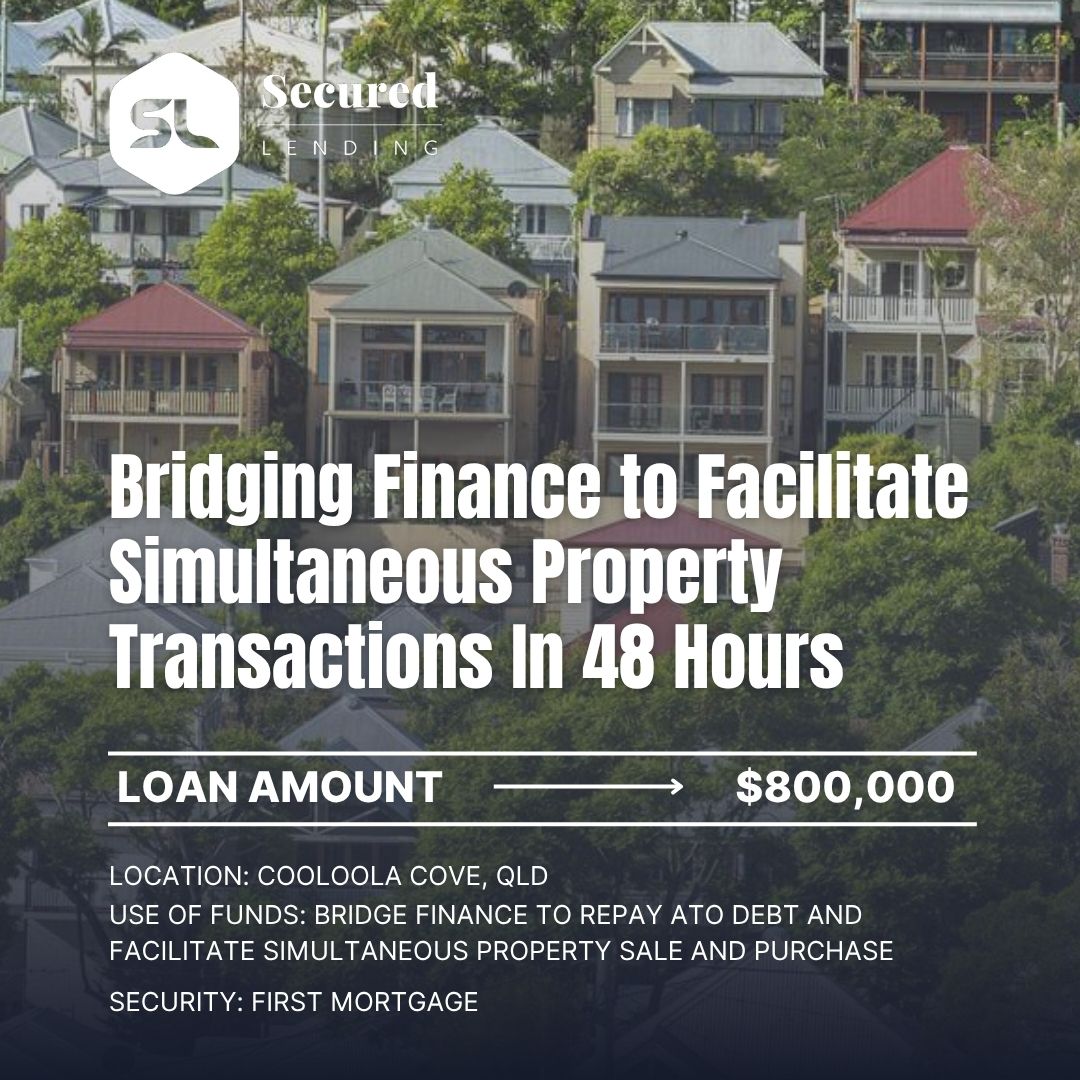
$800K Bridging Finance for Simultaneous Property Transactions in 48 Hours

$300K Second Mortgage for Dental Practice Working Capital in 5 Days
Settling on land with a known contamination history? Our urgent short term finance for contaminated sites page explains how we value the site as it is today.
At Secured Lending, we speak to clients every week who require finance and we are happy to provide guidance and requirements for Site Remediation Finance. Our role is to help you understand what lenders need to see, what the security options are, and how to structure a facility that matches your remediation program and exit strategy.
A non bank private lender for site remediation finance
Remediation projects often involve moving parts that don’t fit neatly inside bank credit processes. That doesn’t mean the deal is “too hard”, it usually means the funding needs to be assessed as a secured transaction with a staged risk profile, not as a standard commercial loan.
Secured Lending provides private, property-backed finance for borrowers who need speed, flexibility, and decision makers who understand how remediation works on the ground.
Why business owners choose a non bank private lender for site remediation
Faster credit decisions when timing matters
Remediation costs do not wait. Delays can trigger contractor remobilisation costs, extended holding costs, and missed development milestones. We use our own funds for fast decisions and have an internal property valuation team which allows us to move fast within 24 hour. This matters when you need to secure contractors, meet regulator timelines, or maintain momentum through a staged cleanup.
More flexible structuring around remediation stages
Site remediation can be staged, with milestones tied to validation testing, environmental consultant sign off, and authority requirements. A private lender can assess the transaction based on security, plan, and exit, rather than forcing a one size fits all policy. This can support bridging finance, short term funding, or structured drawdowns aligned to works completed.
A secured lending approach
Remediation finance is typically secured against property. The focus is on asset value, marketability, and a clear path to exit. When the deal is well documented, private secured lending can be a strong fit for business owners who need certainty of execution and realistic time frames.
Better alignment with short time frames
Many remediation borrowers do not want long term debt. They want capital to solve a specific problem then refinance, sell, or progress into construction funding. We specialise in short term finance of 1 to 24 months, which suits remediation, holding costs, and transition periods.
Private lending built around your remediation timeline
If you’re comparing funding options, the key difference is execution and flexibility across stages. Working with a private lender in Australia can provide a more practical pathway when the site is “in transition” and traditional lenders need certainty that won’t exist until works are completed.
Site remediation finance structured around your project and exit plan
The best remediation facilities are built around two things:
- •how the works will be delivered (scope, timing, cost control), and
- •how the loan will be repaid (refinance, sale, development, or improved cash flow once risk reduces).
Where a bank might focus on policy constraints, remediation funding typically comes down to security quality, documentation, and a credible path from “today’s site status” to a financeable or saleable outcome.
Common uses of site remediation finance
Business owners typically seek remediation funding for:
- •Soil contamination treatment and removal
- •Groundwater management and monitoring
- •Site investigations and environmental reports
- •Validation sampling and certification costs
- •Demolition and site preparation tied to remediation
- •Holding costs while completing remediation to unlock a higher valuation
- •Bridging finance to refinance away from expiring facilities or urgent settlement deadlines
Secured Lending Loan parameters
For borrowers who need private funding backed by real property, Secured Lending offers:
- •We have funded over $500million loans
- •We offer loans from $250k to $10M
- •Rates from 9.7% p.a.
- •We specialise in short term finance of 1 to 24 months
- •We use our own funds for fast decisions and have an internal property valuation team which allows us to move fast within 24 hour
These parameters are designed for time sensitive, asset backed transactions where the borrower needs clarity on amount, term, and execution.
What lenders typically need to assess a remediation loan (and what we look for)
Site remediation is not just about the property. It’s about the plan and how risk reduces over time. When we provide guidance on requirements for Site Remediation Finance, we generally focus on:
- •Security details, location, current use, zoning and comparable market evidence
- •Remediation scope, method statement, and proposed time line
- •Reports from qualified environmental consultants, including investigation outcomes where available
- •Budget, contractor quotes, and contingencies
- •Evidence of approvals where applicable and a practical path to compliance
- •Your exit strategy, such as refinance, sale, development, or increased cash flow after remediation
- •Your experience and capability to deliver the works, including project management arrangements
If you have gaps in documentation, we will tell you what matters most and what can be staged so the transaction keeps moving.
How Secured Lending can support you beyond remediation funding
Many remediation projects sit inside larger business objectives, such as acquisition, repositioning, development, or refinancing. We are specialist private lenders across non-bank business loans, secured facilities, and property-backed structures.
This matters because the right structure may involve more than one facility type, or a transition from remediation funding into a different solution once the site risk is reduced. In some scenarios, a private bridging finance facility can help you commence works and maintain momentum while you work toward refinance or sale.
For example, you may need:
- •A bridging loan to settle quickly, then remediate and refinance
- •A second mortgage to access equity while keeping an existing facility in place
- •A secured business loan where property security supports business cash flow needs during works
We also offer private mortgage solutions for property-backed transactions where speed and structure matter, including private mortgage options and tailored facilities for different stages of a project. Depending on the security and exit, a first mortgage structure may also be suitable.
The goal is to match the debt to the project, not force the project to fit the debt.
Areas we service across Australia
Secured Lending is a non bank private lender servicing Sydney, Melbourne, Brisbane, Gold Coast, Perth, Adelaide, Canberra and surrounding metro and regional areas. If your site is outside the CBD or in a regional growth corridor, the fundamentals still come down to security quality, a credible remediation plan, and a clear exit.
A practical next step if you need site remediation finance
If you are a business owner looking for a private lender for Site Remediation Finance, the strongest starting point is a clear summary of the asset, the remediation scope, your timeline, and your exit.
We speak to clients every week who require finance and we are happy to provide guidance and requirements for Site Remediation Finance, so you can understand what is achievable, how quickly it can be assessed, and what structure best suits your situation.
Frequently asked questions
1) Can funding be released in stages as remediation milestones are achieved?
Yes. For many remediation projects, staged funding is more practical than a single upfront advance. A facility can be structured with drawdowns aligned to agreed milestones (for example: mobilisation, removal works, validation sampling, and sign-off), so capital matches progress and the risk profile reduces over time.
2) What if my remediation timeline shifts because of testing results, weather, or authority feedback?
Timeline movement is common in remediation. The key is having a credible baseline program, a contingency allowance in the budget, and a clear communication process around variations. Where the security and exit still stack up, a private lender may be able to accommodate extensions or reshaped drawdowns rather than forcing a hard stop mid-project.
3) Will you consider lending if the site is currently “hard to value” because contamination is unresolved?
It can be assessed, but the valuation approach and the documentation matter. Typically, the lender needs to understand the current “as is” position, the remediation pathway, and what evidence supports the expected uplift once works are completed. This is where strong environmental reporting and a realistic works program can make the difference.
4) What documentation makes the biggest difference to getting a fast decision?
Speed usually improves when the loan file clearly ties together: (1) the security, (2) the scope and costs, and (3) the exit. In practical terms, that often means a concise project summary, environmental consultant reports available to date, a method statement or scope, contractor quotes, and a simple timeline showing what happens first, next, and last.
5) Can remediation finance work alongside an existing bank loan (without refinancing the first mortgage)?
Sometimes, yes. Depending on the deal, a second mortgage structure can allow you to access funding for remediation while keeping an existing first mortgage in place. The feasibility depends on equity, serviceability, overall risk, and how the exit will repay both facilities.
6) If my exit is a refinance after remediation, what should I be planning for now?
Plan for what the next lender will want to see at the end of the works, not just what is needed to start. That can include the right validation evidence, consultant sign-off, any required certifications, and a clean narrative explaining what changed (risk reduction) and why the post-remediation valuation is supportable. A well-prepared exit package can reduce delays and improve refinance options once the site is remediated.
7) Will you lend on land that is known to be contaminated?
It depends what the reports say and what remediation costs. Contamination reduces value and creates liability that runs with the land, so our valuers assess the property with the remediation cost deducted. That usually means a smaller facility rather than none. What we cannot do is lend as though the land were clean and hope the numbers work out.
8) Can the loan fund the remediation works themselves?
Yes, and that is often the point: the land is unsaleable and unfinanceable until the work is done. We fund against the property at up to 70% of its assessed value in its current state, which is the conservative figure. The exit is the sale or refinance once the site is remediated and revalued at its clean value.