



If you’re buying an off-market property deal, timing and certainty can matter as much as price. You may be negotiating directly with a vendor, responding to a quiet campaign, or trying to secure a site before it reaches the open market. Contact us today if you need a fast funding pathway.
Recent client success
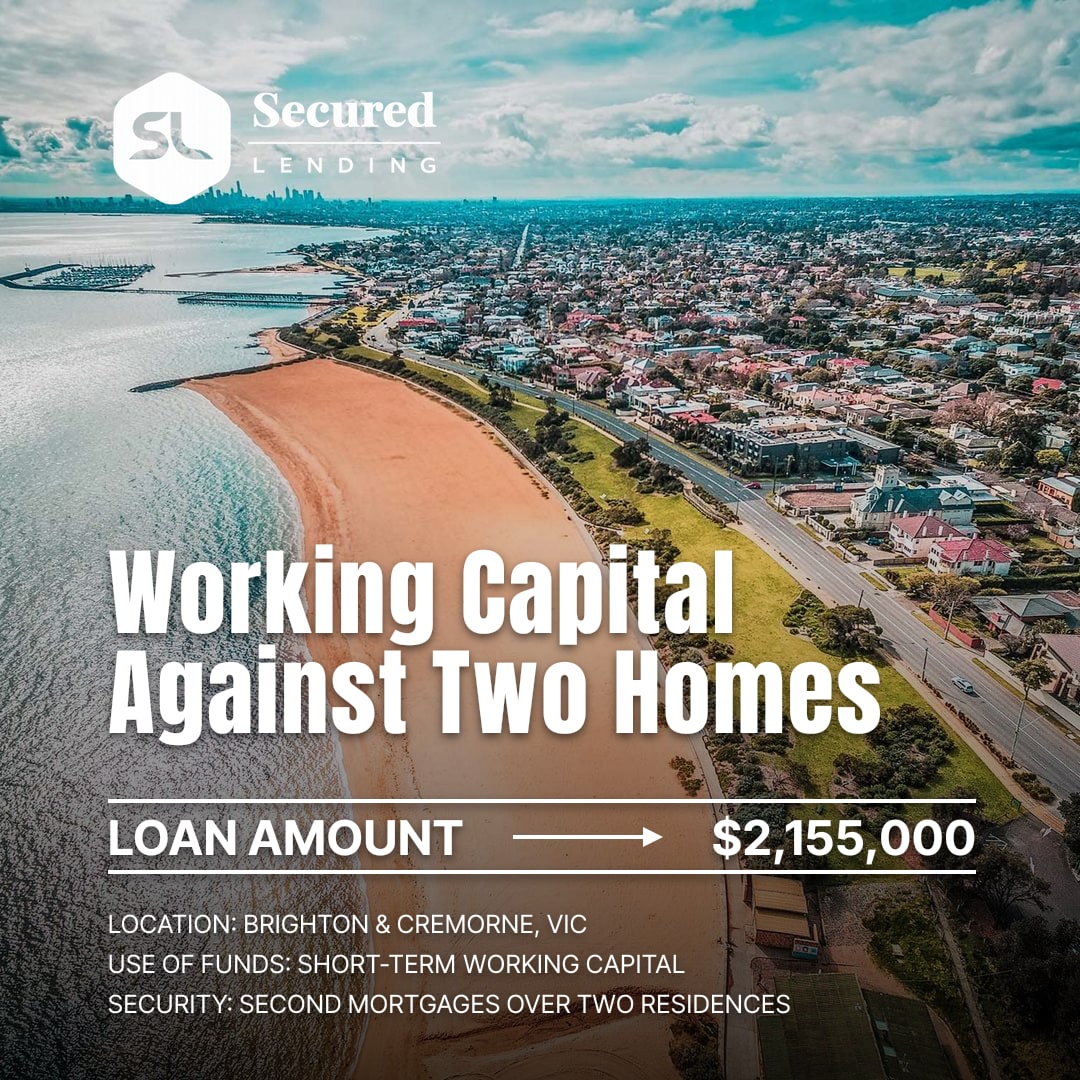
$2.155M Second Mortgage Working Capital Facility Across Brighton and Cremorne
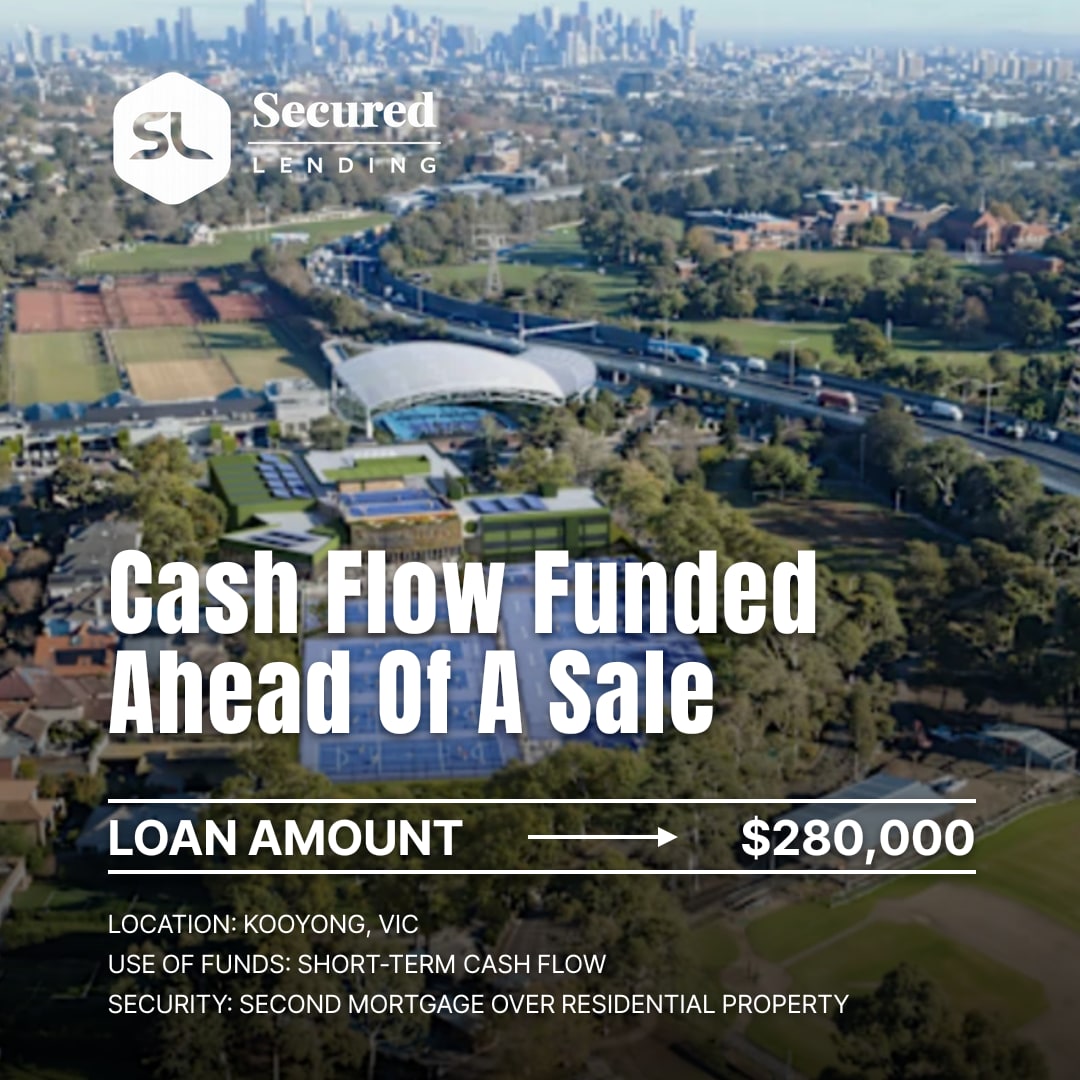
$280K Second Mortgage for Short-Term Cash Flow in Kooyong

$545K Bridging Loan Across Three Suburbs in Melbourne's North-West
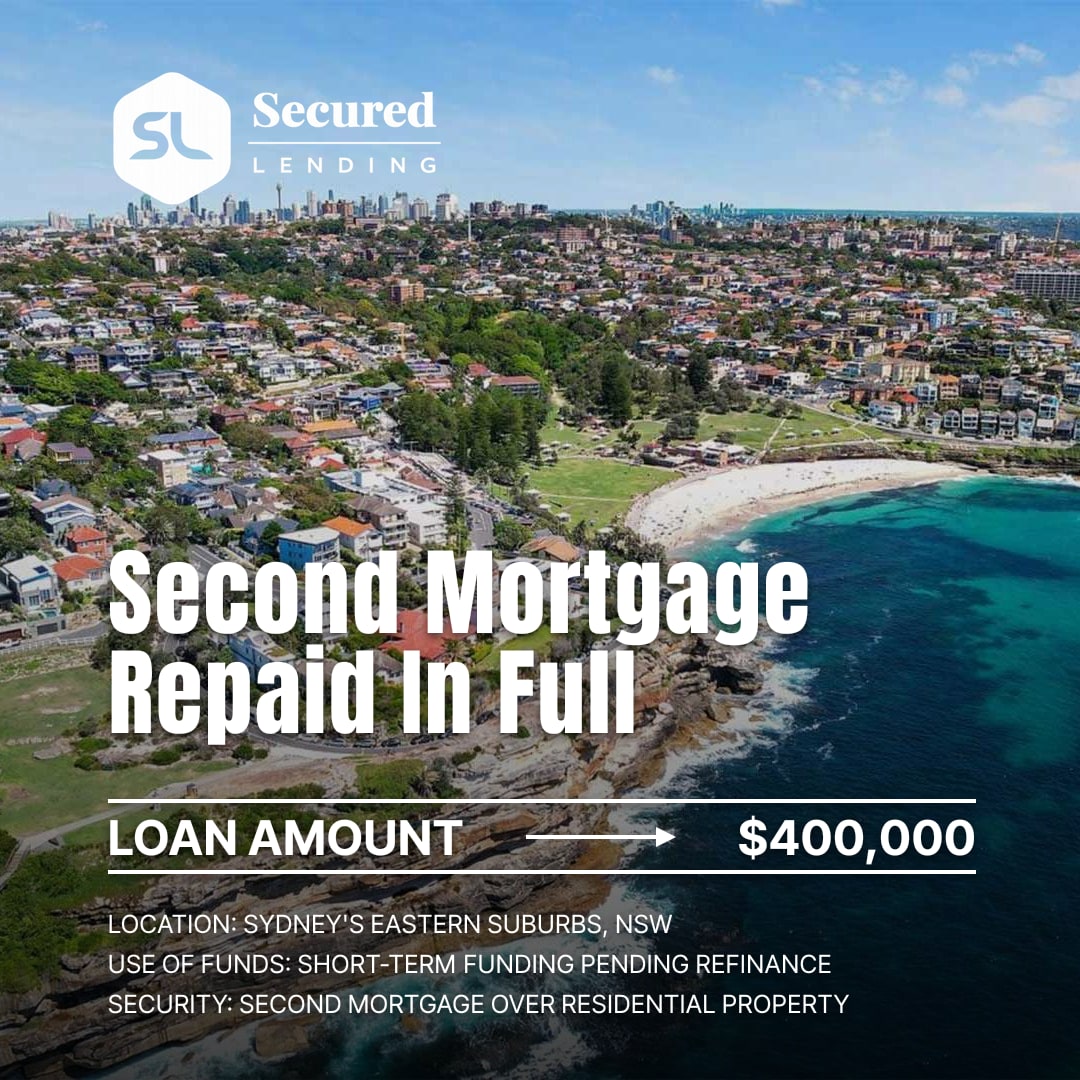
$400K Second Mortgage Repaid in Full After a Flexible Two-Month Extension
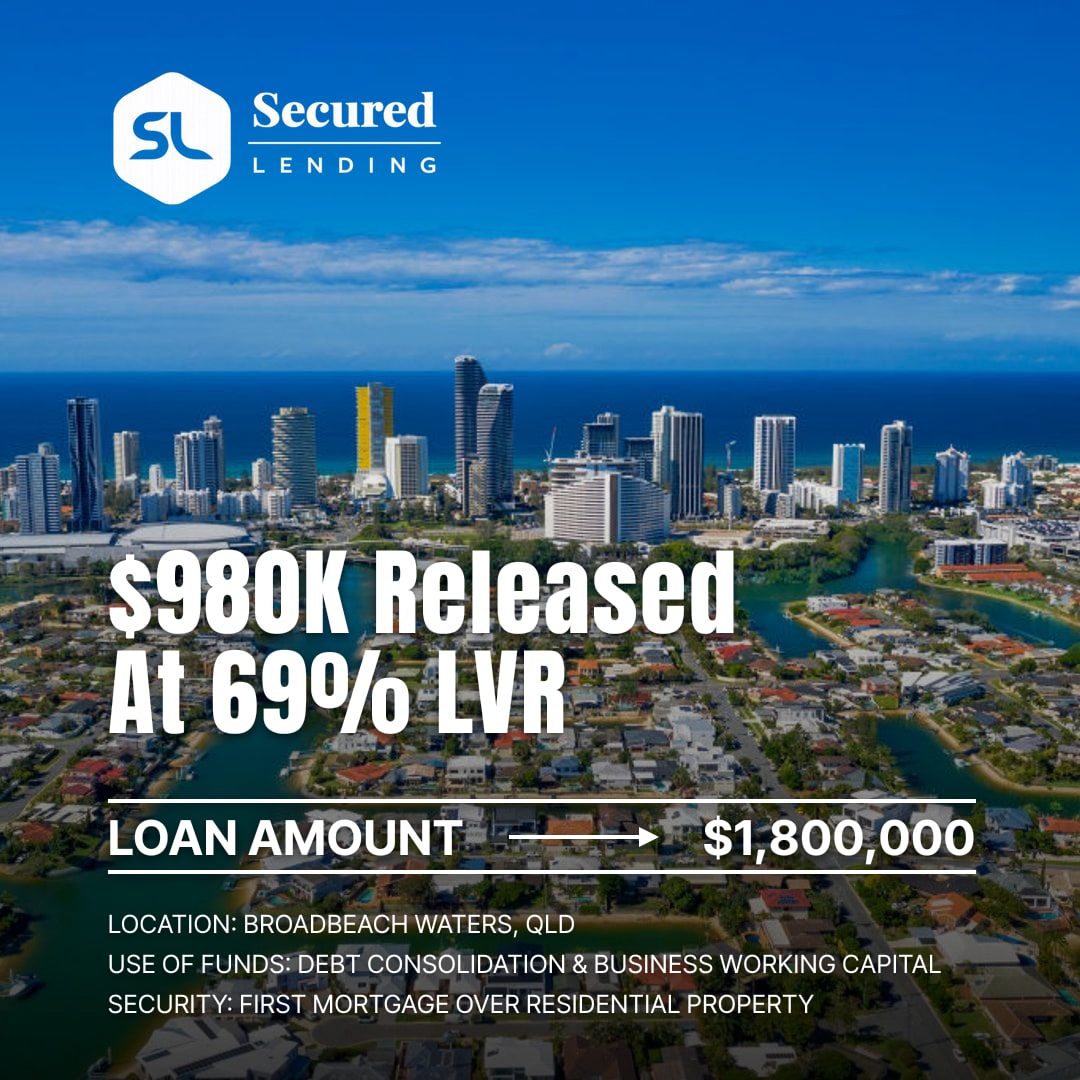
$1.8M First Mortgage Releases $980K of Working Capital for a Solar Business
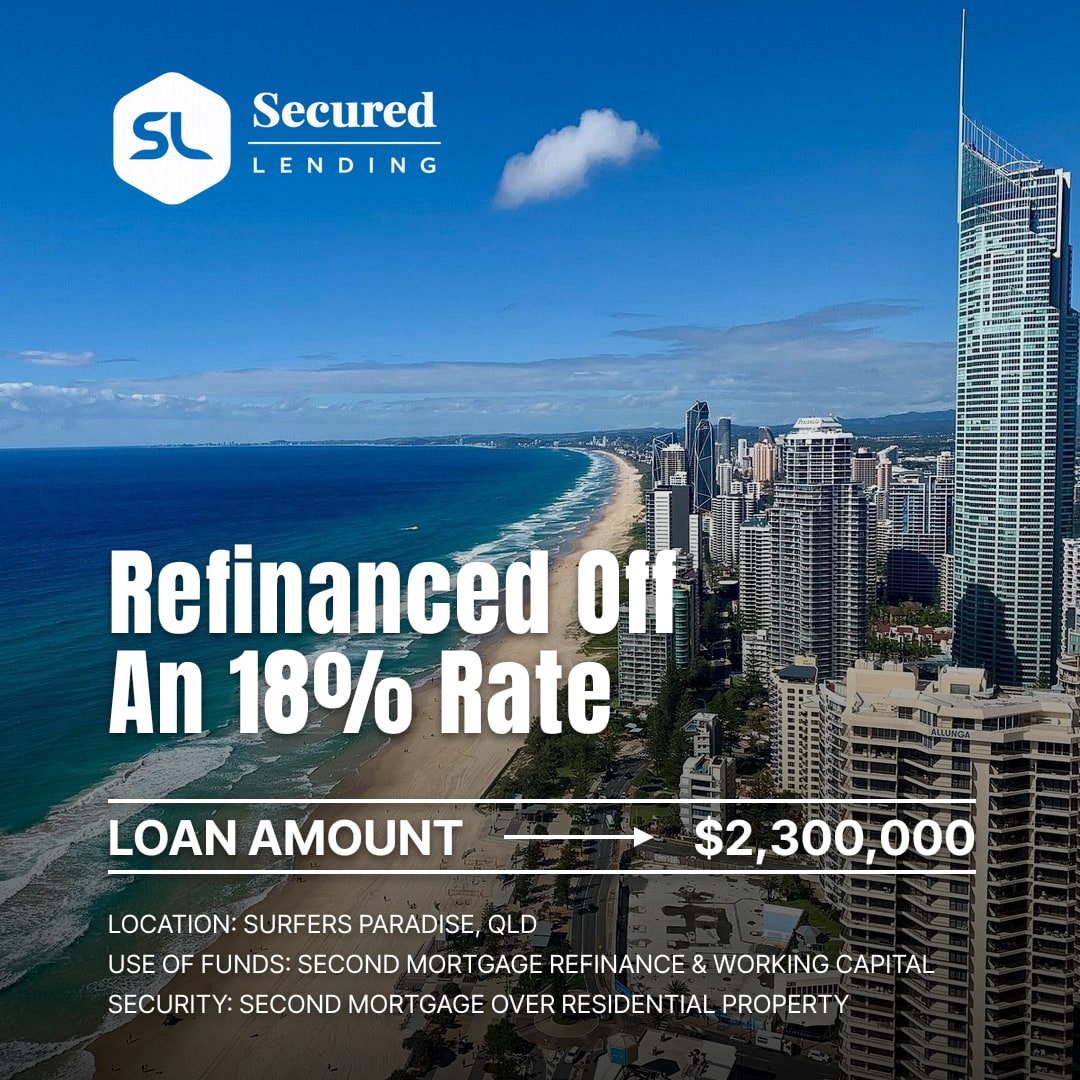
$2.3M Second Mortgage Refinances an 18% Facility for a Glass Manufacturer
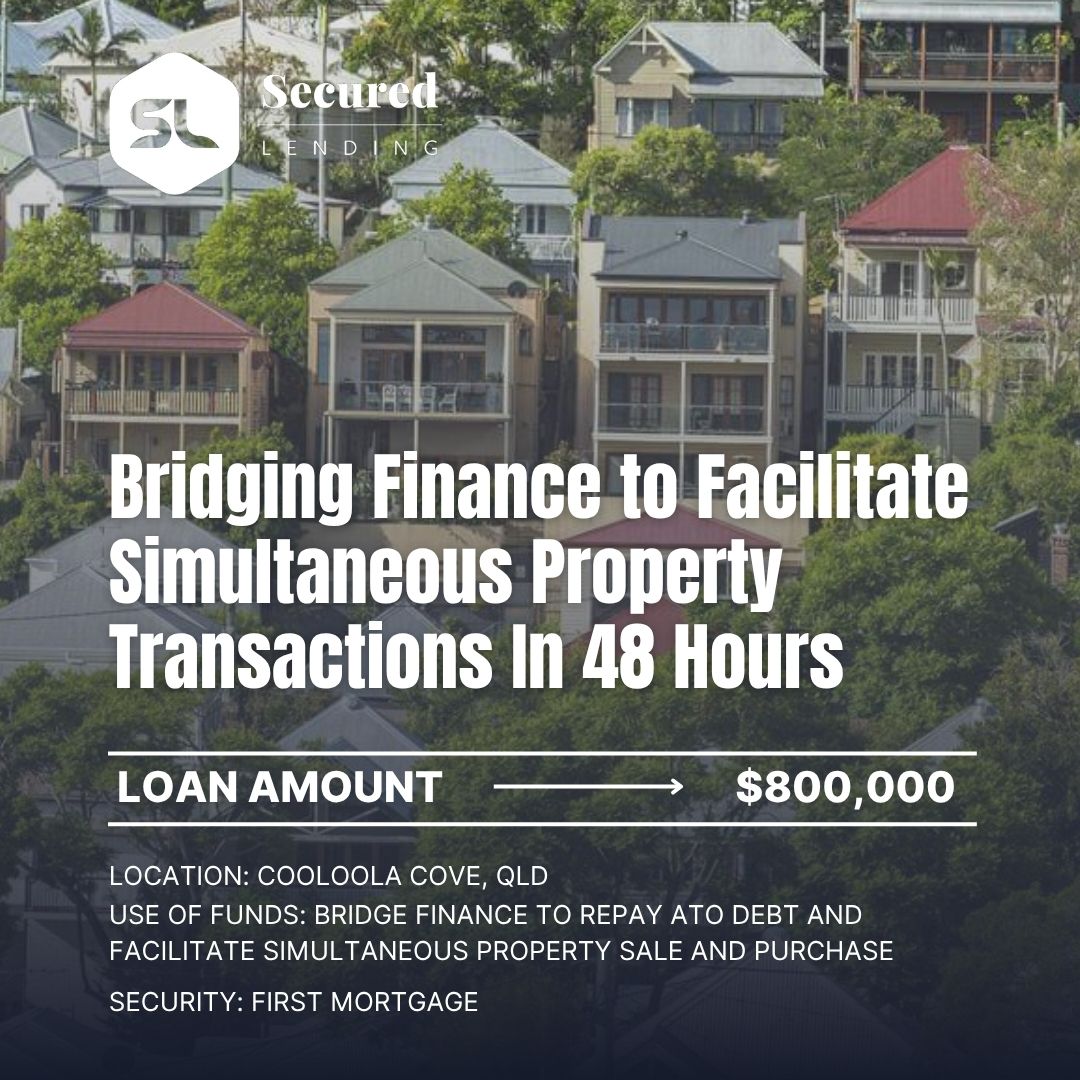
$800K Bridging Finance for Simultaneous Property Transactions in 48 Hours

$300K Second Mortgage for Dental Practice Working Capital in 5 Days
If the vendor wants an unconditional contract this week, our page on urgent short term loans for off-market purchases explains what we need to settle on the vendor's timetable.
Off-market transactions often come with tight deadlines, incomplete information early on, and contract conditions that don’t always suit standard bank processes.
This is where a non-bank private lender can be a strong fit—when you need a fast decision, practical requirements, and a funding path that matches how off-market deals actually happen.
A non-bank private lender for off-market property deals
Secured Lending provides private lending solutions for business owners and property investors who need to act quickly on off-market opportunities. As a private lender in Australia, we speak with clients every week and can provide guidance and requirements for off-market property deals—including what information to prepare, how security is assessed, and how to structure the facility for a clean settlement.
We are specialist private lenders in secured business loans, private mortgage solutions (including first and second mortgages), and bridging loans. That matters for off-market deals because the right structure depends on the asset, the exit strategy, and the timeframe—not a one-size-fits-all product.
We service Sydney, Melbourne, Brisbane, Gold Coast, Perth, Adelaide, Canberra and surrounding metro and regional areas.
Why business owners use non-bank private lending for off-market transactions
Off-market deals are often won by the buyer who can move decisively without creating uncertainty for the vendor. Private lending is commonly used in this space because it can better match the pace and nuance of the transaction.
Faster decisions when the opportunity is time sensitive
Off-market deals can move quickly and vendors often prioritise buyers who can demonstrate funding certainty. With private lending, the focus is on security, equity, and a clear exit plan—so you can progress without long internal bank timelines.
Flexible approach to property and borrower complexity
Banks may slow down when there are multiple entities, trust structures, mixed income, recent business changes, or property assets that need a practical view. A non-bank private lender can assess the deal on its merits, including how the security works and how you plan to repay.
Better alignment with short-term strategies
Many off-market acquisitions aren’t long-term holds. You might be repositioning, renovating, subdividing, consolidating debt, or planning a refinance after uplift. Short-term funding can bridge the gap between purchase and longer-term finance.
Funding certainty that supports negotiation
When you can show there’s a clear finance pathway, you’re negotiating from a stronger position. Certainty can support vendor confidence, contract terms, and settlement timing.
What Secured Lending offers for off-market property deals
These are the core facility parameters we offer, designed for speed and short-duration requirements:
- •Funded over $500 million in loans
- •Use our own funds for fast decisions, plus an internal property valuation team to help us move quickly (often within 24 hours)
- •Loans from $250k to $10M
- •Rates from 9.7% p.a.
- •Short-term finance from 1 to 24 months
Common ways private finance is used in off-market property deals
Off-market doesn’t mean “simple.” It often means you need the right facility structure to keep the transaction clean, credible, and executable.
Bridging to settlement
If you need to settle quickly, or the vendor is only offering short terms, private bridging finance can provide the speed required while you prepare your longer-term refinance, sale, or other exit.
First mortgage funding
A private first mortgage can suit purchases where you need a clean, senior facility secured against the property—especially when speed and certainty are critical.
Second mortgage funding
A second mortgage may be relevant when you already have a senior lender in place and need additional capital for the acquisition, deposit support, or working capital (subject to suitability and overall risk settings).
Secured business lending linked to a property outcome
Some business owners acquire property as part of a broader strategy—relocation, warehousing, or restructuring operations. A secured business loan can support the transaction where the property security and business purpose align.
What to prepare for an off-market lending assessment
Off-market doesn’t mean informal. The stronger your file, the faster the decision. In our weekly conversations with borrowers, the same items consistently help move a deal forward:
- •Contract details or heads of agreement (if available)
- •Property address and a basic property description
- •Purchase price and a clear explanation of how it was agreed
- •Your proposed exit strategy (e.g., refinance, sale, or cash out from another asset)
- •Evidence of equity and any existing debt on related properties
- •Entity structure and the key parties to the transaction
If you’re early in the process, we can still provide guidance on requirements so you know what to line up before you commit.
Why Secured Lending is a fit for off-market buyers
Off-market property deals reward decisive buyers, but the funding must be dependable. Secured Lending focuses on secured property-backed lending, fast turnaround, and short-term structures that match acquisition timelines. Because we use our own funds and have an internal property valuation team, we can move quickly and reduce delays that commonly derail off-market purchases.
If you’re considering an off-market acquisition in Sydney, Melbourne, Brisbane, Gold Coast, Perth, Adelaide, Canberra or surrounding metro and regional areas, Secured Lending can help you understand the finance pathway, the likely requirements, and whether a private first mortgage, second mortgage, bridging loan, or secured business loan is the right structure for your deal.
Frequently asked questions
1) What if I don’t have a full contract yet—can you still indicate whether the deal is fundable?
Yes. If you can share the property address, the likely purchase price, the proposed settlement timing, and your intended exit strategy, we can usually provide guidance on whether the scenario fits and what you’d need to confirm next (e.g., access, valuation approach, entity docs).
2) How do you assess an off-market purchase price if there’s limited market evidence?
We look at the property fundamentals and available comparable evidence, then rely on a valuation pathway that fits the urgency of the transaction. Off-market pricing can be reasonable—but it needs to make sense against the security and the exit, not just the story behind the deal.
3) Can finance still work if the property has issues that make banks hesitate (tenancy changes, unusual layout, short WALE, specialised use)?
Often, yes—depending on the asset, location, loan structure, and your exit. Private lending can be more practical where the property needs a scenario-based view rather than a strict checklist approach.
4) What settlement timelines are realistic for an off-market deal using private lending?
It depends on access for valuation, how quickly you can provide documents, and how complex the ownership structure is. Where the file is well-prepared and access is available, decisions can move quickly and settlement can be structured to match the transaction’s timeframe.
5) If i’m planning a quick refinance, what do you need to see in the exit strategy?
We’ll want to understand what changes between purchase and refinance (e.g., uplift, leasing, renovation completion, debt reduction, improved financials). A strong exit is specific on timing and the steps required—not just “refinance later.”
6) Can you structure funding to help me negotiate without overcommitting too early?
In many cases, yes. The goal is to help you present genuine funding certainty while keeping the facility aligned to the final contract terms. The earlier you share the expected structure and constraints (timing, deposit, access, special conditions), the easier it is to shape a clean pathway to settlement.
For borrowers who have been declined or delayed by banks, non-bank business loans can be a practical alternative when the security and exit are clear.
7) Why does an off-market deal need private finance at all?
Because the terms that make an off-market purchase available are usually speed and certainty, and those are exactly what a bank cannot offer. A vendor accepting a below-market price is buying a fast, unconditional settlement. If your finance takes six weeks, the discount evaporates or the deal goes to someone whose money is ready.
8) Does a below-market purchase price help my application?
Yes, materially. We lend against assessed value, not against your purchase price, so buying at $1,400,000 an asset our valuers assess at $2,000,000 means the loan sits at a much lower LVR than 70% on what you paid. That is one of the strongest positions a borrower can be in and it usually improves the pricing as well.