



Retirement village projects are capital intensive, time sensitive, and documentation heavy. Whether you are acquiring a site, refinancing an existing facility, funding staged construction, or bridging to longer-term institutional funding, the biggest risk is delay. You need a lender that understands property-backed lending, can assess real security, and can make a decision quickly when timelines and contracts are moving. Contact us today.
Recent client success
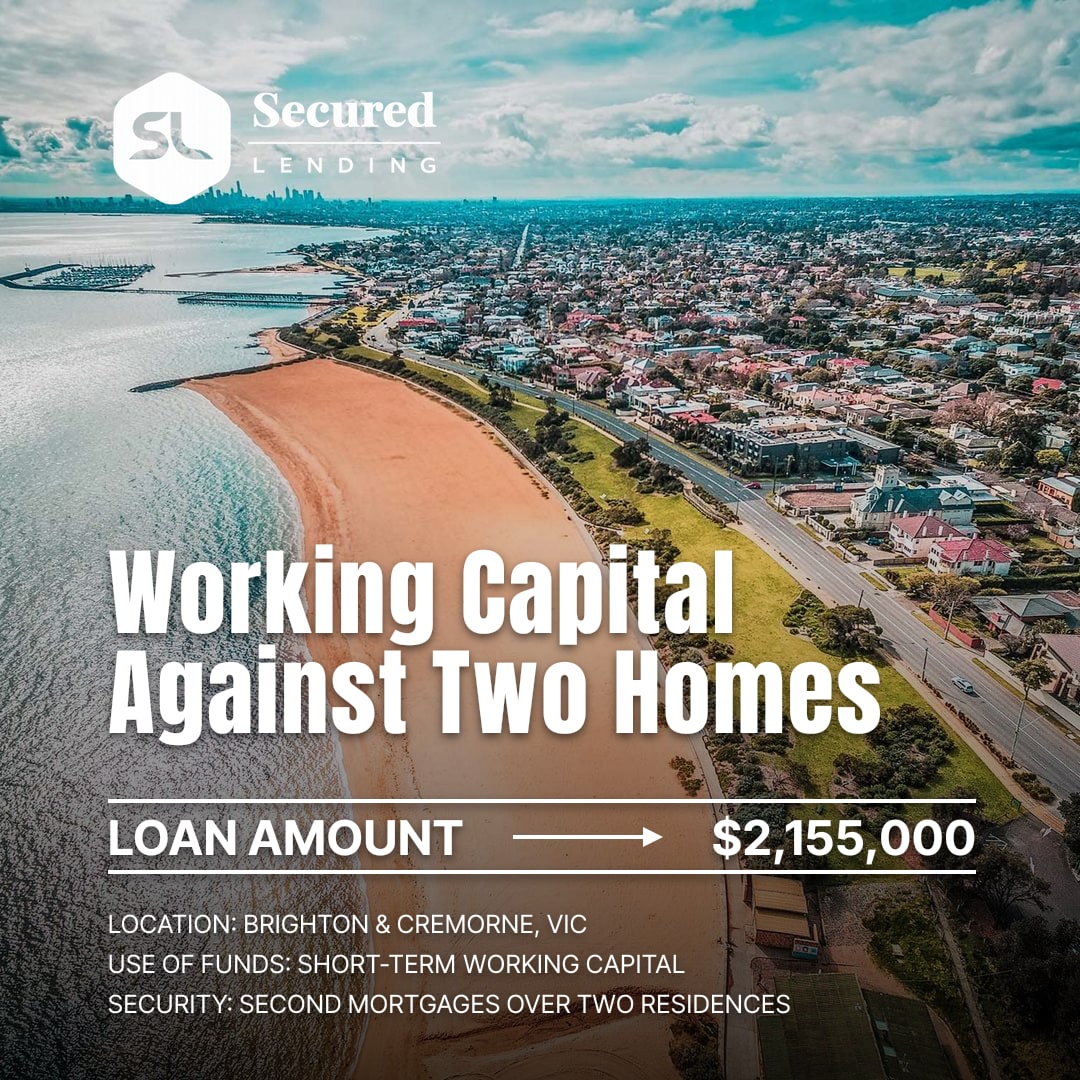
$2.155M Second Mortgage Working Capital Facility Across Brighton and Cremorne
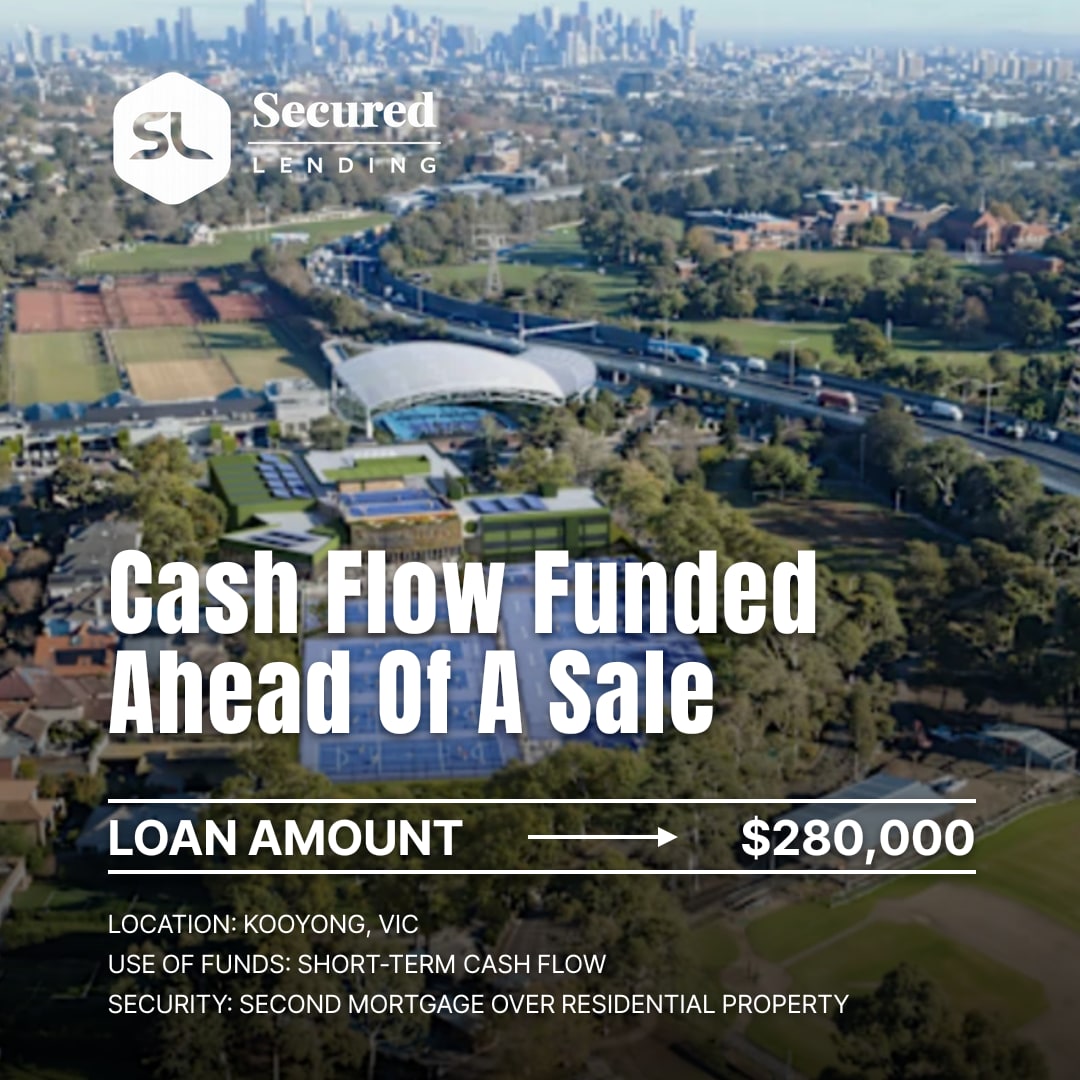
$280K Second Mortgage for Short-Term Cash Flow in Kooyong
$545K Bridging Loan Across Three Suburbs in Melbourne's North-West
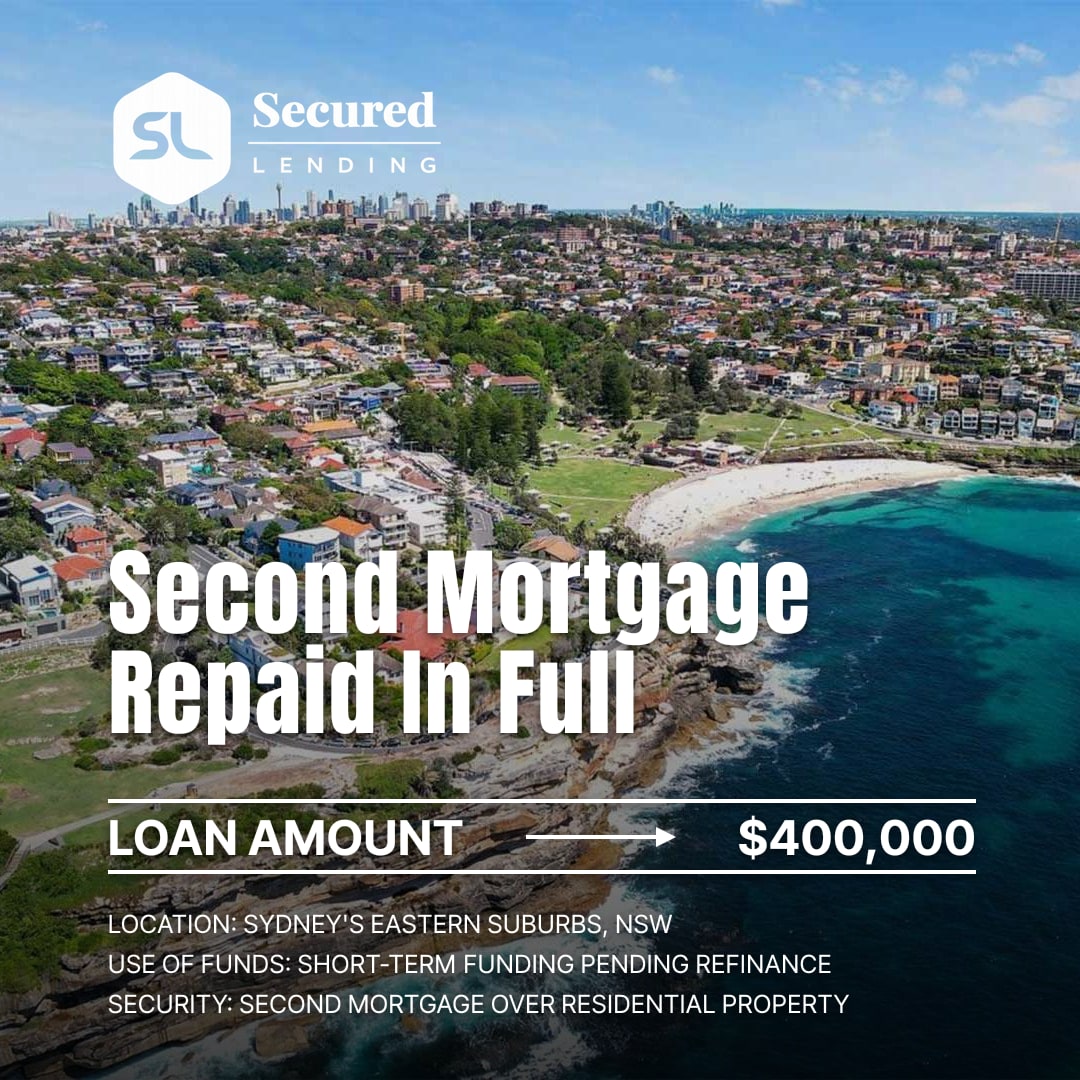
$400K Second Mortgage Repaid in Full After a Flexible Two-Month Extension
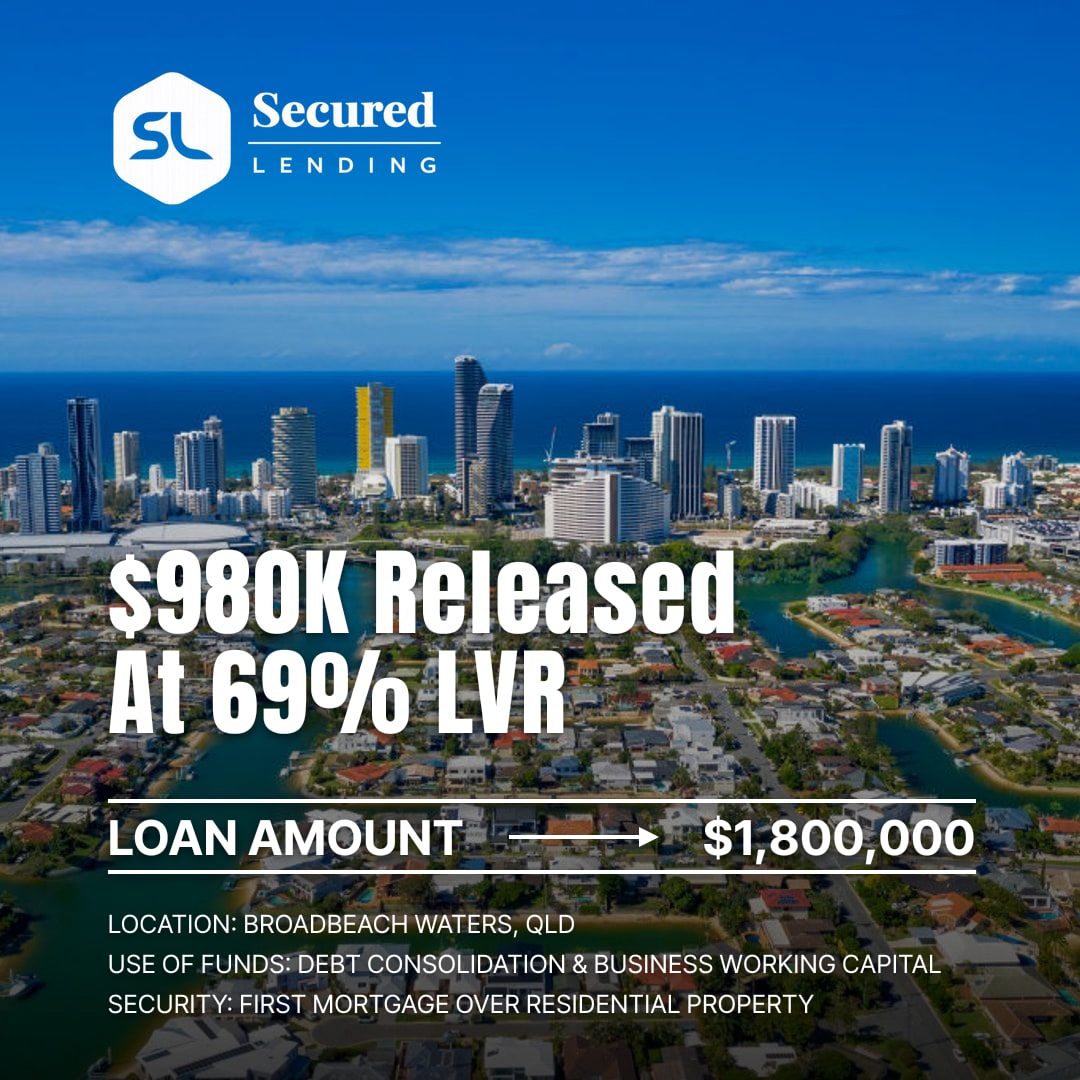
$1.8M First Mortgage Releases $980K of Working Capital for a Solar Business
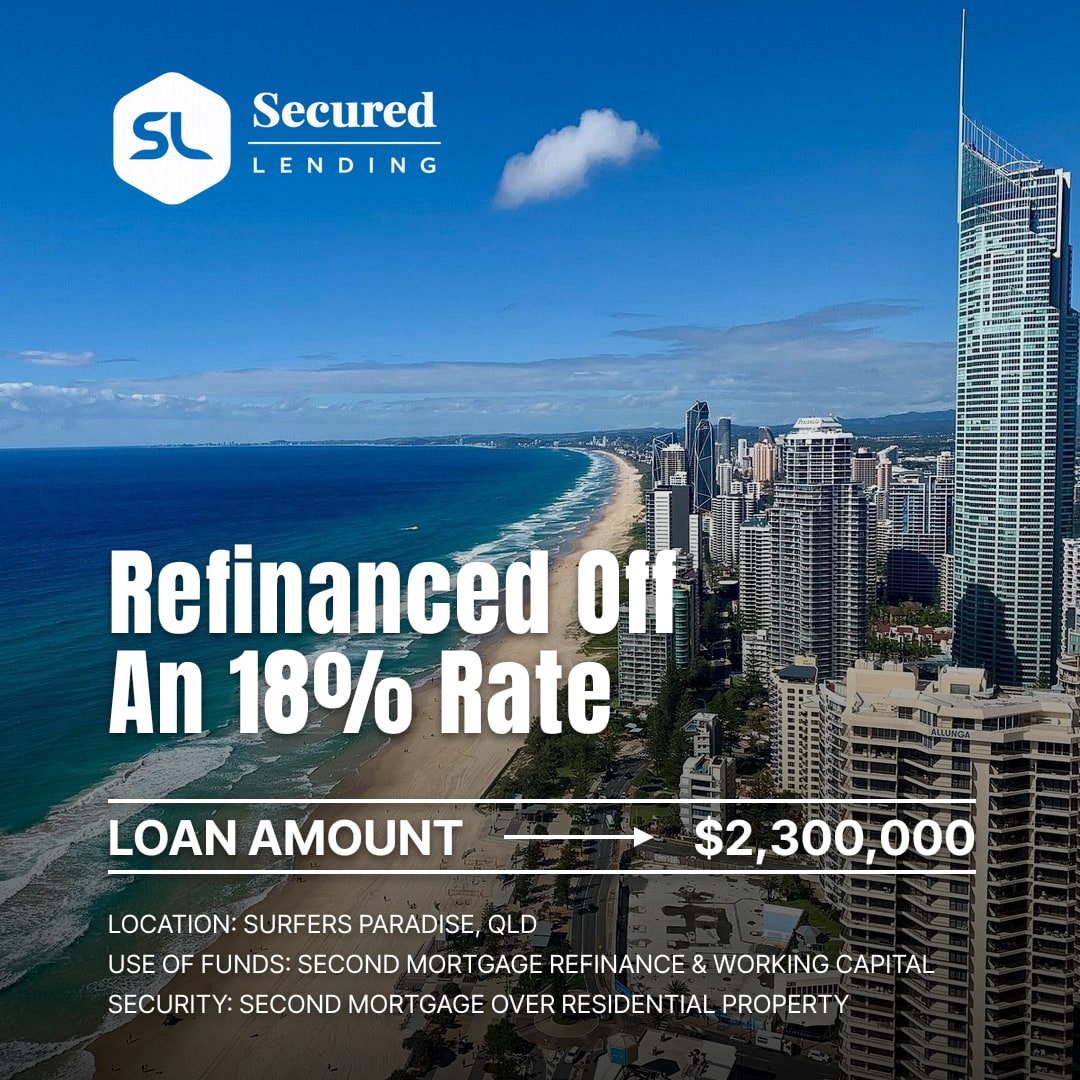
$2.3M Second Mortgage Refinances an 18% Facility for a Glass Manufacturer
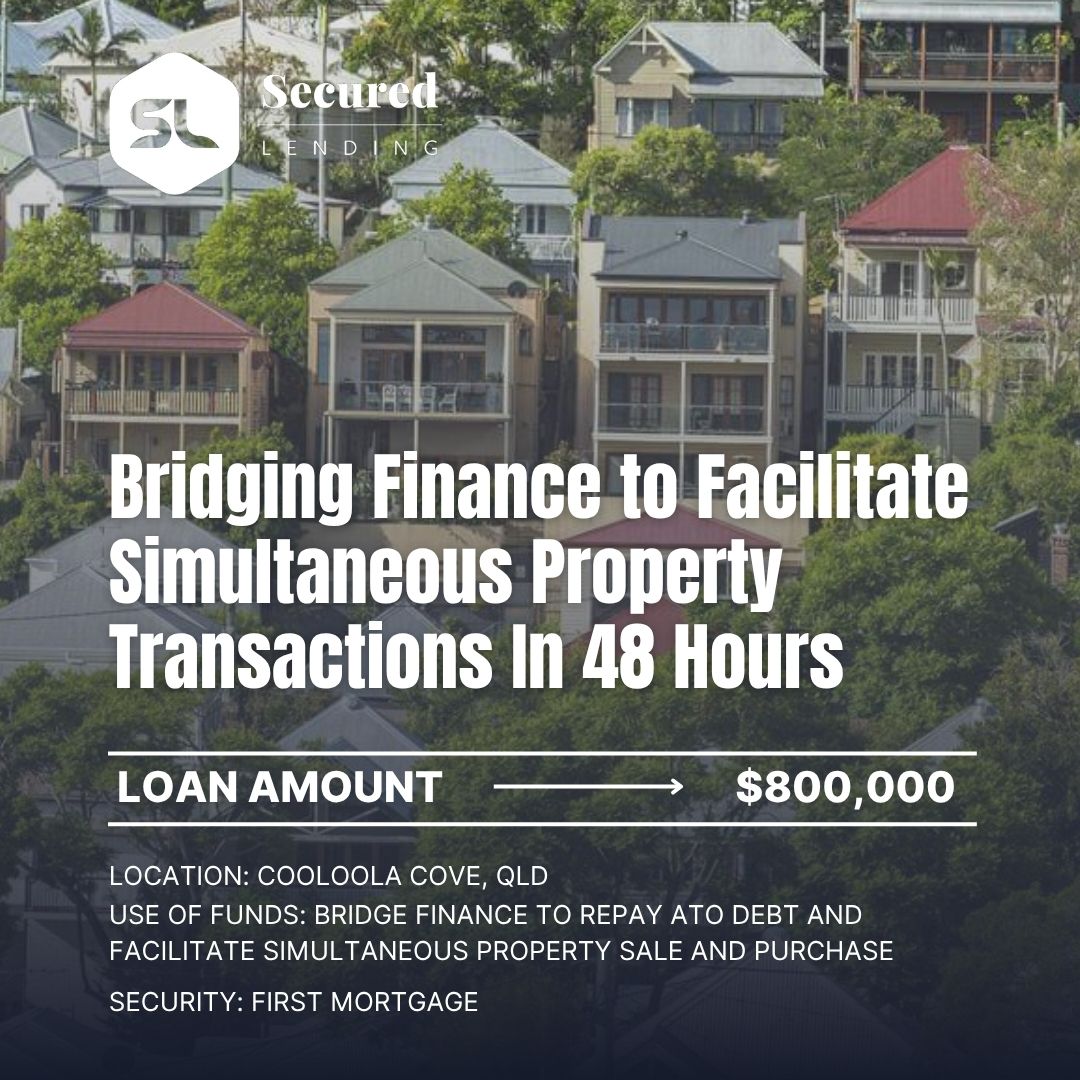
$800K Bridging Finance for Simultaneous Property Transactions in 48 Hours

$300K Second Mortgage for Dental Practice Working Capital in 5 Days
Read our page on urgent short term finance for retirement villages and aged care if a settlement or loan expiry is close.
Secured Lending is a specialist private lending business focused on secured business loans, private mortgages (including first and second mortgages), and bridging loans. We speak to clients every week who require finance, and we’re happy to provide guidance on typical requirements for Retirement Village Finance. If you have a clear strategy and suitable property security, we can help you understand what information we need, how we assess risk, and what a realistic pathway to funding looks like.
A non-bank private lender approach (when bank timelines don’t match your deal)
Working with a non-bank private lender for Retirement Village Finance can make a measurable difference when a bank process is too slow, too rigid, or not aligned to your transaction structure. As a private lender, our assessment is built to match real-world deadlines and security-led decisions.
Why borrowers use a non-bank private lender
Faster decisions when timing matters Retirement village opportunities often involve settlement deadlines, conditional contracts, or construction milestones. non-bank business loans can be a practical option when a bank credit cycle or policy constraints create unacceptable timing risk.
Security-focused assessment Private lending is typically driven by asset quality, location, and exit strategy rather than only historic financials. This can suit experienced operators, developers, and owner-operators managing a transition, expansion, or refinance.
Flexible structures for short-term needs Retirement village funding often requires bridging finance, short-term working capital secured against property, or a loan that solves a specific bottleneck until a longer-term facility is available. private bridging finance can support transactions such as acquisition bridging, subdivision timing gaps, refinance while repositioning, or funding costs while approvals are finalised.
A clearer path when the exit is well defined If you have a credible exit strategy—sale of a site, refinance to a long-term lender, staged sell-down, or settlement of incoming capital—private finance can provide breathing room without forcing you into a long approval process that may not match your timeline.
What Secured Lending can provide for retirement village finance
If you’re seeking Retirement Village Finance and want a private lender that can move fast with a professional process, Secured Lending offers:
- •Funded over $500 million in loans
- •Own funds for fast decisions, plus an internal property valuation team which allows us to move fast (often within 24 hours)
- •Loan sizes from $250k to $10M
- •Rates from 9.7% p.a.
- •Short-term finance from 1 to 24 months
These parameters are designed for business owners who need speed, certainty, and a lender comfortable assessing property-backed risk for business purposes—whether the solution is a secured business loan for an acquisition, a refinance, or a time-critical project step.
Where we lend (Australia-wide metro and many regional locations)
Secured Lending is a non-bank private lender servicing Sydney, Melbourne, Brisbane, Gold Coast, Perth, Adelaide, Canberra and surrounding metro and regional areas. If your retirement village project is outside the CBD but has strong market fundamentals and clear property security, private lending may still be viable.
When private retirement village finance is a strong fit
Private Retirement Village Finance is commonly used when the transaction is sound, but the timing or structure is not bank-friendly. Common scenarios include:
Acquisition bridging
You need to settle quickly, then refinance once final approvals, DA conditions, or longer-term funding is in place.
Refinance with a defined improvement plan
You’re repositioning an asset, stabilising occupancy, improving operations, or completing works that strengthen valuation and refinancing options.
Construction or staged development support
Short-term funding can help you progress to the next stage when funding is required now, not after a lengthy bank process.
Second mortgage or supplementary funding
Where a senior lender is in place, a second mortgage structure may assist with additional capital needs, subject to security, equity, and risk considerations.
What we typically need from you (so you can get a clear answer sooner)
Retirement village transactions can be complex. Having the right information ready helps reduce friction, shorten assessment time, and improve clarity around what’s achievable. While requirements vary, we commonly review:
- •Property security details and current encumbrances
- •Proposed loan amount and intended use of funds
- •Exit strategy and realistic timeframe
- •Project information (feasibility, approvals status, construction plan, operating performance where relevant)
- •Borrower structure and key parties involved
Where the strategy is clear, we can often outline a practical pathway—whether that involves a first mortgage position or an alternate structure aligned to your timeline, security, and exit.
Why borrowers choose Secured Lending
Business owners tend to look for three outcomes in private lending: speed, clarity, and follow-through. Secured Lending focuses on secured lending across business loans, private mortgages, and bridging solutions. That specialisation matters because retirement village funding is rarely a simple vanilla loan—it requires a lender who can evaluate security, understand the timeline, and provide decisive feedback.
If you’re exploring Retirement Village Finance and need a non-bank private lender that can assess your property-backed opportunity quickly, Secured Lending can help you move from enquiry to requirements to a decision with minimal friction—keeping the focus on security quality and a clear exit path, supported by fit-for-purpose private mortgage options where appropriate.
Frequently asked questions
1) What does a “clear exit strategy” look like for a retirement village loan?
A clear exit is one where the pathway and timing are credible and evidence-based—such as a refinance plan tied to a defined milestone (DA approval, completion of works, stabilised occupancy), a sale process with realistic timeframes, or confirmed incoming capital. The stronger the evidence around the exit, the clearer the credit decision tends to be.
2) If my project is staged, can funding be aligned to milestones rather than provided all at once?
Often yes. Many retirement village projects benefit from funding structures that match real project timing—such as staged drawdowns, short-term bridging for a specific bottleneck, or funding to reach the next valuation or approval event. The key is that the security position and exit remain clear throughout the stages.
3) How do you assess the property security on a retirement village transaction?
The focus is typically on the underlying property fundamentals and risk: location, market depth, realisable value, current encumbrances, and how the asset could be exited if needed. Retirement village assets can be documentation-heavy, so having clear security information and a well-defined plan helps assessment move faster.
4) Can you help if the bank said no due to policy rather than deal quality?
Sometimes. Bank declines often come down to policy constraints (timing, presales, lease-up profile, specialised asset class appetite, or documentation complexity) rather than the security itself. A private lender assessment is usually more security-and-exit focused, which may suit transactions that are strong but not “bank-shaped.”
5) What information should I prepare to avoid delays during assessment?
The biggest time-savers are: a clean summary of the transaction and use of funds, current title and encumbrances, a realistic exit plan with dates, and project documentation relevant to the stage you’re at (feasibility, approvals status, construction plan, operating performance if it’s an existing facility). Clear borrower structure and decision-makers also help keep momentum.
6) Can a second mortgage work on a retirement village project without disrupting the senior lender?
It can, provided the equity position, risk profile, and intercreditor expectations stack up. Second mortgage funding is typically used for a specific capital need (time-critical costs, bridging, or a defined project step), and it works best when the position of each lender is clearly documented and the overall exit strategy remains conservative.
7) How do resident loan arrangements affect the security?
Materially, and they are the first thing to examine. Resident loans, deferred management fees and statutory charges can sit against the land and affect what a mortgagee could realise. Our valuers and lawyers assess the actual title position, not the headline value of the village. Bring the resident contracts and the title early, because they usually determine the answer.
8) Can you fund a stage of a village expansion?
We can fund an acquisition, a pre-construction window or a gap, rather than a staged construction program with progress draws. The exit is generally a bank or specialist facility once the stage is complete and settled, or the sale of a completed asset. If you need drawdowns against certified claims, a construction lender is the right partner.