


If your business needs a fast decision to buy, refinance, or unlock cash from machinery and heavy equipment, a private lender can be the difference between winning and losing a contract. Bank timelines and rigid policy often don’t match the pace of construction, transport, earthmoving, civil works, mining services, and manufacturing. Contact us today.
Secured Lending supports business owners who need certainty, speed, and a clear path to approval. We speak to clients every week and can guide you on Machinery and Heavy Equipment Finance—what documents matter most, what security options are available, and how to structure a short-term facility that fits your project cycle.
What machinery and heavy equipment finance can cover
Machinery and heavy equipment finance is commonly used for:
- •New equipment purchases to expand capacity
- •Used equipment purchases when timelines are tight
- •Refinancing existing equipment or lender payout
- •Cash out against owned machinery to fund working capital
- •Bridging a gap between invoices, progress claims, and payroll
- •Quick capital to mobilise crews and secure materials
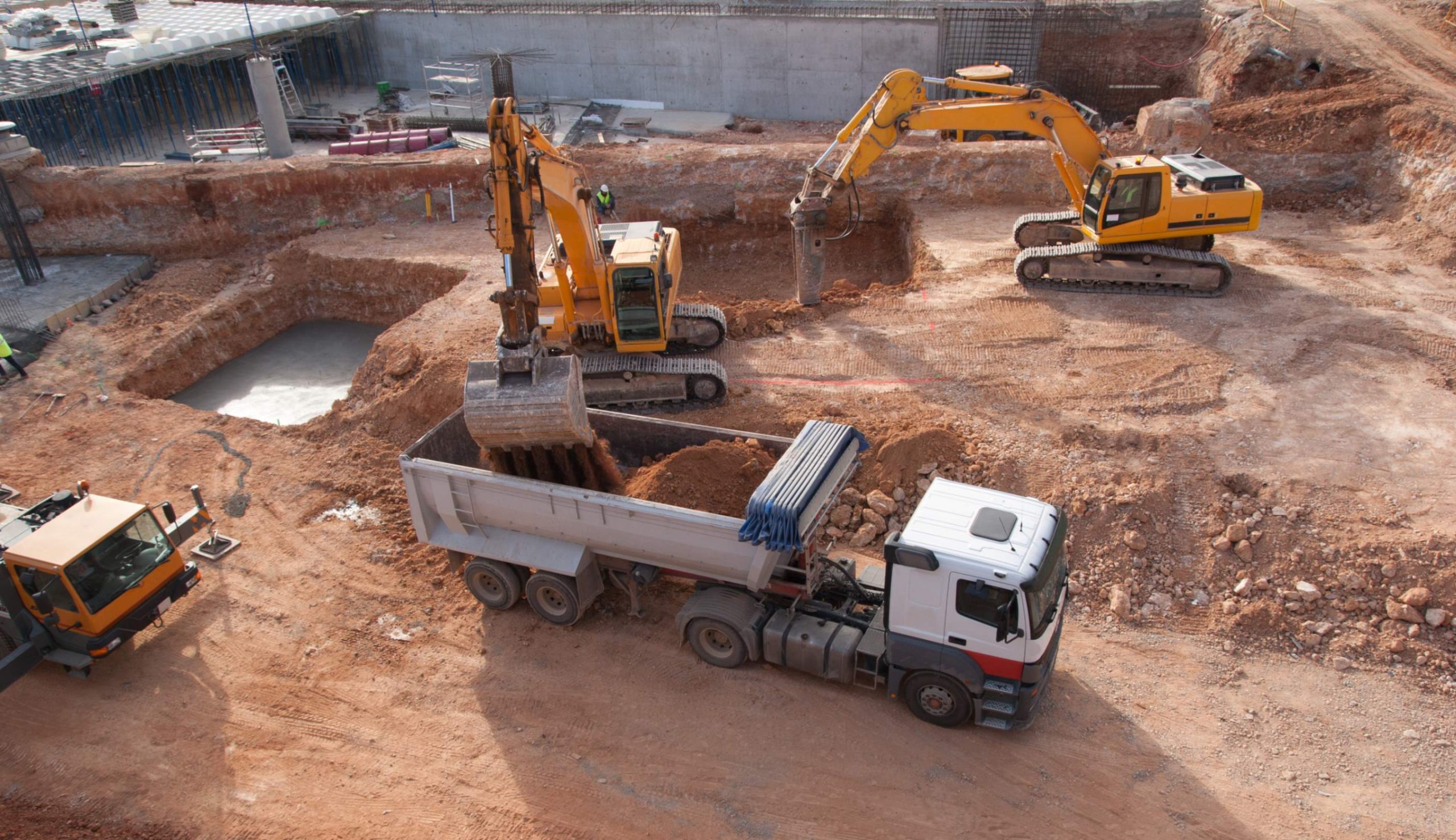
Common asset types include excavators, loaders, graders, dozers, cranes, trucks, trailers, concrete equipment, workshop plant, and specialised production equipment.
Why business owners use a private lender for equipment finance
When you’re chasing a time-sensitive opportunity, the lender you choose matters. Working with a private lender is often about control, speed, and a practical view of security and serviceability.
Key benefits of using a private lender for machinery and heavy equipment finance include:
- •Faster decisions when you need to act quickly
- •More flexible credit assessment than a bank policy model
- •Pragmatic security options that can include real property support
- •Short-term structures aligned to project cash flow and exit strategy
- •Clear requirements so you know what’s needed to move forward
Many borrowers aren’t looking for a long application process. They want a lender who can assess the request, confirm security, and issue terms quickly so the business can keep operating.
Machinery and heavy equipment finance through Secured Lending (non-bank private lender)
Secured Lending is a non-bank private lender providing Machinery and Heavy Equipment Finance for Australian business owners who need speed and a direct line to decision makers, including borrowers exploring non-bank business loans for short timeframes.
What this means for you:
- •We use our own funds for fast decisions and have an internal property valuation team, which allows us to move fast within 24 hour
- •We offer loans from $250k to $10M
- •Rates from 9.7% p.a.
- •We specialise in short term finance of 1 to 24 months
- •We have funded over $500million loans
A non-bank private lender can be a strong fit when the timeline is tight, the scenario is nuanced, or the opportunity is too important to wait for a slow approval pathway. If you have a clear purpose, a sensible repayment plan, and appropriate security, private equipment finance can be a practical solution.
Security and loan structure: how Secured Lending approaches it
Machinery and heavy equipment finance is often part of a broader secured lending strategy. Depending on the request, security can be structured to suit the risk profile and speed required. In many cases, the strongest outcomes come from a clear security position and a defined exit.
We are specialist private lenders in secured business loan solutions, private mortgage options including first mortgage and second mortgage structures, and private bridging finance. This matters because machinery finance requests often sit alongside broader commercial needs such as working capital, short term bridging, or property-backed funding while a business completes a project or sale.
A well-structured facility focuses on:
- •Speed to approval and settlement
- •Fit-for-purpose loan term and repayment profile
- •A realistic exit strategy (for example: refinance, asset sale, or receivables cycle)
- •Security strength, including property where applicable
- •Documentation that supports income, trading, and capacity to service
If you’re unsure what category your scenario fits into, we can guide you through what information is required and how to position the application so it can be assessed quickly.
Private lending
As a private lender, we focus on clear fundamentals—purpose, security, timeline, and exit—so you can move quickly when a machine, supplier window, or contract start date is on the line.
Where we lend
Secured Lending is a non-bank private lender servicing Sydney, Melbourne, Brisbane, Gold Coast, Perth, Adelaide, Canberra and surrounding metro and regional areas.
This geographic coverage supports businesses operating across multiple sites, regional projects, and interstate contracts where equipment is deployed where the work is.
What you can expect when you enquire
Business owners usually want a direct process with no wasted steps. When you speak with Secured Lending, we focus on the essentials that drive approval:
- •The equipment or purpose of funds
- •The amount requested and timing
- •The proposed term within 1 to 24 months
- •The security available
- •The exit strategy and repayment plan
- •The key documents needed to support assessment
Because we speak to clients every week who require finance, we can provide guidance early—how to avoid delays, what valuation pathways may apply, and what a lender needs to see to proceed confidently.
When a non-bank private lender is the right fit
Private equipment finance is often considered when:
- •You need a decision fast to secure a machine or contract
- •The bank is moving too slowly or has paused due to policy
- •You are in a short-term window and plan to refinance later
- •You want to unlock equity to fund growth, mobilisation, or overheads
- •You need a lender that assesses the full picture, not just one metric
If your priority is speed, certainty, and a straightforward lending process, Secured Lending can help you explore options and understand the path to funding based on your security and timeframe.
Frequently asked questions
1) If i’m buying used equipment urgently, what will slow things down most?
Delays usually come from unclear asset details (exact make/model/serial, seller invoice, photos), or uncertainty around security and exit. If you can provide the asset info upfront plus a short summary of how repayment will be handled (contract revenue, refinance, sale of another asset), assessment is typically much smoother.
2) Can I refinance equipment that’s already on finance and also release cash?
Yes, in many cases the facility can be structured to pay out the existing lender and, where the security position supports it, release additional funds for working capital or mobilisation. The key is showing the payout figure, confirming the equipment details, and documenting how the cash-out will be used and repaid.
3) When does property support help with equipment finance?
Property support can be helpful when you need a larger limit, faster approval, or more flexibility around serviceability—especially if the equipment is specialised, older, or harder to value quickly. It can also strengthen the overall security position where timing is critical.
4) What does a “realistic exit strategy” look like for a 1–24 month facility?
A strong exit is specific and time-bound—for example: refinancing to a longer-term lender once financials roll over, clearing the facility from a confirmed contract/receivables cycle, selling an asset, or completing a project milestone that triggers a progress payment. The more the exit is tied to dates and evidence, the easier it is to assess.
5) If my cash flow is lumpy due to progress claims, can repayments be structured around that?
Often, yes. Short-term facilities can be structured to better match project cycles—particularly where you can show upcoming claims, invoices, or contract milestones. The aim is to align the facility with how the business actually gets paid, while keeping the exit clear.
6) What should I prepare before I enquire to get terms quickly?
Have the amount and purpose clear, the timeframe you need, and a brief outline of (1) the security available (equipment and/or property), (2) the exit plan, and (3) any time-sensitive driver (auction date, supplier deadline, contract start). If you can also share the most relevant trading/supporting documents early, it helps avoid back-and-forth and keeps the process moving.
7) What secures the loan if not the machinery?
Real property, always: a residential, commercial or industrial property owned by the business, a director or a related trust. We never take security over plant or heavy equipment. The machine is what the capital buys. The property is what the loan is written against, and the 70% LVR is calculated on the property, not on the machine.
8) Equipment financiers have declined us. Does that carry over here?
No, because we are assessing something different. An equipment financier prices the asset and your trading history. We price the property and the exit. A decline on servicing or on the age of a machine tells us nothing about whether there is equity in a property and a credible way to repay. Bring the decline reason anyway, because it is often useful context.