


Warehouse purchase finance is often time sensitive. You may be balancing a contract deadline, tenant requirements, fit out costs, and the need to secure a strategic industrial asset before another buyer moves. If your bank process is slow, policy bound, or tied to serviceability tests that do not reflect your current position, a private lender can provide a clearer path to funding. Contact us today.
Recent client success
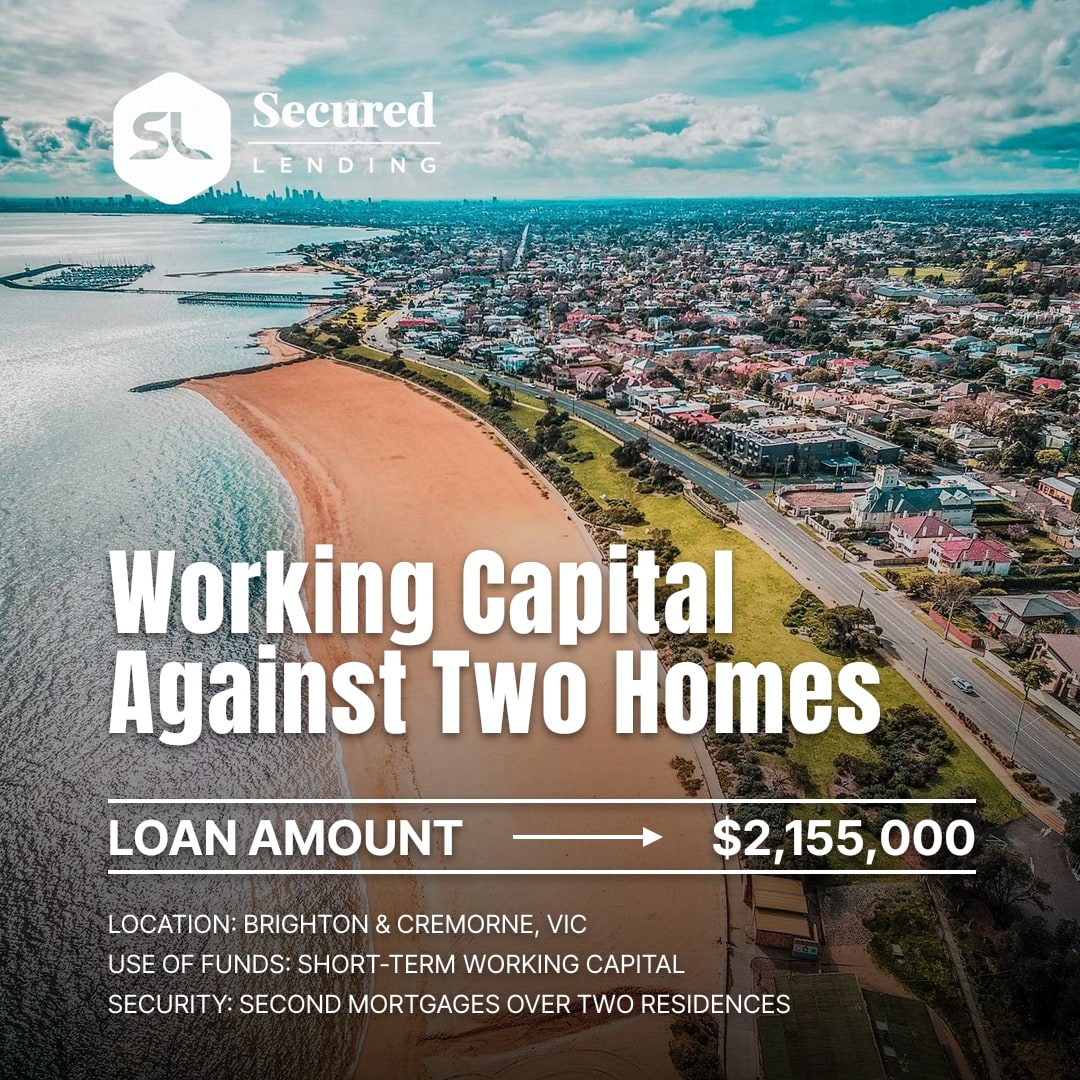
$2.155M Second Mortgage Working Capital Facility Across Brighton and Cremorne
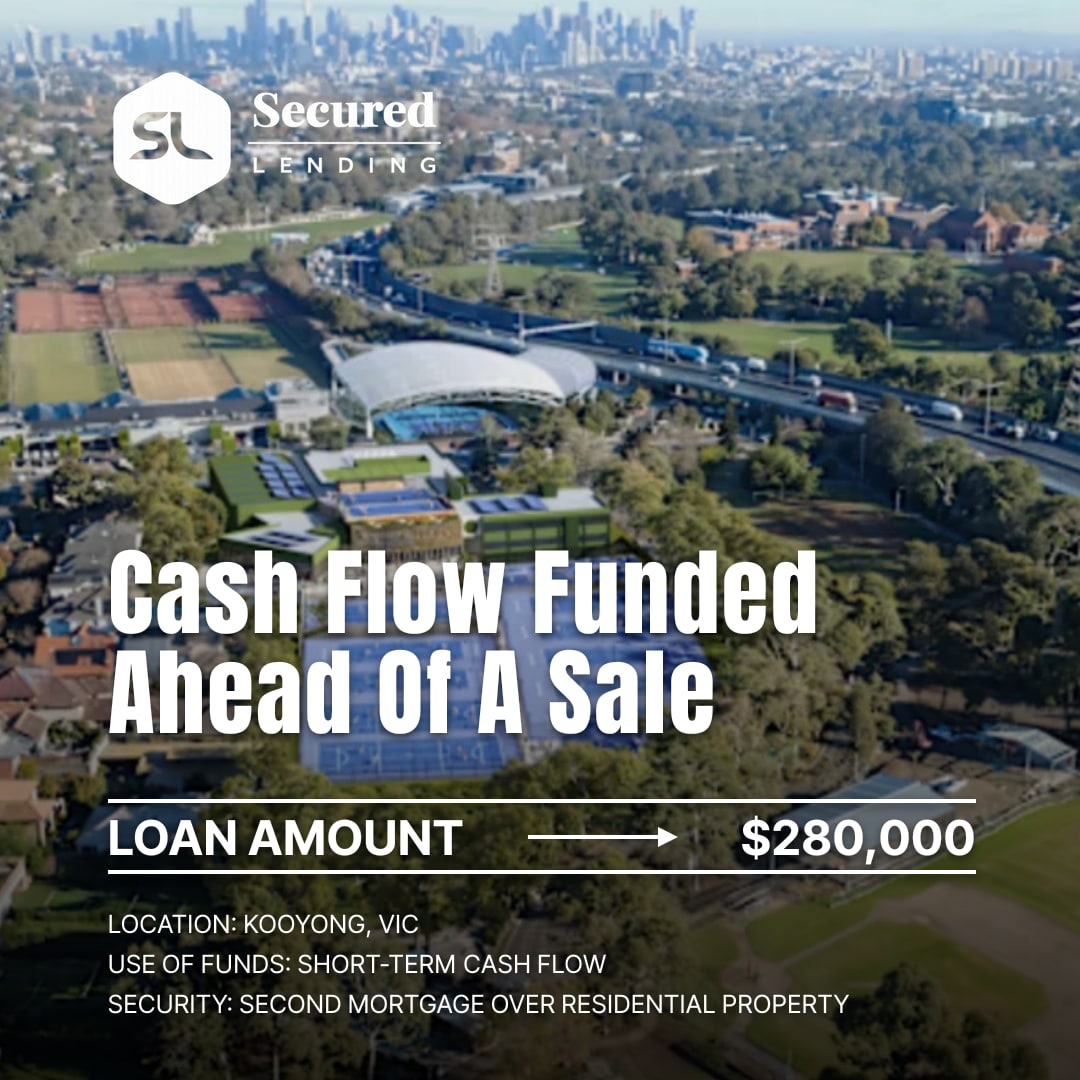
$280K Second Mortgage for Short-Term Cash Flow in Kooyong

$545K Bridging Loan Across Three Suburbs in Melbourne's North-West
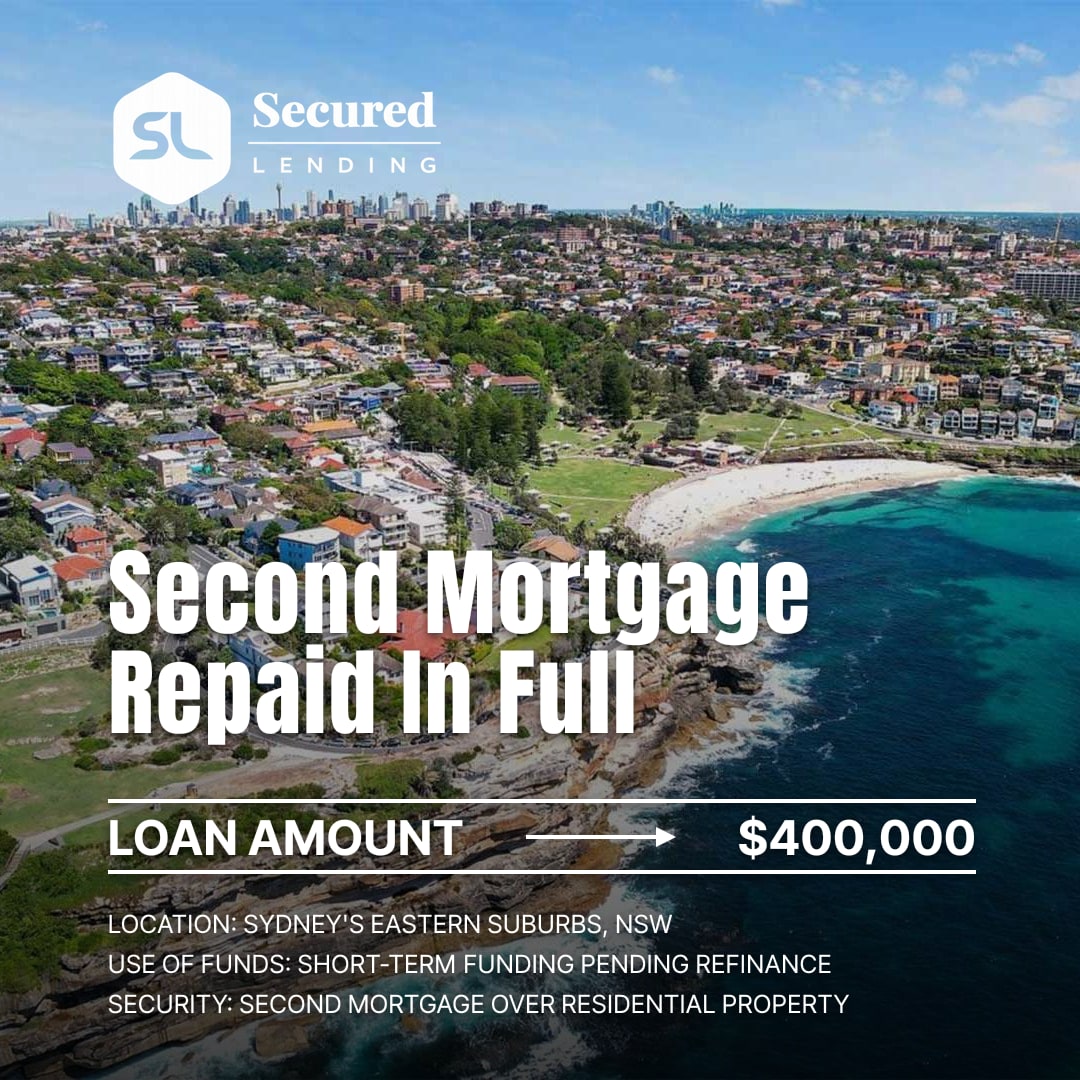
$400K Second Mortgage Repaid in Full After a Flexible Two-Month Extension
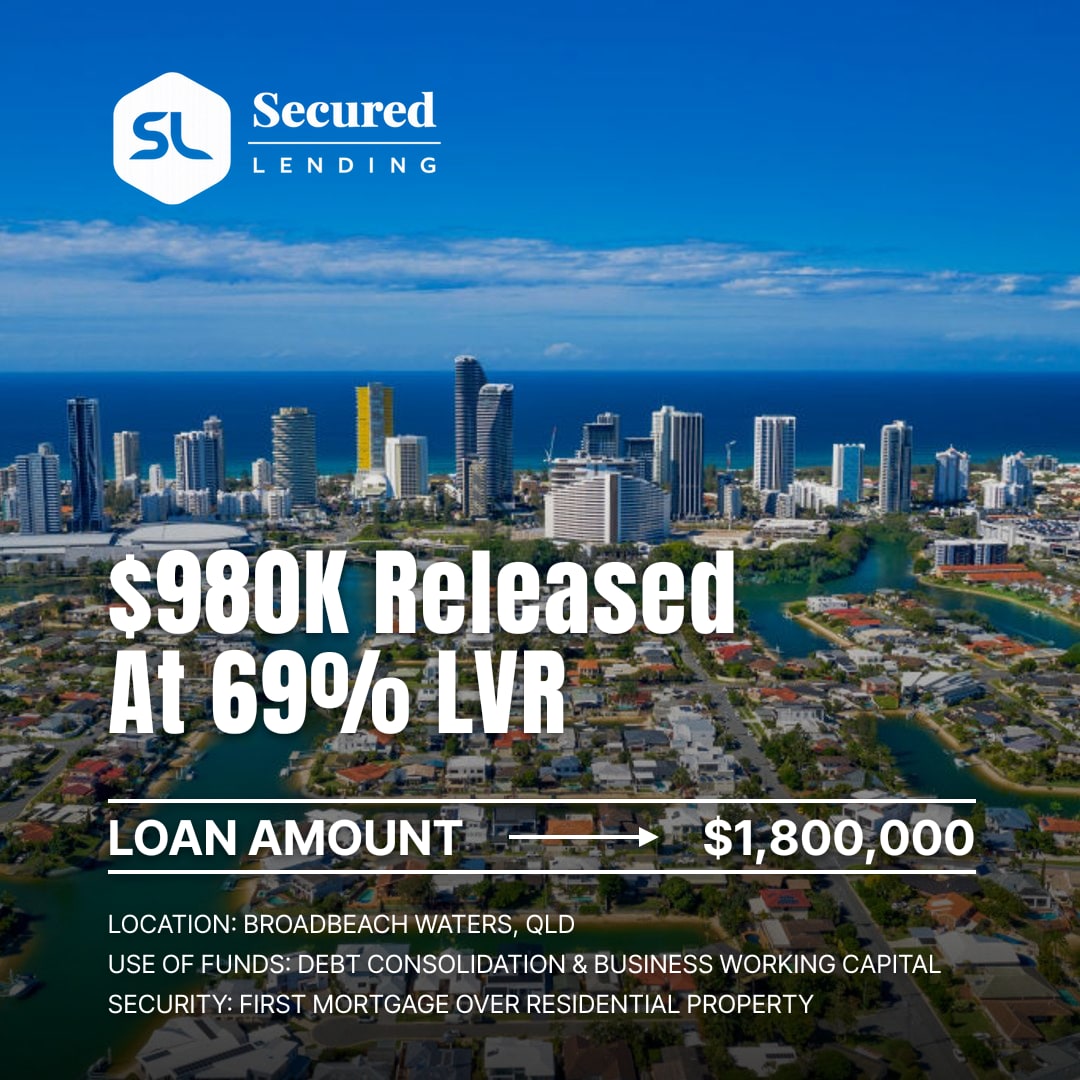
$1.8M First Mortgage Releases $980K of Working Capital for a Solar Business
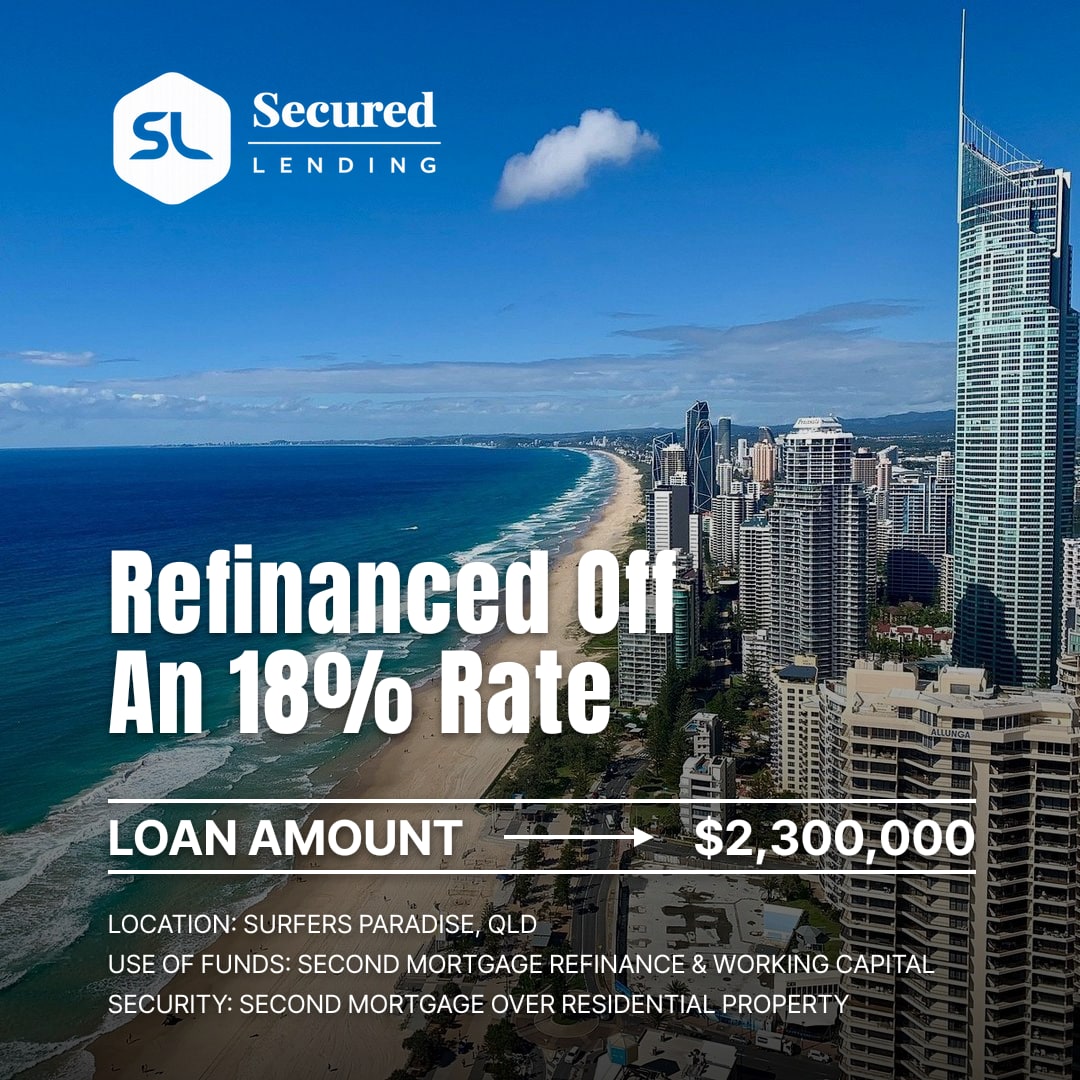
$2.3M Second Mortgage Refinances an 18% Facility for a Glass Manufacturer
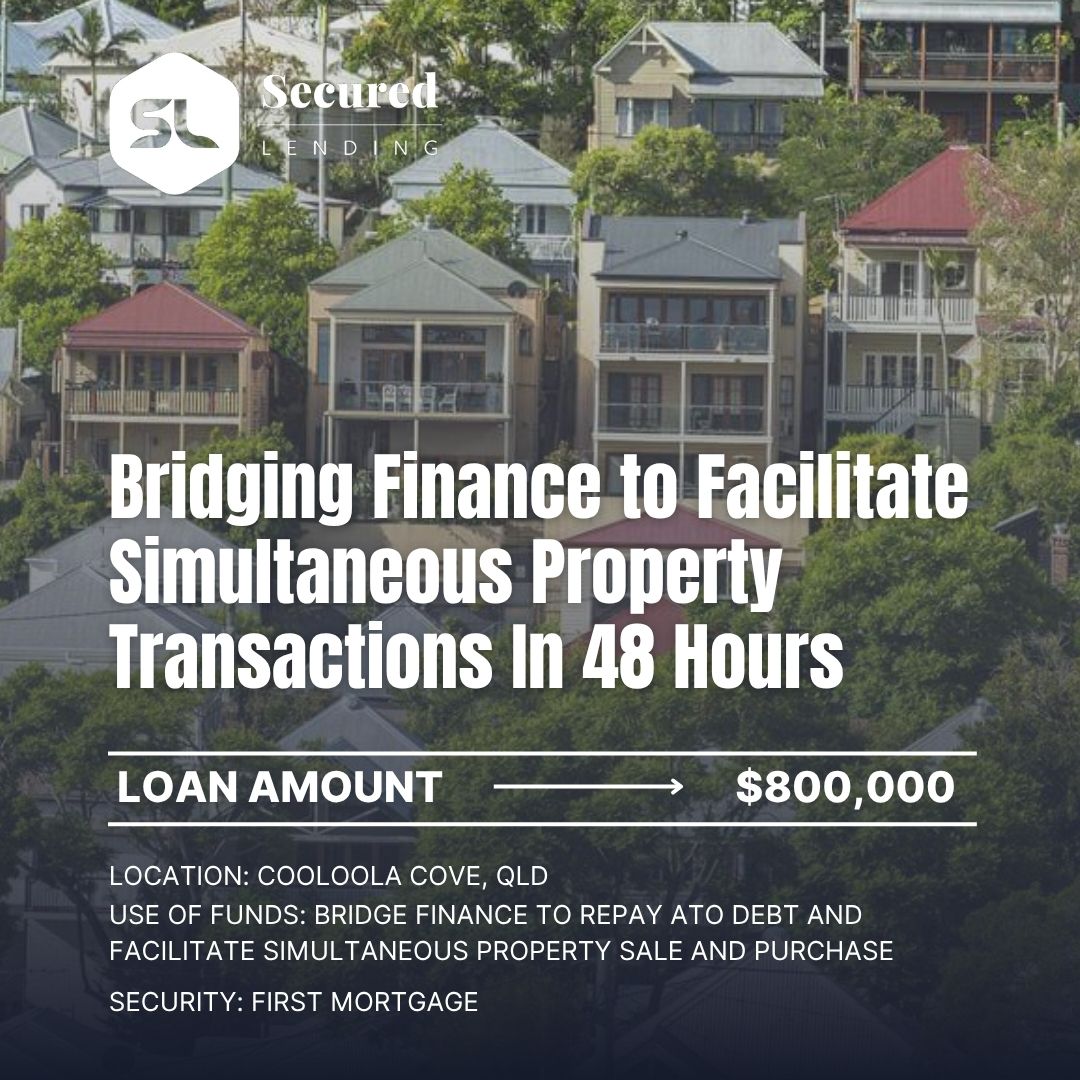
$800K Bridging Finance for Simultaneous Property Transactions in 48 Hours

$300K Second Mortgage for Dental Practice Working Capital in 5 Days
For a warehouse purchase with a close settlement date, see urgent short term loans for industrial property.
Secured Lending is a non bank private lender in Australia specialising in secured business loans, private mortgages including first mortgages and second mortgages, and bridging loans.
A non bank private lender for warehouse purchase finance
As a non bank private lender for Warehouse Purchase Finance, our focus is speed, certainty, and security led lending. This is designed for business owners who need to acquire an industrial warehouse and want a lender that can assess the asset, the transaction, and the exit strategy without long approval queues.
We speak to clients every week who require finance and we are happy to provide guidance and requirements for Warehouse Purchase Finance, including what information helps achieve a fast decision and what to expect during valuation and settlement.
Why business owners use a non bank private lender for warehouse acquisition
When you are buying a warehouse, time and execution matter as much as rate. A non bank private lender can be a strong fit when you need one or more of the following.
Speed to approval and settlement
Banks can be slowed by committee schedules and layered verification. A private lender can move faster when the deal is sound and the security supports the request. Secured Lending uses our own funds for fast decisions and has an internal property valuation team, which supports fast movement within 24 hour timeframes where appropriate.
Security led credit assessment
Warehouse Purchase Finance is often driven by the quality of the property security, the equity position, and the credibility of the exit. If you have strong property security but your financials do not fit bank templates, private lending can offer an alternative pathway, including structures such as a secured business loan where the asset and exit are central to the assessment.
Short term structure that matches your plan
Many warehouse purchases are transitional. You might be buying now and refinancing later, buying ahead of a sale, or repositioning the asset before moving to longer term funding. Private lending is commonly used for bridging and other short term solutions like private bridging finance, where the goal is to solve a defined timing gap rather than hold a long term facility.
Practical flexibility around complex scenarios
Business owners often have moving parts such as business expansion, relocation, cash flow timing, or a refinance in progress. A non bank lender can assess these scenarios more pragmatically when there is clear security and a clear plan, and can also be a fit for borrowers comparing non-bank business loans to traditional bank credit.
Warehouse purchase finance from Secured Lending: key loan details
These are the loan parameters we work within for secured warehouse purchase scenarios:
- •Loans from $250k to $10M
- •Rates from 9.7% p.a.
- •We specialise in short term finance of 1 to 24 months
- •We have funded over $500 million loans
- •We use our own funds for fast decisions and have an internal property valuation team which allows us to move fast within 24 hour timeframes where suitable
What helps you get a fast, clean decision
If speed matters (and for most warehouse purchases it does), the quality of the upfront information can make the decision and settlement process far smoother. To give you a clean answer quickly, the most useful inputs are:
Property details and contract timeline
Address, asset type, purchase price, deposit paid, and critical dates (cooling off, finance date, settlement date).
Your security position
Existing property assets available as security, current debt, and equity. If there’s another property involved, it helps to know whether it’s owner occupied, leased, or being prepared for sale/refinance.
Use of funds
Purchase, stamp duty, fit out, or working capital linked to the acquisition. If fit out costs are time critical (for example, to meet a tenant handover date), include the timeline and any quotes you have.
Exit strategy
Refinance to a bank or non bank facility, sale of another asset, business cash flow event, or planned sale of the warehouse. Short term finance works best when the exit is realistic and time bound.
Borrower and entity structure
Company, trust, directors, and any related parties, plus existing facilities. Where relevant, note whether the warehouse is being acquired by a trading entity or a property holding entity.
If you come to us early, we can tell you what is achievable, what the realistic timeframes are, and what requirements will matter most for approval and settlement.
Private lending
If you need faster decisions and a security led assessment, working with a private lender can be a practical way to align funding with your contract dates, valuation timing, and exit plan.
Loan types we commonly use for warehouse purchases
Depending on your timeline, equity position, and exit strategy, warehouse purchase finance may be structured as a private mortgage, including a first mortgage where the lender holds primary security, or a second mortgage where there is an existing first mortgage in place and the remaining equity supports the request.
Where we lend for warehouse purchase transactions
We are a non bank private lender servicing Sydney, Melbourne, Brisbane, Gold Coast, Perth, Adelaide, Canberra and surrounding metro and regional areas.
How Secured Lending can help with warehouse purchase finance
Warehouse acquisition is a significant business decision. You want certainty of funds, minimal disruption, and a lender that can move at the pace of the transaction.
Secured Lending specialises in secured business loans, private mortgages including first mortgages and second mortgages, and bridging loans, which aligns closely with warehouse purchase scenarios where speed and security are central to the deal.
If your timeline is tight, the bank process is dragging, or your deal is stronger on security and exit than it is on bank policy metrics, a private lending approach may be the right fit.
Frequently asked questions
1) If my settlement is coming up fast, what’s the quickest way to tell if Secured Lending can support the purchase?
Send the contract (or heads of agreement), the property address, purchase price, your required loan amount, and the key dates. Add a short summary of your proposed exit (for example, refinance after lease is in place, refinance once financials normalise, or sale of another property). That combination usually allows an initial view quickly.
2) Can you help if the warehouse needs fit out funds as well as the purchase price?
Often, yes—particularly where the fit out is directly tied to the acquisition (such as meeting tenant requirements or getting the site operational). It helps to share the fit out budget, timing, and supporting quotes, plus how the costs will be managed up to settlement and beyond.
3) What exit strategies tend to be strongest for warehouse purchase finance?
Clear, time bound exits such as a refinance once a lease is signed, refinance after a defined business cash flow event, sale of another property with realistic timelines, or a planned sale of the warehouse after repositioning. The key is that the exit matches the proposed loan term and is supported by evidence where possible.
4) How does valuation timing affect warehouse settlements?
Valuations can be a critical path item, especially on short settlements. Having quick access to the contract, plans, tenancy/lease details (if any), and accurate property information can reduce delays. Where appropriate, Secured Lending’s internal property valuation capability can support faster movement through this stage.
5) If the warehouse will be owner occupied, does that change the way the deal is assessed?
It can. Owner occupation often ties the acquisition to business operations, timing, and fit out requirements. The security remains central, but it’s helpful to outline how the premises will be used, any time critical operational needs, and how the business supports the exit plan (such as refinance once operations stabilise in the new site).
6) What are the most common issues that slow down a warehouse purchase finance approval?
Missing contract details or unclear settlement dates, incomplete information on existing debts and security, and exit strategies that are vague or not time bound. Another common issue is leaving valuation-critical information to the last minute (for example, leases, tenancy status, access details, or property configuration), which can create avoidable back and forth.
7) Owner-occupier purchases usually get bank funding. Why come here?
Timing, almost always. Industrial property moves fast and vendors favour short settlements, while a bank commercial application runs weeks. We fund the purchase now against the property at up to 70% of assessed value, and you refinance to the bank once it has had time to assess properly. The bank ends up doing the loan; it just does not do the settlement.
8) Does the size or location of the warehouse limit what you will do?
Not by policy. Our own valuers assess the asset, so a smaller or regional industrial property is priced on its actual marketability rather than excluded by a postcode rule. A thinner market produces a more conservative valuation and therefore a smaller loan, but that is a valuation outcome rather than a decline.