



Probate and deceased estate finance helps executors, administrators, trustees, and business owners manage cash flow while an estate asset is being administered or sold. If you are dealing with probate timelines, beneficiary pressure, business continuity needs, or urgent expenses tied to an estate property, a private lender can provide time-critical funding secured against real estate—without waiting for the estate to fully settle. Contact us today to discuss what’s feasible for your situation.
Recent client success

$2.155M Second Mortgage Working Capital Facility Across Brighton and Cremorne

$280K Second Mortgage for Short-Term Cash Flow in Kooyong

$545K Bridging Loan Across Three Suburbs in Melbourne's North-West

$400K Second Mortgage Repaid in Full After a Flexible Two-Month Extension

$1.8M First Mortgage Releases $980K of Working Capital for a Solar Business

$2.3M Second Mortgage Refinances an 18% Facility for a Glass Manufacturer
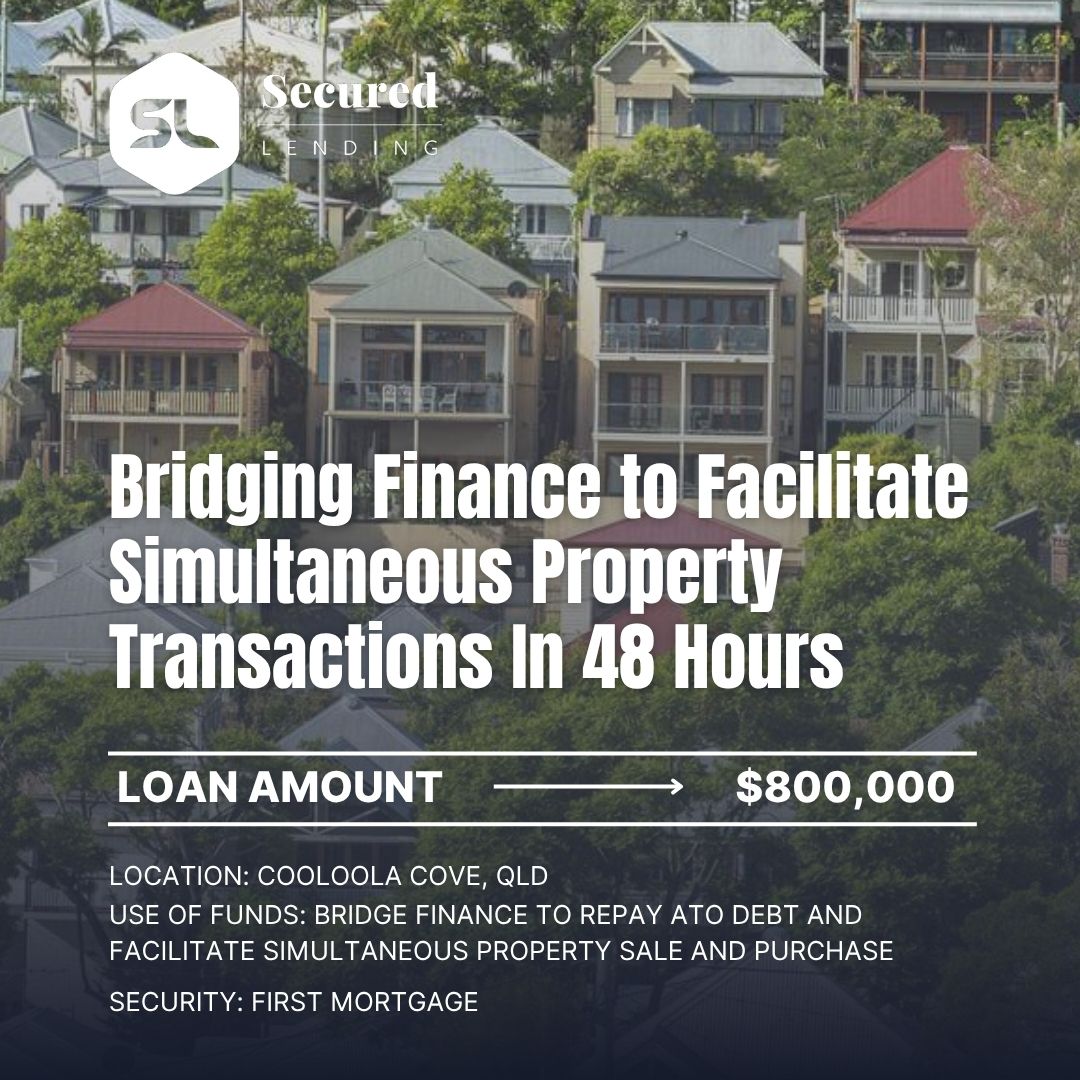
$800K Bridging Finance for Simultaneous Property Transactions in 48 Hours

$300K Second Mortgage for Dental Practice Working Capital in 5 Days
When probate and deceased estate finance is needed
Estate administration often creates a funding gap. Common reasons borrowers seek probate finance include:
- •Paying estate liabilities such as rates, land tax, insurance, strata, utilities, and urgent repairs
- •Funding legal and administration costs while probate is granted
- •Covering beneficiary distributions where liquidity is required before a sale
- •Buying out other beneficiaries to retain a property or business asset
- •Keeping a family business operating during succession and estate administration
- •Refinancing an expiring facility where a bank timeline does not match probate timing
- •Bridging to sale when an estate property is being prepared, renovated, or marketed
This type of lending is usually short term and purpose-driven. The objective is to create breathing room so the executor can execute the estate plan properly, rather than making rushed decisions under time pressure.
Why a non-bank private lender can be a better fit during probate
Banks often struggle with probate scenarios because of documentation requirements, rigid credit policy, and slow approval pathways. A non-bank private lender can be a better fit when timing, complexity, or property circumstances don’t align with mainstream lending.
Benefits of working with a non-bank private lender for probate and deceased estate finance include:
- •Faster decisions when you need action before a deadline
- •Pragmatic assessment focused on the property security and a clear exit strategy
- •Ability to lend while probate is in progress (depending on structure and legal requirements)
- •Flexible settlement timing to match legal milestones and property sale plans
- •Support for non-standard scenarios such as multiple beneficiaries, trust structures, or complex estates
At Secured Lending, we speak with clients every week who require probate and deceased estate finance. We’ll guide you on what’s realistic, what documents matter most, and how to structure a facility so it supports the estate process rather than adding risk.
Private lending
As a private lender, Secured Lending focuses on property-backed lending where timing and clarity of exit matter. We assess the security, the legal authority to transact, and the pathway to repayment so the funding supports (rather than complicates) the administration process.
What Secured Lending offers for probate & deceased estate finance
Secured Lending is a specialist private lender in secured business loan solutions, as well as private mortgage facilities and short-term bridging. For probate and deceased estate scenarios, a private bridging finance facility is often used to create time for probate approval, property preparation, or sale—while maintaining control of the asset.
Loan details
- •Funded over $500 million in loans
- •We use our own funds for fast decisions, supported by an internal property valuation team (often moving within 24 hours)
- •Loans from $250k to $10M
- •Rates from 9.7% p.a.
- •Short-term finance from 1 to 24 months
This is designed for borrowers who need certainty of funding, quick turnaround, and a lender that understands how property, legal steps, and timelines interact during estate administration.
Where we lend
We are a non-bank private lender servicing Sydney, Melbourne, Brisbane, Gold Coast, Perth, Adelaide, Canberra and surrounding metro and regional areas. If the security property is in a major metro or key regional market, we can often progress quickly, subject to valuation and legal review.
How probate and deceased estate loans are typically structured
Most probate facilities are secured against real estate—commonly an estate property, a beneficiary-owned property, or another acceptable security. The facility is usually structured as:
- •A first mortgage (where we are the primary secured lender)
- •A second mortgage (where a senior lender remains in place and timing still matters)
- •A bridging loan designed to be repaid from sale proceeds, refinance, or a distribution event
Key focus areas include the strength of the security, the clarity of the exit strategy, and whether the proposed borrower and legal authority align with the stage of estate administration.
What to prepare to move faster
Probate and deceased estate finance can move quickly when the information is organised. Typical requirements may include:
- •Property details and any existing encumbrances
- •Estimated value and condition of the property
- •Purpose of funds and a clear use of proceeds
- •Exit strategy (sale timeline, listing plan, refinance plan, or expected distribution event)
- •Probate and estate documentation relevant to the scenario (will, grant status, solicitor details)
- •Borrower identification and entity documents where applicable
- •Current statements for any existing loans secured on the property
Even if you don’t have every item ready, we can usually tell you early what matters most—so you can prioritise the right steps with your solicitor, agent, or accountant.
Why borrowers choose Secured Lending during estate administration
Executors and business owners typically come to a private lender when the cost of delay is high. That might mean a time-sensitive settlement, preserving a sale price by completing works, preventing arrears and penalty charges, or protecting a business while the estate is being administered.
Our role is to provide a practical facility that fits the estate timeline, with clear terms and a defined pathway to repayment. If you need probate and deceased estate finance, Secured Lending can assess the security, confirm feasibility, and guide you through the requirements so you can make informed decisions with confidence.
Frequently asked questions
1) Can you lend if probate hasn’t been granted yet?
Sometimes, yes. It depends on who the borrower will be, what authority they currently have, and how the security is held. Where lending is possible during probate, the structure and legal sign-off are critical—your solicitor’s involvement early can prevent delays later.
2) What does a “clear exit strategy” look like for an estate bridging loan?
A strong exit is specific and time-bound—such as an active sale campaign with an agent, a realistic listing price range, a plan for minor works with quotes, or a refinance pathway once titles and authority are finalised. Vague “we’ll sell later” exits are where most hold-ups occur.
3) We have multiple beneficiaries and not everyone agrees—can funding still work?
It can, but it needs careful handling. Disputes or lack of alignment can affect timing, authority to transact, and the ability to deliver documents. In these situations, lenders typically focus on what can be legally signed now, what consents are required, and whether the strategy reduces (not increases) the risk of escalation.
4) Can the loan pay for estate expenses like rates, insurance, strata and urgent repairs?
Yes—these are common and sensible uses of proceeds when they protect the property value and prevent penalties or uninsured periods. The key is documenting what the funds are for and showing how the estate will repay the facility (sale, refinance, or distribution event).
5) What if there’s already a mortgage on the property—do we have options?
Often, yes. Depending on equity, timing, and the senior lender’s position, probate finance may be structured as a first mortgage refinance or as a second mortgage behind an existing loan. The feasibility usually comes down to total loan-to-value, arrears (if any), and the proposed exit timeline.
6) If the goal is to buy out other beneficiaries, how is that usually approached?
The cleanest approach is when valuations, payout amounts, and legal documentation are well defined—so the loan proceeds can be allocated transparently. A lender will typically want to see how the buyout figure is determined, how title/ownership will be handled, and how the new structure supports repayment (for example, refinance after transfer, or longer-term asset retention with servicing plan).
7) Can an executor borrow before probate is granted?
Generally no, because the authority to deal with the property comes from the grant. What we can do is be ready, so the facility settles the moment probate issues. Where the property is already held jointly or in a structure the survivor controls, borrowing may be possible sooner. Bring the will, the title and the grant status to the first conversation.
8) Is paying estate liabilities a business purpose?
It depends what the liabilities are. Clearing a mortgage, funding capital gains tax on an investment property, or holding an estate asset while a sale completes is generally investment purpose. Distributing funds to beneficiaries for personal use is not. We look at where the money actually goes and will tell you honestly whether it fits inside business purpose lending.
Related lending options
If your scenario involves commercial operations, trading entities, or time-sensitive working capital while estate matters are resolved, Secured Lending also provides non-bank business loans where the outcome is driven by security, timeline, and exit rather than slow bank processes.