


Retail property acquisition often needs speed, certainty, and a lender who understands the asset and the transaction timeline. If you are buying a shop, retail strip, showroom, or other income-producing retail property, delays can cost you the deal. A non-bank private lender can be a strong fit when you need fast approval, flexible structures, and a clear path to settlement. Contact us today.
Recent client success
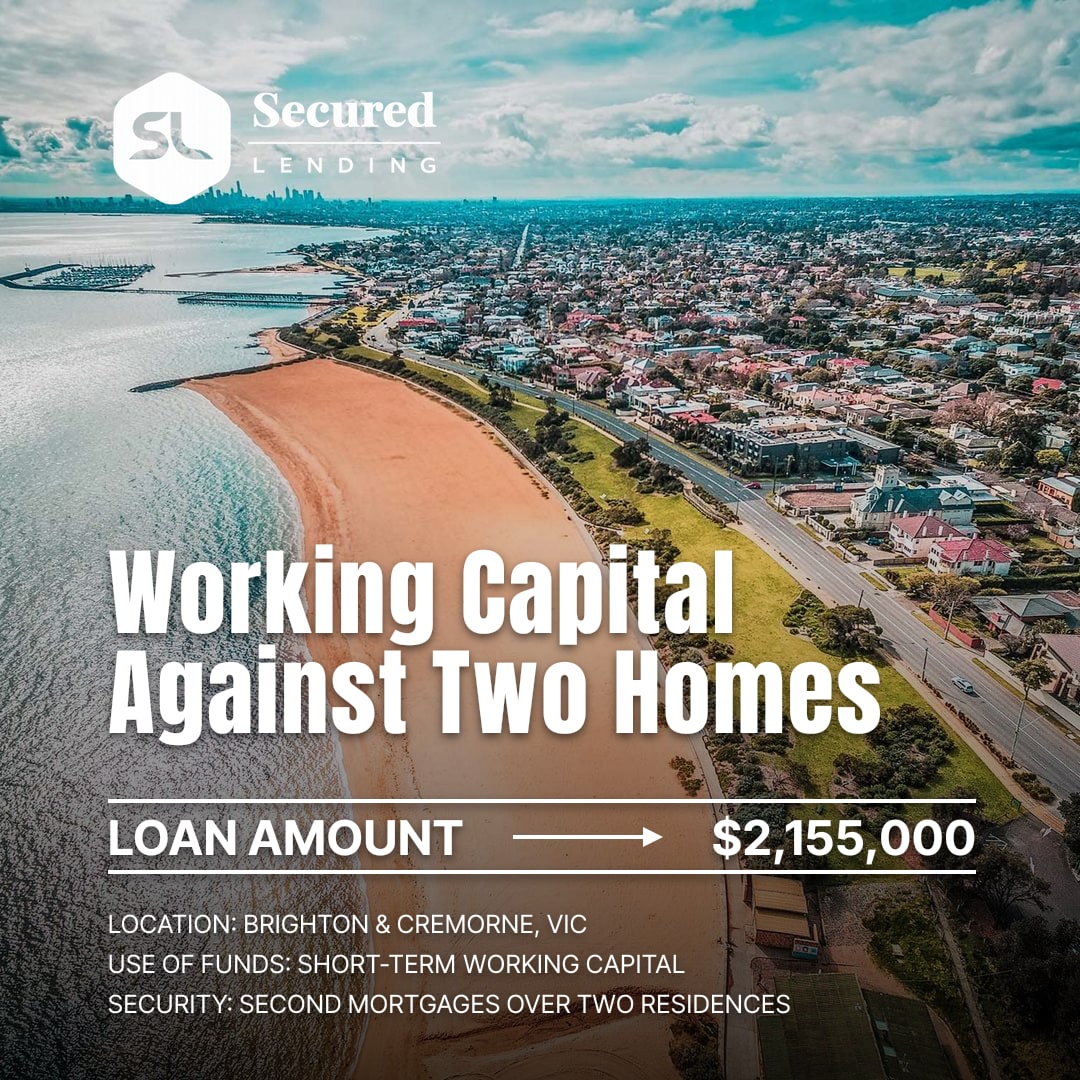
$2.155M Second Mortgage Working Capital Facility Across Brighton and Cremorne
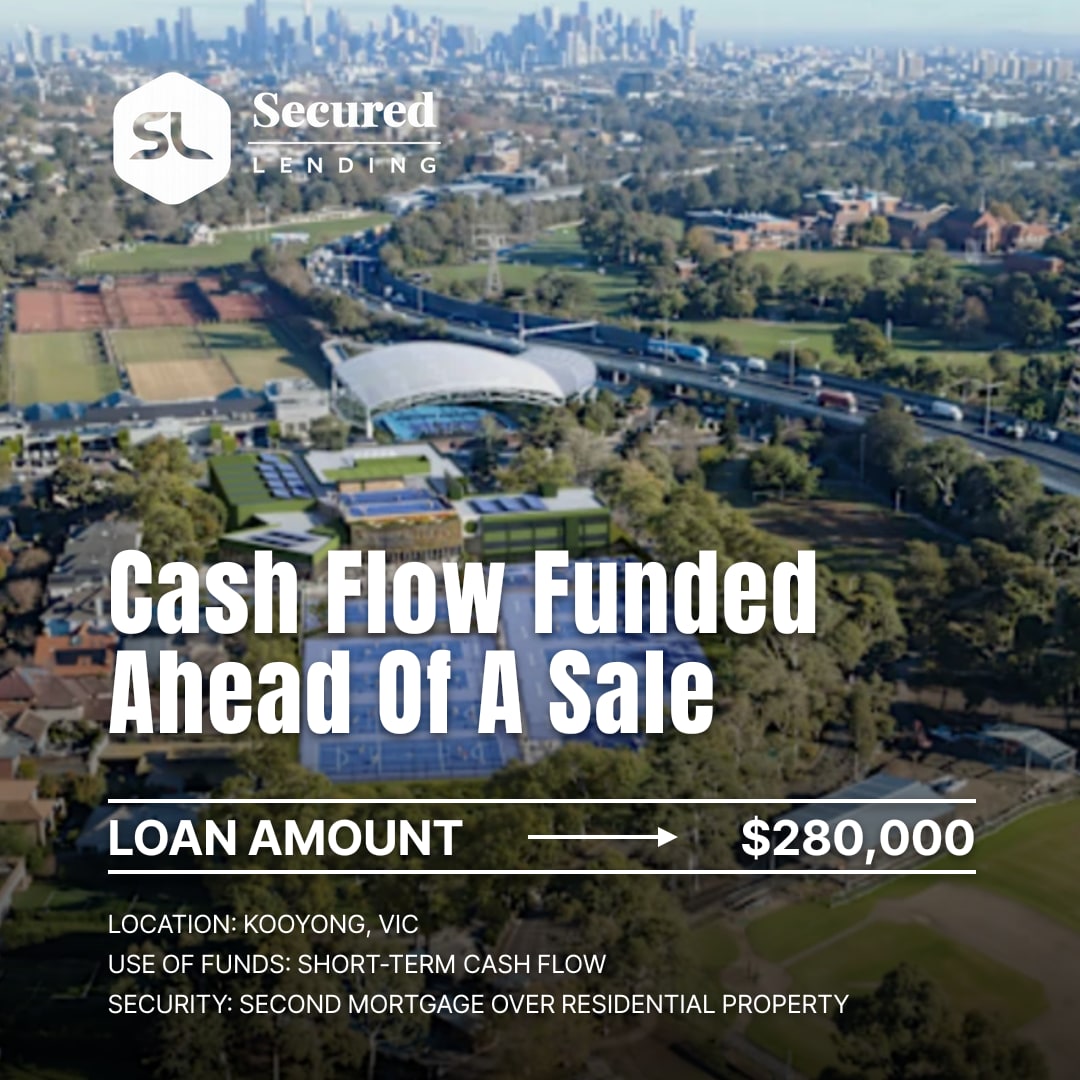
$280K Second Mortgage for Short-Term Cash Flow in Kooyong

$545K Bridging Loan Across Three Suburbs in Melbourne's North-West
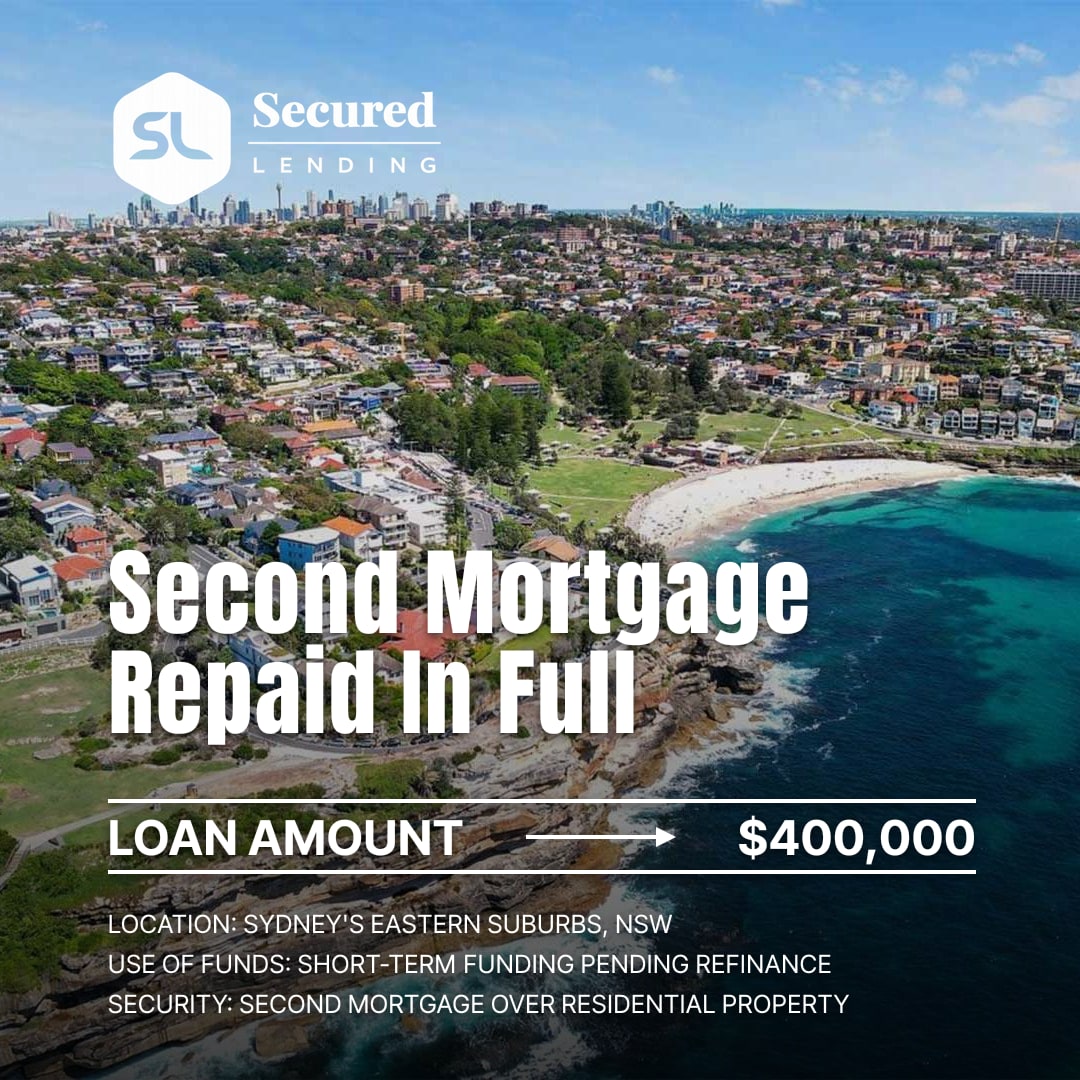
$400K Second Mortgage Repaid in Full After a Flexible Two-Month Extension
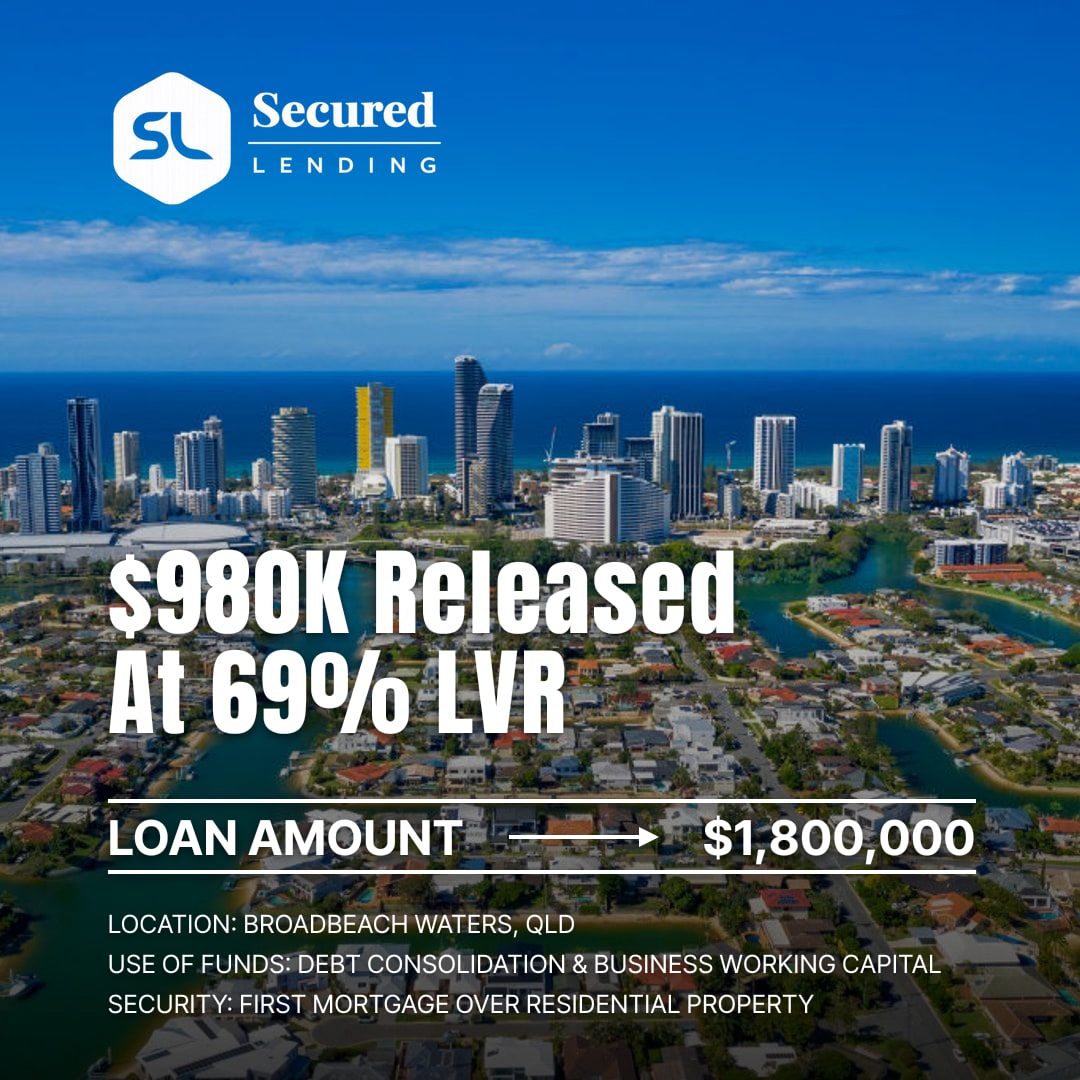
$1.8M First Mortgage Releases $980K of Working Capital for a Solar Business
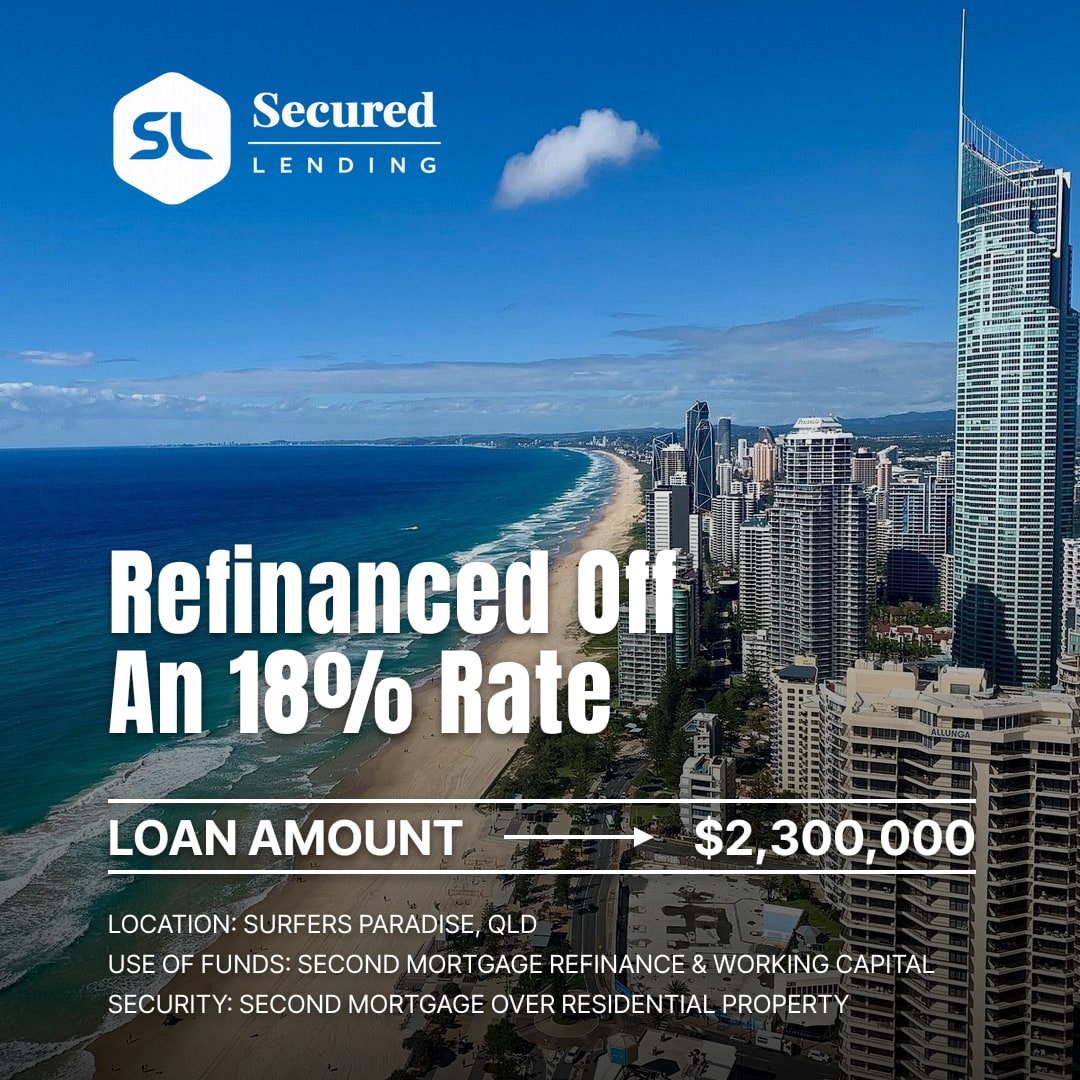
$2.3M Second Mortgage Refinances an 18% Facility for a Glass Manufacturer
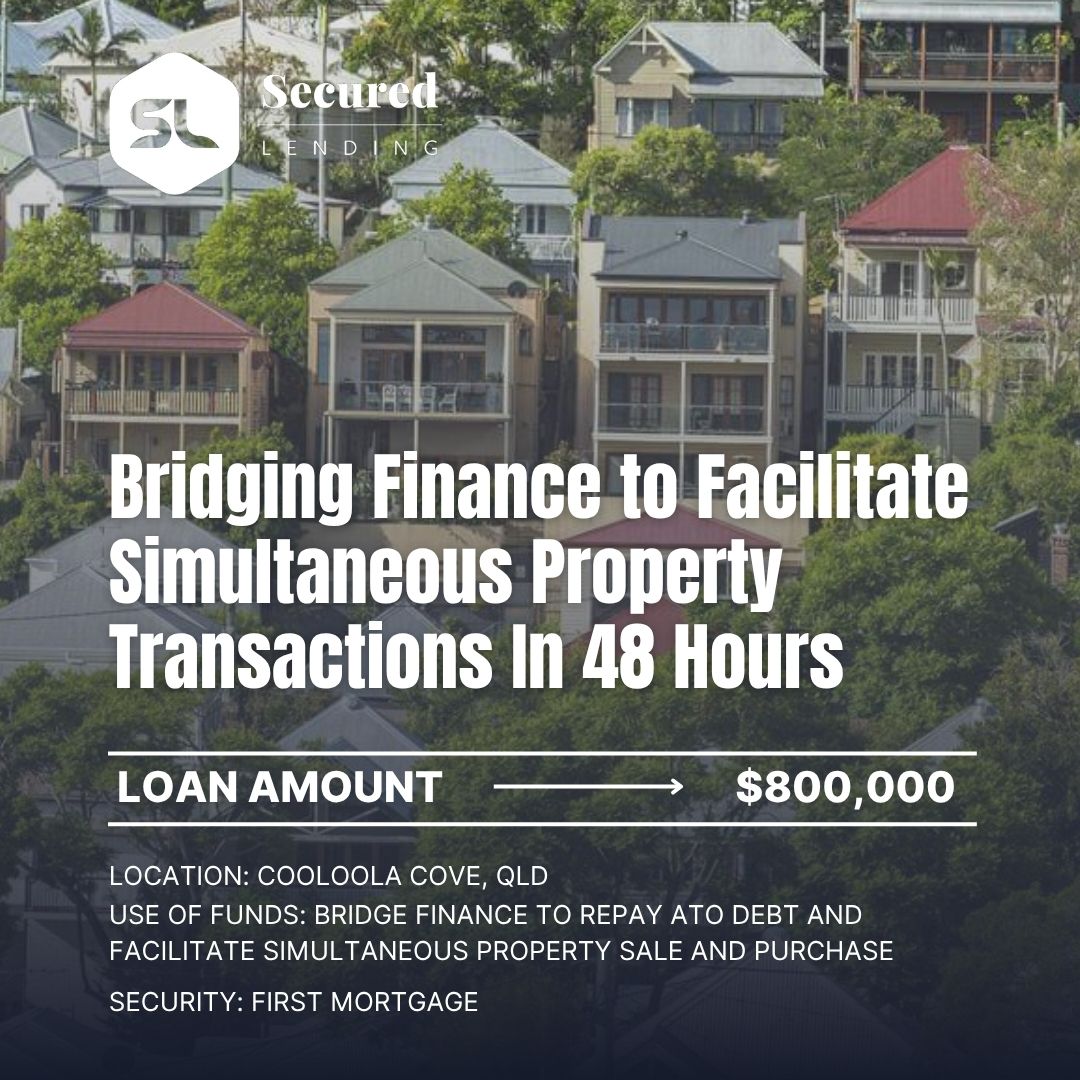
$800K Bridging Finance for Simultaneous Property Transactions in 48 Hours

$300K Second Mortgage for Dental Practice Working Capital in 5 Days
For a retail purchase with a close settlement date, see urgent short term finance for commercial property.
Non-bank private lending for retail property acquisition
At Secured Lending, we speak to clients every week who require finance and we are happy to provide guidance and requirements for Retail Property Acquisition. Our role is to help you understand what is achievable, what security is needed, and how to position your application for a fast decision.
We are specialist private lenders in secured business loan solutions, plus private mortgages (including first mortgages and second mortgages) and bridging loans. This matters for retail acquisitions because every purchase is different. Some borrowers need a straightforward primary facility. Others need a top-up, a bridging solution to settle before refinance, or a short-term facility while leasing is stabilised.
Why business owners choose a private lender for retail acquisitions
A private lender is not trying to force every deal through a strict policy box. Instead, the focus is the quality of the security, the strength of the exit strategy, and the borrower’s ability to service or execute the plan.
Key benefits can include
- •Speed to approval and settlement Retail acquisitions are time-sensitive. A private lender can often assess and progress a deal quickly when the security and documents are in order.
- •Flexible credit approach Banks can decline deals due to lease profile, property type, borrower structure, or time constraints. A private lender can take a more practical view, especially where the property is solid and the exit strategy is clear.
- •Short-term finance that matches the transaction Retail acquisitions sometimes need a short-term facility while you finalise a lease, complete minor works, consolidate debts, or prepare for a longer-term refinance.
- •Asset-focused lending Retail is ultimately about location, tenancy, and demand. Private lending places strong emphasis on the asset and marketability of the security.
When private lending is a strong fit for retail property acquisition
Private finance is commonly used for:
- •Auction or tight settlement timeframes
- •Purchases that require bridging finance
- •Value-add acquisitions where rental income will improve after settlement
- •Properties with vacancy, short WALE, or tenant change in progress
- •Borrowers with complex structures or recent business changes
- •Second mortgage solutions where a first mortgage remains in place
If your purchase is straightforward, a bank may still be appropriate. If you need speed, flexibility, or a short-term solution to secure the asset, private lending can be the better tool.
Secured Lending Loan settings for retail acquisitions
Our lending approach is built for fast, secured property finance.
- •We have funded over $500 million in loans
- •We use our own funds for fast decisions and have an internal property valuation team which allows us to move fast (often within 24 hours)
- •We offer loans from $250k to $10M
- •Rates from 9.7% p.a.
- •We specialise in short-term finance of 1 to 24 months
These settings are designed for buyers who need certainty and momentum, whether you are acquiring a single retail property or consolidating your position across multiple assets.
What we typically assess (so you can move quickly)
To move quickly, most decisions come down to a small set of fundamentals. While every deal differs, you should be prepared to cover:
- •The property and location Address, property type, condition, and comparable sales evidence.
- •Tenancy and income profile Lease terms, tenant quality, rent level, outgoings, and vacancy status. If the asset is vacant or being repositioned, we focus more heavily on your plan and exit.
- •Your deposit and total funds required Purchase price, stamp duty, legals, works budget (if any), and contingency.
- •Security position Whether this will be a first mortgage or a second mortgage, and how much equity is available.
- •Exit strategy Common exits include refinance to a bank once the property is stabilised, sale, or business cash flow-based payout. A clear and realistic exit supports approval and pricing.
- •Borrower profile Entity structure, experience, and capacity to manage the asset through the loan term.
Faster outcomes with internal valuation capability
Retail transactions can slow down when valuation lead times blow out. Secured Lending has an internal property valuation team. This can reduce friction and help keep the process moving, especially when timelines are tight and you need a confident view of value and marketability to support a decision.
Loan structures that suit retail acquisition timelines
Depending on your goals, the right structure may include:
- •First mortgage secured loan A primary security facility for acquisition funding.
- •Second mortgage secured loan Useful when a senior lender remains in place and you need additional capital to complete the purchase or related costs.
- •Bridging loan Designed for short-term gaps such as buying before sale, buying before refinance, or settling while leasing is finalised. Where appropriate, this can be structured as private bridging finance.
Each option is about matching the loan to the acquisition strategy, settlement date, and the most likely exit.
Private lending
If you’re comparing options across non-bank business loans, working with an Australian private lender can make sense when the priority is execution: clear requirements, fast turnaround, and a facility that matches the transaction timeline. We also provide private mortgage solutions for borrowers who need a secured, property-backed approach.
Areas we service
We are a non-bank private lender servicing Sydney, Melbourne, Brisbane, Gold Coast, Perth, Adelaide, Canberra and surrounding metro and regional areas. If your retail purchase is in a major city, growth corridor, or established regional centre, we can assess it on its merits.
What you can expect when you speak with Secured Lending
You should expect direct guidance, clear requirements, and transparent feedback on viability. Since we speak to clients every week who require finance, we can help you identify potential issues early—such as lease risks, valuation sensitivity, or settlement timing constraints—so you can move forward with fewer surprises.
If you are looking for a private lender for Retail Property Acquisition, Secured Lending can provide secured, short-term funding with fast decisions, practical structures, and a process built around getting you to settlement.
Frequently asked questions
1) If the property is vacant or the tenant is about to change, can you still fund the purchase?
Yes. Vacancy or tenant transition can still be fundable. In those scenarios we lean more heavily on the asset quality (location and marketability), your leasing plan, and a credible exit—often a refinance once the tenancy is stabilised or a sale if that’s the strategy.
2) What do you need from me to make a fast decision before a tight settlement or auction deadline?
Typically: contract of sale (or draft), property details, rent roll/lease documents (if tenanted), your entity/borrower details, a clear breakdown of funds required (including stamp duty and costs), and your exit strategy. When these are organised upfront, timelines are much easier to meet.
3) How do you look at WALE and lease strength for small retail assets like strips and shopfronts?
We look at the lease terms, rental level relative to the market, outgoings, tenant type and overall demand for that location. Short WALE isn’t automatically a deal breaker—what matters is whether the property is re-leasable and whether your plan and exit fit the lease profile.
4) Can you do a second mortgage if my bank won’t increase the first mortgage in time for settlement?
Yes, a second mortgage can be a practical way to top up funds while leaving the first mortgage in place. The key is ensuring there is sufficient equity and a clear path to exit (for example, refinance once the asset is stabilised or once bank timing issues are resolved).
5) What if the purchase includes a small value-add plan (minor works or re-leasing) immediately after settlement?
That’s common in retail acquisitions. We’ll want to understand the works scope, budget, timeline, and how it improves rentability or income. Value-add strategies often pair well with short-term finance when the end goal is a stronger refinance or a sale at improved terms.
6) What makes an exit strategy “credible” for retail property acquisition finance?
It’s specific and time-bound. For example: a refinance based on projected stabilised income with realistic lease assumptions, or a sale strategy supported by comparable evidence and expected marketability. The clearer the steps (and contingencies), the stronger the application.
7) How does a vacant tenancy affect the loan?
It affects the valuation, which affects the loan. A vacant shop values below a leased one, and our valuers assess it on that basis, so the facility is sized against the lower figure. It also shapes the exit, because a bank refinance is much easier with a lease in place. Where you are buying vacant with a leasing plan, tell us the plan.
8) Are you comfortable with retail in secondary locations?
More comfortable than most banks, because we assess the asset directly rather than applying a postcode policy. Secondary retail is where blanket bank rules bite hardest and where our own valuers add the most value. The number they set governs the loan, so a secondary location usually means a smaller facility rather than no facility.