



Buying a competitor can accelerate growth quickly, but it also puts pressure on timing, confidentiality, and certainty of funding. You may be negotiating with a seller who wants a short settlement, you may need to keep the acquisition quiet until contracts exchange, or you may be trying to secure the deal before another buyer steps in. Contact us today if you need a fast funding pathway mapped out.
Recent client success
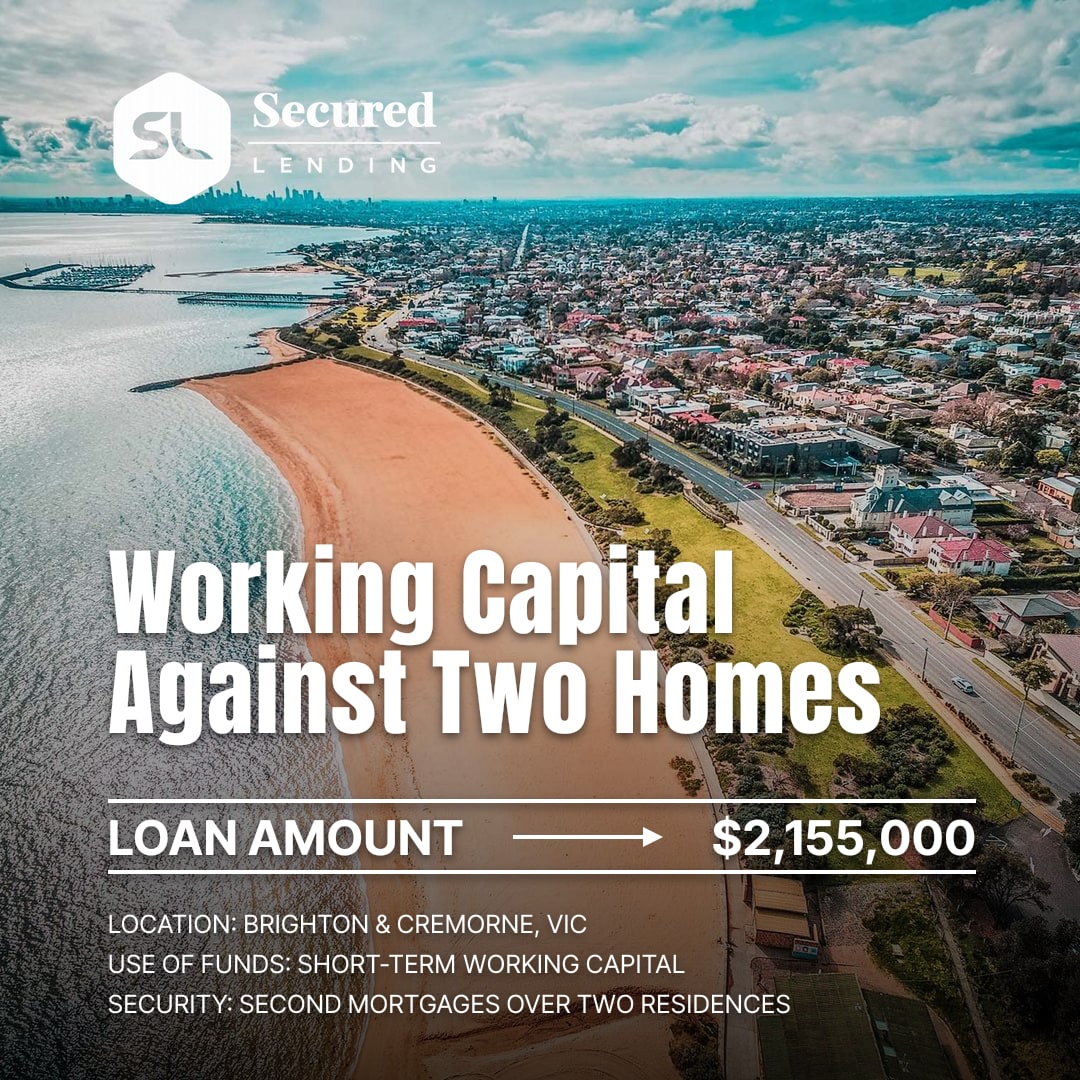
$2.155M Second Mortgage Working Capital Facility Across Brighton and Cremorne

$280K Second Mortgage for Short-Term Cash Flow in Kooyong

$545K Bridging Loan Across Three Suburbs in Melbourne's North-West
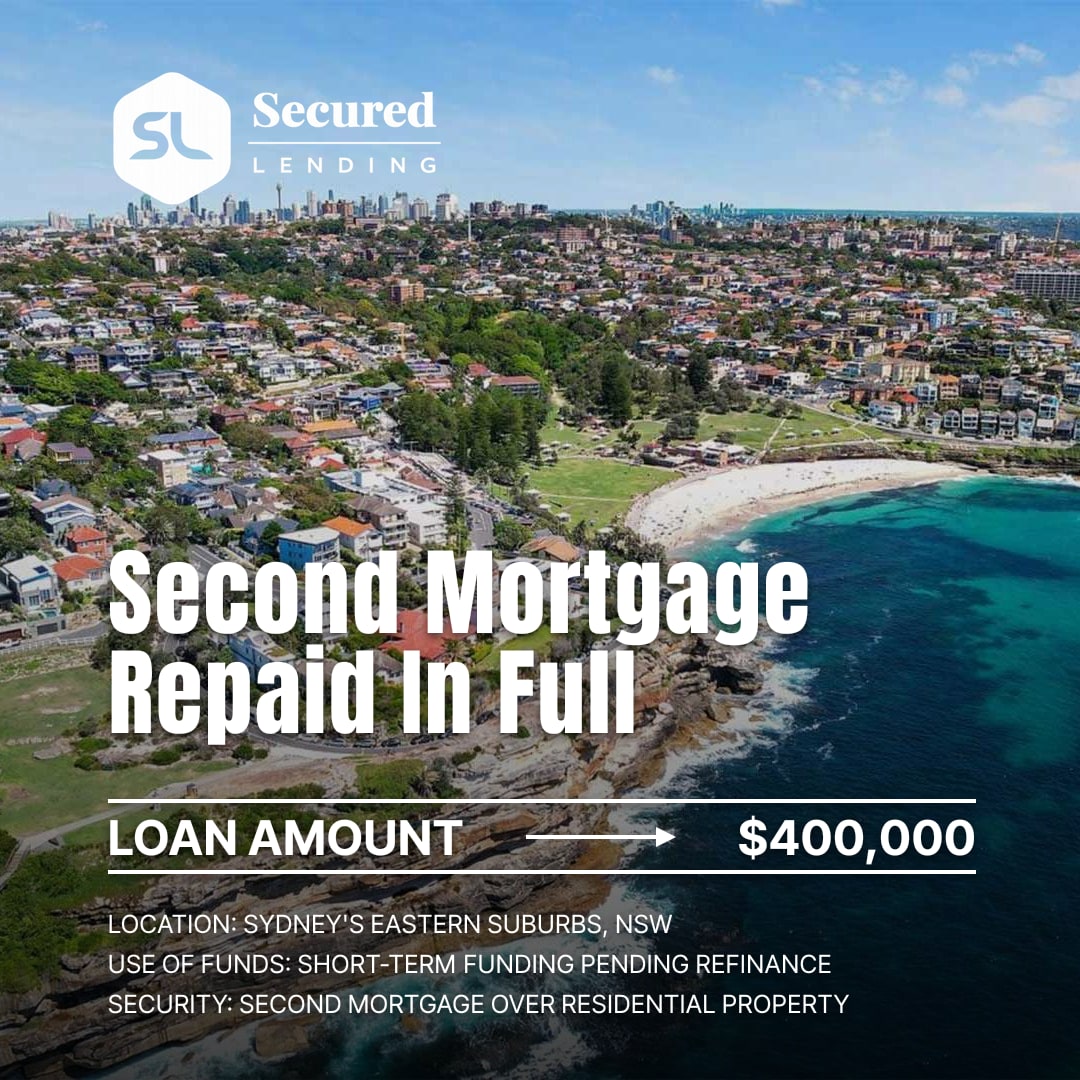
$400K Second Mortgage Repaid in Full After a Flexible Two-Month Extension
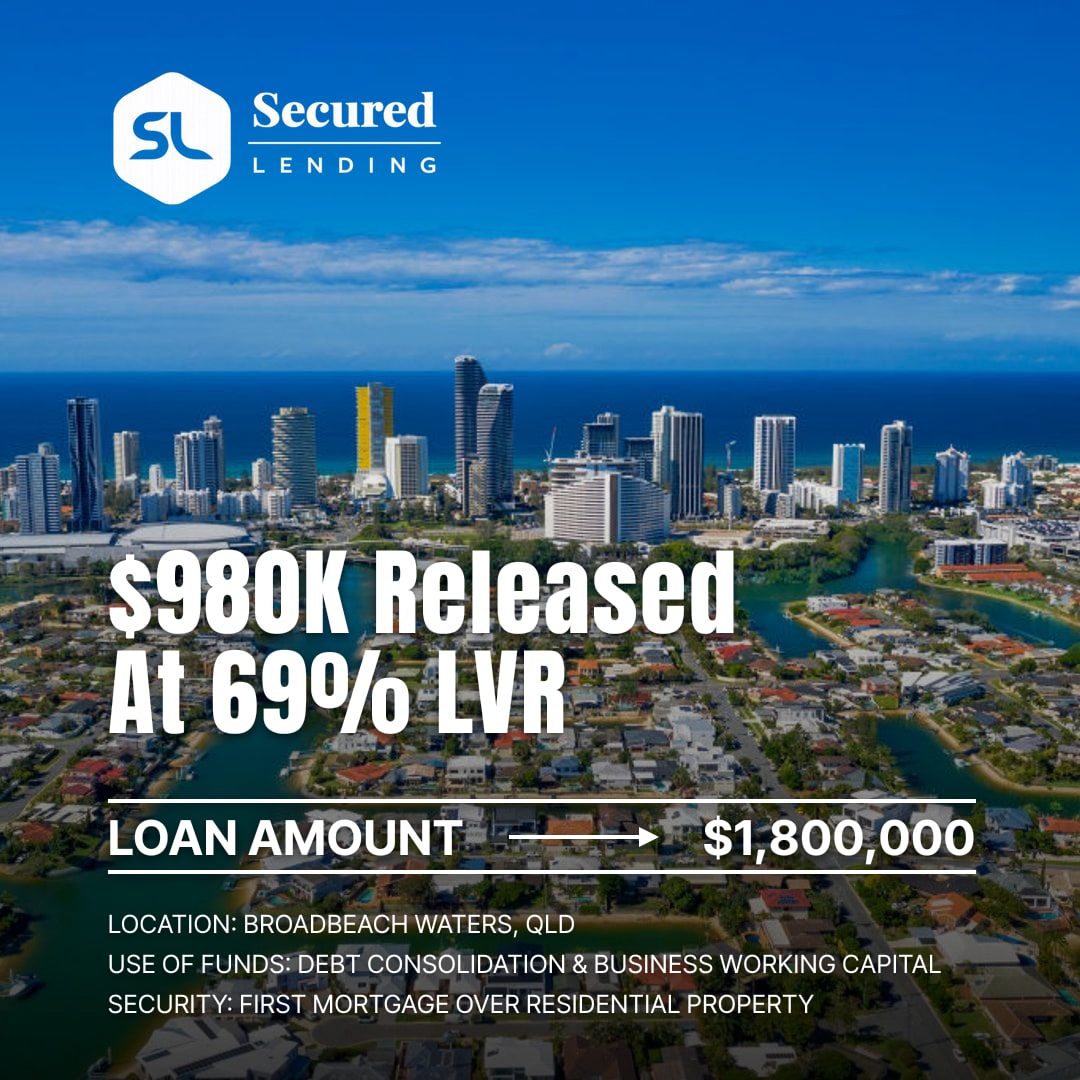
$1.8M First Mortgage Releases $980K of Working Capital for a Solar Business
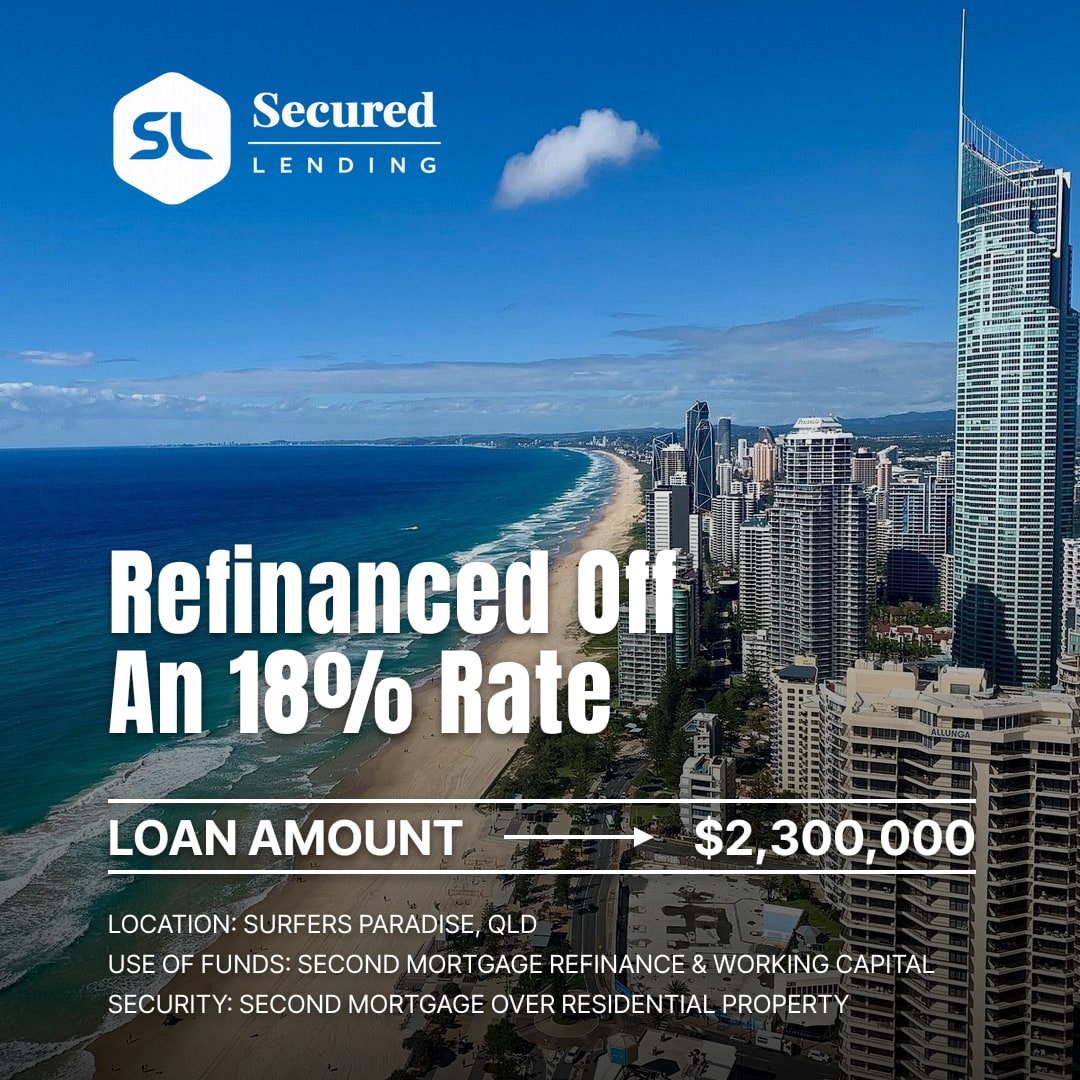
$2.3M Second Mortgage Refinances an 18% Facility for a Glass Manufacturer
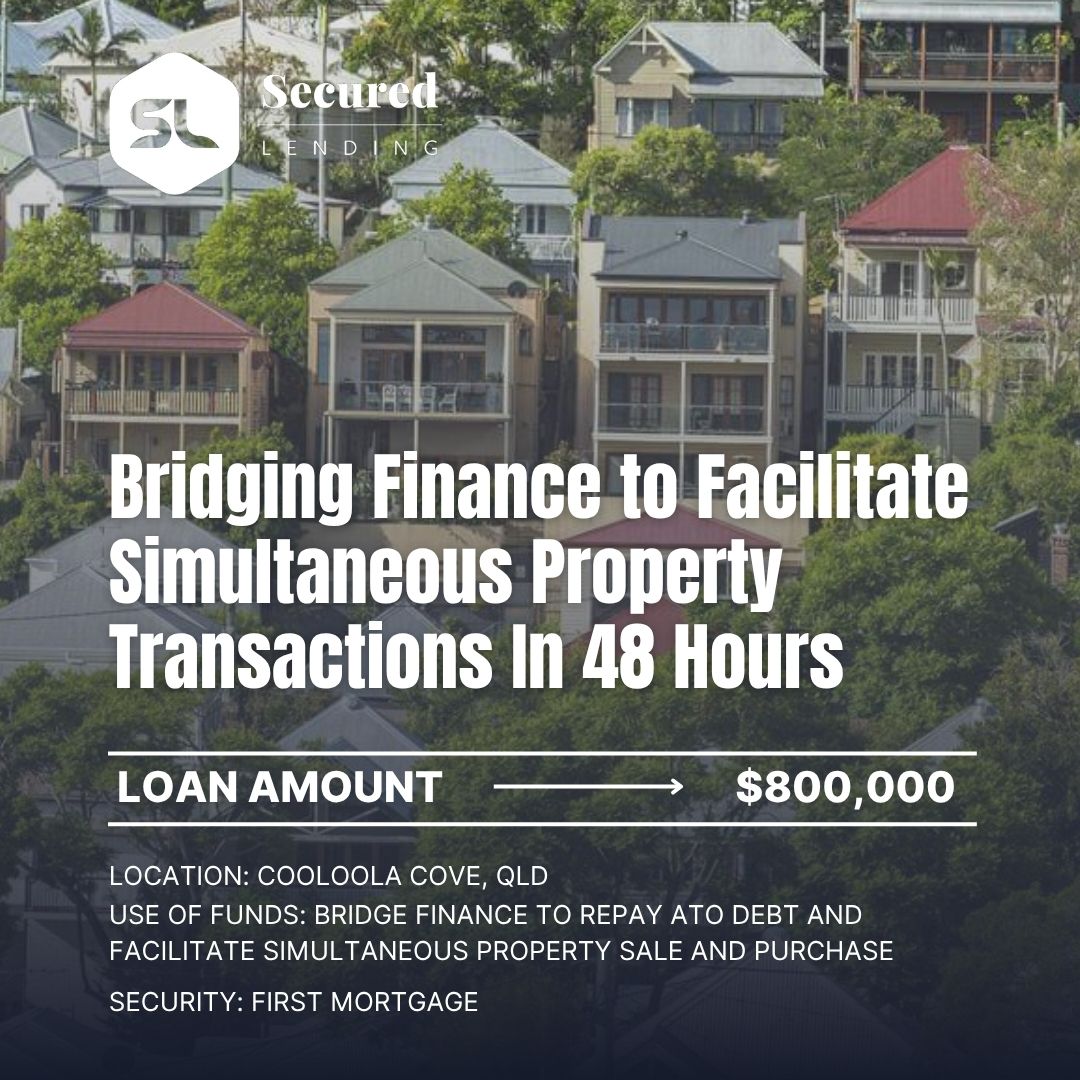
$800K Bridging Finance for Simultaneous Property Transactions in 48 Hours
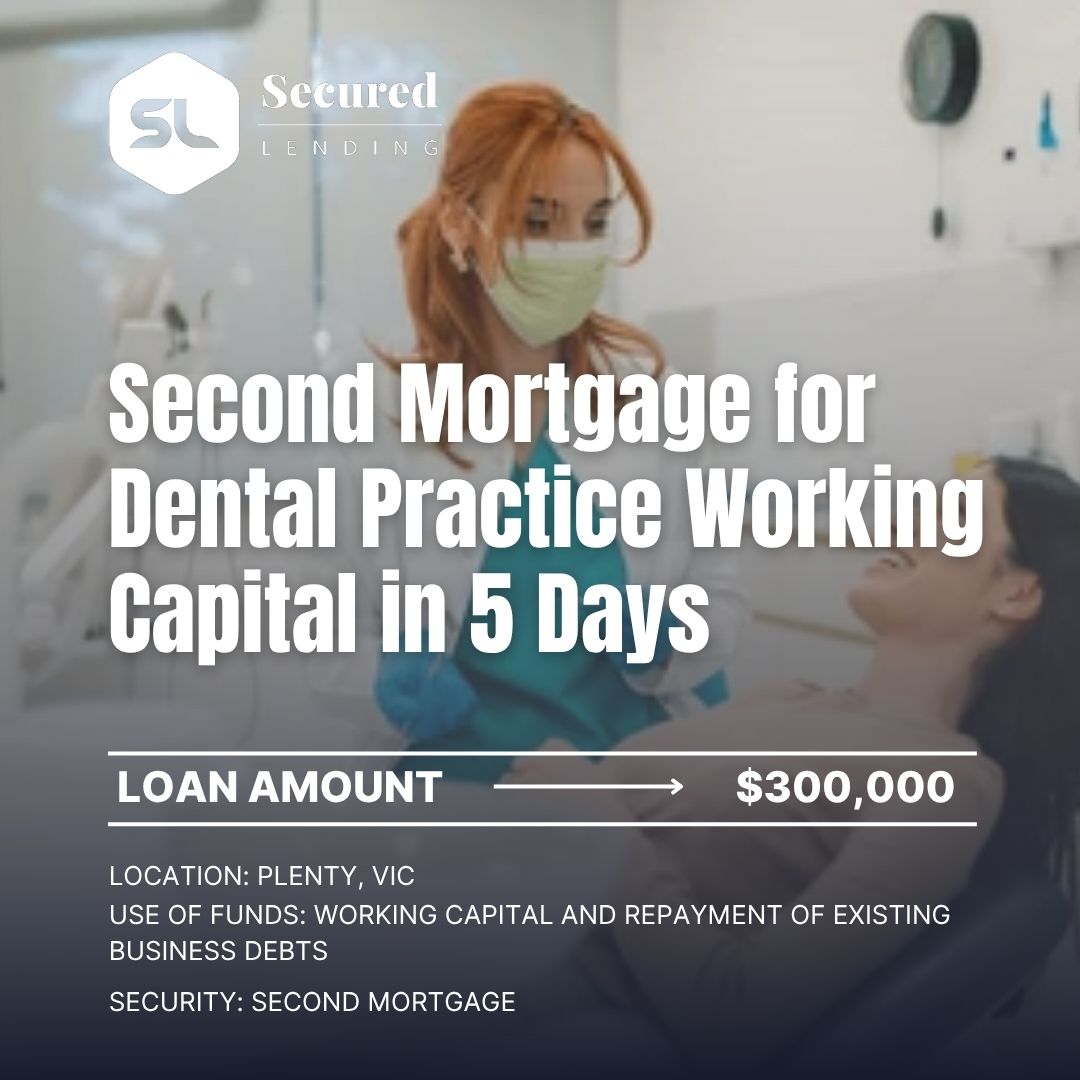
$300K Second Mortgage for Dental Practice Working Capital in 5 Days
In these situations, business acquisition finance through a non bank private lender can be a strong fit—particularly when a bank process is too slow or too restrictive.
Secured Lending supports business owners who want to purchase an established business, acquire a book of clients, buy key equipment, or fund an acquisition settlement using property backed lending. If you have equity in residential, commercial, or industrial property, a secured business loan can help you move with speed and control while you complete the acquisition and transition the business.
A non bank private lender for purchasing a competitor
Secured Lending is a non bank private lender for Purchasing a Competitor, providing secured business loans, private mortgage solutions (including first mortgage and second mortgage options), and short term facilities commonly used to support acquisition settlement timelines.
We speak with clients every week who need time-sensitive finance. We’re happy to guide you on what’s typically required, what documents to prioritise, and how to structure a funding request so you can get a fast decision without unnecessary back-and-forth.
We service Sydney, Melbourne, Brisbane, Gold Coast, Perth, Adelaide, Canberra and surrounding metro and regional areas.
Lending parameters at a glance
- •Funded over $500 million in loans
- •Use our own funds for fast decisions
- •Internal property valuation team (can move within 24 hours)
- •Loans from $250k to $10M
- •Rates from 9.7% p.a.
- •Short term finance from 1 to 24 months
Why buyers use private lending to purchase a competitor
Purchasing a competitor often doesn’t fit neatly into a traditional “tick-the-box” finance process. Private lending can be more aligned to how acquisitions actually work—fast timelines, moving parts, and outcomes driven by execution. Many borrowers exploring non-bank business loans do so because the assessment can be structured around the transaction and the available security, not just standard policy requirements.
Speed when the deal has a deadline
Competitor acquisitions can come with a short fuse. Sellers want certainty and a clean settlement. Private lending can support faster approvals, faster valuations, and faster settlement timelines—when you have property security and a clear exit strategy.
A more flexible credit assessment than a bank
Banks can place heavy weight on historical trading, strict serviceability, and rigid policy rules. A private lender can focus more on asset backing, deal rationale, and how the loan will be repaid.
This can help when:
- •Your financials don’t yet reflect recent growth
- •You’re buying a distressed competitor with upside
- •You’re consolidating two operations and need a transition period
- •You need a short term facility before refinancing
Confidentiality and control during negotiations
Acquisitions are sensitive. You may not want employees, suppliers, or customers to know until completion. A private lending process can be more contained and less operationally disruptive than a protracted bank application.
Bridging the gap between acquisition and refinance
Many acquisitions follow a two-stage plan:
- •Secure the business quickly.
- •Refinance onto longer term funding once financials stabilise and integration is complete.
Short term facilities such as private bridging finance can give you time to execute the plan, improve cash flow, and then refinance when the business is ready.
What Secured Lending can fund in a competitor acquisition
Secured Lending facilities are commonly used for:
- •Settlement funding to purchase the business or shares
- •Bridging finance while you finalise longer term acquisition finance
- •Working capital to retain staff, stabilise operations, and support marketing
- •Fitout, equipment, or relocation costs linked to consolidation
- •Funding a payout, vendor settlement, or time-critical transaction costs
This approach is often suitable when the acquisition is strategically strong but the timing is tight, or when the deal structure is complex and needs a lender that can assess the full picture.
Security options and how we think about risk
As specialist private lenders in secured loans, we typically look at:
- •Property security type and location (residential or commercial)
- •Available equity and loan size
- •The purpose of the acquisition and the integration plan
- •Your exit strategy (refinance, sale of an asset, or business cash flow)
Because competitor acquisitions can involve multiple moving parts, clear documentation and a realistic timeline matter. If your plan includes refinancing, we’ll want to understand how the combined business can support that outcome, what needs to happen first, and what milestones you expect to hit.
What to prepare to speed up approval
To help move quickly, most borrowers prepare:
- •Details of the target business and the purchase terms
- •Your business financials and current position
- •Security property information
- •A short summary of the acquisition rationale and expected benefits (customer base, geographic expansion, recurring revenue, cost synergies)
- •Your proposed exit strategy and timeframe
If you’re unsure what’s essential versus optional, Secured Lending can guide you on requirements for Purchasing a Competitor so you don’t waste time preparing the wrong material.
Private lending
If you need an outcome-driven lender with fast decision-making, Secured Lending can act as your Australian private lender for time-sensitive competitor acquisitions where property security and a credible exit strategy support the request.
When a non bank private lender is the right fit
This type of finance may suit you if:
- •You need funding certainty within days, not weeks
- •The acquisition is time sensitive or confidential
- •You have property equity and need a short term solution
- •You’re buying a competitor with a turnaround plan and need flexibility
- •You want a clear, direct decision-making process
If you’re exploring a competitor acquisition and need a lender that can move fast, Secured Lending offers short term secured solutions designed for purchase timelines, negotiation pressure, and fast settlement requirements.
Frequently asked questions
1) Can you fund the acquisition before the final contract is signed?
Often, yes—where there’s enough detail to assess the request (price, structure, timing, and security) and a clear path to settlement. In many acquisitions, speed comes from preparing the security and valuation side early, so funding is ready when contracts are ready to exchange.
2) What’s the biggest mistake borrowers make when trying to fund a competitor purchase quickly?
Underestimating how much clarity a lender needs on the exit strategy. Even with strong property security, a fast approval is easier when you can show how the loan will be repaid—refinance, sale of an asset, or clear cash flow steps—plus realistic timing.
3) Can the loan include working capital for the first few months after takeover?
Yes, it can—especially where the acquisition plan involves staff retention, stabilising operations, marketing to protect revenue, or costs tied to merging two businesses. It’s usually better to build this into the facility upfront than to scramble for cash mid-transition.
4) What if the competitor i’m buying is distressed or has messy financials?
That’s common in competitor acquisitions. Private lending can be more focused on security, the deal rationale, and your integration plan rather than relying only on the target’s historical trading. The key is showing what changes after settlement and how you’ll stabilise performance.
5) How do you handle confidentiality when I don’t want the deal widely known?
The process can be kept contained. Typically, the lender focuses on you, the security property, and the transaction structure—without needing a broad “open file” approach that can ripple through staff, suppliers, or customers. You can also sequence what information is shared and when, while still meeting approval requirements.
6) If my plan is to refinance later, what do you want to see upfront?
A credible refinance pathway and milestones: what the combined business will look like, what needs to improve (margin, utilisation, recurring revenue, cost reductions), and how long that realistically takes. Even a short written integration plan and timeline can materially improve speed and decision certainty.
7) Can we borrow against our own premises to buy a competitor?
Yes, and it is the cleanest structure available. Releasing equity from a property you already own gives you cleared funds to complete an acquisition, without needing the target to provide any security. The facility sits at up to 70% LVR against your property, and the exit is usually a bank refinance once the combined business has trading history.
8) The target is distressed. Does that change your assessment?
Of the target, yes. Of the loan, less than you would think, because we are secured against your property rather than theirs. What we do want to understand is whether you are taking on their liabilities, because an acquisition that inherits an ATO debt or a creditor position changes the size of the facility you actually need.