



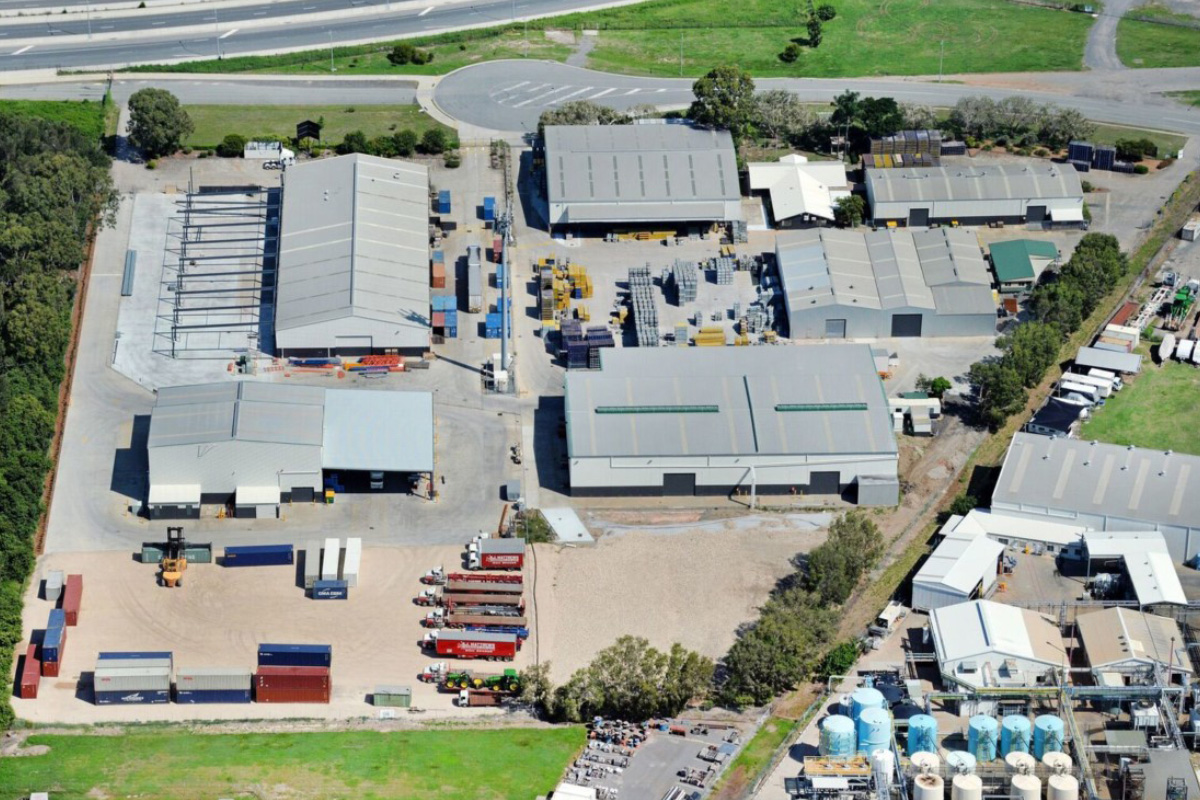
A bank decline is not a verdict on the quality of the deal. Banks apply credit policies designed for a broad population of borrowers, and those policies create outcomes that have nothing to do with whether the specific asset, the specific borrower, or the specific transaction is sound. Entity structure complexity, sector exposure limits, LVR policy thresholds, director credit history, trust deed interpretation, and asset classification are all common reasons banks decline deals that private lenders routinely fund.
Who This Is For
- •Borrowers who have received a bank decline and need an alternative lender to complete the purchase
- •Borrowers whose bank withdrew conditional approval during the process due to a change in property status or entity assessment
- •Companies and trusts declined due to entity structure complexity rather than asset quality
- •Borrowers in sectors where banks have reduced appetite regardless of the specific asset
- •Borrowers with a time-critical settlement who cannot restart a bank application process
- •Not available to natural persons borrowing in their personal name
- •Not available for residential property or any NCCP-regulated consumer lending
Why Bank Declines Happen and What We Do Differently
The most common reasons we see commercial property deals declined by banks fall into a handful of categories: sector policy (the bank has reduced appetite for a specific property type or tenant industry regardless of asset quality); entity structure (the trust, company, or SMSF structure does not fit the bank's standard assessment templates); LVR policy (the bank's maximum LVR for the asset category is below what the transaction requires); director credit (one or more directors has a historical credit issue that triggers a policy rule); and timing (the bank's processing timeline is longer than the settlement deadline).
We assess each of these situations independently. Our credit decision is based on the security property value, the LVR, the borrower entity's capacity to hold the loan during the term, and the credibility of the exit strategy. We do not apply sector-level exposure limits, blanket trust restrictions, or uniform director credit thresholds. Each deal is assessed on its own facts.
Submit your scenario including the reason for the bank decline if known. Same-day indicative response. Letter of offer within 24 hours of agreed terms. Settlement from 24 to 72 hours for clean deals.
Three Post-Decline Scenarios We Have Recently Helped
A Pty Ltd company was purchasing a retail strip tenanted by food and beverage operators. The bank declined at the credit stage, citing reduced sector appetite for food-tenanted retail. The asset was well-located, fully tenanted on 3-year leases, and the company had strong directors. We assessed on the asset and the exit. Loan: $2.3 million, first mortgage, 65% LVR, 12-month term. The company refinanced to a non-bank lender at term.
A discretionary family trust was purchasing an industrial unit. Conditional bank approval was withdrawn three weeks before settlement when the bank's credit review flagged the trust's related corporate trustee as not meeting the bank's standard guarantor criteria. We assessed the trustee directors and the property. Loan: $1.1 million, settled within 4 business days of enquiry.
An SMSF wanted to acquire a commercial office suite as business real property. The fund's bank had a moratorium on LRBA lending for commercial property during a portfolio review. The vendor required settlement within 30 days. We stepped in with a 12-month LRBA bridging facility. The fund arranged a specialist SMSF lender during the bridge term. Loan: $870,000.
Speed and Process Advantage
We hold direct credit authority with no external committee. When a bank has declined or withdrawn, timing is often critical: settlement deadlines do not pause while borrowers find alternative finance. We can provide an indicative position the same day, a letter of offer within 24 hours of agreed terms, and settlement within 24 to 72 hours for clean deals. The bank decline does not affect our processing speed.
Related Commercial Property Finance
Frequently Asked Questions

Get an indicative offer within hours, not weeks.
No credit check. No obligation.
Why Secured Lending?
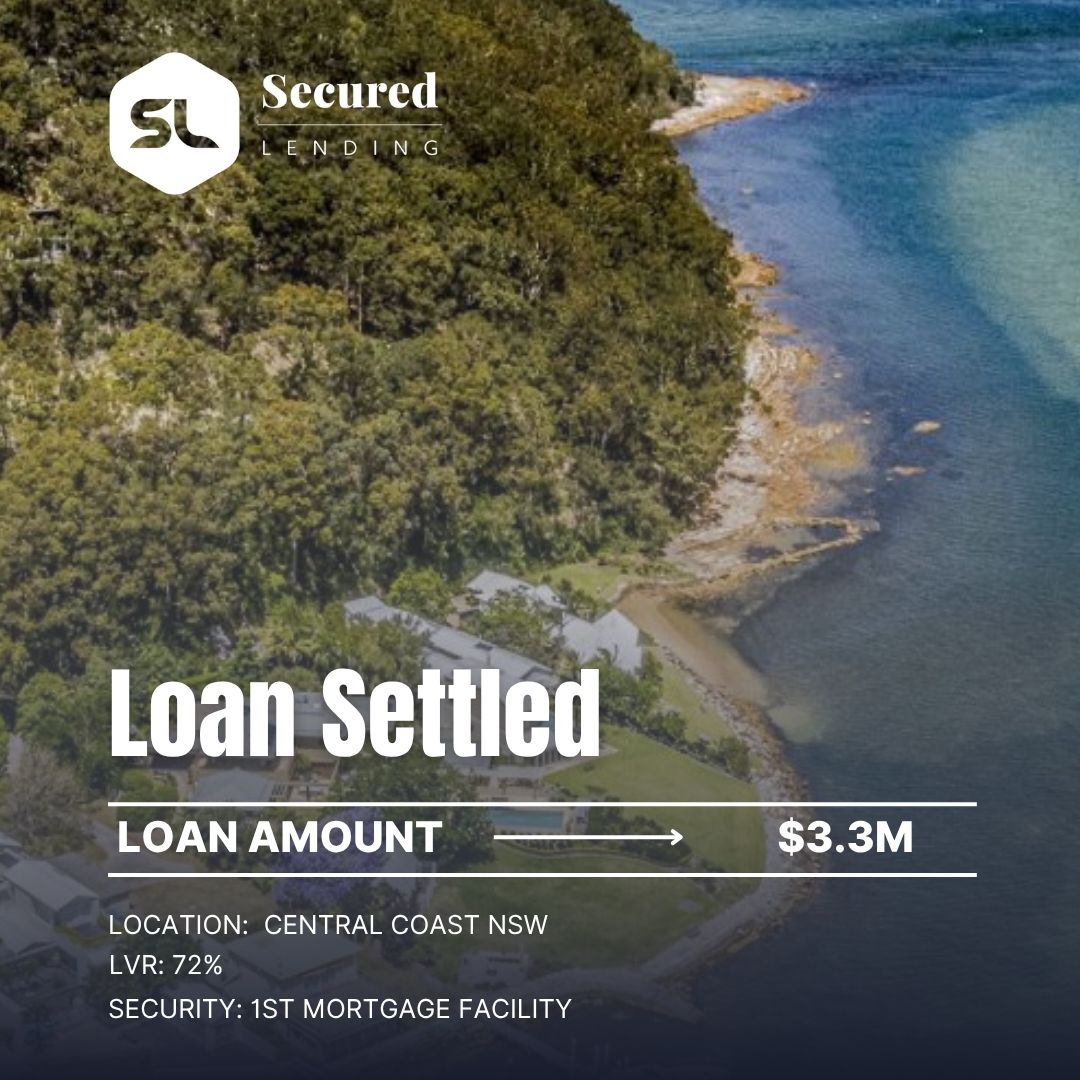
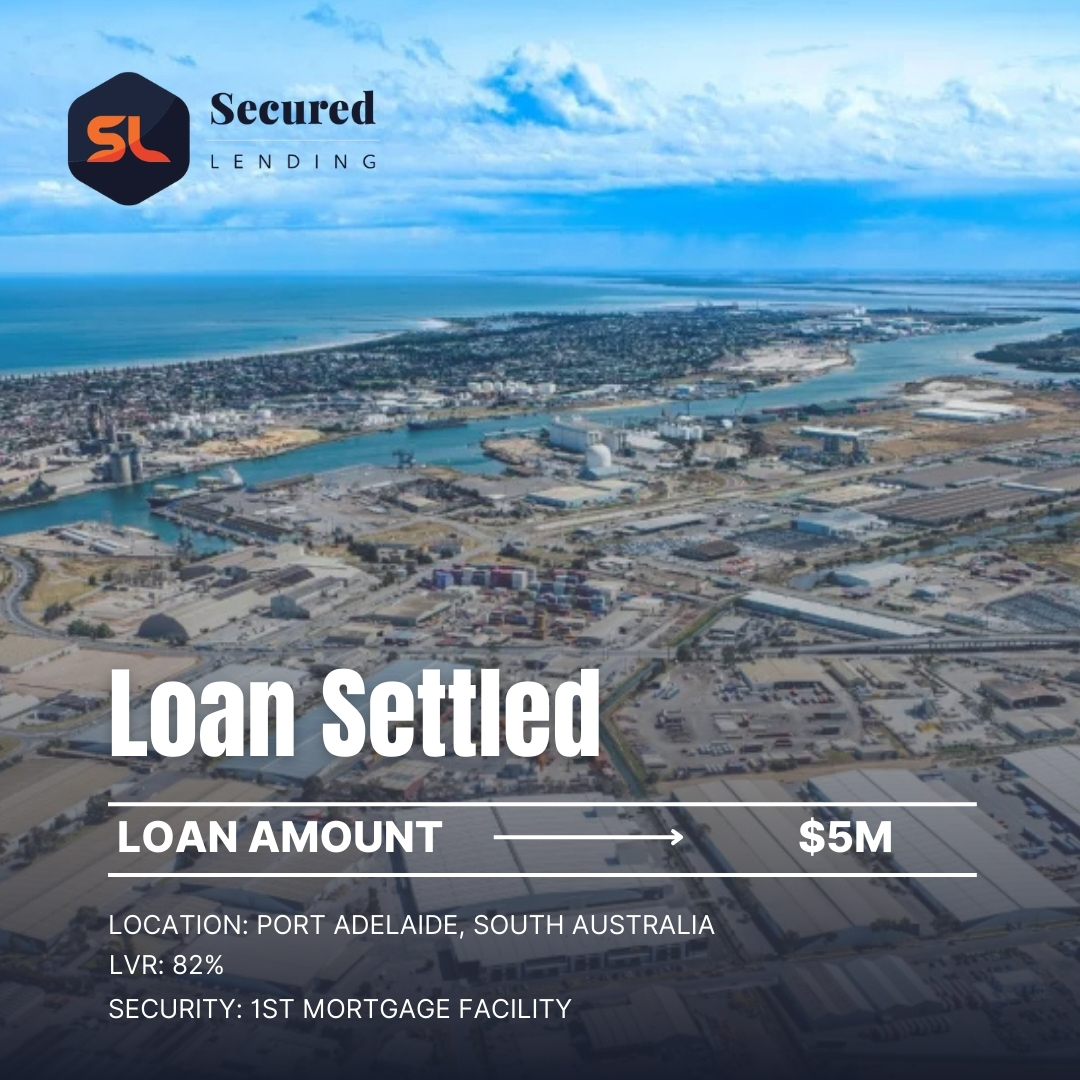
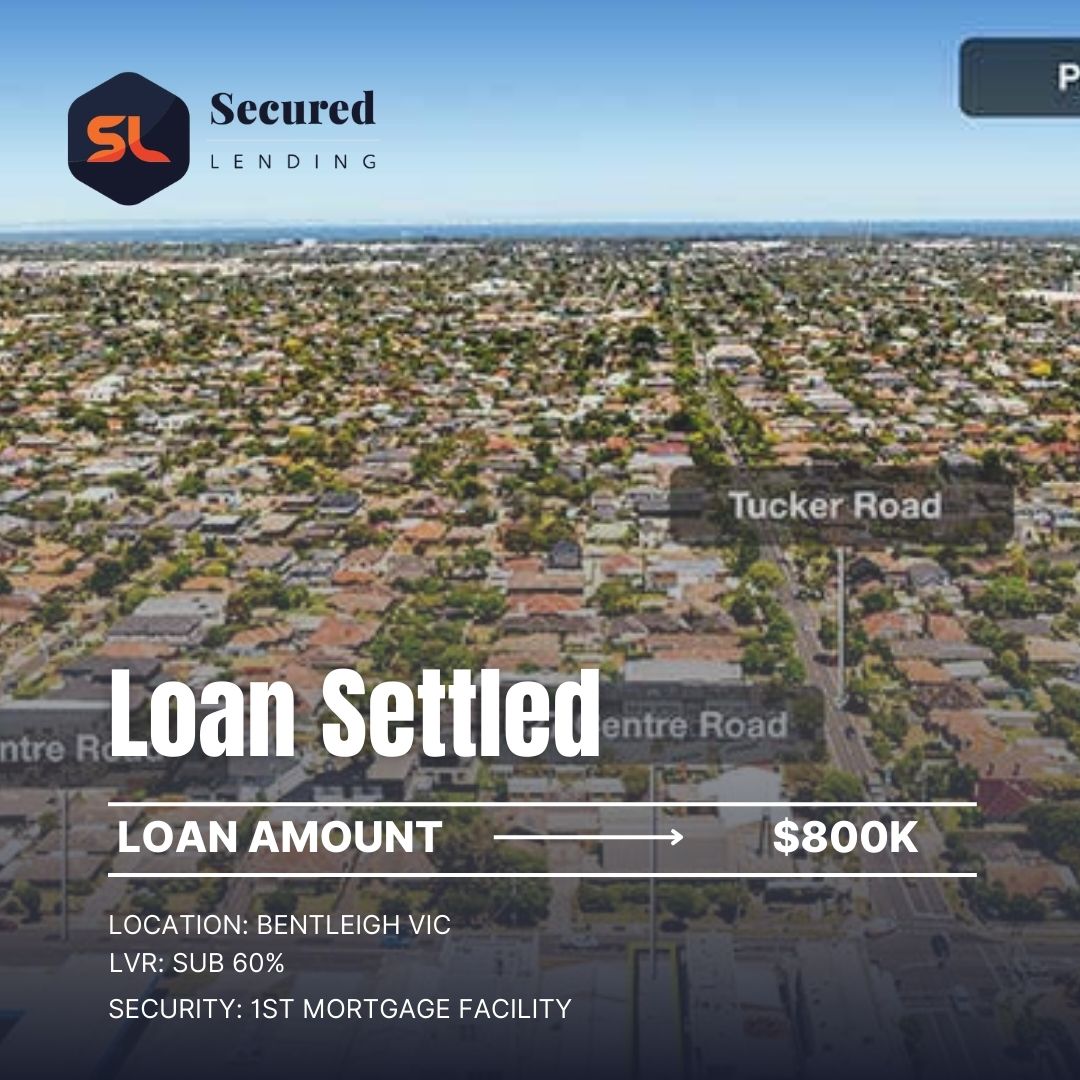
Case Studies


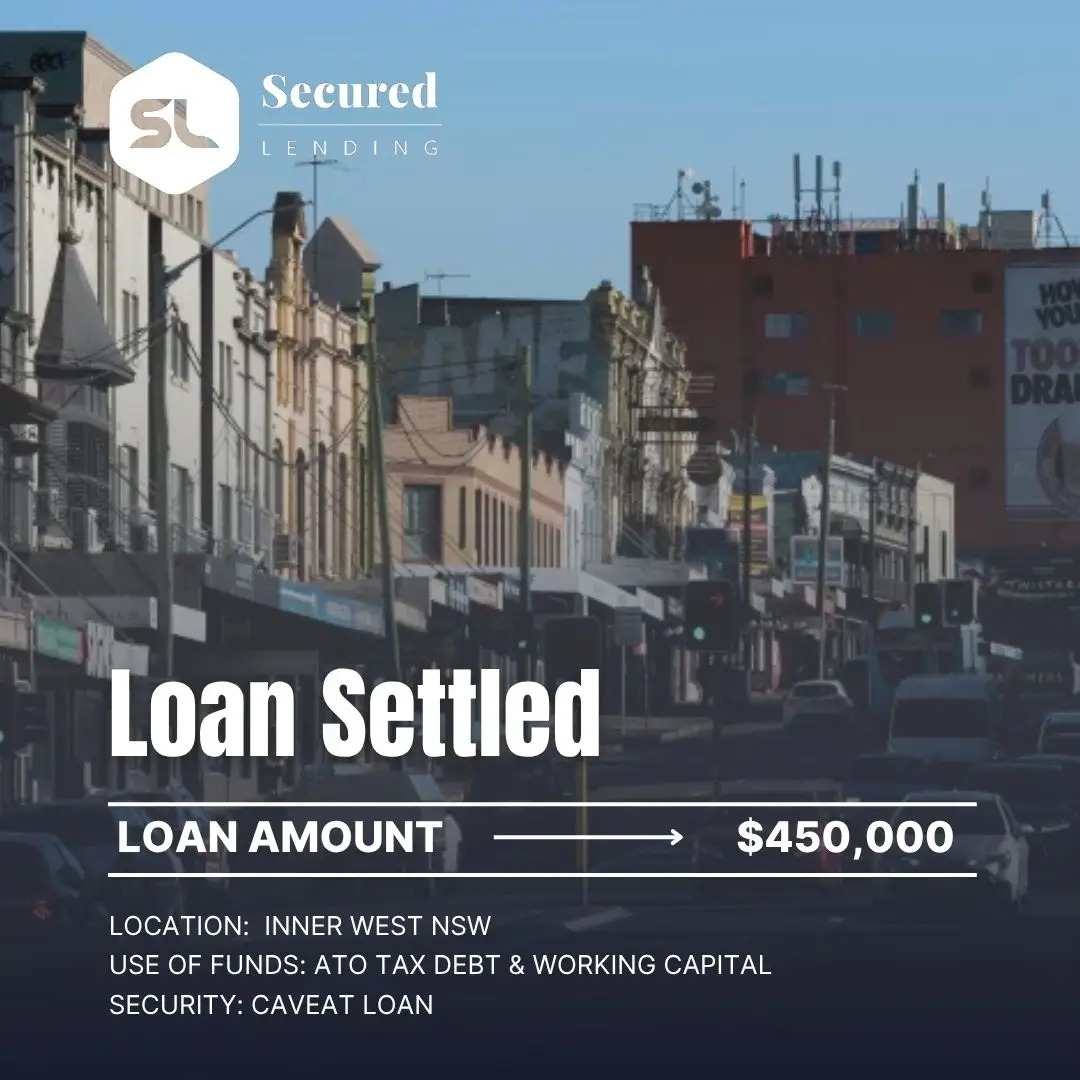
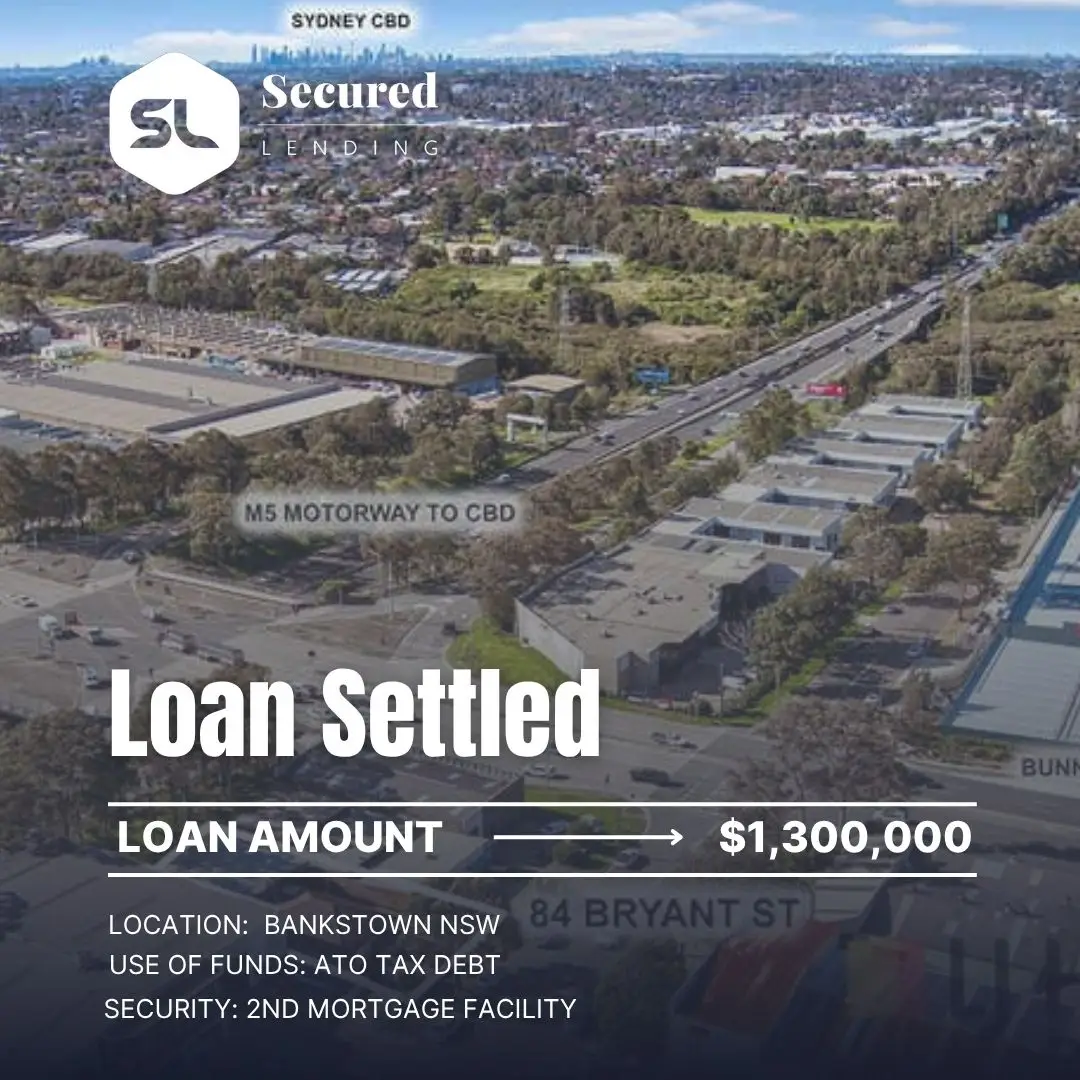
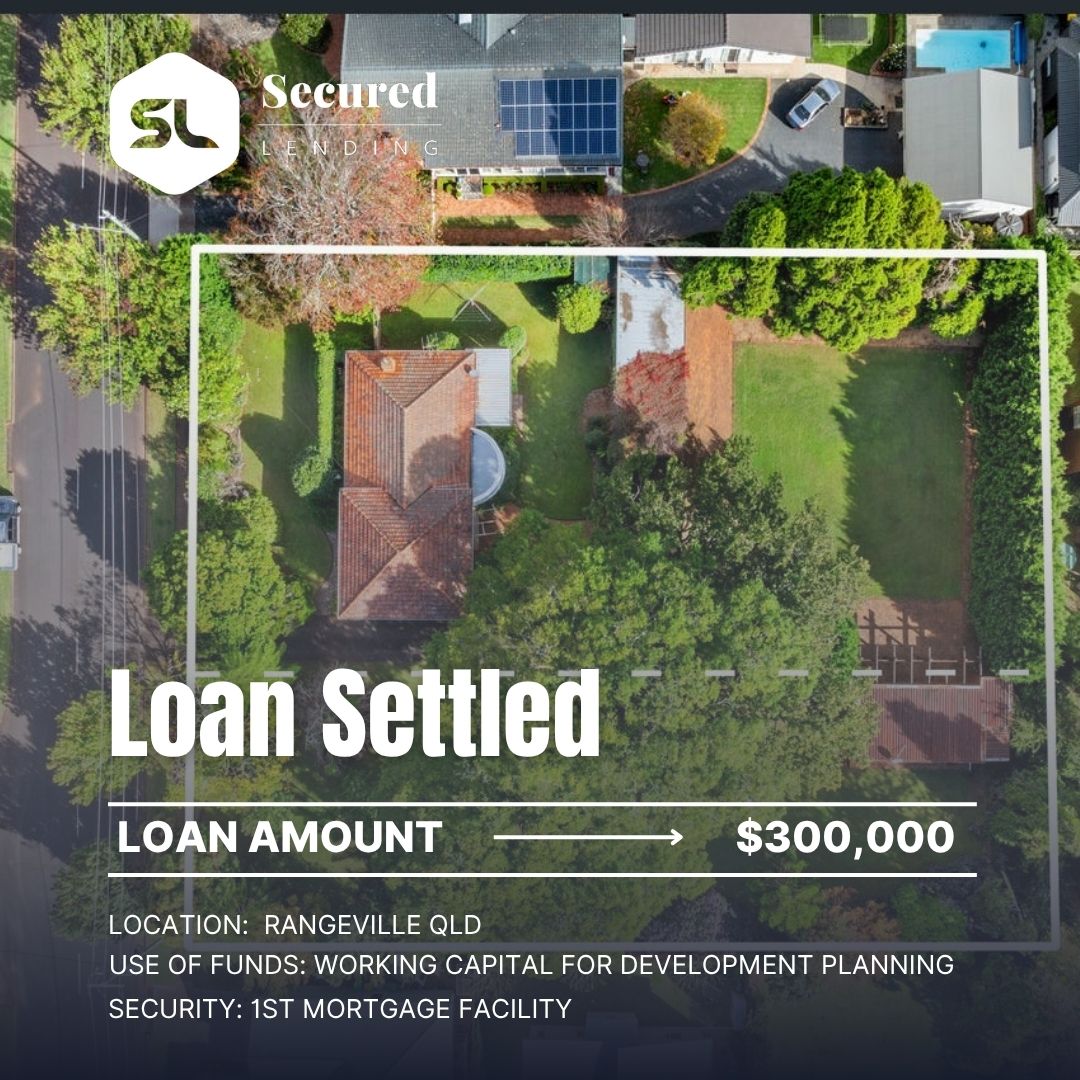
Get an indicative offer within hours, not weeks.
No credit check. No obligation.
Why Secured Lending?
Scenarios We Can Help With
Browse our full range of services, industries, locations, and resources to find the right financial solution for your needs.
Our Loan Solutions

Bridging Finance
Short-term funding to bridge the gap between a property purchase and a longer-term finance solution.

First Mortgage
Private first mortgage loans secured against residential, commercial, or industrial property.

Second Mortgage
Unlock equity in your property without refinancing or disturbing your existing first mortgage.

Caveat Loans
Urgent caveat loans secured by property. No need to refinance your existing mortgage.

ATO Tax Debt
Fast funding to help businesses resolve ATO obligations before penalties, garnishees, or director penalty notices escalate.

Debt Consolidation
Roll multiple high-rate facilities into one property-backed loan. Simplify repayments and restore cash flow.
Urgent Business Loans
When timing is critical and banks can't move fast enough, we step in. Property-secured funding for businesses that need an answer today — not next week.
Short Term Loans
Flexible property-secured loans designed for businesses that need capital now and a clear exit path later. Ideal for bridging gaps, seizing opportunities, or managing short-term pressure.