




Low doc lending is not a workaround — it is a recognised loan category built around the reality that not every borrower can produce two years of full tax returns and audited financials on demand. The same fundamental question still needs to be answered: does the security support the loan and is there a credible exit? The difference is in how the lender gathers evidence to answer it.
In 2026, alternative documentation typically means one or more of: an accountant's declaration of income and financial position, recent BAS statements, business bank statements over 6 to 12 months, or a signed asset and liability statement. It does not mean no documentation. It means different documentation, assessed differently.
All borrowers must be a Pty Ltd company, family trust, or SMSF. This product does not allow individuals to bypass documentation requirements by applying through a private lender in their personal name.
Who Typically Needs a Low Doc Assessment
- •Borrowers where financial statements are incomplete or do not yet cover the two full years most lenders require
- •Investors who have restructured their business and the current entity lacks a full financial history
- •Self-employed operators whose declared taxable income does not reflect their actual capacity due to business deductions
- •Investors with income from multiple sources that does not consolidate cleanly into a single returnable figure
- •Borrowers where the trust or company financials are not yet complete for the most recent financial year
- •Not for individuals borrowing in personal name — entity must be a company, trust, or SMSF

What We Accept in Place of Full Financials
- •Accountant's declaration: a letter from a registered accountant confirming the borrower's income and financial position
- •BAS statements: the last 4 to 8 quarterly BAS lodgements as evidence of ongoing business activity and turnover
- •Business bank statements: typically 6 to 12 months, showing cash flow, deposits, and operating patterns
- •Asset and liability statement: a signed declaration of assets owned and liabilities outstanding
- •Existing property portfolio: evidence of other investment properties and their current value and debt position
How This Differs from the Self-Employed Page
The self-employed page is about income type — specifically, investors whose income structure does not satisfy a bank's serviceability model regardless of how well documented it is. This page is about documentation availability. A self-employed director with two clean years of tax returns does not need low doc assessment. A company with 18 months of trading history might, even if the directors are otherwise well-credentialled.
The distinction matters because it affects how we structure the application and what we ask for upfront. When you enquire, tell us what documentation you have available and we will tell you what we need.
Three Low Doc Scenarios We Have Funded
A Pty Ltd company incorporated 16 months prior to the loan application wanted to purchase a $1.05M residential investment property. The company had strong bank statement evidence of consistent cash flow but no completed tax returns for the new entity. We assessed on 12 months of bank statements, an accountant's declaration, and the director's guarantee. Settled in 48 hours.
A family trust restructured its income-producing assets 14 months before applying. The new trust had one partial year of financials. The property being purchased was $880,000 in Brisbane with a 35% cash deposit. We assessed on the deposit amount, the security quality, and a signed accountant declaration. Loan funded within 72 hours.
A two-director company needed to refinance a $690,000 investment property loan urgently after their bank's short-term facility matured. The company's most recent financials were with the accountant and not yet lodged. We accepted BAS statements and interim management accounts alongside the directors' guarantees, and settled the refinance within 36 hours.
Related Finance Options
Frequently Asked Questions

Get an indicative offer within hours, not weeks.
No credit check. No obligation.
Why Secured Lending?
Case Studies

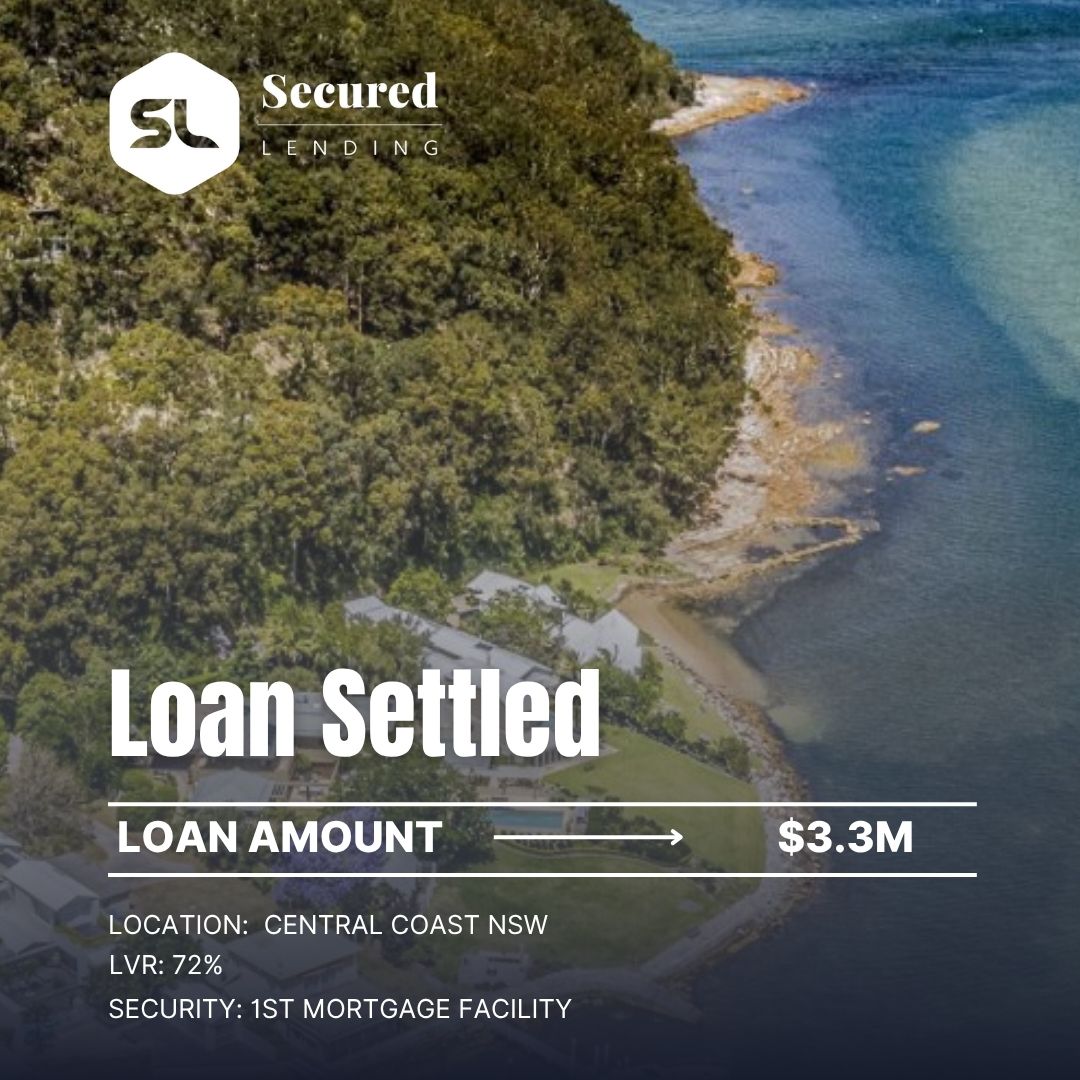
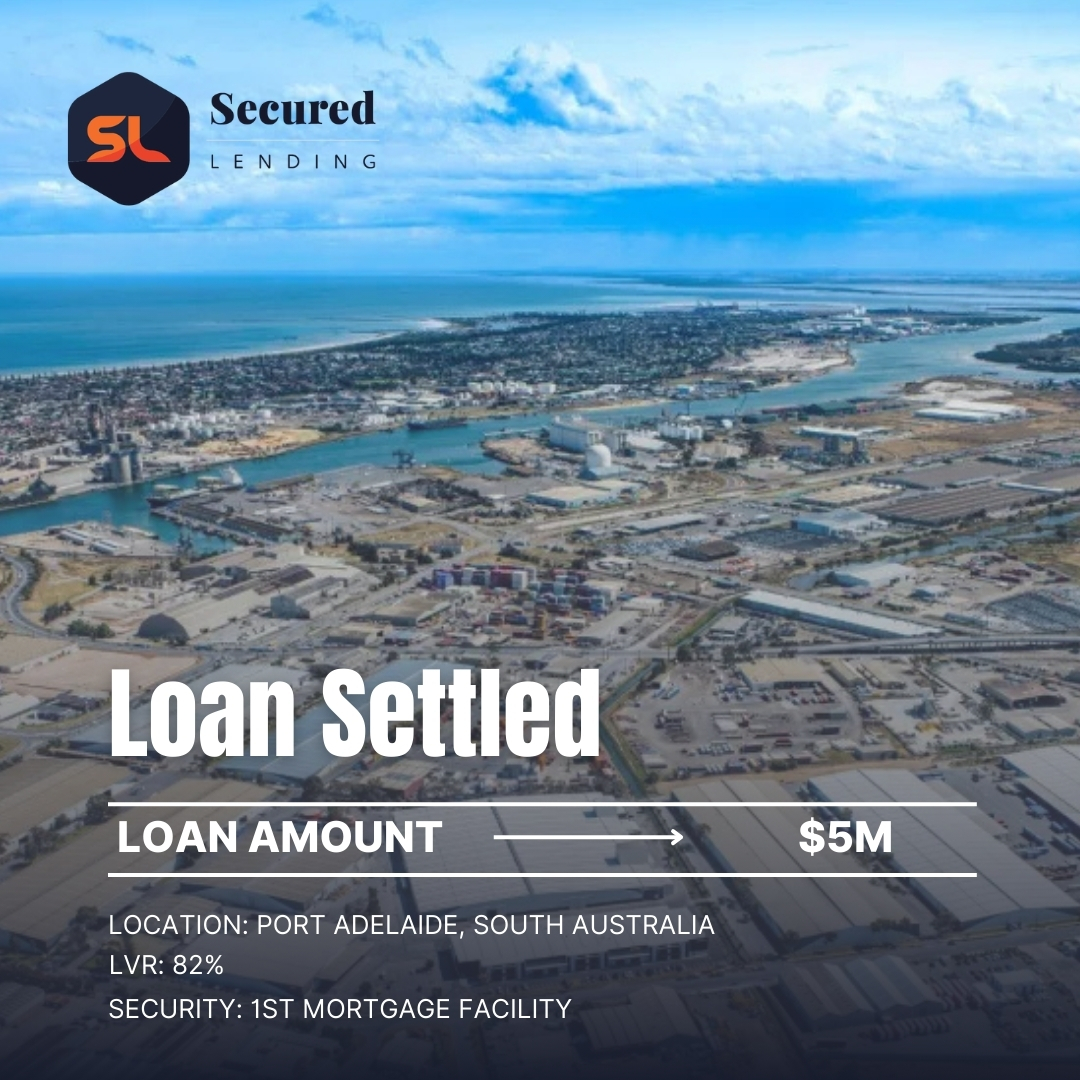
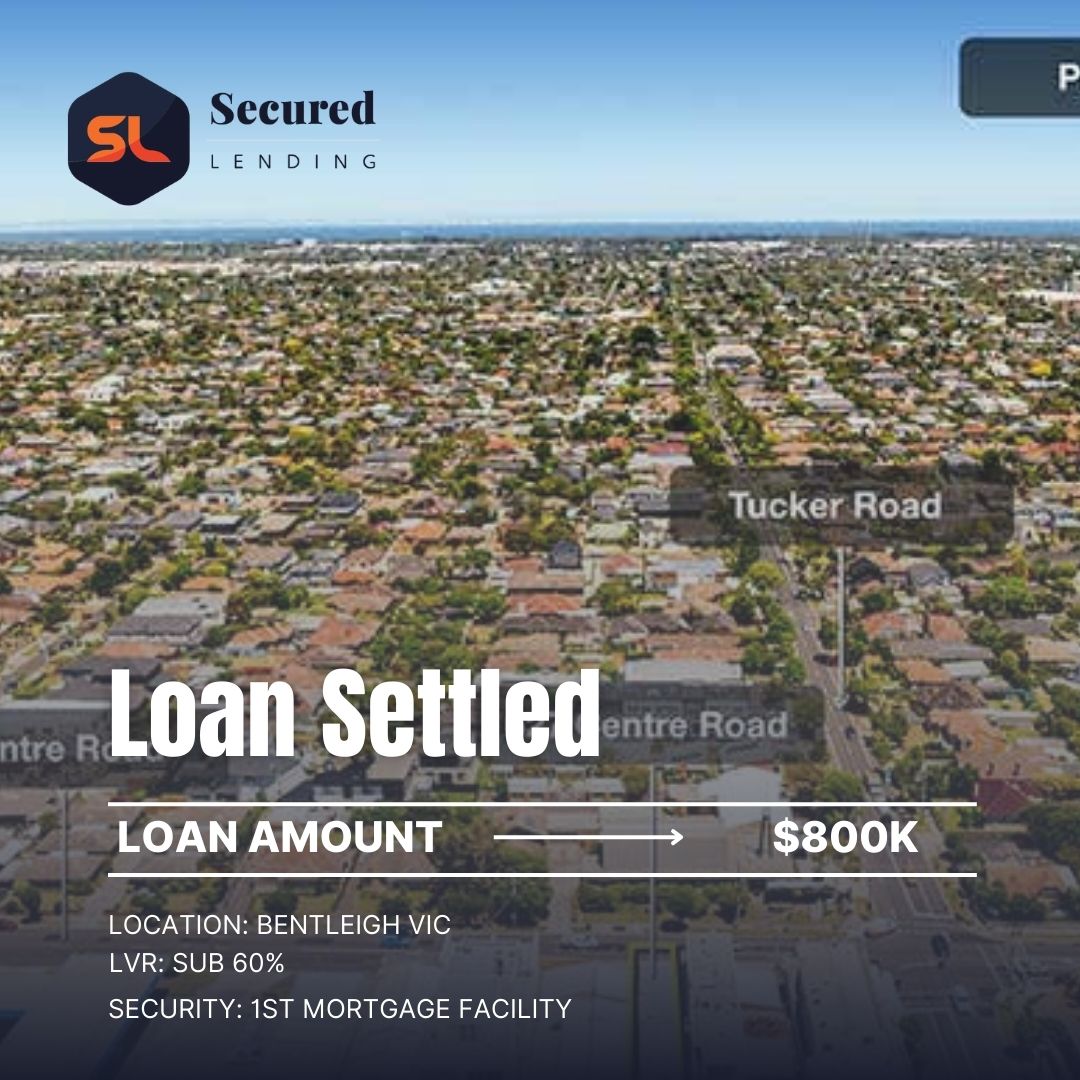
Get an indicative offer within hours, not weeks.
No credit check. No obligation.
Why Secured Lending?
Scenarios We Can Help With
Browse our full range of services, industries, locations, and resources to find the right financial solution for your needs.
Our Loan Solutions

Bridging Finance
Short-term funding to bridge the gap between a property purchase and a longer-term finance solution.

First Mortgage
Private first mortgage loans secured against residential, commercial, or industrial property.

Second Mortgage
Unlock equity in your property without refinancing or disturbing your existing first mortgage.

Caveat Loans
Urgent caveat loans secured by property. No need to refinance your existing mortgage.

ATO Tax Debt
Fast funding to help businesses resolve ATO obligations before penalties, garnishees, or director penalty notices escalate.

Debt Consolidation
Roll multiple high-rate facilities into one property-backed loan. Simplify repayments and restore cash flow.
Urgent Business Loans
When timing is critical and banks can't move fast enough, we step in. Property-secured funding for businesses that need an answer today — not next week.
Short Term Loans
Flexible property-secured loans designed for businesses that need capital now and a clear exit path later. Ideal for bridging gaps, seizing opportunities, or managing short-term pressure.