




A second mortgage sits behind your existing first mortgage in priority. It does not replace the first mortgage, does not require you to break a fixed rate, and does not involve your current lender at all in most cases. The first mortgage stays exactly as it is. Secured Lending takes a second charge over the same property, lending against the gap between the combined debt and the property value.
This structure is available to residential investment properties held in Pty Ltd companies and family trusts. Loan sizes from $250,000 to $10,000,000. Business purpose only.
Why a Second Mortgage Instead of a Refinance
Refinancing pays out the existing first mortgage and replaces it. That makes sense when the existing facility is problematic or expensive. But many borrowers have a first mortgage they want to keep -- a fixed rate that still has months to run, a long-standing bank relationship, a non-bank facility with favourable terms, or simply break costs that make full refinance uneconomic. In those cases, a second mortgage lets the borrower access the equity that has built up in the property without touching the first mortgage at all.
- •Fixed rate first mortgage with significant remaining term and high break costs
- •First mortgage rate is below current market -- refinancing would increase the total cost of debt
- •First lender relationship is important to preserve for future borrowing
- •The amount needed is smaller than the full first mortgage balance, making full refinance inefficient
- •Speed is the priority and a second mortgage can be structured and settled faster than a full refinance
- •The borrower wants to use multiple properties as security across separate facilities

How Combined LVR Is Assessed
Our maximum LVR is 70% of the property value. For a second mortgage, that cap applies to the combined debt -- the outstanding balance of the first mortgage plus the amount of the second mortgage. If the property is worth $1,400,000 and the first mortgage balance is $520,000, the maximum combined debt at 70% LVR is $980,000. That leaves up to $460,000 available as a second mortgage, before applying any other limits.
We use an independent valuation to confirm the property value, and we verify the first mortgage balance directly with the borrower. The first lender does not need to consent to our second mortgage in most cases, though their existing mortgage documents may contain notification provisions that your solicitor will review as part of the transaction.
Second Mortgage vs Equity Release vs Refinance
These products serve different purposes. A second mortgage adds new debt in second position behind an existing first mortgage. An equity release can be structured as a second mortgage, but it can also be structured as a first mortgage refinance where the new loan is larger than the payout, returning the difference to the borrower. A full refinance replaces the first mortgage entirely. If preserving the existing first mortgage is the priority, second mortgage is the right structure. If the first mortgage needs to change anyway and additional funds are needed, a cashout refinance is the cleaner path.
Three Second Mortgage Deals We Have Funded
A Pty Ltd company held a Sydney residential investment property worth $1.4M with a $520,000 first mortgage on a fixed rate that still had 14 months to run. The company needed $310,000 for working capital while it expanded a second business. Break costs on the fixed rate were $22,000. We provided a 12-month second mortgage at 59% combined LVR. The company repaid the second mortgage using business profits, and the fixed rate first mortgage ran to its natural term.
A family trust in Brisbane had an investment property worth $950,000 and a $380,000 first mortgage with a non-bank lender at a rate the trust had held for four years and did not want to disturb. The trust needed $195,000 for a deposit on a second investment property being purchased at auction. We settled the second mortgage in 48 hours. The trust used rental income to service both facilities and refinanced the second mortgage to the same non-bank lender six months later.
A Pty Ltd company owned two investment properties in Melbourne -- one worth $1.1M with a $420,000 first mortgage and one worth $880,000 with a $290,000 first mortgage. The company needed $380,000 to fund a development opportunity with a short approval window. We structured a second mortgage across both properties, with a combined LVR of 57% across all debt. The company completed the development, sold one property, and repaid the second mortgage at month nine of a 12-month term.
Related Finance Options
Frequently Asked Questions

Get an indicative offer within hours, not weeks.
No credit check. No obligation.
Why Secured Lending?
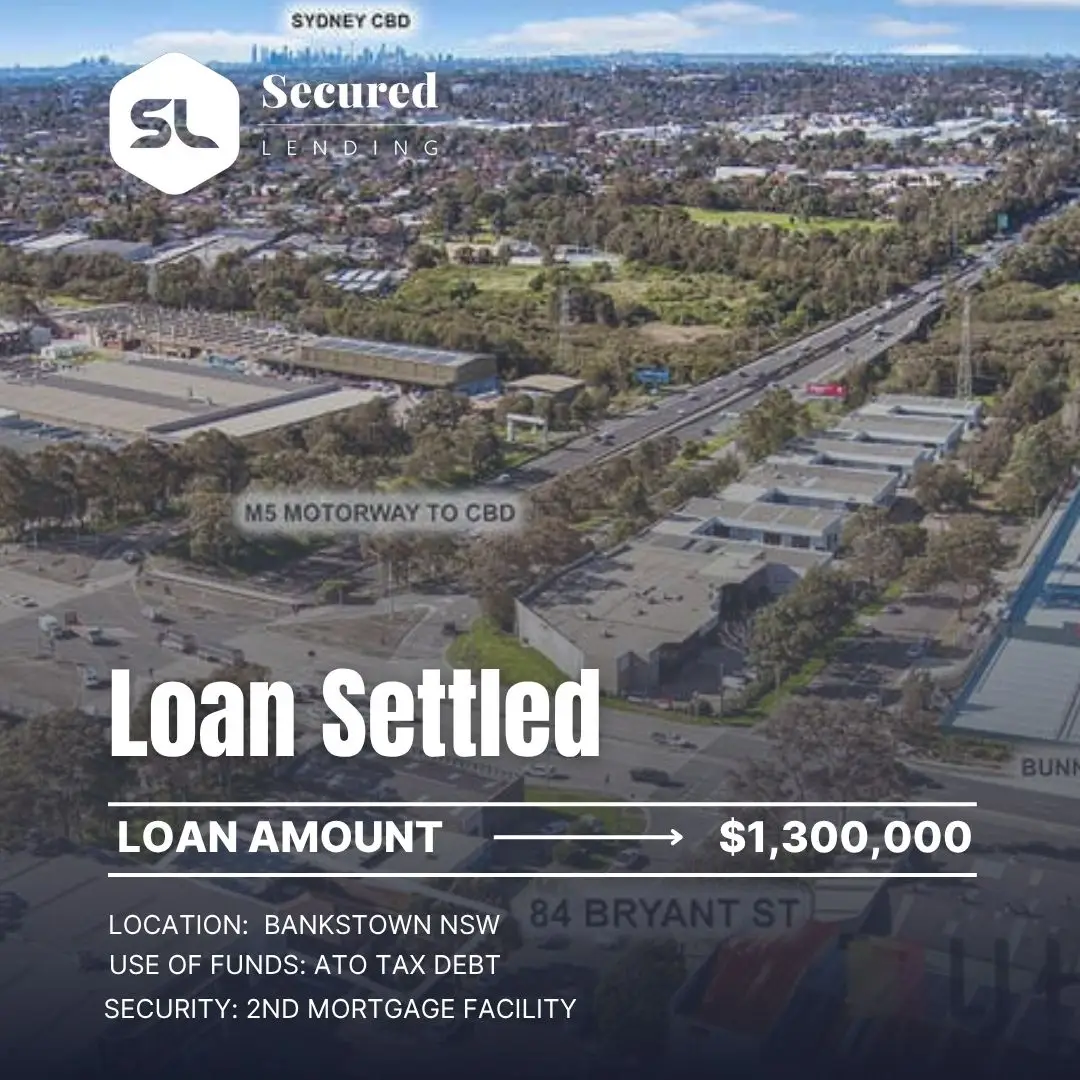
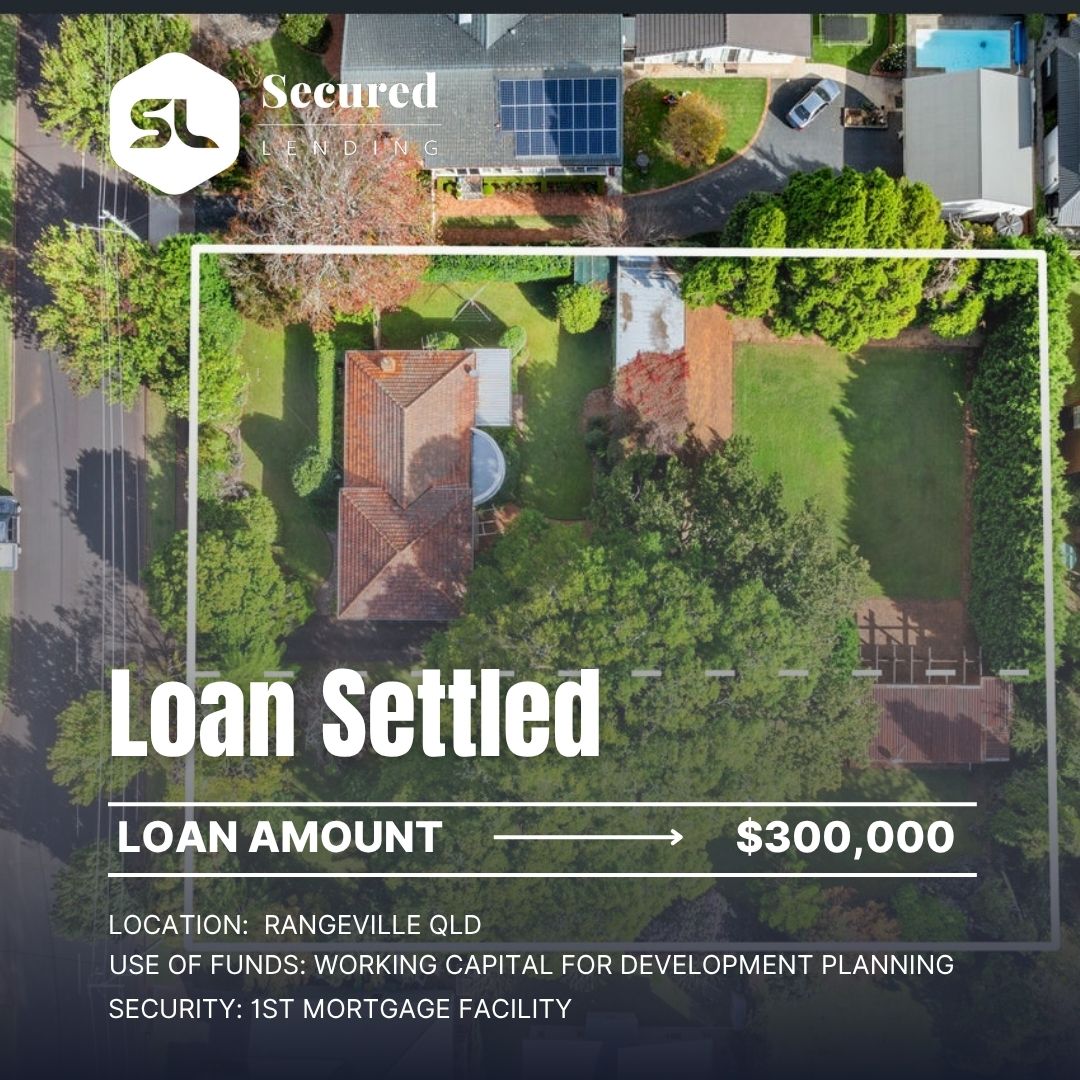
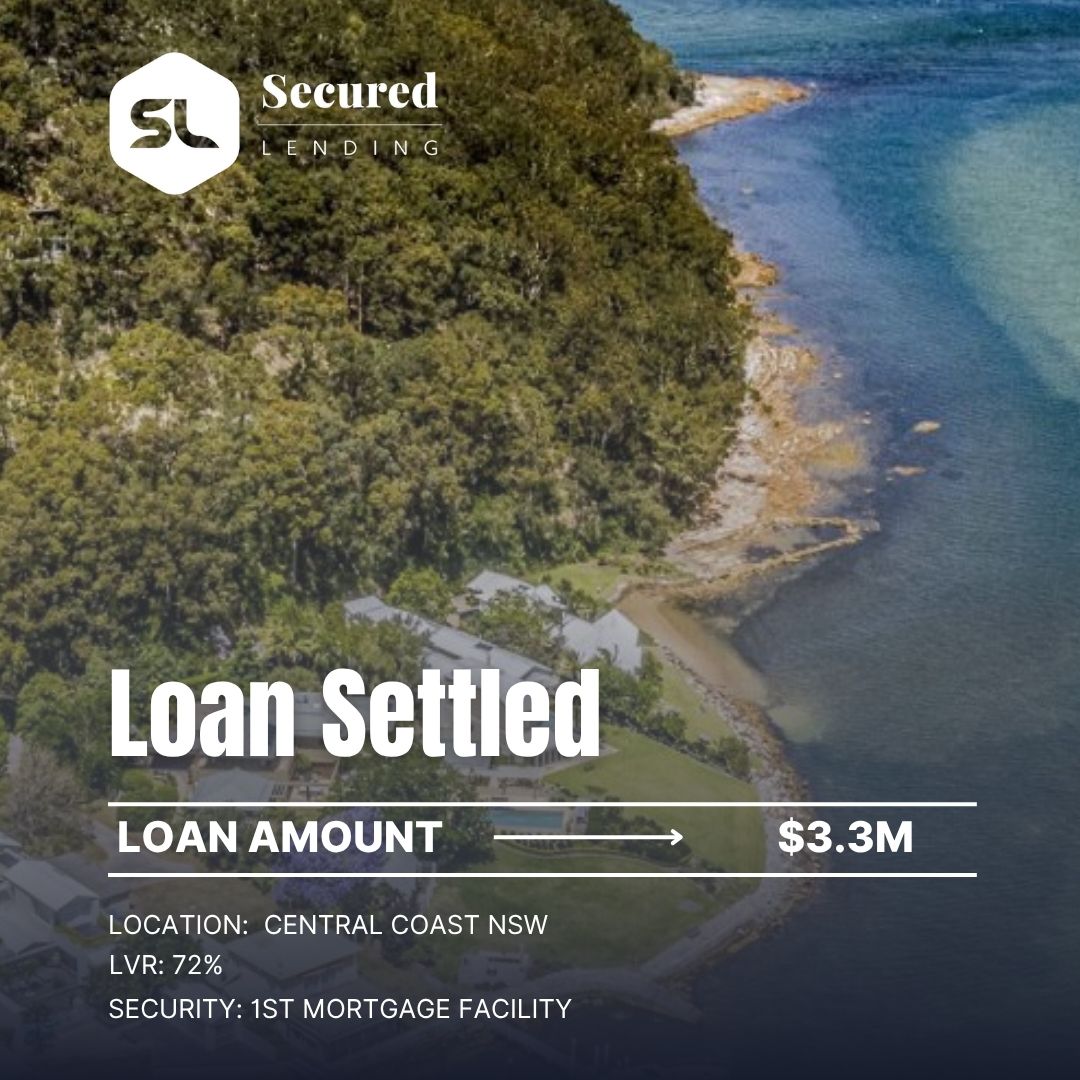
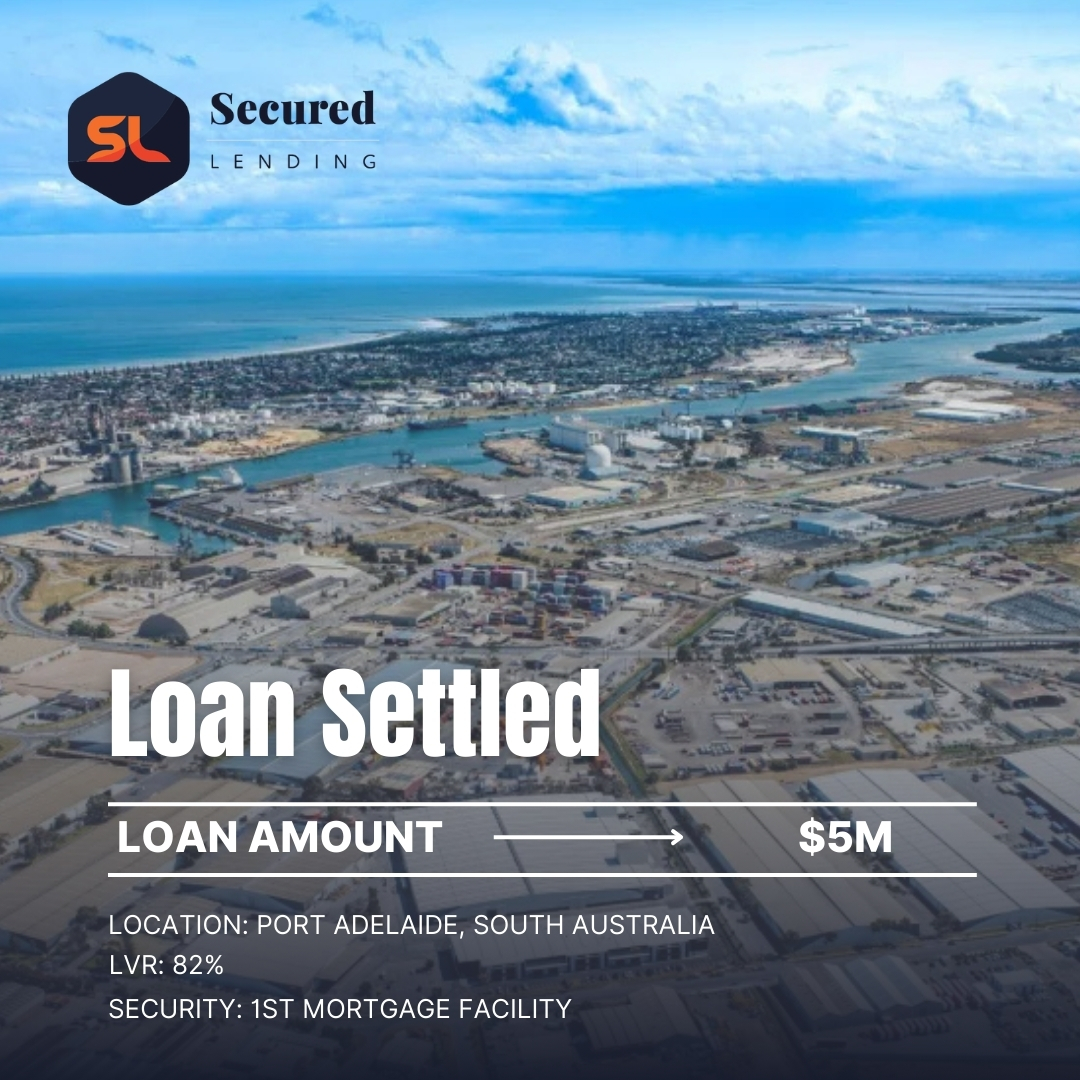
Case Studies



Get an indicative offer within hours, not weeks.
No credit check. No obligation.
Why Secured Lending?
Scenarios We Can Help With
Browse our full range of services, industries, locations, and resources to find the right financial solution for your needs.
Our Loan Solutions

Bridging Finance
Short-term funding to bridge the gap between a property purchase and a longer-term finance solution.

First Mortgage
Private first mortgage loans secured against residential, commercial, or industrial property.

Second Mortgage
Unlock equity in your property without refinancing or disturbing your existing first mortgage.

Caveat Loans
Urgent caveat loans secured by property. No need to refinance your existing mortgage.

ATO Tax Debt
Fast funding to help businesses resolve ATO obligations before penalties, garnishees, or director penalty notices escalate.

Debt Consolidation
Roll multiple high-rate facilities into one property-backed loan. Simplify repayments and restore cash flow.
Urgent Business Loans
When timing is critical and banks can't move fast enough, we step in. Property-secured funding for businesses that need an answer today — not next week.
Short Term Loans
Flexible property-secured loans designed for businesses that need capital now and a clear exit path later. Ideal for bridging gaps, seizing opportunities, or managing short-term pressure.