Private Lender for Waste Management and Recycling
Funding for sites, contracts and tax debts, secured by property


Experts in strategic, short-term secured finance
Secured Lending is a private lender, and we work with waste collection companies, transfer stations, recycling sites, skip bin operators and liquid waste businesses. Contracts can pay late while wages, fuel and disposal costs are due every week, and many banks are cautious about a site with a contamination history. We lend from $250,000, secured by your site property, valued as it stands, or a director's home or investment property. If your company needs to fund a site, a contract or a tax debt, we would be glad to help.
Who We Help
- Waste collection companies waiting on council and commercial contract payments
- Transfer station operators buying, expanding or refinancing the site property
- Recycling and resource recovery companies buying a former industrial site
- Skip bin and bin hire operators buying a depot property or adding to the bin fleet
- Liquid waste and grease trap companies funding new trucks and a larger depot
- Companies starting a new council or commercial collection contract
- Waste companies carrying an Australian Taxation Office debt built up while contract payments were late
- Companies whose directors hold equity in a home or investment property after a bank declined the application
How We Can Help You
- Wages, fuel and disposal costs are paid on time while council and commercial payments are outstanding
- A transfer station, depot or recycling site property is bought on the vendor's settlement date
- Our own valuers assess the site property, including former industrial land valued in its current condition
- We lend our own funds and hold our own credit authority, so a decision takes hours and settlement can happen within 24 hours
- A first or second mortgage, so an existing loan over the property can stay in place
- Terms run from 1 to 24 months, typically 3 to 6, with rates from 9.7% p.a. on a first mortgage and from 11.95% p.a. on a second mortgage
Waste and Recycling Finance Scenarios We Fund
A collection company waiting on a council payment needs a different loan to a recycler buying a former factory site. Below are the scenarios waste management and recycling companies ask us about most often.
Late council and commercial contract payments
A collection contract with a council or a large commercial client pays on the client's cycle, and a payment can be held up by an invoice query or an approval inside the client's accounts team. The trucks still run every day, and the wages, fuel and tip fees are paid every week.
We release capital against property the company or its directors own, and the company uses those funds to cover its running costs until the outstanding payments arrive. The loan is repaid once the payments are made, or from a refinance.
- Covers wages, fuel and tip fees while payments are outstanding
- Suits a payment held up by an invoice query or an approval
- Set for the period until the payments arrive
- A second mortgage can sit behind an existing loan
- Decision in hours
- Exit is the outstanding payments or a refinance
Starting a new collection contract
Winning a new council or commercial contract means trucks, bins and drivers are needed from the first collection day, and the first payment for the work arrives weeks later. A start date set in a tender is rarely moved to suit a lender.
We release capital against property the company or its directors own, and the company buys the trucks and bins and hires the drivers with those funds. The loan is repaid from contract income or a refinance once the contract has a payment history.
- Funds trucks, bins, drivers and start-up costs
- Paid to the company before the first collection day
- The contract starts on the date in the tender
- Terms from 1 to 24 months, typically 3 to 6
- Settlement within 24 hours on a clean file
- Exit is contract income or a refinance
Buying a transfer station, depot or recycling site property
Industrial land that can be used for a transfer station, a recycling operation or a bin depot does not come up for sale often, and the vendor usually sets a short settlement. Waiting weeks for a finance approval can mean the site goes to another buyer.
We lend against the industrial property being bought, and where it does not support the full amount, against a second property the company or a director owns as additional security. The purchase settles on the vendor's date, and the loan is repaid from a refinance or a sale of property.
- Funds the purchase of an industrial site property
- A second property can be added as additional security
- Our own valuers assess the site
- Up to a 70% loan-to-value ratio across all mortgages
- Settlement within 24 hours of a signed letter of offer
- Exit is a refinance or a sale of property
Contaminated or former industrial land
Many sites suited to waste and recycling were factories, service stations or industrial yards, and a site investigation can find contamination that has to be investigated and cleaned up. Many banks withdraw once an investigation finds a problem.
We lend against the site property valued in its current condition, up to 70% of that value, or of the lower of that value and the price on a purchase. The loan can fund the purchase, consultant and audit fees and holding costs, but not the remediation works themselves. We do not give environmental advice, so your consultant and auditor should be engaged early.
- Valued in its current condition, with the site reports in hand
- We can lend before a site audit is complete
- Funds the purchase, consultant and audit fees, not the remediation works
- Other property can be added where the site alone does not support the loan
- Terms up to 24 months, set against the consultant's program
- Exit is a refinance after validation or a sale of property
Balers, shredders, sorting lines and new trucks
A recycling site may need a baler, a shredder or a sorting line to take on a new material stream, and a collection company may need to replace trucks that have reached the end of their working life. The equipment has to be paid for before it earns any income.
We release capital against the site property the company owns, or a director's property, and the company buys the equipment with those funds. The loan is repaid from trading income or a refinance.
- Funds balers, shredders, sorting lines and trucks
- Suits a new material stream or trucks at the end of their working life
- A second mortgage can sit behind an existing loan
- Rates from 9.7% p.a. on a first mortgage
- Decision in hours
- Exit is trading income or a refinance
Bridging finance for waste and recycling companies
A company moving to a larger depot or transfer station may need to buy the new property before it sells the old one. The two settlement dates rarely line up.
A bridging loan secured by property covers the gap between the two dates. The purchase settles on time, and the loan is repaid from the sale of the other property when it settles.
- Buy a new site property before the old one sells
- Covers the gap between two settlement dates
- The purchase settles on the contract date
- Terms from 1 to 24 months, typically 3 to 6
- Settlement within 24 hours on a clean file
- Exit is the sale of the other property
Refinancing a bank facility
A bank can reduce its lending to a waste company after a site investigation finds contamination, after a large contract ends, or when the facility comes up for review. The property securing the facility has not changed, but the bank has set a date to repay.
We refinance the existing facility against the same property, so the bank's date is met and the company has time to arrange a longer-term lender. The loan is repaid by that refinance or by a sale of property.
- Repays a bank facility that has been cut back or not renewed
- Meets the date in the bank's letter
- Time to arrange a longer-term lender
- First or second mortgage, depending on what is already registered
- Up to a 70% loan-to-value ratio across all mortgages
- Exit is a refinance to a longer-term lender or a sale of property
ATO tax debt
When contract payments are late, a waste company can fall behind on pay as you go withholding, goods and services tax and superannuation while it keeps paying drivers and tip fees. If a payment plan is missed, the ATO can issue a garnishee notice, a director penalty notice or a statutory demand, and an unpaid tax debt can count against a company in a tender that checks tax compliance.
The loan funds are paid to the company, which pays the ATO debt in full. We can still lend after a garnishee notice, a director penalty notice or a statutory demand has arrived, and the loan is repaid through a defined exit such as a refinance or a property sale.
- The company pays the ATO debt in full
- One loan can cover income tax, activity statement and superannuation debts
- We can still lend after a director penalty notice
- Suits a company whose tax debt counts against it in a tender
- The general interest charge stops accruing once the debt is paid
- Exit is a refinance or a sale of property
Our Loan Products
- First mortgage: from 9.7% p.a., secured over a depot, transfer station or recycling site property the company owns outright, or used to refinance an existing loan in full
- Second mortgage: from 11.95% p.a., secured behind an existing first mortgage over a company property or a director's home, so the first loan stays in place
- Bridging loans: cover the gap between buying a new site property and selling the old one
- Caveat loans: our fastest product, where a caveat is lodged over the property instead of a registered mortgage, for a settlement or a payment date that is days away
Related Reading
- →Urgent short term finance to buy a contaminated or former industrial site
- →Private business loans for waste management business finance
- →Private business loans for site remediation finance
- →Private business loans for commercial vehicle fleet finance
- →Secured loans for industrial property
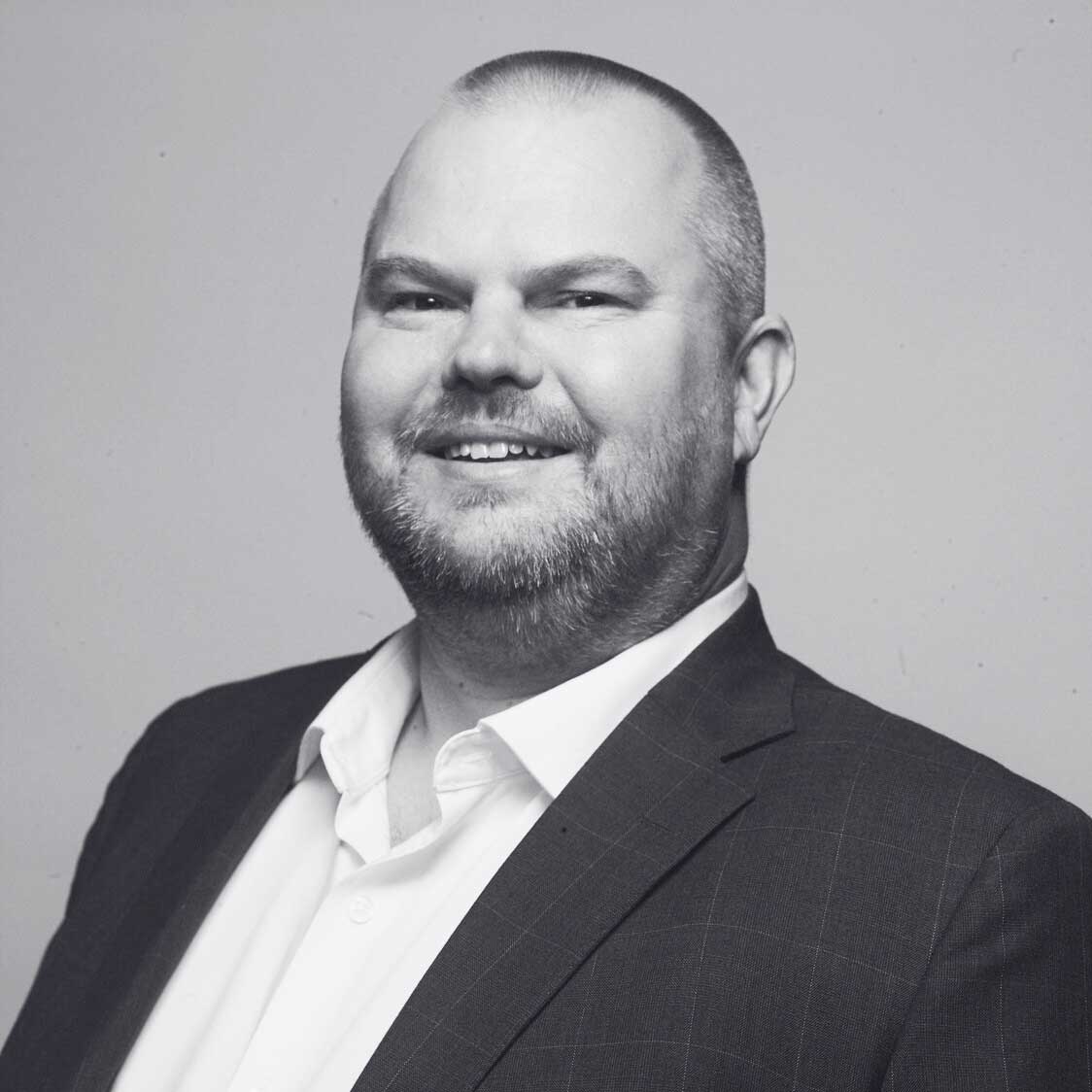
"Waste and recycling companies usually come to us for one of two reasons: a council or commercial payment is late and the weekly costs are not, or a bank has pulled back after a site investigation. Where a site carries contamination, we value the property in its current condition with the reports in hand. If your company has a settlement or a payment date coming up, we would be glad to look at it early."

Gino Tabila
Associate Director
Recently Asked Questions
Get an indicative offer within hours, not weeks.
No credit check. No obligation.
Why Secured Lending?
Are you a broker? Find out why brokers love working with us.
Case Studies
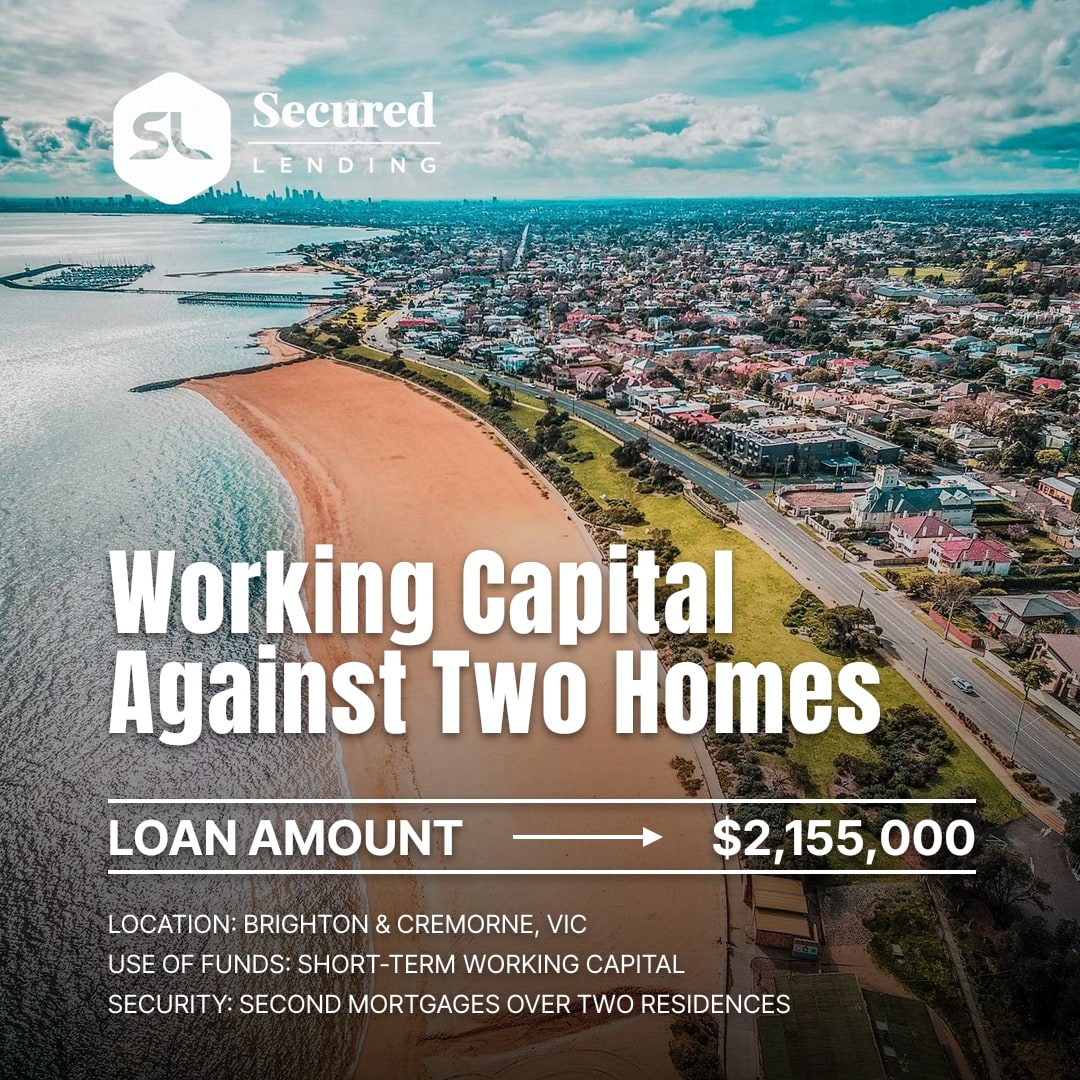
$2.155M Second Mortgage Working Capital Facility Across Brighton and Cremorne
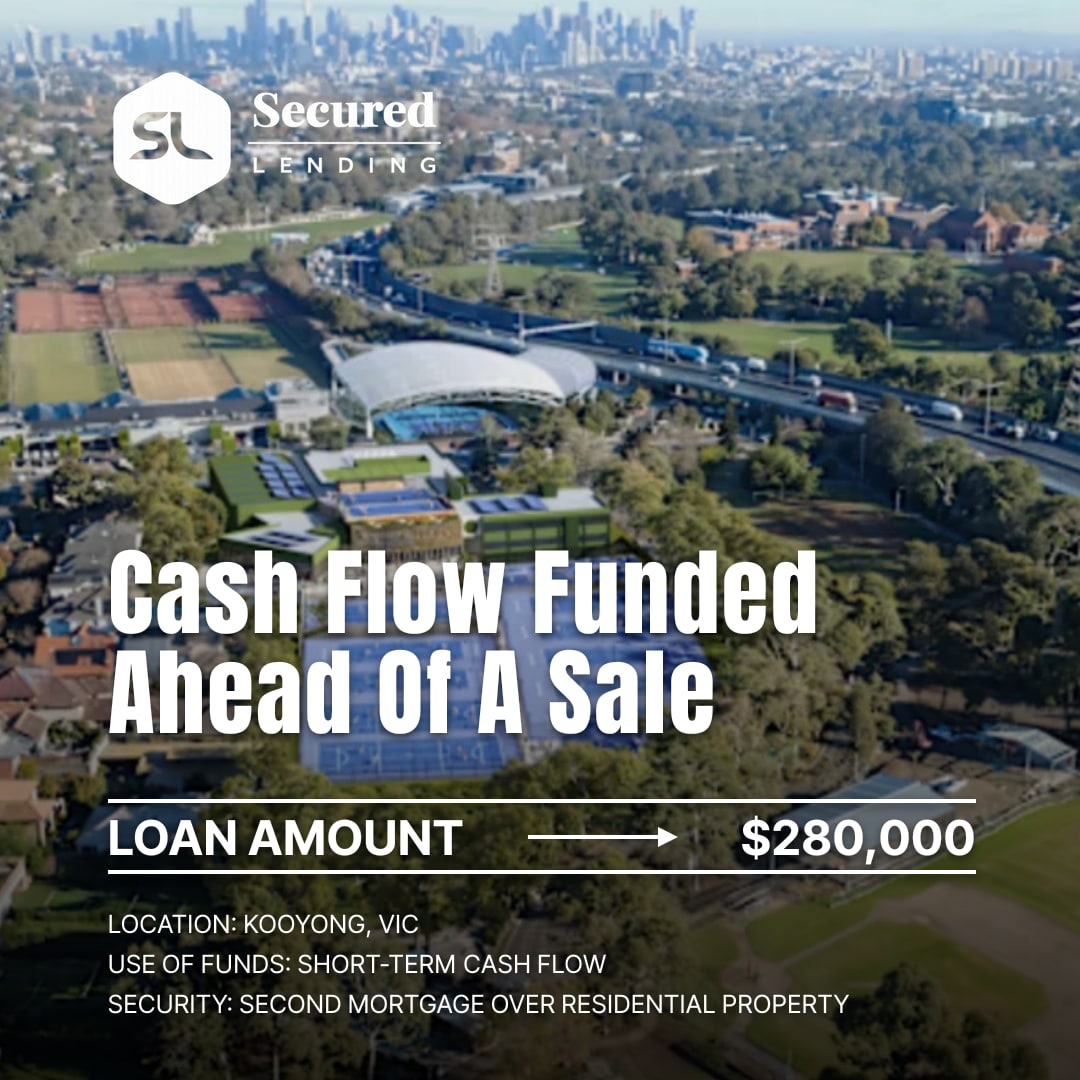
$280K Second Mortgage for Short-Term Cash Flow in Kooyong

$545K Bridging Loan Across Three Suburbs in Melbourne's North-West
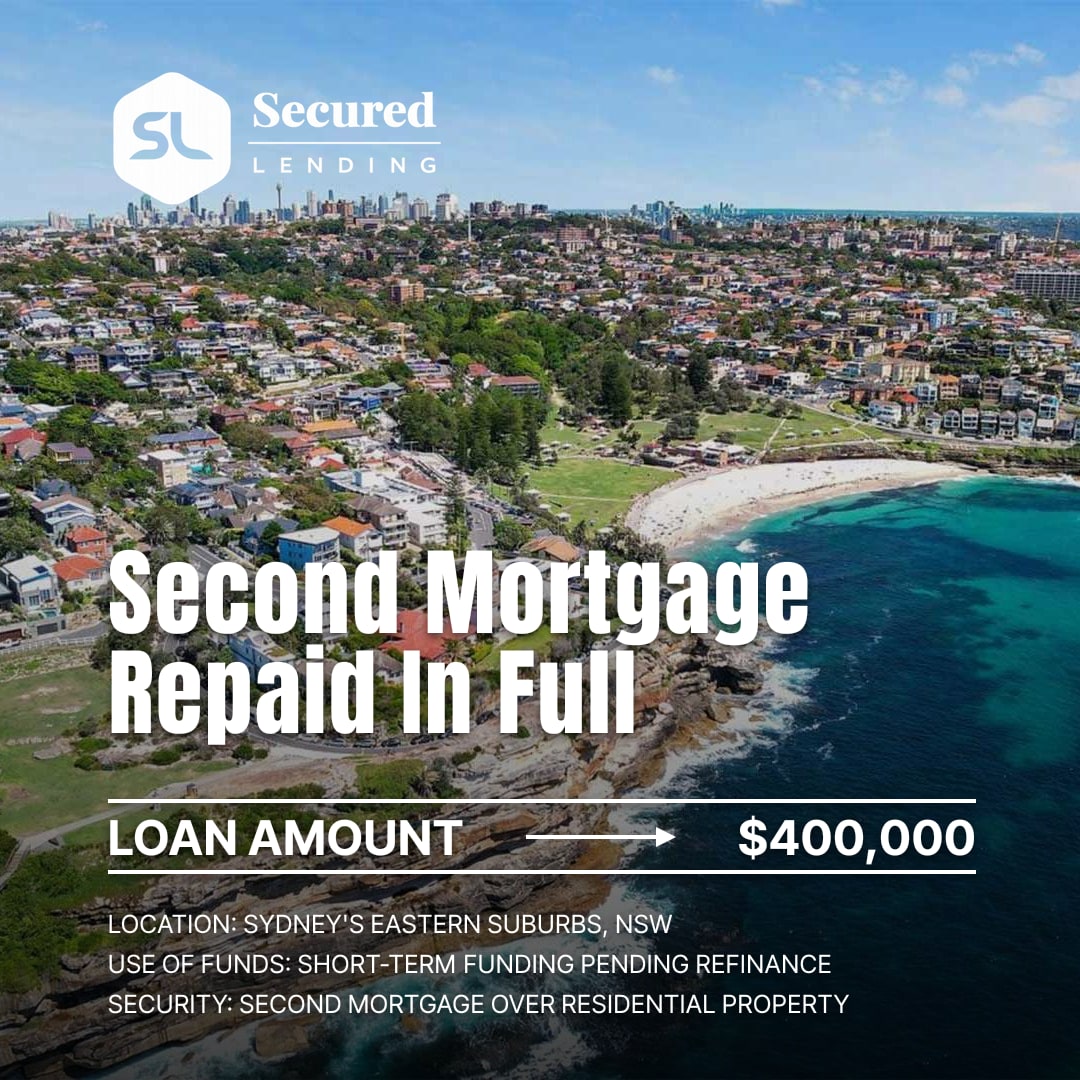
$400K Second Mortgage Repaid in Full After a Flexible Two-Month Extension
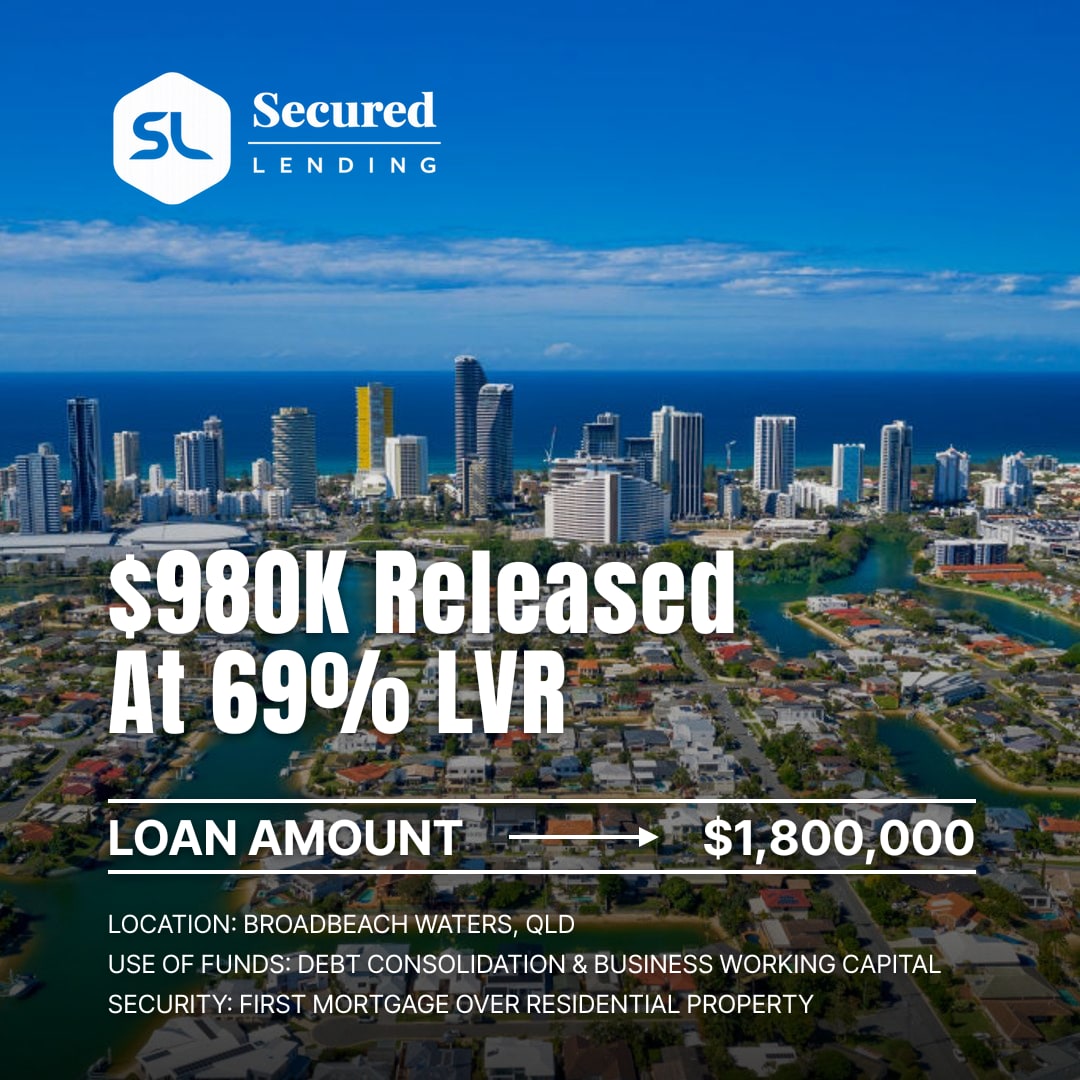
$1.8M First Mortgage Releases $980K of Working Capital for a Solar Business
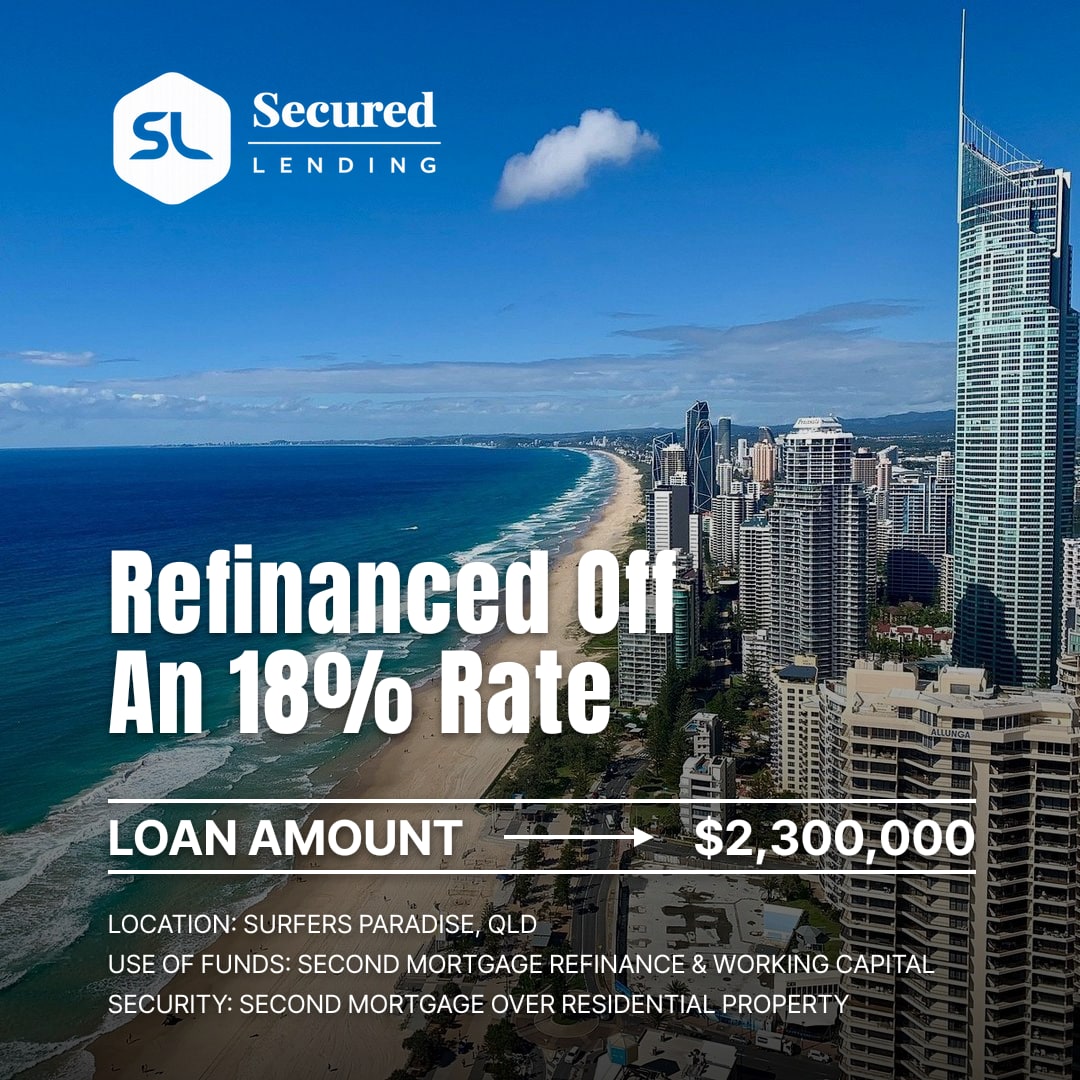
$2.3M Second Mortgage Refinances an 18% Facility for a Glass Manufacturer
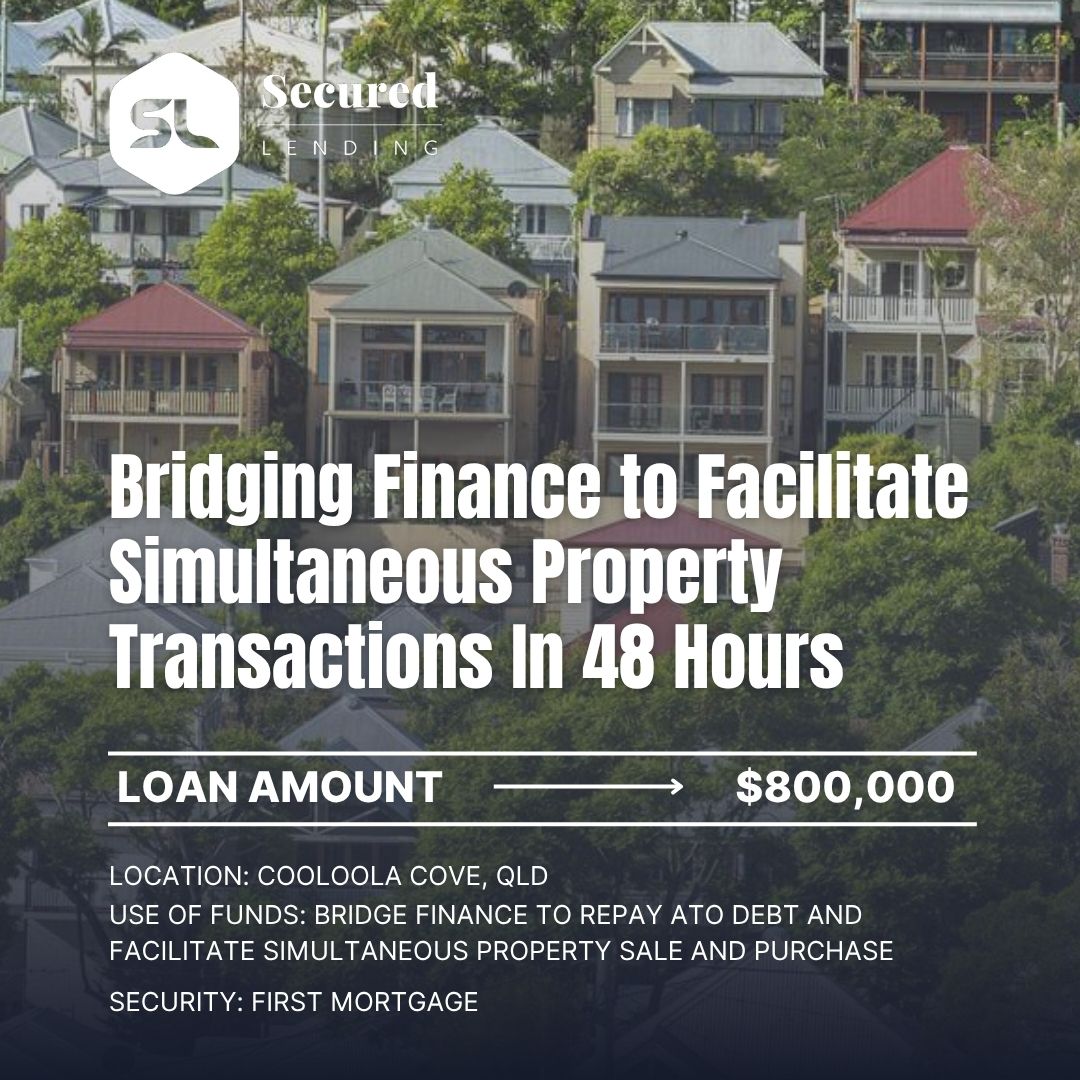
$800K Bridging Finance for Simultaneous Property Transactions in 48 Hours