Private Lender for Self-Storage Operators
Finance for the storage site property, settled on the date the deal needs



Experts in strategic, short-term secured finance

Secured Lending is a private lender, and we work with self-storage operators buying, building, converting or refinancing sites, including container storage yards. A new or expanded site takes time to fill its units, and a bank lending on income usually wants an occupancy history the site does not have yet. We lend from $250,000, secured by the storage site property or a director's home or investment property, and our in-house valuers mean a decision in hours. If your company owns a storage site, or is buying one, we would be glad to help.
Who We Help
- Operators buying an established self-storage facility to a contract settlement date
- Owners fitting out an existing building with storage units, paid as one amount at settlement
- Companies converting a warehouse or industrial building to self-storage
- Container storage operators that own their yard property
- Operators buying the adjoining property to add units to an existing site
- Owners whose bank loan is expiring or will not be renewed
- Storage companies carrying an ATO balance from a slower year
- Directors with equity in a home or investment property whose company leases its storage site
How We Can Help You
- We assess the storage site property and your repayment plan, so current occupancy alone does not decide the outcome
- Our in-house valuers assess storage sites, which are specialised commercial property
- We hold our own funds and our own credit authority, so a decision takes hours and settlement can happen within 24 hours
- A second mortgage releases capital without breaking an existing first mortgage facility
- A fit-out or conversion budget can be paid as one amount at settlement, within 70% of the property value
- Terms run from 1 to 24 months, most borrowers use 3 to 6, and rates start from 9.7% p.a. on a first mortgage and 11.95% p.a. on a second mortgage
Self-Storage Finance Scenarios We Fund
An operator buying an established facility needs a different loan to a company converting an industrial building or filling a new site. Below are the situations storage operators bring to us most often.
Buying a storage facility
An established storage facility is sold on a contract with a settlement date, and a seller with more than one interested buyer will not usually wait for a long-term loan to be approved.
We fund the purchase of the storage site property so the company settles on the contract date, and our own valuers assess the property and its occupancy. The loan is repaid by a refinance once the facility has traded under your ownership, or by the sale of another property.
- Settles on the date in the contract of sale
- Our in-house valuers assess the property and its occupancy
- Another property can be added where the site alone does not support the loan
- Up to 70% of the lower of the assessed value and the purchase price
- Lending to companies, including a company acting as trustee
- Exit is a refinance once the facility has traded under your ownership
Converting an industrial building
A warehouse or industrial building can be converted to self-storage with internal partitions, doors, lighting and security systems, and a change of use may need council approval first. The building has to be bought or refinanced before the conversion starts.
We fund the purchase of the industrial property and the fit-out budget as one amount at settlement, within 70% of the property value. We do not fund staged construction or progress payments to a builder, so building works larger than a fit-out need their own construction finance.
- Funds the purchase of the industrial property
- Fit-out paid as one amount at settlement, not drawn in stages
- Building works larger than a fit-out need their own construction finance
- Council approval for the change of use is obtained before the works begin
- Up to a 70% loan-to-value ratio across all mortgages
- Exit is a refinance once the converted site is trading, or a sale
Container storage yards
A container storage business needs a secure yard with access for trucks and cranes, and the land is usually the most valuable asset the business owns. Buying the yard it leases, or a second yard, comes with a settlement date.
The company spends the loan on the land purchase, on more containers, or on fencing and access works, and repays it by a refinance or a property sale.
- Settles a yard purchase on the contract date
- Up to 70% of the property value
- Funds a land purchase, more containers, fencing or access works
- A director's home or investment property can be added as security
- Terms from 1 to 24 months, most borrowers use 3 to 6
- Exit is a refinance or the sale of a property
Filling a new or expanded site
A new, expanded or converted storage site lets its units over months rather than weeks. Rates, insurance, staff and marketing are paid in full every month while occupancy builds.
A loan covers those costs while the units are let, and is repaid from the income once occupancy is established or by a refinance. The term is set to the time the site needs to fill.
- Covers rates, insurance, staff and marketing while units are let
- Funds paid to the company as one amount at settlement
- Term set to the time the site needs to reach established occupancy
- A second mortgage keeps an existing first mortgage in place
- Terms from 1 to 24 months
- Exit is a refinance on established income, or a property sale
Buying the adjoining property
A full storage site can only grow if the property next door comes up for sale, and when it does the seller sets the timetable.
We fund the purchase of the adjoining property and add it to the security alongside the existing storage site property. The units added to it can be fitted out from the same loan as one amount at settlement, and the combined site is refinanced once the new units are let.
- Settles on the adjoining property on the contract date
- Both properties can be held as security together
- Fit-out of the added units paid at settlement, not in stages
- Up to 70% of the combined property value
- Funds the purchase and the fit-out in one loan
- Exit is a refinance of the combined site once the new units are let
Refinancing a bank loan
A storage site loan reaches its expiry and the bank will not renew it, or the bank tests a covenant against occupancy that has not yet built up on a new or expanded site.
We repay the current lender from its payout figure, so the date on the bank's letter is met, and the company has time to arrange long-term finance once occupancy is established, or to sell.
- Repays an expiring bank loan, or one the bank will not renew
- Replaces a facility tested on occupancy that is still building
- Meets the date on the bank's letter
- First or second mortgage, depending on what is already registered
- Time to choose the next lender rather than accept the first offer
- Exit is a refinance to a long-term lender, or a sale of the property
ATO tax debt
Goods and services tax on rental income and pay as you go withholding on staff wages can build into an ATO balance over a slower year or a costly expansion. Once a payment plan is broken, recovery action escalates and a director penalty notice can follow.
The loan funds are paid to the company, which pays the ATO balance in full in one payment, and the general interest charge stops accruing on it. The company then holds one loan with a set term, repaid through a refinance or a property sale. We can still lend after a director penalty notice, a garnishee notice or a statutory demand has arrived.
- The company receives the funds and pays the ATO in full
- One loan can clear income tax, activity statement and superannuation guarantee charge debts
- Suitable where a payment plan has already been broken
- We can still lend after a director penalty notice
- The general interest charge stops accruing on the cleared balance
- Exit is a refinance or the sale of a property
Paying out a co-owner
A partner or co-shareholder in a storage business wants to leave, and the price and the date are set in the shareholders agreement or agreed between the owners. The company rarely holds that much cash.
The loan releases capital, and the departing owner is paid from those proceeds on the agreed date. The loan is repaid by a refinance once the new ownership has a trading history, or by a sale of a property.
- The departing owner is paid on the agreed date
- Price and date set by the shareholders agreement or the owners
- Funds released as one amount at settlement
- We work alongside your accountant and solicitor on the structure
- A second mortgage is available behind an existing facility
- Exit is a refinance once the new ownership has a trading history
Our Loan Products
- First mortgage: over the storage site property, for a purchase or to repay an existing lender in full, from 9.7% p.a.
- Second mortgage: sits behind an existing first mortgage over the storage site property or a director's home or investment property, so a fit-out or a tax debt is funded without breaking the first facility, from 11.95% p.a.
- Bridging loans: settle on a storage facility or an adjoining property before another property sells, or before a long-term lender completes its assessment
- Caveat loans: our fastest product, lodging a caveat over a property the company or a director owns rather than registering a full mortgage, for a deposit or a payment due within days
Related Reading
- →Private business loans for industrial property purchase
- →Private business loans for warehouse purchase finance
- →Private business loans for commercial property purchases
- →Urgent loans to buy industrial property
- →Commercial and industrial property lending
- →Bridging loans
"A storage site is worth more once its units are let, and a bank lending on income tends to wait for that occupancy before it will act. We lend on the storage site property as it stands, valued by our own team, so an operator can buy, convert or refinance on the date the deal needs. Where there is equity in the property and a clear plan to repay us, we would be glad to look at it early."

Gino Tabila
Associate Director
Recently Asked Questions
Get an indicative offer within hours, not weeks.
No credit check. No obligation.
Why Secured Lending?
Are you a broker? Find out why brokers love working with us.
Case Studies
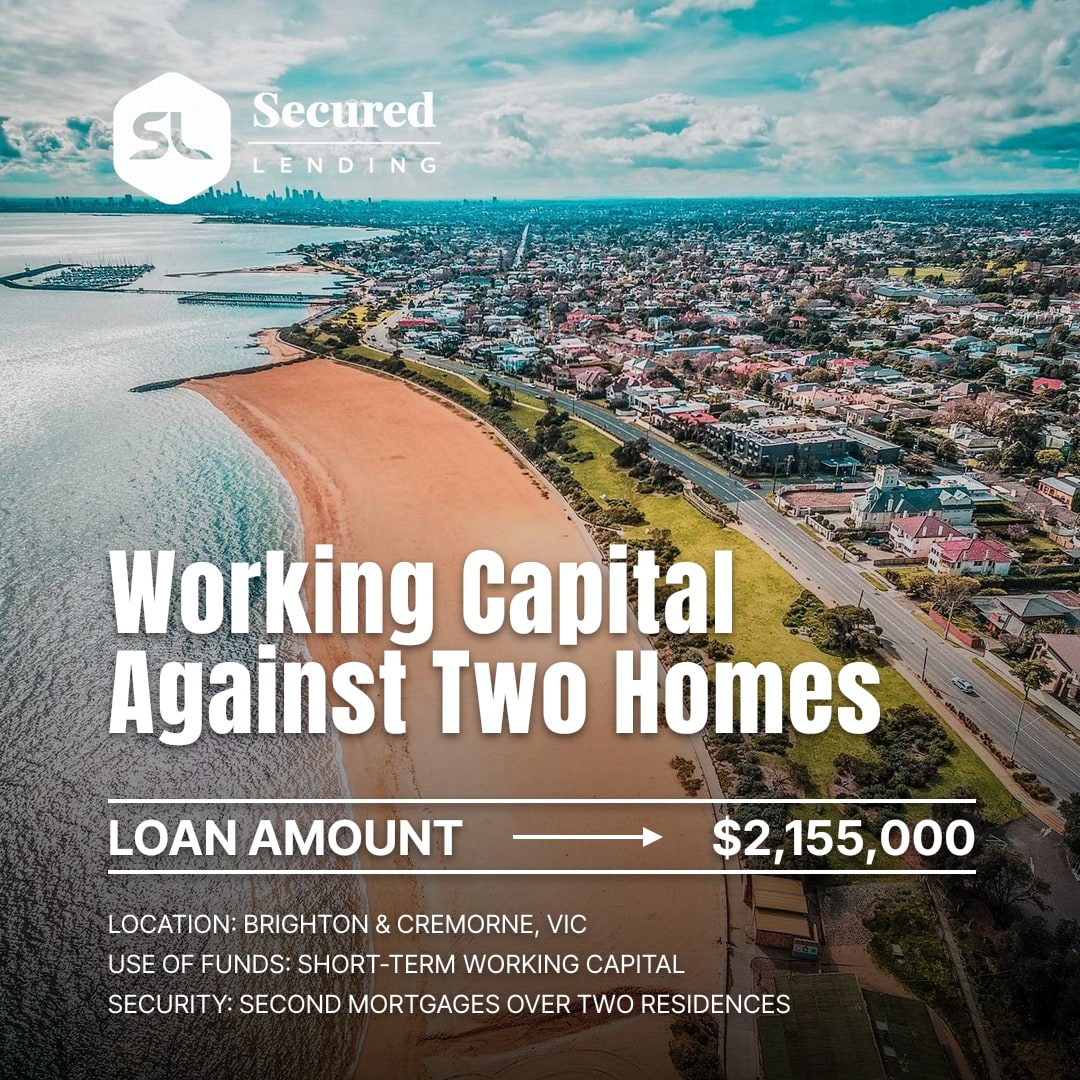
$2.155M Second Mortgage Working Capital Facility Across Brighton and Cremorne
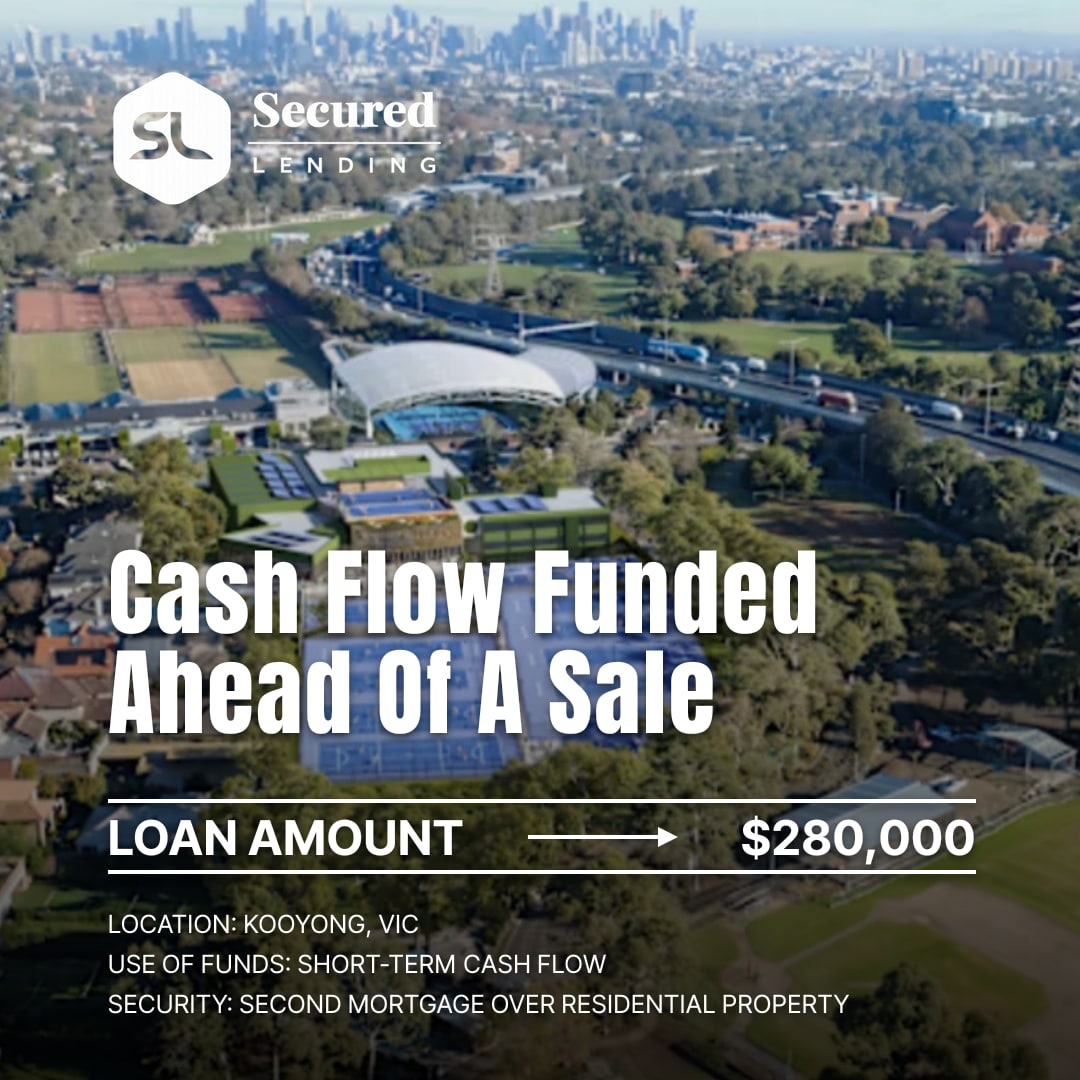
$280K Second Mortgage for Short-Term Cash Flow in Kooyong

$545K Bridging Loan Across Three Suburbs in Melbourne's North-West
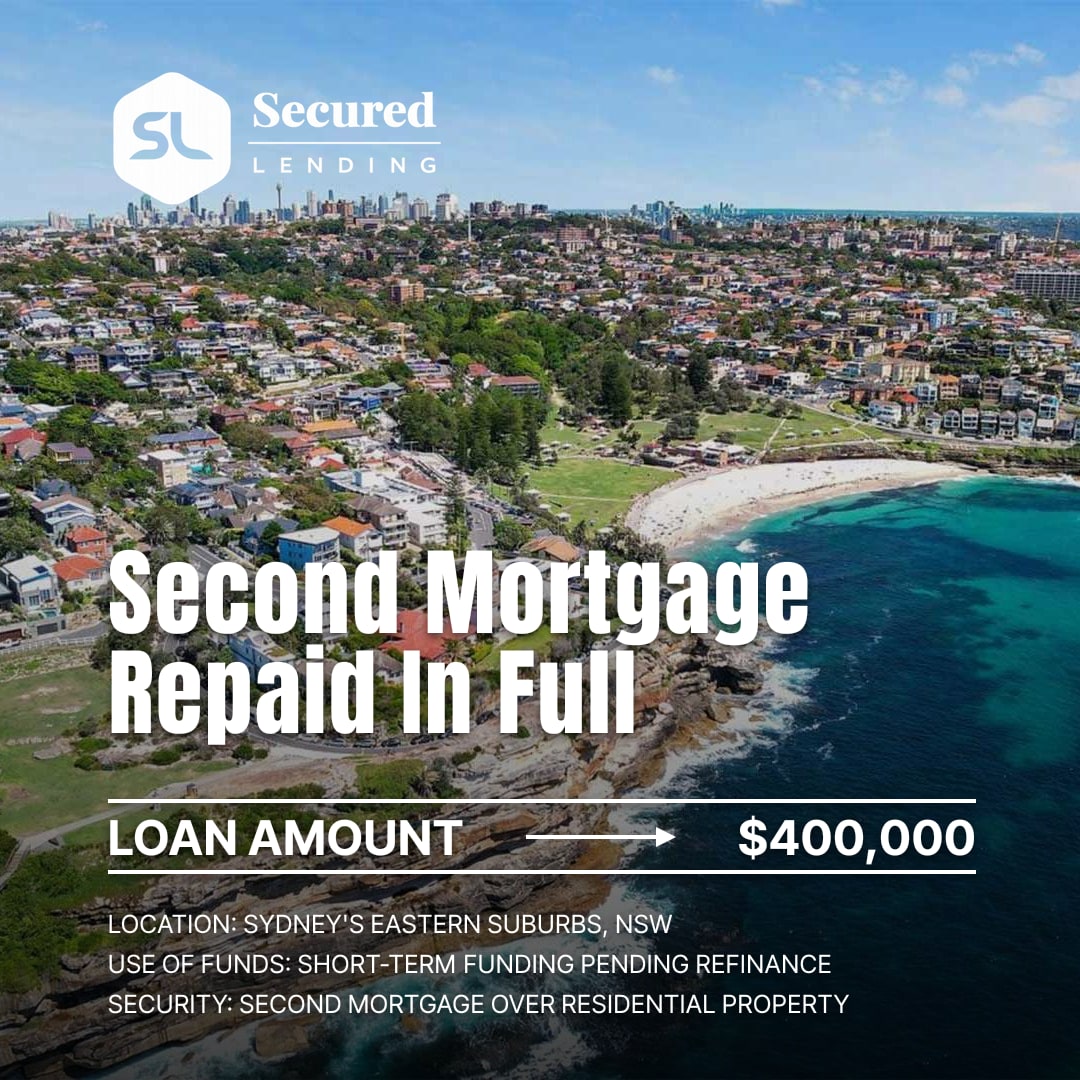
$400K Second Mortgage Repaid in Full After a Flexible Two-Month Extension
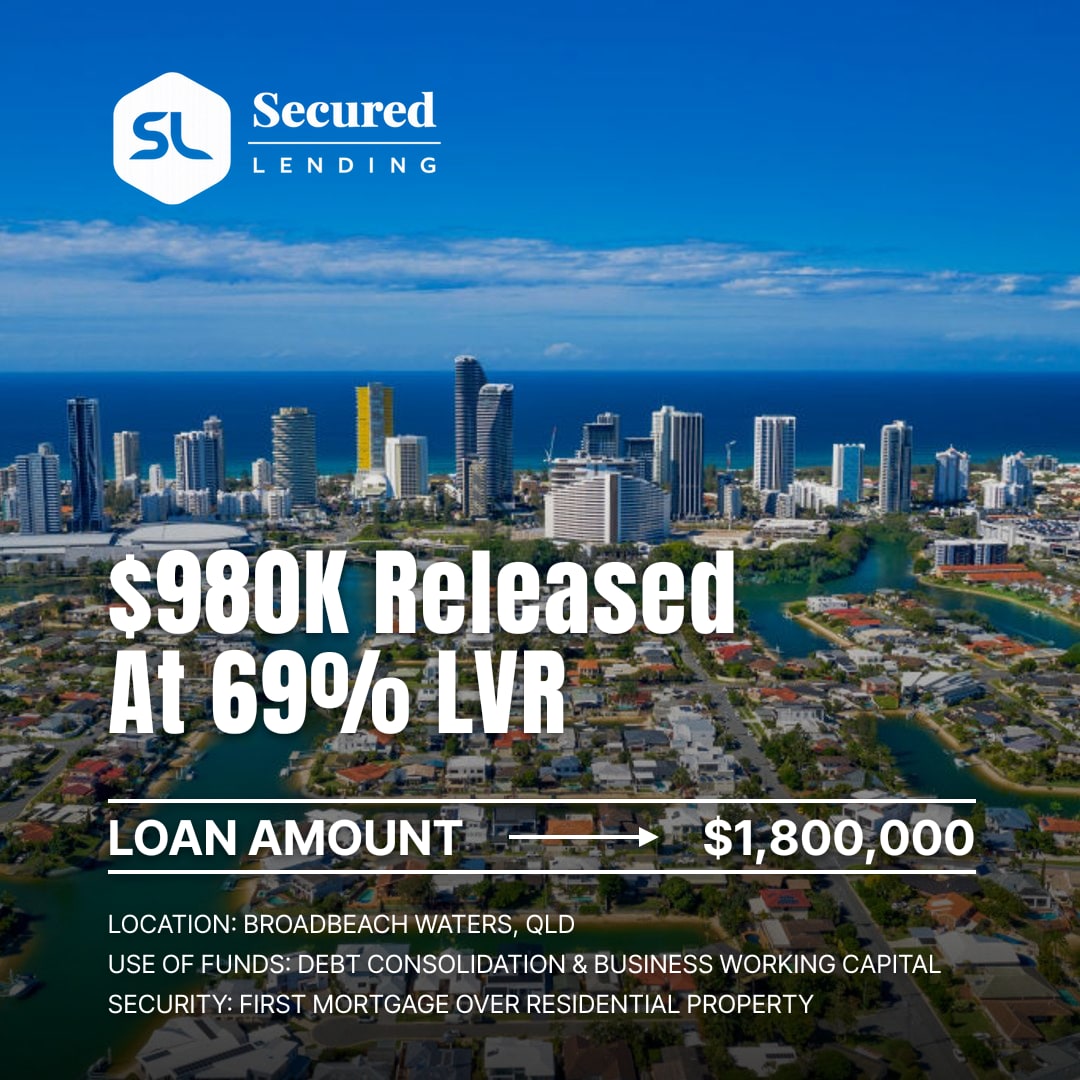
$1.8M First Mortgage Releases $980K of Working Capital for a Solar Business
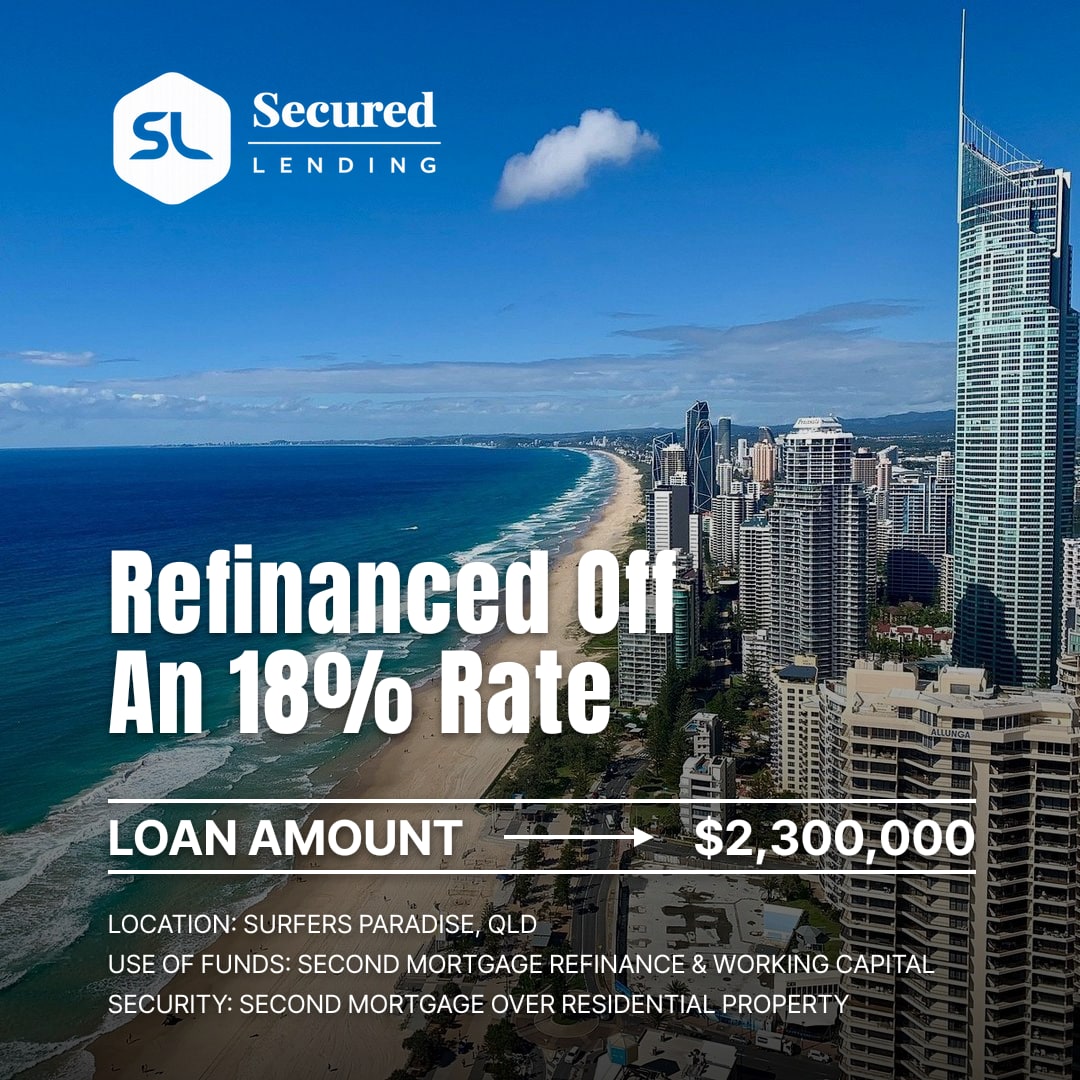
$2.3M Second Mortgage Refinances an 18% Facility for a Glass Manufacturer
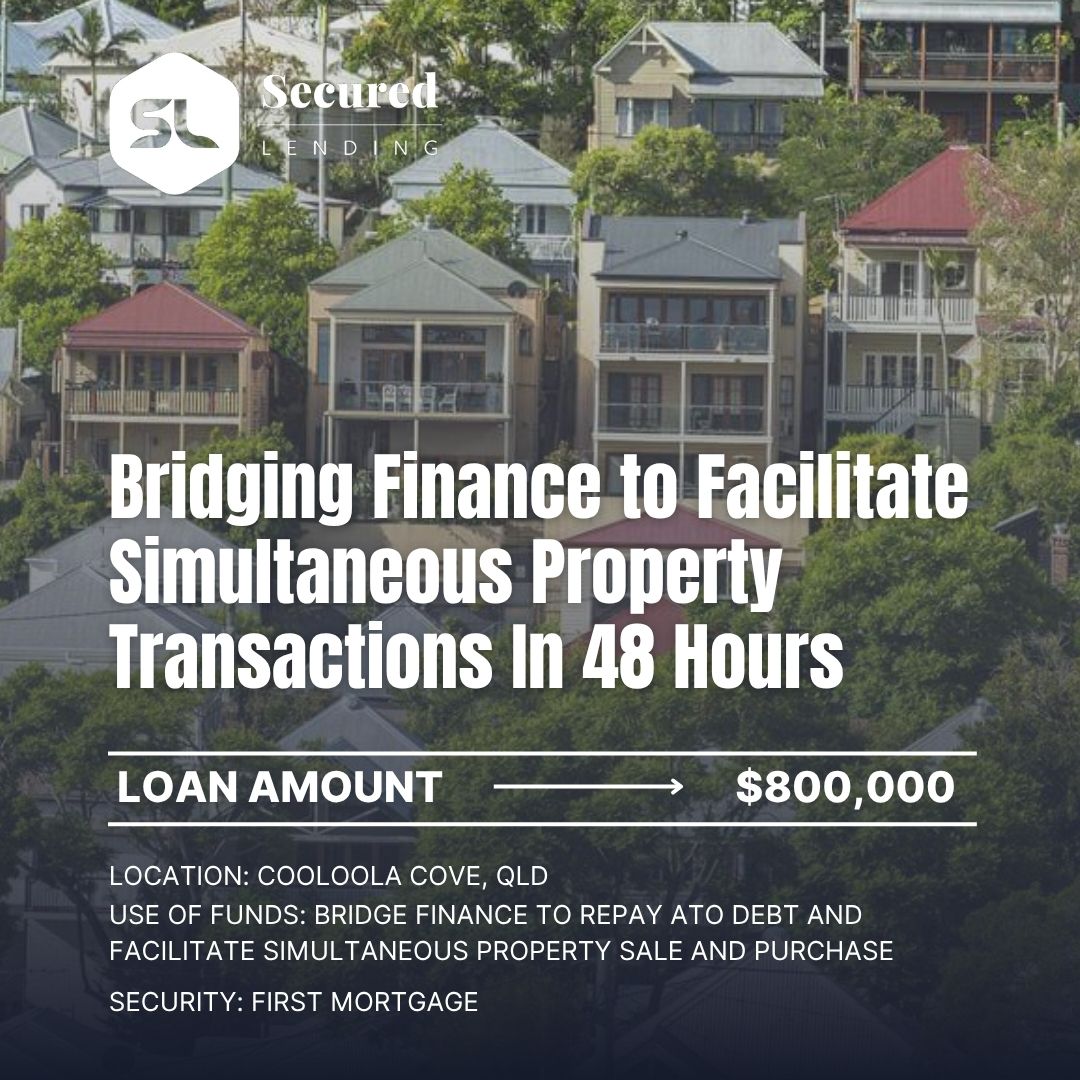
$800K Bridging Finance for Simultaneous Property Transactions in 48 Hours