Debt Restructuring Loans for Businesses Under Pressure
Pay out what is urgent, and rebuild the position around one lender



Experts in strategic, short-term finance

By the time a restructure reaches us there is rarely one problem. There is a private lender wanting to be paid out, a second mortgage that has to come off the title, an ATO position accruing interest, and trade creditors who have started calling. Each carries a different deadline. We clear them into a single property-secured facility from $250,000, and we can settle within 24 hours where the security and the exit stand up.
What Debt Restructuring Actually Involves
A restructure is not a better interest rate. It is a rebuild of the whole debt position: what is owed and to whom, what is registered on the title, which obligations carry real enforcement risk, and the order those have to be dealt with in. The facility that comes out the other side is one loan with one lender, secured by a first or second mortgage over residential, commercial or industrial property.
What separates it from a refinance is scope. A refinance replaces one facility with another. A restructure deals with several at once, usually because the position has reached the point where clearing them one at a time is no longer possible. What separates it from consolidation is pressure. Consolidation is a cost exercise. A restructure is normally a deadline.
Paying Out a Private Lender
Private loan payout is the single most common reason a restructure reaches us. A short-term facility taken at speed twelve months ago has expired, the lender will not roll it, and the rate has stepped up to a default margin while the borrower looks for a replacement. We request the payout figure, confirm what is registered on the title, and clear that lender at settlement.
The payout figure is rarely just the principal. Expect accrued interest, a default margin where the term has run out, discharge and legal costs, and in some cases an exit fee written into the original terms. We ask for it in writing in the first week of a file rather than the last, because it is the number that decides whether the available equity supports the restructure at all.
- •Clear a private lender whose facility has expired or will not be extended
- •Pay out a caveat loan before the lodging party moves to enforce
- •Replace a default margin that stepped up when the original term ran out
- •Consolidate two private facilities held over the same title
- •Refinance out of a lender who has changed appetite mid-term
- •Settle a payout figure that has grown well past the original principal
Discharging a Second Mortgage
A second mortgage ranks behind the first and is paid after it. In a restructure it usually has to come off the title, either because the second mortgagee is the party applying the pressure, or because the combined cost of running two facilities is what put the position under strain in the first place. We either pay out the second and register in that position, or clear both and hold a single first mortgage instead.
- •Pay out a second mortgagee who has issued a default notice
- •Collapse a first and a second into one facility over one title
- •Remove a caveat lodged behind an existing mortgage
- •Clear arrears on the second while the first stays where it is
- •Work around a first mortgagee who will not consent to a further advance
- •Release the equity needed to clear both, where the property carries it
Which Debts Get Cleared First, and Why the Order Matters
Not every debt in a stressed position carries the same risk. A registered mortgage in default can lead to possession proceedings. An ATO liability can produce a director penalty notice or a garnishee. A judgment can support a winding-up application. An unpaid supplier is often the least urgent of the four, even when it is the loudest.
The order is set by which creditor can do the most damage soonest, not by which one is chasing hardest. That assessment is worth making before a facility is drawn, because a restructure has a fixed amount of equity behind it, and spending it on the wrong obligations leaves the dangerous ones untouched. We work through the sequence with you before terms are issued.
Restructuring When the ATO and Trade Creditors Are Both Owed
An ATO liability and a set of trade creditors behave very differently. The ATO holds statutory recovery powers that need no court: garnishee notices to your bank and your customers, director penalty notices that make a director personally liable, and the ability to report a business debt to credit reporting bureaus. A supplier has to sue first. Both get cleared in a restructure. They do not get cleared in the same order.
- •Clear an integrated client account balance before a garnishee is issued
- •Pay out a director penalty notice inside the 21-day window
- •Settle with a supplier who has threatened a statutory demand
- •Clear a judgment debt before it supports a winding-up application
- •Bring superannuation guarantee obligations back up to date
- •Fund a payment arrangement deposit the business cannot find from cash flow
Where This Sits Alongside Formal Insolvency
Small Business Restructuring under Part 5.3B of the Corporations Act is a formal insolvency process. It is run by a registered restructuring practitioner, it requires the company to be eligible and either insolvent or likely to become so, and it ends in a plan put to creditors. We are a lender, not restructuring practitioners, and we do not advise on whether that process is right for your company. That conversation belongs with your accountant or an insolvency adviser.
What we do is fund. A property-secured facility can pay the contribution a restructuring plan requires, clear the secured debt sitting outside the plan, or resolve the position early enough that a formal process is never needed. We have funded all three. Where a practitioner has already been appointed, say so in the first conversation, because it changes what can be settled and whose consent is required.
What We Need to See Before We Restructure
A restructure moves at the speed of the information behind it, and the usual cause of delay is a payout figure requested late. The list is short:
- •A current title search showing every registered interest
- •Payout figures in writing from each lender being cleared
- •The ATO position, including any payment arrangement already in place
- •What the property is worth, which our valuers confirm in house
- •The exit: a sale, a bank refinance, or a transaction that repays us
- •Any notice already issued, whether default, statutory demand or DPN
Debt Restructuring or Debt Consolidation: Which One Do You Need
The two get used interchangeably and they are not the same product. Several facilities at several rates, and you want one cheaper repayment, is consolidation, and you run it on your own timetable. A lender has issued a notice, a payout figure is climbing, or the ATO has started recovery action, is a restructure, and the timetable belongs to somebody else. A single facility that has simply stopped working is neither of those. It is a refinance.
Restructures We Have Funded
Restructuring Business Debt With Bad Credit
A position that needs restructuring has almost always left a mark on the file. Arrears, a default listed by a lender who stopped waiting, sometimes a judgment. None of that is what we assess. We start with the equity in the security property, add up what has to be cleared, and look at what repays us at the end of the term. Rates from 9.7% p.a., 70% LVR, and no full financial statements on an asset-backed file.
Industries We Service
Debt restructuring for builders and contractors
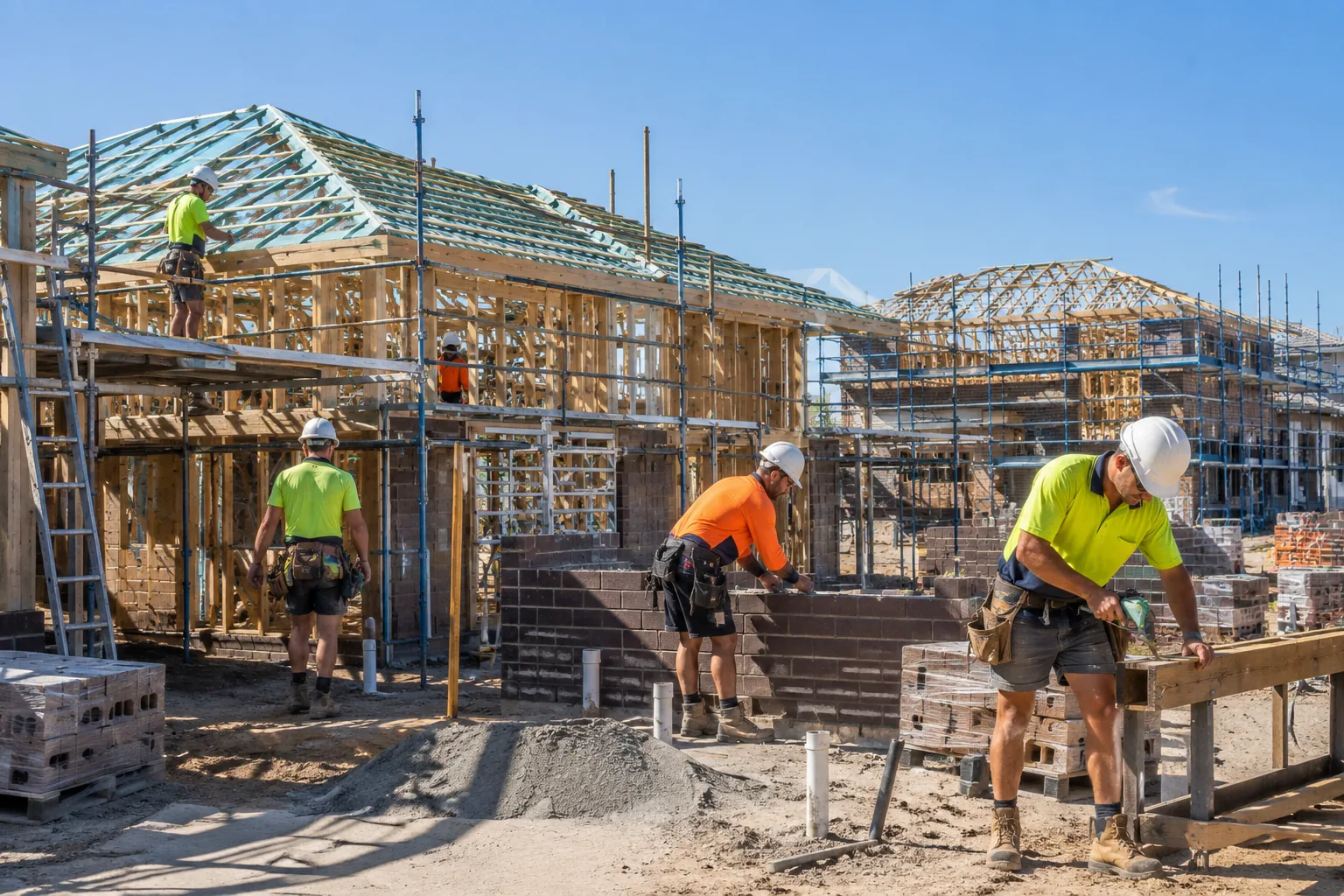
A debt restructure clears several debts a building company is carrying at the same time: a private loan taken to fund a job, ATO arrears on activity statements, a supplier that has served a statutory demand, and a lender that has issued a default notice. One loan clears them in the order that deals with the most urgent creditor first.
It is repaid by progress claims and retentions as jobs finish, a property sale, or a bank refinance once the debts are cleared. The company deals with one lender instead of four creditors, and can tender for the next job with no statutory demand outstanding.
A debt restructure can help you:
- Pay a supplier's statutory demand within its 21 days
- Pay ATO activity statement arrears built up during a loss-making job
- Repay a private loan taken to fund materials on a fixed-price job
- Clear subcontractor debts and a lender's arrears in one settlement
- Pay the most urgent creditor first, ahead of the one calling most often
- Tender for new work with the old debts cleared
Debt restructuring for pubs, restaurants and venues

A debt restructure clears the debts a venue builds up together after a slow period: ATO arrears, overdue supplier accounts, a second mortgage and a lender that has started charging default interest. One loan clears them at settlement, starting with the debts that carry enforcement risk.
It is repaid by a sale of property, or by a bank once trading supports a single facility. The venue moves from several due dates to one repayment date, and keeps trading while the debts are cleared.
A debt restructure can help you:
- Pay ATO arrears and overdue supplier accounts in one settlement
- Repay a second mortgage that is charging default interest
- Clear superannuation guarantee arrears for kitchen and floor staff
- Repay a short-term loan taken to cover a slow winter
- Get suppliers delivering on normal terms again by paying their overdue accounts
- Replace several due dates with one repayment date
Debt restructuring for property developers

A debt restructure clears the debts sitting on a development at the same time: a senior loan past its term, a second mortgage or mezzanine lender, a caveat lodged by a consultant, and unpaid builder invoices. One loan clears them in the order set by which creditor can act first, and leaves one lender's mortgage on the title.
It is repaid as the finished dwellings settle, or by a longer-term facility. The developer finishes the sell-down with one lender and one repayment date instead of several creditors with different deadlines.
A debt restructure can help you:
- Repay a senior loan and a second mortgage on the same site in one settlement
- Have a caveat lodged by a consultant or builder withdrawn once its debt is paid
- Pay builder invoices that are holding up practical completion
- Repay a mezzanine lender charging default interest
- Leave one mortgage on the title while the sell-down finishes
- Pay the debts in order of which creditor can act soonest
Debt restructuring for retailers

A debt restructure clears the debts a retailer carries after a poor season: ATO arrears, overdue supplier accounts, a short-term loan and card debt. One loan clears them at settlement, starting with the ATO, which can issue a garnishee notice to the business's bank without going to court.
It is repaid by the next season's trade, a property sale, or a bank refinance once the debts are cleared. Suppliers are paid, so the store can order stock for the next season on normal terms.
A debt restructure can help you:
- Clear ATO arrears before a garnishee notice reaches the business bank account
- Pay overdue supplier accounts so stock orders can resume
- Repay card debt and a short-term loan taken to buy stock
- Clear rent arrears owed to the landlord of the shop
- Clear superannuation guarantee arrears for casual staff
- Order stock for the next season with the old accounts paid
Debt restructuring for wholesalers and importers

A debt restructure clears the debts a wholesaler or importer builds up when stock sells more slowly than planned: a trade finance facility past its term, ATO arrears, overdue freight and customs broker accounts, and a lender in default. One loan clears them at settlement, in the order that deals with the most urgent creditor first.
It is repaid as the stock sells through, by a property sale, or by a bank refinance once the debts are cleared. The business can place its next import order with one lender and one repayment date.
A debt restructure can help you:
- Repay a trade finance facility that has passed its term
- Clear overdue freight and customs broker accounts
- Pay ATO arrears, including goods and services tax on imports
- Repay a lender that issued a default notice on the warehouse property loan
- Pay the charges holding a shipment at the port
- Place the next import order with the old debts cleared
Debt restructuring for practices and professional firms

A debt restructure clears the debts a practice or firm carries after a partner leaves or a large client stops paying: ATO arrears, a practice loan in arrears, the amount owed to a departing partner and overdue rent. One loan clears them at settlement, and the firm keeps serving its clients throughout.
It is repaid from client payments as work is billed, by a property sale, or by a bank refinance once the debts are cleared. The partners deal with one lender instead of the ATO, a landlord and a bank at the same time.
A debt restructure can help you:
- Pay out a departing partner's share while clearing ATO arrears
- Repay a practice loan that fell into arrears after a large client left
- Clear overdue rent on the firm's leased office
- Pay ATO arrears before a director penalty notice is issued
- Keep client work going while the debts are cleared
- Refinance to a bank once the firm shows a full year without arrears
Debt restructuring for manufacturers

When orders slow, a manufacturer tends to fall behind with more than one creditor: a raw material supplier that has stopped deliveries on an overdue account, equipment finance in arrears on a production machine, ATO activity statement arrears and an overdraft the bank has cancelled. A debt restructure clears them in one settlement, starting with the creditors that can stop production soonest.
It is repaid by the sale of finished goods as orders are invoiced and paid, a property sale, or a bank refinance once the arrears are gone. Deliveries of raw material resume, the production line keeps running, and the company has one repayment date in place of four.
A debt restructure can help you:
- Repay an overdraft the bank has cancelled at its annual review
- Clear arrears on equipment finance for a production machine
- Pay a raw material supplier that has put the account on stop
- Pay ATO arrears that built up while a large order was in production
- Keep the production line staffed while the creditors are paid
- Fill forward orders once raw material deliveries resume
Debt restructuring for transport and freight operators

A freight business that falls behind tends to fall behind on several accounts in the same month: truck finance repayments, the fuel card account, toll and registration charges, and ATO activity statement and pay as you go withholding arrears. A debt restructure pays them out in one settlement, and the order is set by which account can stop trucks leaving the depot first.
It is repaid as customers pay freight invoices on their usual terms, by a property sale, or by a bank refinance once the arrears are cleared. The trucks stay on the road throughout, and the operator has one lender to deal with instead of a finance company, a fuel supplier and the ATO.
A debt restructure can help you:
- Clear arrears on truck and trailer finance before the financier repossesses
- Pay an overdue fuel card account so drivers can refuel on credit again
- Pay overdue toll accounts and vehicle registration renewals
- Pay pay as you go withholding arrears on drivers' wages
- Keep freight moving for existing customers while the debts are paid
- Bid for a new freight contract with the overdue accounts cleared
Debt restructuring for property investment companies

A property investment company can end up with several loans falling due at once across its portfolio: a private loan on one property past its term, a second mortgage on another charging default interest, land tax and council rates in arrears, and a lender that has issued a default notice. A debt restructure repays them in one settlement, beginning with the lender closest to taking possession.
It is repaid by selling one or more of the properties on the company's timetable, or by a bank refinance once the portfolio has no loans in default. Because our valuers are in house, every property in the restructure can be valued in the same week, which keeps the settlement to one date.
A debt restructure can help you:
- Repay loans on several properties that have fallen due in the same quarter
- Pay land tax and council rates arrears across the portfolio
- Repay a lender that has issued a default notice on one property in the portfolio
- Sell one property at market value rather than at a mortgagee sale
- Keep tenanted properties producing rent while the loans are repaid
- Hold the properties that are performing while the others are sold
Debt restructuring for technology companies

When a funding round is late, a technology company can have these debts open together: a convertible note that has reached its maturity date, a loan advanced against an expected research and development tax refund, ATO arrears and overdue accounts with cloud hosting and software suppliers. A debt restructure repays them in one settlement, starting with the creditor whose action would stop the product running.
It is repaid from the next equity round, a sale of the company, a research and development tax refund, or a property sale. The product stays online for customers, and the company goes into its next raise with one loan on its balance sheet in place of four creditors.
A debt restructure can help you:
- Repay a convertible note that has reached its maturity date
- Repay a loan advanced against a research and development tax refund that has been delayed
- Pay overdue cloud hosting accounts before the provider suspends service
- Clear ATO arrears on staff wages and superannuation
- Keep the engineering team paid while the debts are repaid
- Raise the next round with the old creditors paid
Debt restructuring for medical, dental and allied health practices

A practice can build up several debts at the same time after a fit-out runs over budget or a principal leaves: a fit-out loan in arrears, equipment finance on dental chairs or imaging equipment, ATO arrears and a payroll tax assessment from the state revenue office. A debt restructure clears them in one settlement, and the practice keeps seeing patients on every day of it.
It is repaid from patient and Medicare billings over the term, a sale of the practice property, or a bank refinance once the arrears are cleared. The practice owners deal with one lender, and can recruit a replacement practitioner with no creditor waiting to be paid.
A debt restructure can help you:
- Repay a fit-out loan that fell into arrears when the fit-out ran over budget
- Pay a payroll tax assessment from the state revenue office
- Clear arrears on finance for dental chairs or imaging equipment
- Pay ATO arrears after a principal practitioner left the practice
- Keep patient appointments running while the debts are cleared
- Recruit a replacement practitioner with the old debts paid
Debt restructuring for childcare and early learning centres

A childcare operator can fall behind on several accounts when Child Care Subsidy payments are held back or enrolments drop: the loan used to buy the centre, superannuation for educators, ATO arrears, and rent owed to the landlord of a leased centre. A debt restructure clears them in one settlement, paying first the debts that carry a statutory penalty or a lender's enforcement right.
It is repaid as enrolments return and subsidy payments are made on time, by a property sale, or by a bank refinance once the centre has no arrears. Educators are paid on time throughout, and the operator moves from several creditors to one lender.
A debt restructure can help you:
- Pay superannuation arrears for educators before a penalty is added
- Repay the centre purchase loan after the lender issued a default notice
- Pay rent arrears owed to the landlord of a leased centre
- Clear ATO arrears that built up while subsidy payments were held back
- Pay educators every week while the debts are cleared
- Rebuild enrolments with one repayment date to plan around
Debt restructuring for aged care and retirement village operators

An aged care provider or retirement village operator can face several payments due together: refundable accommodation deposits owed to departing residents or their estates, a facility loan in default, a builder's invoices for a refurbishment or extension, and ATO arrears. A debt restructure clears them in one settlement, with deposits owed to residents and the lender in default paid first.
It is repaid from incoming deposits as rooms or units are filled, a property sale, or a bank refinance once the facility shows stable occupancy. Residents and families are repaid on time, and the operator has one lender in place of several creditors with different dates.
A debt restructure can help you:
- Repay refundable accommodation deposits to departing residents and their estates
- Pay exit entitlements owed to former retirement village residents
- Repay a facility loan that is in default after occupancy fell
- Pay a builder's outstanding invoices on a refurbishment or extension
- Pay ATO arrears while new rooms are being filled
- Fill vacant rooms or units with the old debts cleared
Debt restructuring for hotels, motels and holiday parks

A weak season can leave an accommodation business with these debts open: a loan on the hotel, motel or park that has gone into default, a second mortgage taken to fund a refurbishment, unpaid invoices from the refurbishment builder, and ATO arrears. A debt restructure clears them in one settlement, in the order that deals first with the creditor that can enforce soonest.
It is repaid from trading through the next peak season, a sale of the property, or a bank refinance once occupancy has recovered. Guests keep checking in throughout, and the business heads into its busy months with one repayment date.
A debt restructure can help you:
- Repay a second mortgage taken to refurbish rooms or cabins
- Pay a refurbishment builder's overdue invoices
- Repay a park or motel loan after the lender called it in
- Clear ATO arrears from a season of low occupancy
- Keep taking bookings while the lenders are repaid
- Go into the peak season with one repayment date
Debt restructuring for dealerships, workshops and fuel sites

When sales slow, a dealership or workshop usually has more than one creditor asking to be paid: a floor plan provider asking for curtailment payments on aged stock, a loan taken to meet a manufacturer's facility upgrade, overdue parts supplier accounts and ATO arrears. A debt restructure clears these in one settlement, and our loan sits separately from the floor plan.
It is repaid from vehicle sales and workshop income over the term, a property sale, or a bank refinance once the arrears are paid. The dealership or workshop keeps trading, and the floor plan provider and the manufacturer see the accounts brought up to date.
A debt restructure can help you:
- Pay floor plan curtailment payments due on aged vehicle stock
- Repay a loan taken to fund a manufacturer's facility upgrade
- Pay overdue parts and tyre supplier accounts
- Clear ATO arrears on vehicle sales and workshop wages
- Keep the workshop booked and the showroom open while the debts are cleared
- Bring the accounts up to date before the manufacturer reviews the dealership
Debt restructuring for self-storage operators
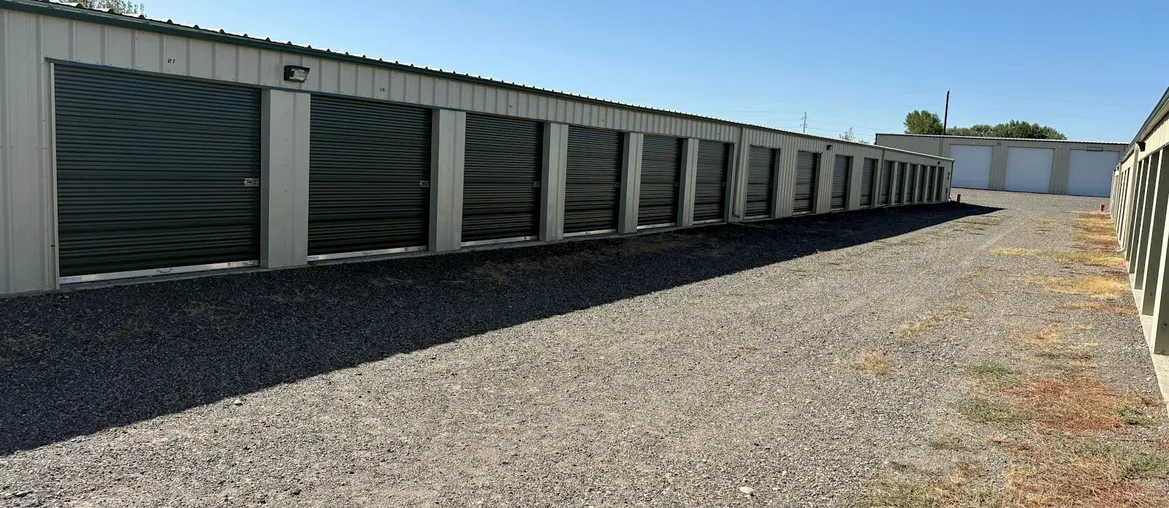
When a new site fills more slowly than planned, a self-storage operator can be left with these debts: a construction loan past its term, a second mortgage taken to finish the build, the unit fit-out supplier's unpaid invoices and ATO arrears. A debt restructure repays them in one settlement, and leaves one lender on the title of the site.
It is repaid as occupancy rises and a bank will lend on the site's rental income, or by a sale of the site. Our in-house valuers value the site as it stands, partly let, so the restructure does not have to wait for the units to fill.
A debt restructure can help you:
- Repay a construction loan that ended before the site was let
- Repay a second mortgage taken to finish building the storage units
- Pay the unit fit-out supplier's outstanding invoices
- Pay ATO arrears from the build and lease-up period
- Keep letting units while the debts are repaid
- Move to a bank once the site has a record of rental income
Debt restructuring for mining services companies
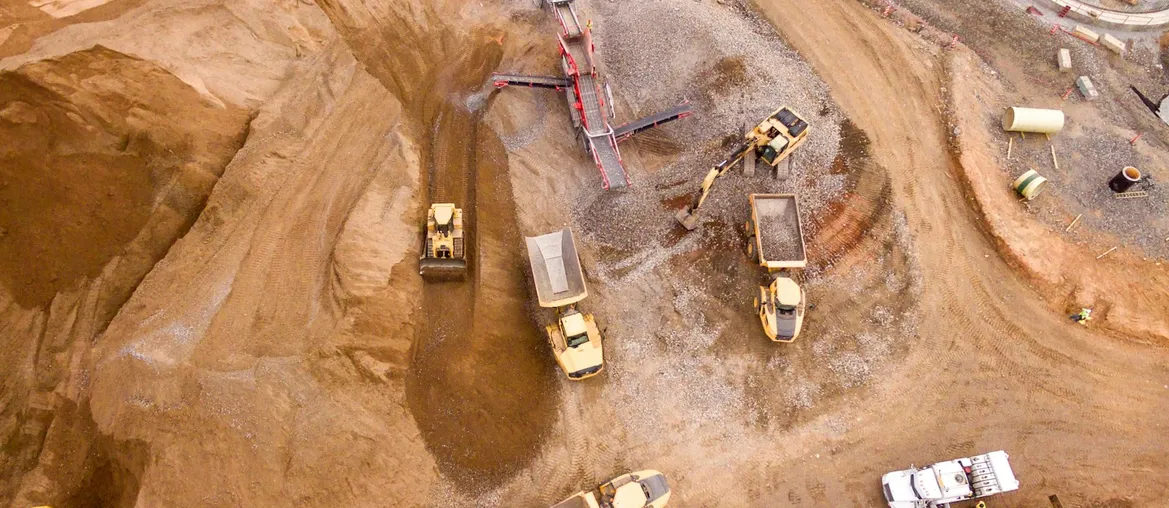
A mining services company often finds several debts falling due at once when a contract ends early or a client pays late: equipment finance arrears on drill rigs or earthmoving machines, a labour hire company owed for crews, an overdue fuel account and ATO arrears. A debt restructure clears them in one settlement, starting with the creditor that can stop crews or machines reaching the next site.
It is repaid from invoices on current and new contracts, a sale of the depot or yard property, or a bank refinance once the arrears are paid. Crews stay on site, and the company can start its next contract with one lender instead of several creditors.
A debt restructure can help you:
- Clear equipment finance arrears on drill rigs or earthmoving machines
- Pay a labour hire company owed for crews on a finished contract
- Pay an overdue bulk fuel account
- Clear ATO arrears after a mining client ended a contract early
- Keep crews on site while the creditors are paid
- Start the next contract with the old debts cleared
Debt restructuring for waste and recycling companies

When a council or commercial contract pays late, a waste or recycling company feels it across several accounts: finance arrears on collection trucks, the state waste levy, overdue fuel and disposal accounts, and ATO arrears. A debt restructure clears them in one settlement, with the levy and the ATO paid ahead of trade accounts.
It is repaid from contract payments, a sale of the site property, or a bank refinance once the arrears are cleared. Collections run to schedule throughout, and the company deals with one lender in place of a finance company, the state revenue office and the ATO.
A debt restructure can help you:
- Pay state waste levy owed on material received at the site
- Clear finance arrears on collection trucks and skip bin lifters
- Pay overdue disposal fees owed to a landfill or processor
- Clear ATO arrears while a council contract payment is overdue
- Keep collection runs on schedule while the debts are cleared
- Tender for the next council contract with the arrears paid
"Most restructures we see have one thing in common, which is that the borrower waited for the notice to arrive. Come to us when the payout figure first starts climbing and there is usually enough equity and enough time to deal with all of it in one facility. Come to us the week a receiver is being appointed and the options narrow quickly. We are glad to look at either, though the earlier conversation is a much better one to have."

Gino Tabila
Associate Director

Get an indicative offer within hours, not weeks.
No credit check. No obligation.
Why Secured Lending?
Are you a broker? Find out why brokers love working with us.
Case Studies
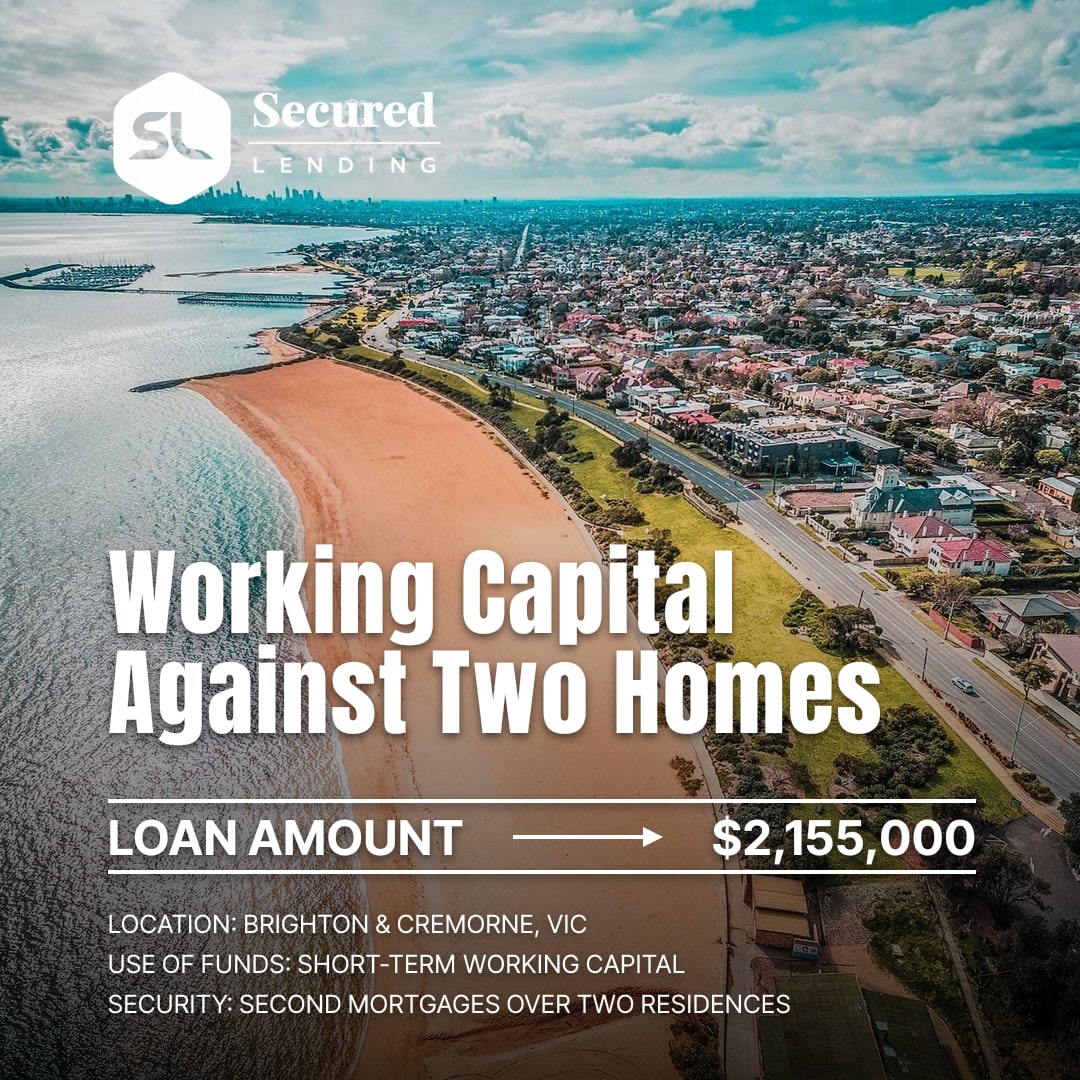
$2.155M Second Mortgage Working Capital Facility Across Brighton and Cremorne

$280K Second Mortgage for Short-Term Cash Flow in Kooyong

$545K Bridging Loan Across Three Suburbs in Melbourne's North-West

$400K Second Mortgage Repaid in Full After a Flexible Two-Month Extension

$1.8M First Mortgage Releases $980K of Working Capital for a Solar Business

$2.3M Second Mortgage Refinances an 18% Facility for a Glass Manufacturer

$800K Bridging Finance for Simultaneous Property Transactions in 48 Hours

$300K Second Mortgage for Dental Practice Working Capital in 5 Days
Recently Asked Questions
Get an indicative offer within hours, not weeks.
No credit check. No obligation.
Why Secured Lending?
Are you a broker? Find out why brokers love working with us.
Restructuring Scenarios We Fund
Ordered the way a restructure is actually sequenced. Pay out what is most urgent, clear the registered charges, deal with the ATO and the creditors, then rebuild.