Refinance Private Business Loans, Funded Fast
When your current lender won't move, we will.



Experts in strategic, short-term finance

Most business loan refinances come to us under pressure. The lender won't extend. The balloon is due. The rate from a non-bank facility is no longer sustainable. Whatever the trigger, if you need to exit your current loan fast and you have property to secure the new facility against, Secured Lending can move while others are still assessing your file.
Why Private Lender Refinance Works When Banks Can't
Banks refinance on their own timeline: credit committee, full financials, serviceability testing, and weeks of waiting. That process has no tolerance for urgency, imperfect trading history, or loan structures that don't fit a standard box.
Secured Lending is a private, non-bank lender that uses its own funds. We assess the strength of your security property and your exit plan, not whether your P&L fits a bank template. That means we can give you a decision in hours, issue a Letter of Offer immediately, and settle within 24 hours for qualifying loans.
We have facilitated over $500 million in loans across Australia. Business loan refinance, particularly time-critical refinance where the existing lender is applying pressure, is work we do regularly.
"The refinance deals that come to us have usually already been declined somewhere else, or the borrower has run out of time with their current lender. What we look at first is the security and the exit. If those stack up, we can generally move fast enough to make a difference."
Gino Tabila, Associate Director, Secured Lending
What Secured Lending Offers for Business Loan Refinance
We provide short-term, property-secured refinance facilities structured to get you out of a position that isn't working and into one that gives you time and control.
- •Loan sizes from $250,000 to $10,000,000
- •Rates from 9.7% p.a.
- •Loan terms from 1 to 24 months (typical: 3 to 6 months)
- •First mortgage and second mortgage refinance
- •Settlement within 24 hours for qualifying applications
- •No need for full financials: we assess on security and exit strategy
- •Refinance of private lender facilities, caveat loans, and non-bank debt
- •Refinance of loans in arrears or nearing expiry
We lend nationally across Sydney, Melbourne, Brisbane, Perth, Adelaide, and Canberra, against residential investment property, commercial premises, development sites, and non-standard security where sufficient equity exists.
Who Uses Private Lender Refinance
The borrowers who come to us for refinance are not all in the same position, but they share one thing: their current loan has stopped working for them, and they need a fast exit.
- •Your current lender won't renew or extend the facility at the end of term
- •You are facing a balloon payment you can't clear from cash flow
- •Your loan is in arrears and you need to refinance before enforcement begins
- •You are paying a non-bank rate that made sense short-term but is now unsustainable
- •Your lender has changed their appetite and wants you out
- •You need to consolidate a first and second mortgage into a single, cleaner facility
- •A bank refinance is the eventual goal, but you need a private bridge to get your position clean first
In each of these scenarios, time is the variable that determines whether refinance is still possible. The earlier you act, the more options you have. Once enforcement proceedings begin or a lender appoints a receiver, the window narrows significantly.
Why Refinance Your Business Loan?
Refinancing a business loan allows you to:
- •Lower your interest rate or switch from variable to fixed
- •Extend the loan term to reduce monthly repayments
- •Exit from a private lender or non-bank facility
- •Access additional working capital using your property equity
- •Restructure debt for improved cash flow and business growth
Secured Refinance Options We Offer
We provide short-term, property-secured refinance facilities from $250,000 to $10,000,000. Refinancing options include:
- •Bridging loans to refinance expiring business debt
- •Caveat loans for urgent refinance scenarios
- •First mortgage and second mortgage refinance
- •Refinance of private lending, caveat facilities, or ballooning repayments
- •Business loan consolidation and restructuring
Discharging and Paying Out a Second Mortgage
A second mortgage discharge is the release of the second-ranking charge from your title once that lender has been paid out in full. It happens at settlement rather than before it. The payout figure is requested from the existing second mortgagee, the funds are sent on the day, and the discharge is lodged with the titles office in that state. Until the lodgement goes through, the charge is still registered.
There are two ways we do it. Where your first mortgage is working and you want to keep it, we pay out the second and register in that position behind the existing first. Where both facilities are under pressure, or the blended cost of running two no longer makes sense, we clear the first and the second together and hold a single first mortgage instead. The second route is cleaner and usually cheaper to service, though it needs enough equity to carry the combined debt inside 70% LVR.
- •Pay out a second mortgagee who will not extend at the end of term
- •Discharge a caveat or a second registered behind a first that is still performing
- •Consolidate a first and a second into one first mortgage position
- •Clear arrears sitting on the second before enforcement begins
- •Replace a second mortgage priced for a shorter term than you turned out to need
- •Refinance where the first mortgagee will not consent to a variation
Commercial Refinance With Equity Release
A refinance does not have to stop at the payout figure. Where the property is worth more than the debt registered on it, the new facility can be written above what is needed to clear the outgoing lender, with the difference released to you at settlement. On commercial and industrial security that is often the quickest way to fund a deposit, a tax position or a working capital gap without arranging a separate facility to do it.
One constraint governs the size of the release. The total of the payout, the cash out and the costs has to sit inside 70% of assessed value. Where a single title will not carry that, a second property can be added as additional security. Our valuers are in house, so you get the number the security actually supports early in the conversation rather than at the end of it, and that number is usually what decides whether the refinance is worth doing.
- •Draw working capital at the same time as clearing the existing lender
- •Fund a deposit on the next property from equity in the one you hold
- •Release cash against a commercial or industrial property you already own
- •Clear an ATO position as part of the refinance rather than after it
- •Add a second property as security where one title will not carry the total
- •Take the release as a lump sum on the settlement date
Common Refinance Scenarios
Our clients come to us when:
- •Their loan term is ending and the lender isn't renewing
- •Repayments are unsustainable due to rising interest rates
- •Their facility is in arrears and time is running out
- •They need funds urgently to cover a balloon payment
- •Their current lender won't extend or negotiate
What Property Can I Use?
We accept a wide range of security types, including:
- •Residential investment property
- •Commercial premises
- •Development sites
- •Multiple securities (cross-collateralised)
- •Partially completed construction projects
How Fast Can Secured Lending Settle a Business Loan Refinance?
For straightforward applications with clear security and a documented exit, Secured Lending can reach settlement within 24 hours. That is not an aspirational figure. It reflects the structural advantage of lending our own funds, maintaining an in-house property valuation team, and running a process built around fast decisions.
Most borrowers receive an indicative answer within hours of submitting their scenario. If we are proceeding, a Letter of Offer is issued immediately. From there, the timeline to settlement depends on how quickly documents and valuation access can be arranged.
If your current loan is expiring in days rather than weeks, call us on 1300 795 175. Don't submit a form and wait. Call directly and we will tell you within the conversation whether we can help and at what speed.
Refinancing is not always the right instrument. Where the problem is several facilities at several rates rather than one facility that has stopped working, debt consolidation is the closer fit. Where more than one debt has to be cleared in a particular order because the position is already under pressure, that is a restructure.
Refinancing a Business Loan With Bad Credit
A lender declining to renew usually leaves a mark, and by the time you are looking for a replacement the file already shows arrears. That is the position we refinance from most often. We assess the equity in the security property, the debt being cleared and the exit, then move. Rates from 9.7% p.a., 70% LVR, and no full financial statements on an asset-backed refinance.
Industries We Service
Refinancing for property developers

A refinance takes out the facility that is expiring and puts a new one in its place, secured against the site, completed stock, or another property in the portfolio. It is what happens when a senior lender will not extend and the project is not finished.
It is repaid when the stock settles, or when a longer-term facility takes over. What it really buys is time, because a project that is most of the way sold does not need a lender's patience so much as a settlement date it can actually reach.
A refinance can help you:
- Take out a senior facility that has expired or will not extend
- Buy time to finish a sell-down rather than discount to hit a date
- Repay a facility whose term ended before the project did
- Clear a lender that has moved to enforcement
- Refinance residual stock that is built and not yet sold
- Exit when the stock settles, or on a longer-term facility
Refinancing for property investors
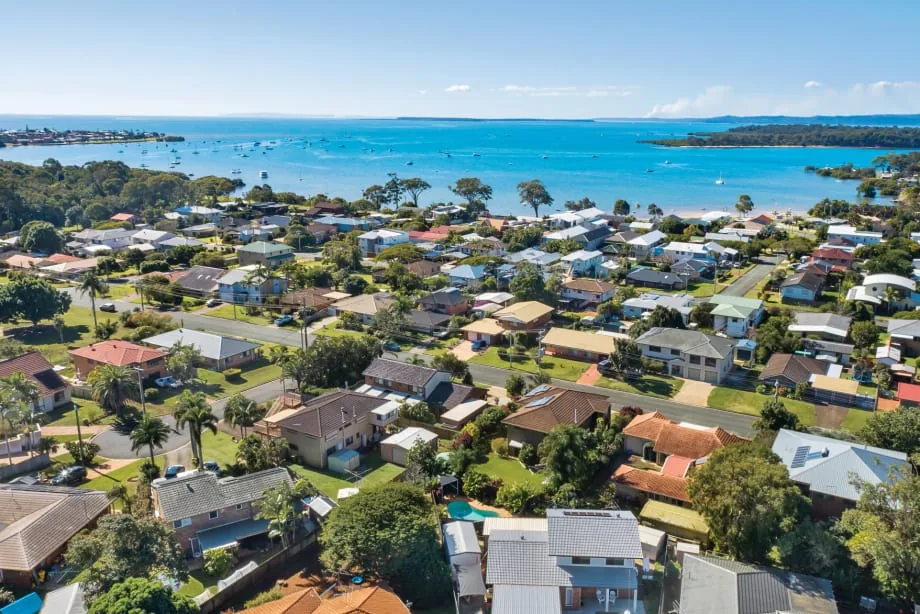
A refinance repays the existing facility on an investment property and replaces it, secured against that property or the wider portfolio.
It is repaid when the property sells, or when a longer-term facility takes over. It is the answer when a term has expired, a balloon has fallen due, or a lender has simply decided it no longer wants the asset class.
A refinance can help you:
- Repay a facility whose term has expired
- Meet a balloon payment that has fallen due
- Replace a lender that is exiting the asset class
- Refinance a property a longer-term lender will not yet take
- Consolidate several facilities across a portfolio
- Exit by sale, or by a longer-term refinance
Refinancing for pubs, hotels and venues

A refinance repays the facility on a venue and replaces it, secured against the venue or a director's property.
It is repaid when a venue sells, or once the trading figures support a longer-term facility. A venue with a good year behind it and a maturing facility does not need a new business, it needs a lender who will read the figures.
A refinance can help you:
- Repay a facility the venue's lender will not roll over
- Replace a lender that will not renew on a venue
- Clear a residual the venue's cash flow cannot absorb
- Refinance out of an expensive short-term facility
- Buy time to get a full trading year on the books
- Exit by sale, or once a trading year is on the books
Refinancing for builders and contractors
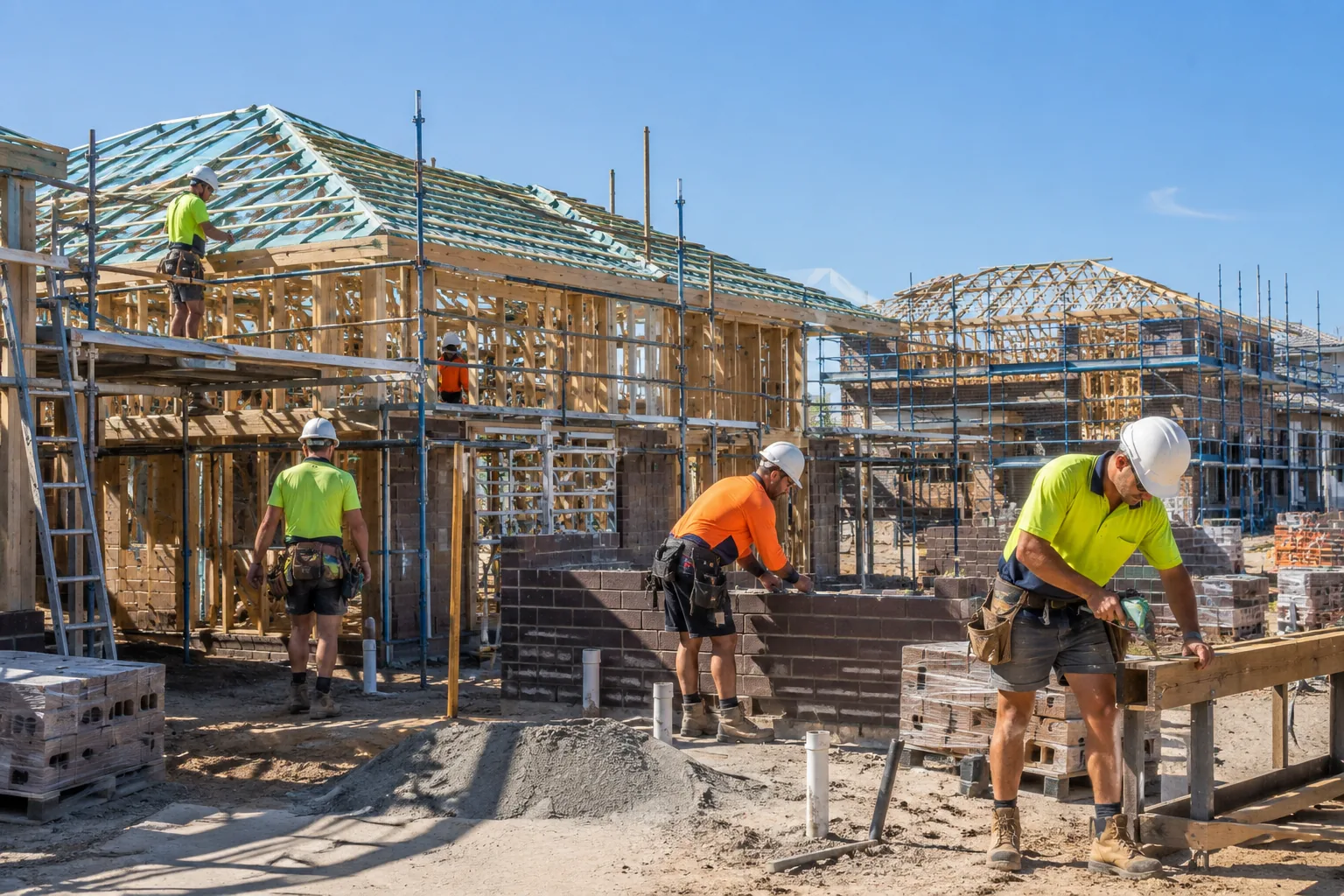
A refinance repays the facility on the yard, the office or a director's property, and replaces it.
It is repaid by a progress payment, a sale, or a longer-term facility. It is what a builder needs when a facility matures in the middle of a job that still has months to run.
A refinance can help you:
- Repay a facility that matures in the middle of a job
- Replace a lender that will not extend through a contract
- Clear a residual falling due in the middle of a contract
- Replace a private facility taken on to win a job
- Stop a lender that has issued a default notice
- Exit by a progress payment, a sale, or a longer-term facility
Refinancing for manufacturers
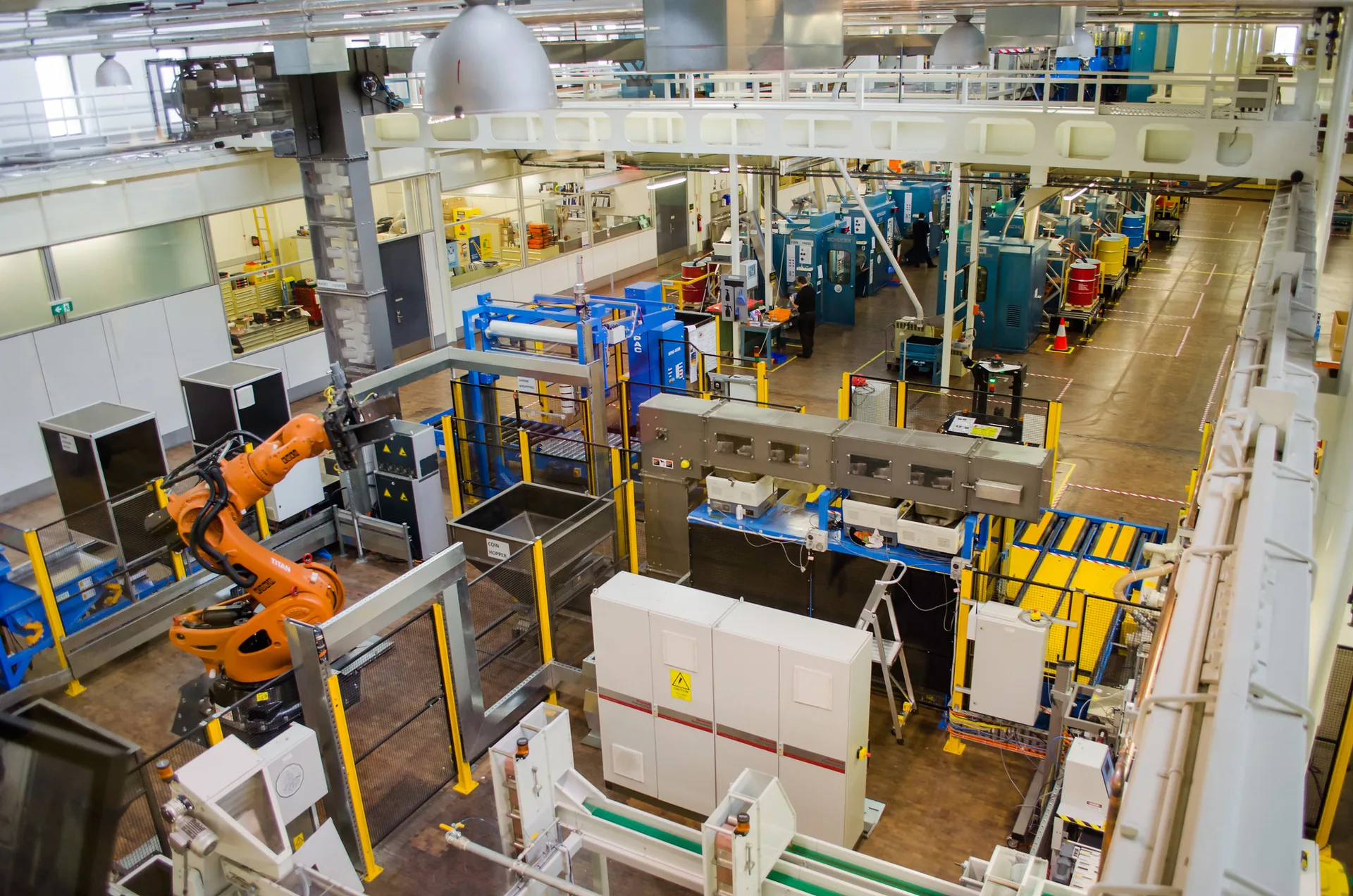
A refinance repays the facility over the factory and replaces it, with the plant running throughout.
It is repaid by customer receipts, or by a longer-term facility. A maturing facility does not care that the order book is full, and a refinance is what buys the time to convert one into the other.
A refinance can help you:
- Repay a facility that expired before the order shipped
- Clear a residual falling due before the order book converts
- Replace a lender that is exiting the sector
- Replace a high-cost facility taken on to fund an order
- Buy time to convert a full order book into receipts
- Exit by customer receipts, or a longer-term facility
Refinancing for transport and warehousing operators

A refinance repays the facility over the depot or warehouse and replaces it, with the fleet on the road throughout.
It is repaid from contract receipts, or by a longer-term facility. A facility that matures between contracts is a timing problem, not a viability one.
A refinance can help you:
- Repay a facility that matures between contracts
- Clear a residual falling due between contracts
- Replace a lender that has withdrawn from transport
- Consolidate vehicle finance into one refinanced facility
- Replace a high-cost facility taken on to buy vehicles
- Exit by contract receipts, or a longer-term facility
Refinancing for wholesalers and importers

A refinance repays the facility over the warehouse and replaces it, with the stock still moving.
It is repaid as the stock sells through, or by a longer-term facility. A trade facility pulled mid-cycle leaves stock funded by nothing, and a refinance is what puts the funding back.
A refinance can help you:
- Replace a trade facility that has been pulled mid-cycle
- Repay a facility that expired before the stock sold
- Clear a residual falling due mid stock cycle
- Fund stock that a withdrawn facility left unfunded
- Replace a high-cost facility taken on to clear a shipment
- Exit by sell-through, or a longer-term facility
Refinancing for retailers

A refinance repays the facility over a director's home or investment property, and replaces it.
It is repaid from trade, or by a longer-term facility once a trading period is banked. A facility maturing before the season that would have repaid it is a sequencing problem, and refinancing fixes the sequence.
A refinance can help you:
- Repay a facility that matures before the season that repays it
- Clear a residual falling due before the season
- Replace a lender that will not renew after a quiet quarter
- Replace a high-cost facility taken on to fund stock
- Consolidate stock and card debt into the refinance
- Exit by the season's takings, or a longer-term facility
Refinancing for technology companies

A refinance repays an existing facility and replaces it with ours, typically where the current lender will not extend past a maturity date that arrives before the round, the refund or the trade sale does.
It is repaid when the round closes, the refund is paid or the trade sale completes, or by a bank facility once the company has the trading history a bank requires. A facility that matures first no longer forces the company into a down round or a rushed sale.
A refinance can help you:
- Repay a facility maturing before the round that was meant to replace it
- Replace a lender that will not extend through a funding gap
- Refinance venture debt with covenants the company can no longer meet
- Retire expensive short-term money raised to close a deal quickly
- Avoid a down round forced by a maturity date rather than by the business
- Replace a facility priced when the company had no revenue at all
Refinancing for practices and professional firms

A refinance repays the facility over a director's home or investment property and replaces it, with the practice operating throughout.
It is repaid when a long-term practice facility settles. It covers the gap when an existing facility matures before the practice loan that was meant to replace it.
A refinance can help you:
- Repay a facility that matures before a practice loan settles
- Clear a residual falling due before the practice loan
- Replace a lender that will not extend through a transition
- Replace a high-cost facility taken on to complete a buy-in
- Consolidate practice and equipment debt into the refinance
- Exit when the practice loan that was always intended settles
Refinancing for aged care and retirement village operators

A refinance repays a bank or other lender that has decided it will no longer lend in aged care, or will not renew a facility when it expires, and it settles on the date in that lender's letter. Our own valuers assess the freehold property on a going-concern basis, so the expiry date is not missed while a bank completes a specialised valuation.
It is repaid by a longer-term loan with a bank or specialist aged care lender of your choice, or by a sale of property. That gives the operator time to compare lenders rather than accept the first offer made under a deadline, and residents' contracts and deposits stay as they are.
A refinance can help you:
- Repay a lender that has stopped lending to aged care
- Meet the expiry date on a facility that will not be renewed
- Refinance retirement village land with the residents' charge taken into account
- Include refurbishment works to the standards in the refinance
- Take time to choose a specialist aged care lender
- Refinance without any change to residents' rights
Refinancing for motels, hotels and caravan parks

A refinance repays an accommodation loan the bank will not renew, or one where the bank wants updated occupancy figures and a new going-concern valuation that will not be ready by the expiry date. Some banks also limit their lending on regional or tourism property, and we repay the bank from its payout figure on the date in its letter.
It is repaid by a refinance to a long-term lender or a sale of the property. Our in-house valuers assess the property on a going-concern basis, and the term can be set to run through a full peak and off-peak season so the next lender sees a complete trading year.
A refinance can help you:
- Repay a bank that is reducing its lending on regional tourism property
- Refinance before the bank's updated valuation is ready
- Replace the loan on a caravan park whose bank will not renew
- Refinance a serviced apartment or student accommodation building
- Run the term past the next peak season before the long-term refinance
- Pay for a refurbishment at the same time as the refinance
Refinancing for car dealers and workshops

A refinance repays a bank facility over the dealership or workshop property when the facility expires, when the bank reviews it against a year of uneven sales, or when the bank's appetite changes because of the floor plan arrangements. We repay the bank from its payout figure on the date in its letter.
It is repaid by a refinance to a long-term lender, or by a sale or a sale and leaseback of the premises property. Our loan does not replace the floor plan, which stays with its own lender and keeps financing the vehicles as it does now.
A refinance can help you:
- Repay a bank that reviewed your facility on one uneven sales year
- Refinance without moving the floor plan to a new lender
- Replace the facility on a freehold service station property
- Meet the date in the bank's letter while a long-term lender is chosen
- Refinance and fund a manufacturer's facility upgrade together
- Exit by a sale and leaseback of the dealership property
Refinancing for waste management and recycling companies

A refinance repays a bank that has reduced its lending after a site investigation found contamination, after a large contract ended, or at a facility review, and it settles on the date in the bank's letter. We value the site property in its current condition, so a contamination finding does not on its own stop the refinance.
It is repaid by a refinance to a longer-term lender once the site is validated, or by a sale of property. The company keeps running its collections while the next lender is arranged, and the loan can also pay consultant and audit costs on the site.
A refinance can help you:
- Repay a bank that withdrew after a site investigation
- Refinance a transfer station property valued in its current condition
- Replace a facility cut back when a council contract ended
- Pay consultant and audit costs within the refinance
- Refinance before a site audit is complete
- Move to a longer-term lender once the site is validated
Refinancing for mining services companies
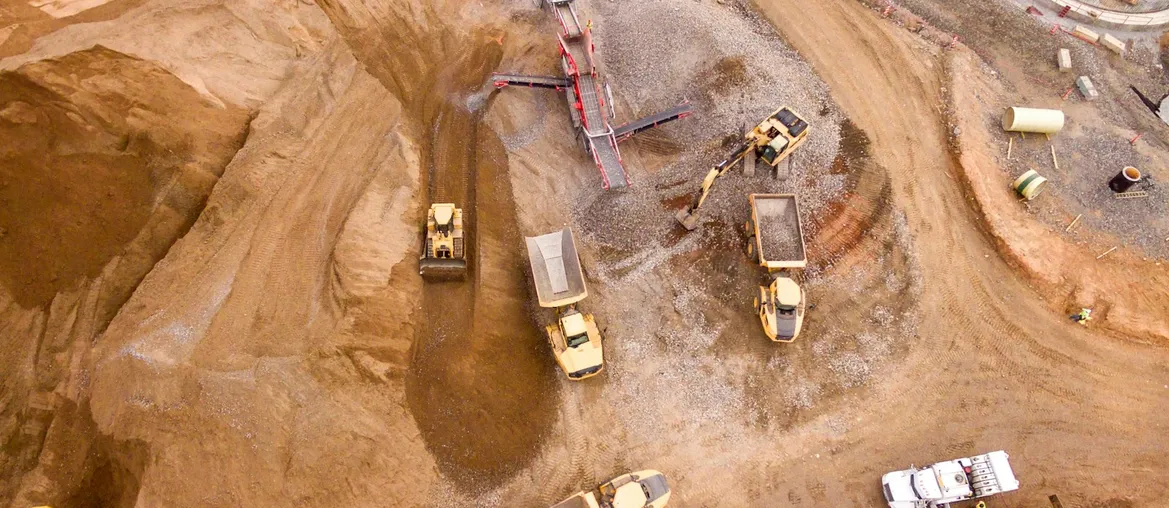
A refinance repays a bank facility that has been cut back or not renewed because commodity prices fell or a large contract ended. We refinance against the same yard, depot, workshop or camp property, so the date in the bank's letter is met.
It is repaid by a longer-term lender or a sale of property. Our valuers look at the market for the property in that town, so a regional location affects the amount rather than ruling the refinance out.
A refinance can help you:
- Repay a facility cut back after commodity prices fell
- Refinance when the bank will not renew after a contract ends
- Refinance a camp property on freehold land
- Keep crews working while the next lender is arranged
- Replace a bank facility on a property in a remote mining town
- Move to a longer-term lender once a new contract has a payment history
Refinancing for self-storage operators
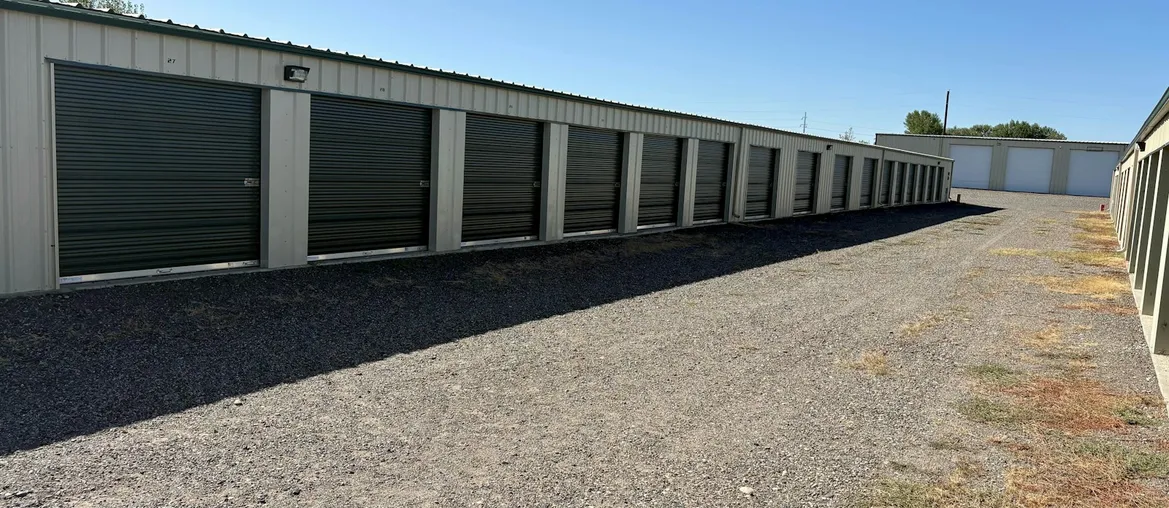
A refinance repays a storage site loan the bank will not renew, or one where the bank has tested a covenant against occupancy that is still building on a new or expanded site. We repay the bank from its payout figure on the date in its letter, and our in-house valuers assess the storage site property.
It is repaid by a refinance to a long-term lender once occupancy is established, or by a sale of the property. The term is set to the time the site needs to fill, so the next lender assesses a site with its units let.
A refinance can help you:
- Repay a bank that tested a covenant on occupancy that is still building
- Refinance an expiring loan on a converted industrial building
- Replace the facility on a container storage yard property
- Pay out a co-owner at the same time as the refinance
- Set the term to the months the site needs to fill its units
- Refinance with a long-term lender once occupancy is established
"Refinancing pressure usually comes with a deadline, and that is exactly when it helps to have us in your corner. Whether it is a facility expiry, a lender pulling appetite, or a rate structure that no longer works, we can assess the incoming security position and issue a formal approval within the same week. We have stepped into refinances with less than five days left to run on an existing facility."

Gino Tabila
Associate Director

Get an indicative offer within hours, not weeks.
No credit check. No obligation.
Why Secured Lending?
Are you a broker? Find out why brokers love working with us.
Case Studies
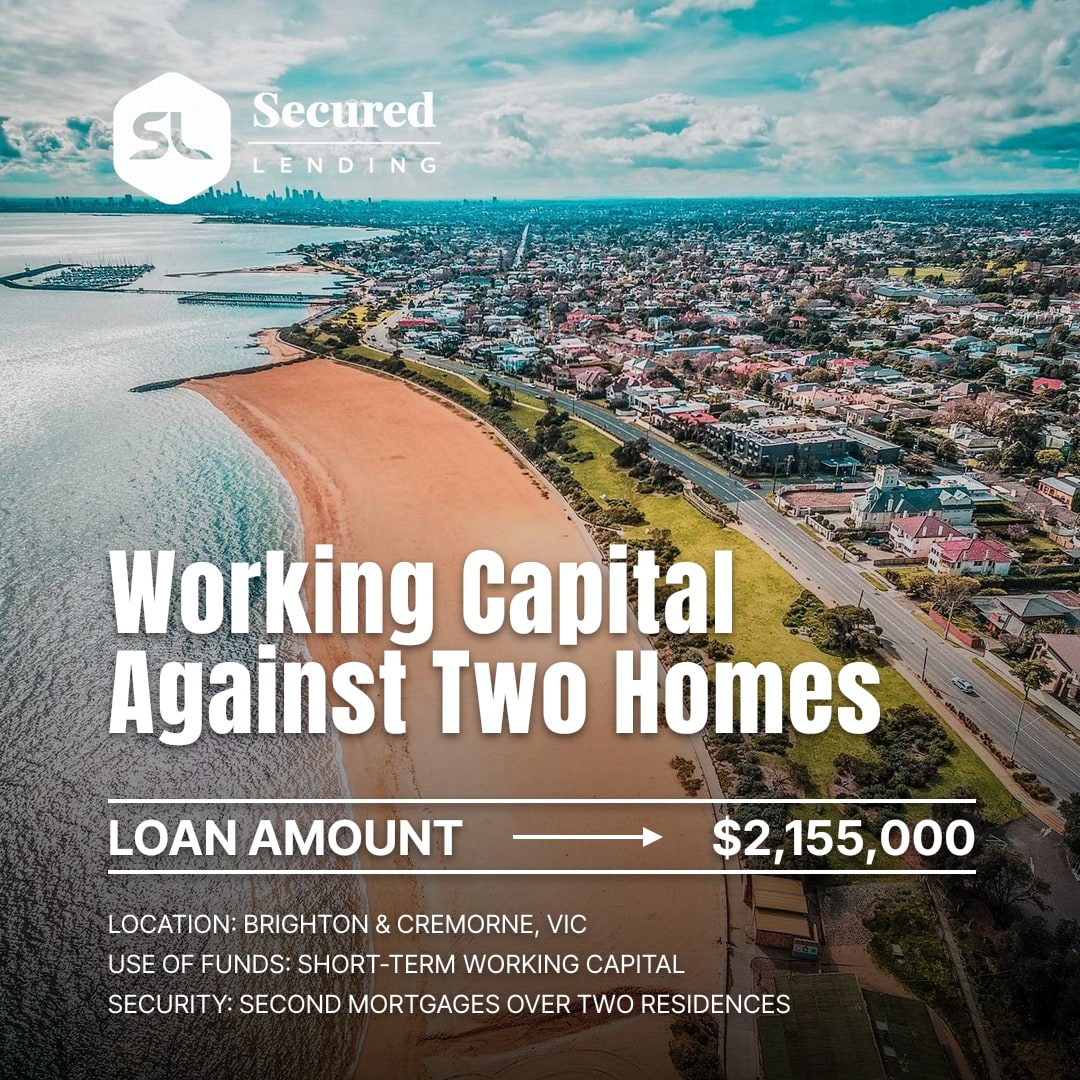
$2.155M Second Mortgage Working Capital Facility Across Brighton and Cremorne

$280K Second Mortgage for Short-Term Cash Flow in Kooyong

$545K Bridging Loan Across Three Suburbs in Melbourne's North-West

$400K Second Mortgage Repaid in Full After a Flexible Two-Month Extension

$1.8M First Mortgage Releases $980K of Working Capital for a Solar Business
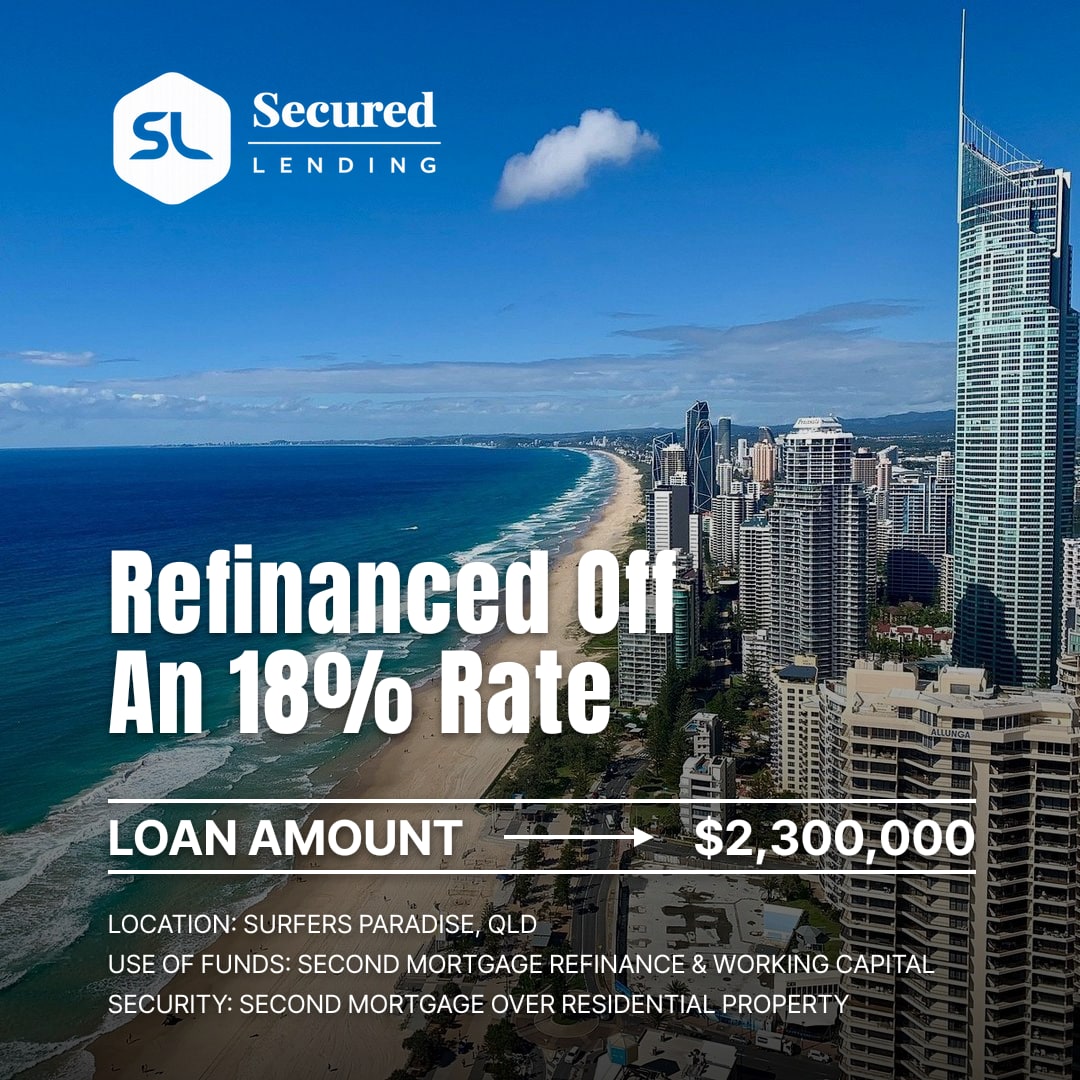
$2.3M Second Mortgage Refinances an 18% Facility for a Glass Manufacturer
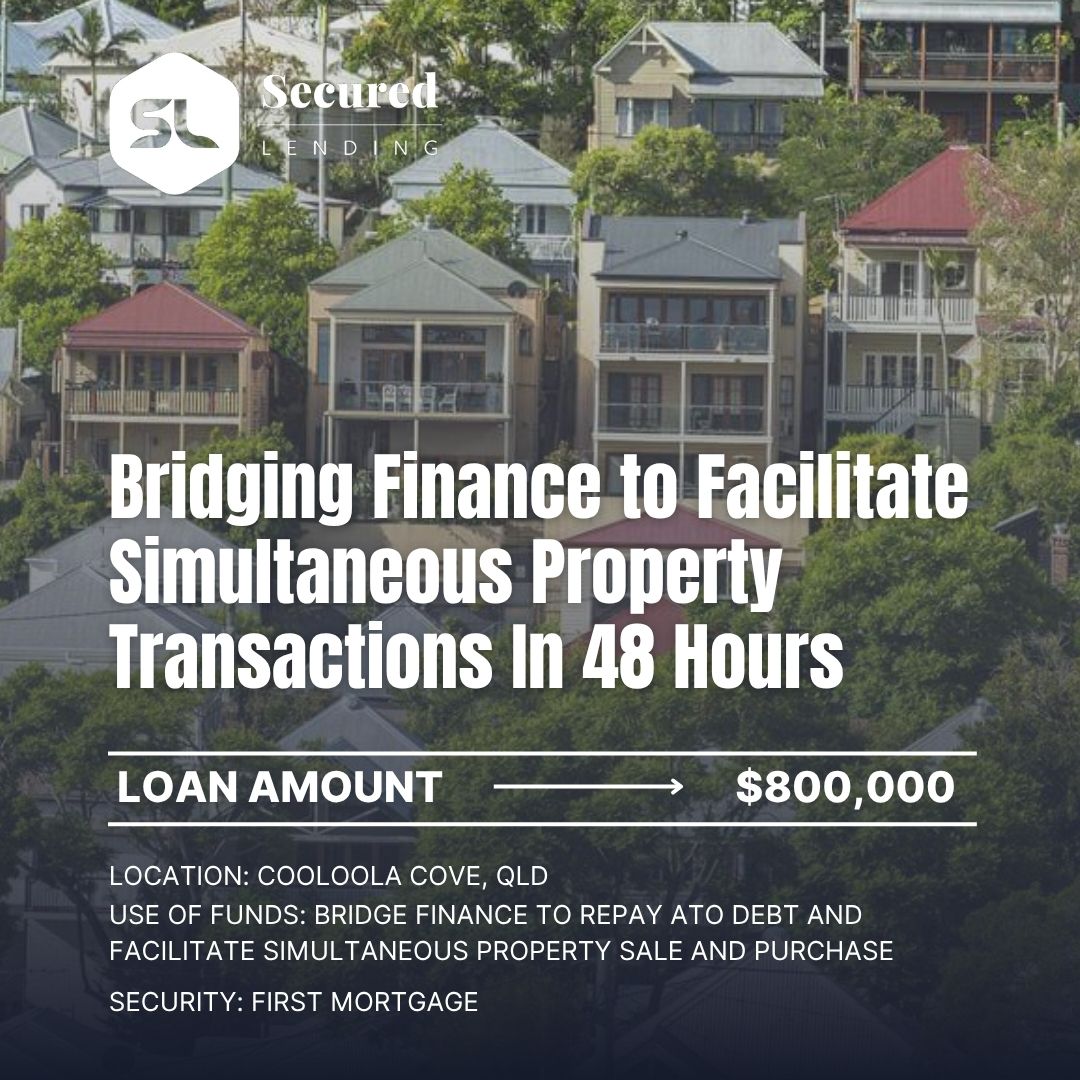
$800K Bridging Finance for Simultaneous Property Transactions in 48 Hours

$300K Second Mortgage for Dental Practice Working Capital in 5 Days
Recently Asked Questions
Get an indicative offer within hours, not weeks.
No credit check. No obligation.
Why Secured Lending?
Are you a broker? Find out why brokers love working with us.
Refinance Scenarios We Fund
Written up in full, grouped by what you are refinancing out of rather than by loan type.