Refinance Your Lender Before a Receiver Is Appointed
Repay the lender that is moving to enforce, and keep your business in your hands



Experts in strategic, short-term finance

More lenders are calling in their loans. ASIC figures show the number of companies whose first insolvency appointment was a receiver rose about 22% in 2025-26, from 837 to 1,020. If your lender has sent a default notice or a letter of demand, or has said it will appoint a receiver, a refinance can repay that lender in full before it does. The directors keep running the business, and decide when and whether any property is sold. We make decisions within hours, lend from $250,000, and settle within 24 hours on qualifying loans.
Signs Your Lender Is Moving Toward a Receiver
Each of these can come before a lender appoints a receiver, and each is a point where a refinance can still repay the lender on a date you choose:
- •A facility review, with requests for updated accounts and a meeting with the bank
- •A letter saying the business has breached a covenant or the loan-to-value ratio in the facility agreement
- •A request for a new valuation of the property the loan is secured on
- •Your loan moved from your relationship manager to the lender's recoveries team
- •A default notice giving a set number of days to pay the arrears or fix the breach
- •A letter of demand for the full balance of the loan
Once your lender has sent a default notice or a letter of demand, ask it for a written payout figure the same day. Every refinance starts from that number.
How a Refinance Repays the Lender Before It Appoints a Receiver
Our loan is made to your business and used to repay your existing lender at settlement. When the payout figure is paid in full, the lender discharges its mortgage and has no loan left to recover.
Get the payout figure in writing, with the date it is valid to. It is usually higher than the balance you remember: once a default notice is issued, default interest and the lender's enforcement and legal costs can be added to it, and the figure grows each day it is unpaid.
A default notice states the number of days you have to act. A refinance that settles inside that period repays the lender before the period ends. We make decisions within hours, issue a letter of offer once terms are agreed, and settle within 24 hours on qualifying loans, so send us the notice and the payout figure as soon as you have them. Your solicitor can read the notice and your loan agreement with you.
If a Receiver Has Already Been Appointed
We can still refinance the lender after it has appointed a receiver, and our loan repays that lender at settlement. What that repayment means for the receiver's appointment is a question for insolvency specialists. We do not give insolvency advice, and we can connect you with insolvency specialists in our network. Tell us on the first call who was appointed and over which property.
A receivership is different from liquidation and voluntary administration. This page is about a receiver appointed by a secured lender.
What We Lend Against
We lend against real property only: a first or second registered mortgage over residential, commercial or industrial property. That can be the property your current lender holds, another property the company owns, or a director's home or investment property, with the company as the borrower. The loan must sit within 70% of the property's value, including any mortgage that stays in place. Rates start from 9.7% p.a. on a first mortgage and 11.95% p.a. on a second, for terms of 1 to 24 months.
What We Need to See
- •The default notice, letter of demand or covenant breach letter, with its dates
- •A written payout figure from your lender, with the date it is valid to
- •A current title search for the property
- •An estimate of what the property is worth, which our in-house valuers confirm
- •The exit: the sale or refinance that repays our loan within its term
- •If a receiver has been appointed, the appointment documents and the receiver's contact details
Receivership Refinance, Business Loan Refinance or Debt Restructuring
A business loan refinance replaces one facility that has expired, will not be renewed or costs too much, with no enforcement under way. Debt restructuring is for several debts under pressure at once, such as a private lender, a second mortgage and the ATO, cleared in a set order. A receivership refinance is for one secured lender that has started to enforce, with a default notice, a letter of demand or a receiver.
Case Study: $3.685 Million to Repay a Lender That Had Appointed a Receiver
A borrower came to us after its lender had appointed a receiver, with interest and costs being added quickly. Our $3.685 million loan repaid the existing mortgagee on a property in St Ives, New South Wales, so the borrower could manage the sale of that property itself, as the case study describes.
Refinancing Your Lender With Bad Credit on File
A lender that is moving to enforce has usually left a mark on the credit file: arrears, a default notice, sometimes a listed default. We assess the payout figure, the value of the property and how our loan will be repaid.
Industries We Service
Receivership refinance for builders and contractors

Construction had more companies enter external administration or receivership than any other industry in 2025-26, according to ASIC. When a fixed-price job runs over budget or a progress claim is paid late, a building company's lender can issue a default notice or a letter of demand. A receivership refinance repays that lender at settlement.
It is repaid by progress claims and retentions as jobs finish, by a property sale, or by a bank once the accounts recover. The directors keep running the jobs and dealing with clients and subcontractors themselves.
A receivership refinance can help you:
- Repay a lender that issued a default notice after a progress claim was paid late
- Clear a letter of demand before a receiver is appointed over the yard property
- Keep subcontractors on site while the lender is repaid
- Repay a loan that fell into arrears on a fixed-price job that ran over budget
- Finish current jobs under the directors' management
- Refinance to a bank once retentions are released
Receivership refinance for pubs, restaurants and venues

Accommodation and food services had the second-highest number of companies enter external administration or receivership in 2025-26, after construction, according to ASIC. If your venue's lender has called a facility review, issued a default notice or sent a letter of demand, a receivership refinance repays that lender at settlement.
It is repaid by a sale of property on the owner's timetable, or by a bank once trading supports a new facility. The venue keeps trading and the staff are paid as usual while the lender is repaid.
A receivership refinance can help you:
- Repay a venue lender that has sent a letter of demand
- Keep the venue open and trading during the refinance
- Repay a facility the bank reviewed after a weak trading year
- Sell a freehold pub property on your timetable
- Refinance a loan moved to the bank's recoveries team after a slow winter
- Repay the lender with the venue's existing management still in place
Receivership refinance for property developers

Development lenders issue default notices when the loan term ends before the project sells, or when a new valuation comes in lower than the loan allowed. A receivership refinance repays the development lender at settlement, before it appoints a receiver to sell the site or the finished dwellings.
It is repaid as the finished dwellings settle, or by a longer-term facility. The developer sets the sale prices and decides when each dwelling is released for sale.
A receivership refinance can help you:
- Repay a construction lender whose term ended before the units sold
- Repay a lender that issued a default notice after a lower valuation
- Set your own prices for the finished dwellings
- Finish the sell-down without a receiver's sale campaign
- Refinance the site loan before the lender appoints a receiver
- Repay our loan as each dwelling settles
Receivership refinance for manufacturers

Losing a large customer can push a manufacturer into a covenant breach, and the bank's next letter is often a default notice or a letter of demand. Our loan repays that bank at settlement, and production continues under the directors' control.
It is repaid from customer receipts as orders are filled, by a property sale, or by a bank once the accounts recover. Decisions about the factory, the staff and the order book stay with the directors.
A receivership refinance can help you:
- Repay a lender that issued a letter of demand after a large customer was lost
- Keep the production line running while the lender is repaid
- Repay a facility after a covenant breach in a weak year
- Keep staff and customer orders under the directors' control
- Repay the lender before a receiver is appointed over the factory property
- Refinance to a bank once the next set of accounts shows the recovery
Receivership refinance for transport and logistics operators

Higher fuel costs or a lost contract can put a transport company's loan into arrears, and the lender then moves the file to its recoveries team or issues a default notice. A receivership refinance repays that lender at settlement, and the trucks stay on the road throughout.
It is repaid from customer payments, a property sale, or a bank refinance once the business has a record of paying on time. Customers keep dealing with the same operator and the same drivers.
A receivership refinance can help you:
- Repay a lender that moved the loan to its recoveries team
- Keep customer deliveries running while the lender is repaid
- Repay a loan that fell behind when fuel costs rose
- Repay a lender before a receiver is appointed over the depot property
- Keep drivers employed and paid during the refinance
- Refinance to a bank once a new customer contract is paying
Receivership refinance for motels, hotels and caravan parks

Motel, hotel and caravan park loans are often reviewed after occupancy falls or a new valuation breaches a covenant. If that review has turned into a default notice, our loan repays the lender at settlement, before it appoints a receiver to sell the property.
It is repaid by a sale on the owner's timetable, or by a long-term lender once occupancy recovers. Our in-house valuers assess the property on a going-concern basis, so the refinance does not wait for an outside valuer.
A receivership refinance can help you:
- Repay a lender that issued a default notice after occupancy fell
- Keep guests booked and staff rostered while the lender is repaid
- Repay a loan after a lower valuation breached a covenant
- Sell the motel property in peak season rather than on a receiver's date
- Repay a lender that will not wait for the next booking season
- Move to a long-term lender once occupancy is back up
Receivership refinance for accounting, law and consulting firms

A partner leaving with a group of clients, or a slow year where fee income fell while salaries stayed the same, can put a firm's loan into default. Once the lender issues a default notice, a refinance repays it at settlement, and the firm keeps acting for its clients as usual.
It is repaid as unbilled work is invoiced and collected, by a property sale, or by a bank once the next set of accounts shows fee income has recovered. Client relationships, staffing and fee decisions stay with the directors.
A receivership refinance can help you:
- Repay a lender that issued a default notice after a partner left with clients
- Repay an overdraft and a term loan the bank called in together
- Keep acting for clients while the bank is repaid
- Repay a lender while a large client invoice remains unpaid
- Refinance a loan that fell into arrears after a slow year for fee income
- Move back to a bank once the firm's fee income recovers
Receivership refinance for property investors

Investment property loans go into default when a tenant vacates and the rent stops, when a revaluation breaches a covenant, or when the term expires and the bank declines to extend it. A receivership refinance repays the lender at settlement, before a receiver is appointed to collect the rent or sell the property.
It is repaid by the sale of one or more properties on the owner's timetable, or by a bank once a new tenant has signed a lease. The owner chooses which property to sell, the agent and the asking price.
A receivership refinance can help you:
- Repay a loan the bank would not extend when its term expired
- Repay a lender that issued a default notice after a tenant vacated
- Keep collecting rent from the remaining tenants yourself
- Choose the agent and the asking price for any property you sell
- Repay a lender after a revaluation breached the loan covenant
- Refinance to a bank once a new lease is signed
Receivership refinance for retailers

New stores that trade below forecast and rent increases at lease renewal are two common reasons a retailer's loan repayments fall into arrears. When the default notice follows, our loan repays the lender at settlement, and the stores keep trading and ordering stock as usual.
It is repaid by trade through the next season, a property sale, or a bank refinance once the accounts show a profitable year. Staff, suppliers and landlords keep dealing with the directors.
A receivership refinance can help you:
- Repay a lender that issued a default notice after a new store traded below forecast
- Keep the stores open and the shelves stocked during the refinance
- Repay a loan that fell into arrears after a rent increase on renewal
- Close an unprofitable store on your own timetable
- Repay the bank before the date set in its default notice
- Return to a bank once a full year of profitable trade is in the accounts
Receivership refinance for software and technology companies

Banks lend to technology companies against a growth plan, so a delayed funding round or slower revenue growth can bring a default notice or a refusal to renew. A refinance repays that lender at settlement, and the product and the team keep running as normal.
It is repaid by a capital raise once the term sheet is signed, by a property sale, or by a bank once revenue supports a new facility. Repayments are interest only, so revenue keeps paying salaries and hosting costs rather than reducing principal.
A receivership refinance can help you:
- Repay a lender that refused to renew after a funding round was delayed
- Keep paying developers and hosting costs while the lender is repaid
- Repay a loan approved on revenue growth that came in slower than planned
- Raise capital from investors with no default notice outstanding
- Keep customer contracts and the product roadmap with the founders
- Repay our loan from the raise once the investors' funds are received
Receivership refinance for wholesalers and distributors

A major retail customer that stops paying, or a weaker Australian dollar that raises the landed cost of imported stock, can lead a wholesaler's lender to call in its facility or issue a default notice. Our loan repays that lender at settlement, and orders keep going out to customers.
It is repaid as stock is sold and customer accounts are paid, by a property sale, or by a bank once the accounts recover. Supplier relationships and customer pricing stay with the directors throughout.
A receivership refinance can help you:
- Repay a lender that called in the facility after a major customer stopped paying
- Keep filling customer orders from the warehouse while the lender is repaid
- Repay a loan that fell behind when a weaker dollar raised the landed cost of imports
- Sell surplus stock through your usual customers at your own prices
- Keep overseas suppliers dealing with the same directors
- Refinance to a bank once the overdue customer accounts are collected
Receivership refinance for medical, dental and allied health practices

Practice loans come under review when a practitioner leaves and bookings fall, or when a new clinic takes longer to fill than forecast. If your lender has issued a default notice to the practice, a refinance repays it at settlement, and appointments continue as booked.
It is repaid by a bank refinance once bookings recover, or by a property sale. Patients see the same practitioners, and clinical decisions, staff and patient records stay with the practice owners.
A receivership refinance can help you:
- Repay a lender that issued a default notice after a practitioner left
- Keep appointments running while the bank is repaid
- Repay a loan taken for a new clinic that filled more slowly than forecast
- Keep patient records and staff under the practice owners' control
- Repay the lender before the date in its letter of demand
- Refinance to a bank once patient bookings recover
Receivership refinance for childcare and early learning centres

A new centre opening nearby, or a shortage of educators that forces rooms to close, cuts fee income quickly. When the operator's lender responds with a default notice, our loan repays it at settlement, and the centre stays open to families throughout.
It is repaid by a bank refinance once enrolments recover, or by a property sale. Educators stay employed, families keep their places, and the same operator keeps running the centre.
A receivership refinance can help you:
- Repay a lender that issued a default notice after enrolments fell
- Keep the centre open for families while the lender is repaid
- Repay a loan that fell behind when rooms closed for lack of educators
- Keep every enrolled child's place while the bank is repaid
- Refinance before the lender appoints a receiver and manager
- Return to a bank once occupancy across the rooms is back up
Receivership refinance for aged care homes and retirement villages

Falling occupancy, wage costs rising faster than funding, or a new wing that fills slowly can each lead an aged care or retirement living operator's lender to issue a default notice. A receivership refinance repays that lender at settlement, and residents keep receiving care from the same staff.
It is repaid by a bank refinance once occupancy recovers, or by a sale of the property on the owner's timetable. Decisions about care, staffing and admissions stay with the operator.
A receivership refinance can help you:
- Repay a loan that fell behind as wage costs rose faster than funding
- Keep residents' care and staff rosters unchanged while the bank is repaid
- Repay a facility taken to build a new wing that filled slowly
- Keep admissions decisions with the operator
- Refinance before a receiver and manager is appointed to the home
- Move to a bank once occupancy is steady
Receivership refinance for car dealerships and workshops

Falling new car sales, a change to a manufacturer's dealer agreement, or an insurer moving its repair work elsewhere can put a dealership, workshop or panel shop's loan into default. Our loan repays that lender at settlement, and the showroom and service bays keep operating.
It is repaid by a bank refinance once sales recover, or by a sale of the property. Customers keep their service bookings, and the same technicians work on their cars.
A receivership refinance can help you:
- Repay a lender that issued a default notice after new car sales fell
- Keep the service department booked and running while the bank is repaid
- Repay a loan that fell behind after a manufacturer changed its dealer terms
- Repay a panel shop's loan after an insurer moved its repair work elsewhere
- Keep technicians and sales staff under the directors' management
- Refinance to a bank once a new franchise or brand is signed
Receivership refinance for self-storage facilities
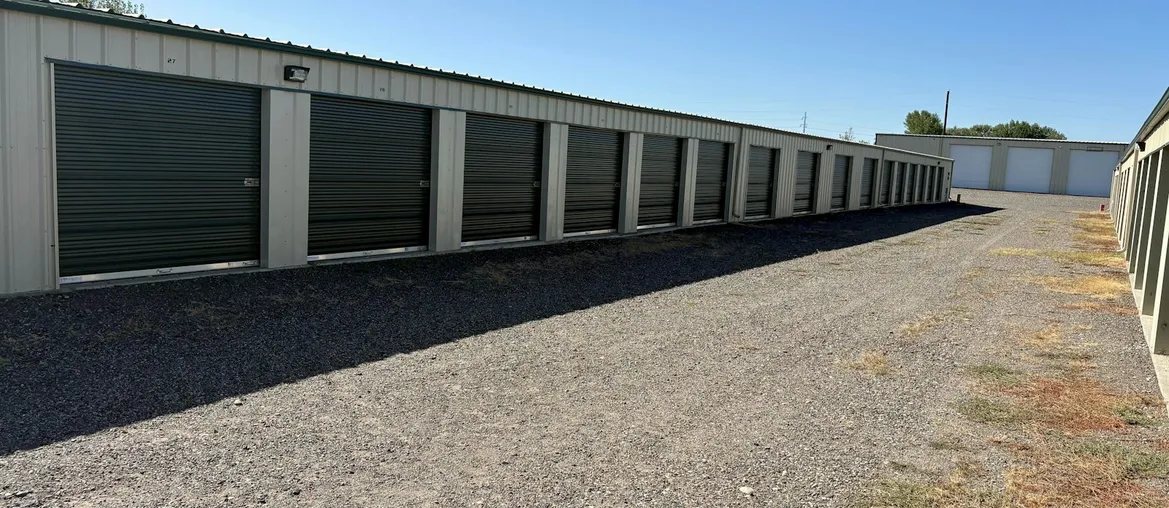
A competitor opening nearby, or a conversion that cost more than the loan allowed, can leave a self-storage facility's lender issuing a default notice or refusing to extend. A refinance repays that lender at settlement, and tenants keep access to their units.
It is repaid by a bank refinance once occupancy and rent per square metre are steady, or by a sale of the facility. The owner keeps setting unit rates and running promotions to fill vacant units.
A receivership refinance can help you:
- Repay a lender that refused to extend after a competitor opened nearby
- Keep the facility open to tenants while the lender is repaid
- Repay a construction loan after the build ran over budget
- Set your own unit rates and promotions to fill vacant units
- Repay a lender before a receiver is appointed to sell the facility
- Move to a bank once occupancy holds steady for several months
Receivership refinance for mining services contractors

Mining services contractors feel it first when a mine cuts contractor numbers, commodity prices delay new work, or a mine owner pays late. If your lender has called in the loan or issued a default notice, a receivership refinance repays it at settlement, and your crews stay available for the next contract.
It is repaid by payments from a new contract, by a property sale, or by a bank once work is steady. Tendering for new work and decisions about crews and equipment stay with the directors.
A receivership refinance can help you:
- Repay a lender that called in the loan after a mine cut contractor numbers
- Keep crews employed between contracts while the lender is repaid
- Repay a loan that fell behind while a mine owner paid invoices late
- Tender for new work with the old lender already repaid
- Repay the bank before a receiver is appointed over the workshop property
- Refinance to a bank once a new drilling or haulage contract is paying
Receivership refinance for waste and recycling operators

Losing a council collection contract at tender, or a site fire that stops processing for months, can put a waste or recycling business's loan into default. Our loan repays the lender at settlement, and collections and processing continue.
It is repaid by an insurance payment after a fire, by revenue from a new contract, by a property sale, or by a bank once the accounts recover. The trucks keep running their routes and the site keeps accepting material.
A receivership refinance can help you:
- Repay a lender that issued a default notice after a council contract was lost
- Keep collection routes running while the lender is repaid
- Repay a loan that fell behind while a fire closed the processing line
- Repay our loan from the insurance payment once the claim is paid
- Keep the site accepting material under the directors' management
- Refinance to a bank once a new collection contract starts
"A default notice gives you a date. Send it to us the day it arrives, with the payout figure, and we can tell you within hours whether a refinance can repay your lender before that date. The earlier we see the notice, the more of that time is left for the valuation and the paperwork."

Gino Tabila
Associate Director

Get an indicative offer within hours, not weeks.
No credit check. No obligation.
Why Secured Lending?
Are you a broker? Find out why brokers love working with us.
Case Studies

$2.155M Second Mortgage Working Capital Facility Across Brighton and Cremorne

$280K Second Mortgage for Short-Term Cash Flow in Kooyong

$545K Bridging Loan Across Three Suburbs in Melbourne's North-West

$400K Second Mortgage Repaid in Full After a Flexible Two-Month Extension

$1.8M First Mortgage Releases $980K of Working Capital for a Solar Business

$2.3M Second Mortgage Refinances an 18% Facility for a Glass Manufacturer

$800K Bridging Finance for Simultaneous Property Transactions in 48 Hours

$300K Second Mortgage for Dental Practice Working Capital in 5 Days
Recently Asked Questions
Get an indicative offer within hours, not weeks.
No credit check. No obligation.
Why Secured Lending?
Are you a broker? Find out why brokers love working with us.
Receivership and Enforcement Scenarios We Fund
Grouped by how far your lender has gone, from the first warning letter to a receiver already in place.