Fast Bridging Loans for Urgent Commercial Funding
Fast commercial finance to bridge the gap



Experts in strategic, short-term finance

Bridge the gap to keep your business on track
At Secured Lending, we provide short-term secured business loans designed to help businesses cover urgent expenses, seize opportunities, or manage temporary cash flow issues, without waiting for long approvals or inflexible banking systems. We are a non-bank, private lender in Australia that can move fast for urgent funding requirements.
What is a Business Bridging Loan?
A bridging loan is a short-term loan that gives your business fast access to capital, usually for 3 to 12 months. It acts as a financial bridge between your current situation and a longer-term solution, such as securing funding, selling an asset, or collecting overdue receivables.
Unlike traditional loans, bridging finance is built for speed, flexibility, and adaptability.
When Can a Short Term Bridging Loan Help?
Business owners turn to bridging loans for situations like:
- •Covering payroll during shortfalls
- •Paying urgent tax debts (ATO)
- •Settling a land purchase on time
- •Settling after bank finance falls through
- •Paying super on payday, or clearing a Superannuation Guarantee Charge
- •Purchasing equipment or inventory
- •Funding renovations or expansion
- •Settling overdue supplier invoices
- •Managing unexpected expenses or legal disputes
- •Consolidating business debt
- •Buying time during property transitions
- •Recovering from a natural disaster or cyber breach
- •Avoiding foreclosure or insolvency
- •Taking advantage of limited-time business opportunities
If it's time-sensitive and essential to your operations or growth, bridging finance can probably help.
Our Bridging Loan Success Stories
Here are some case studies of our recent short term bridging loans:
Bridging Finance for Business Owners With Bad Credit
A bank reads a default on your file and stops there. We start with the property. Where there is equity inside 70% LVR and a documented exit, a bad credit history rarely decides the outcome. Most asset-backed bridging files settle without full financials or tax returns, because the repayment is already funded by the sale or the refinance you are bridging to.
Industries We Service
Bridging finance for property developers and land settlements
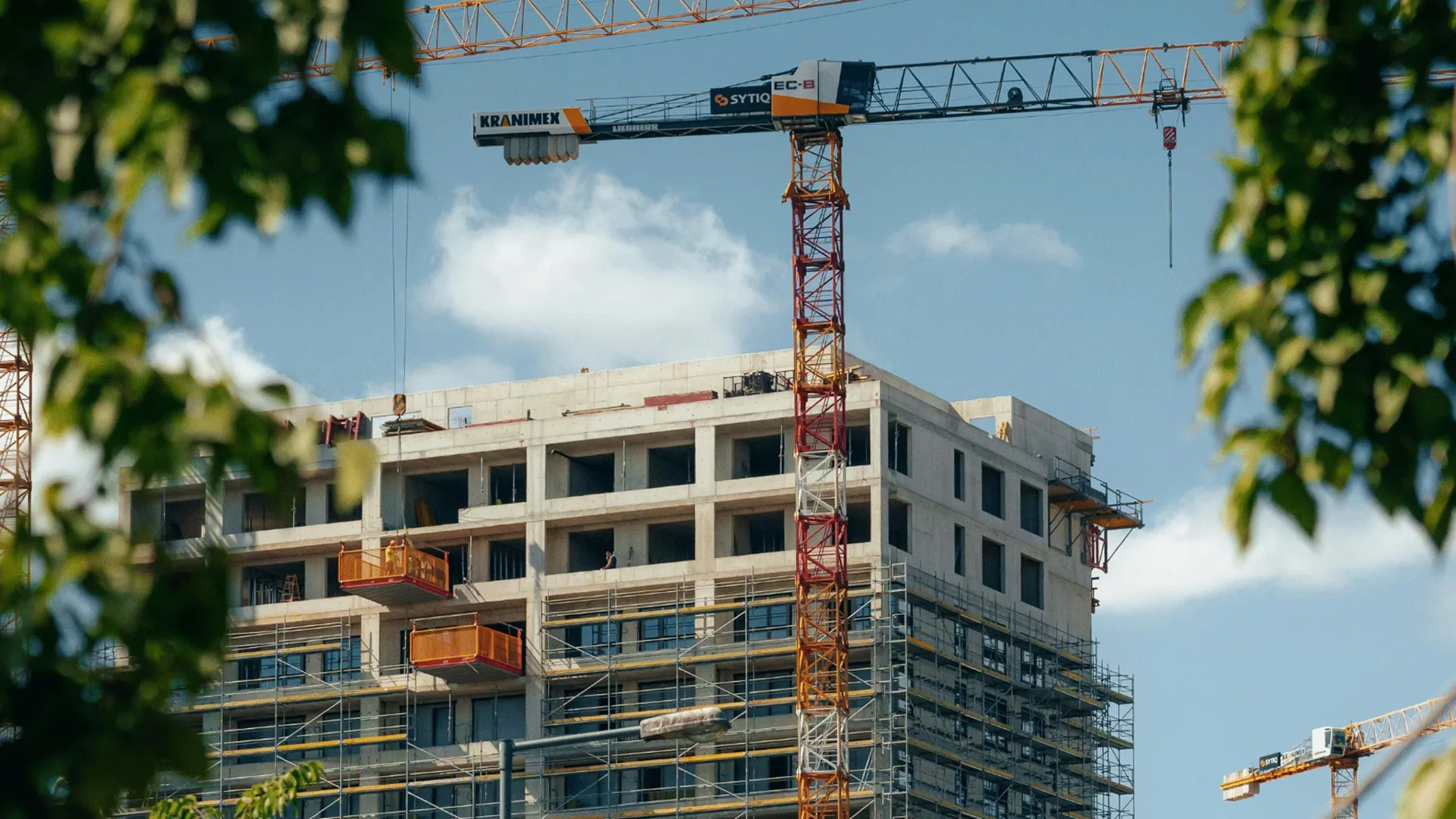
A bridging loan funds a land settlement the completed stock has not paid for yet, and covers the balance on a development site where a construction facility is approved but will not be ready by the date on the contract. We lend against the land, the completed stock, or another property in the portfolio, as a first or second mortgage, and we lend our own funds with our own credit authority, so the answer does not go to a committee.
It is repaid when the completed stock settles or a construction facility takes over. That lets a fixed settlement date be met without discounting the last few lots of the previous project to raise the cash, and because our valuation team is in house, raw land and part-complete sites are assessed in days rather than waiting behind a panel queue.
A bridging loan can help you:
- Settle a land purchase before the previous project has sold down
- Cover a settlement shortfall when a construction facility is approved but slow to settle
- Fund holding costs on a land bank while approvals are finalised
- Release capital tied up in residual stock that is built and not yet sold
- Buy out a joint venture partner mid-project
- Borrow behind a first facility that stays in place, as a second mortgage
Bridging finance for builders and contractors
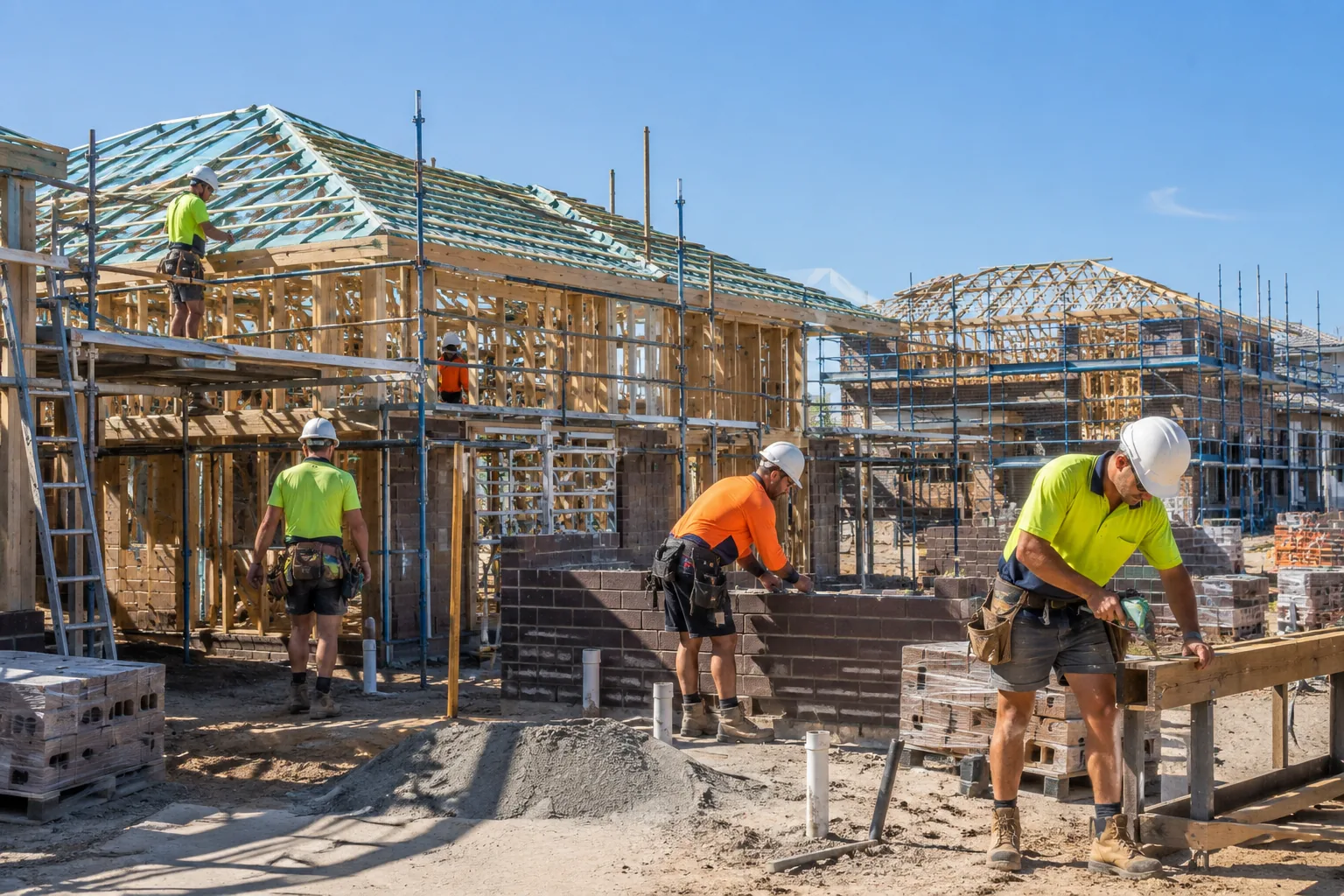
A bridging loan covers wages, subcontractors and materials while a progress claim sits unpaid, and funds the deposit or mobilisation on the next contract before the current one pays out. We lend against the yard, the office, or a director's own property.
It is repaid by the progress payment, practical completion, or the sale of the security. Retentions and a slow certifier become a timing problem rather than a cash flow crisis, and because the funds are ours, we can settle in as little as 24 hours when a start date will not move.
A bridging loan can help you:
- Pay wages and subcontractors while a progress claim sits unpaid
- Fund the deposit or mobilisation on the next contract
- Cover a retention released late, or a variation still being argued
- Buy plant and materials for a job starting before the last one settles
- Clear an ATO position that threatens a licence or a tender
- Meet a settlement date that will not move
Bridging finance for property investors and commercial buyers
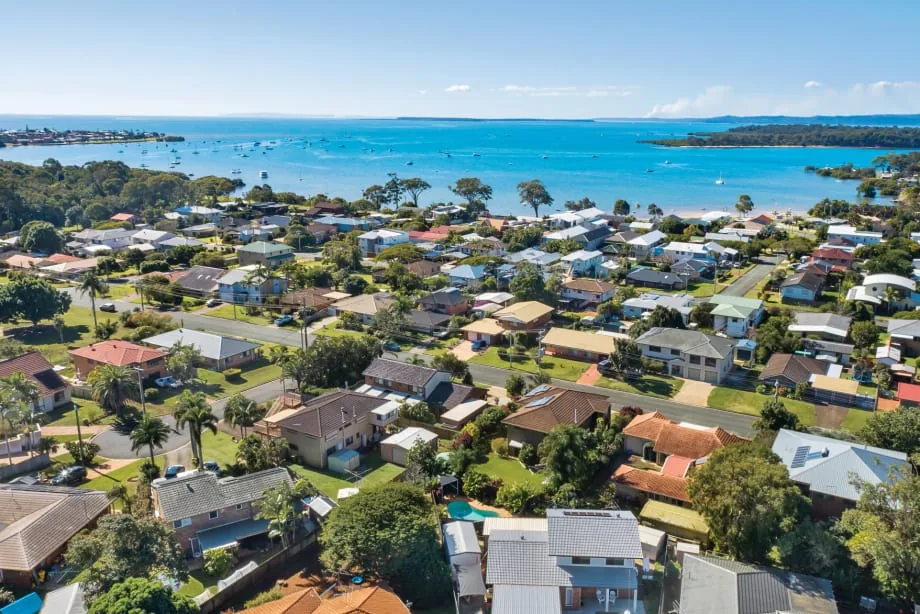
A bridging loan buys the next property before the current one sells, and settles a commercial or industrial purchase on time where a bank approval has been withdrawn or is still weeks from a committee. We take security over the incoming property, the outgoing one, or the wider portfolio, which is what lets a bid be made unconditionally rather than made conditional on a sale that has not happened yet.
It is repaid when the outgoing property settles, or by a refinance once the asset is tenanted. The practical effect is that the outgoing property is sold on your timing rather than dumped to meet a date somebody else set, and a settlement shortfall found late in a deal costs a few days of interest instead of the deposit.
A bridging loan can help you:
- Buy at auction before an existing property has sold
- Settle a commercial or industrial purchase on the date the contract sets
- Cover a settlement shortfall when a buyer falls over close to the date
- Complete an off-market purchase that will not wait for a chain to line up
- Release equity across a portfolio rather than a single title
- Bridge two settlements that are weeks or months apart
Bridging finance for pubs, hotels and venues

A bridging loan releases the equity already held in a venue so a second site can be secured, a fit-out funded, or a refurbishment done in the off season. Freehold operators secure against the venue property itself. Leasehold operators secure against a director's home or investment property, which is the normal pattern in this sector.
It is repaid when an outgoing venue sells, or by a refinance once the trading figures support one. The venue trades as normal for the whole term, and a seasonal year is read as a timing pattern rather than a credit weakness, so a quiet winter does not disqualify a good operator.
A bridging loan can help you:
- Secure a second venue before the first one has sold
- Fund a fit-out or refurbishment in the off season
- Complete a freehold purchase on the date the contract sets
- Buy out a business partner or a departing operator
- Pay for equipment, or a licence that comes with the site
- Release equity from a venue that keeps trading throughout
Bridging finance for retailers

A bridging loan pays suppliers for peak season stock months before the takings arrive, and covers a fit-out, a new site, or a lease incentive that has to be paid up front. Most retailers lease their space, so the security is usually a director's home or an investment property rather than the shop.
It is repaid out of the season the stock was bought for, or by a refinance once that trading period is banked. The order can go in at the size the season actually needs instead of being cut back to whatever the current cash position allows, and a supplier discount that only holds for a short window can be taken rather than missed.
A bridging loan can help you:
- Order peak season stock months before the takings arrive
- Take a supplier discount that only holds for a short window
- Pay for a fit-out, a new site, or a lease incentive up front
- Buy inventory in bulk ahead of a price rise
- Clear an ATO position that has fallen behind after a quiet quarter
- Borrow against a director's home or investment property, not the shop
Bridging finance for wholesalers and importers

A bridging loan pays the supplier and clears a shipment so the stock reaches the shelf and starts earning. We lend against the warehouse where it is owned, and against a director's property where the premises are leased.
It is repaid as the stock sells through, or when a debtor finance facility takes over. That means a large order can be accepted rather than declined because capital is still tied up in the last container, and goods do not sit at the port accruing storage while funding is arranged.
A bridging loan can help you:
- Pay for a container or shipment before the stock sells through
- Commit to a bulk buy at a price that will not be repeated
- Cover customs, freight and storage on goods already in transit
- Bridge the gap between paying a supplier and being paid by a customer
- Accept a large order that would otherwise be declined on cash flow
- Borrow against the warehouse, or a director's property on a leased site
Bridging finance for manufacturers
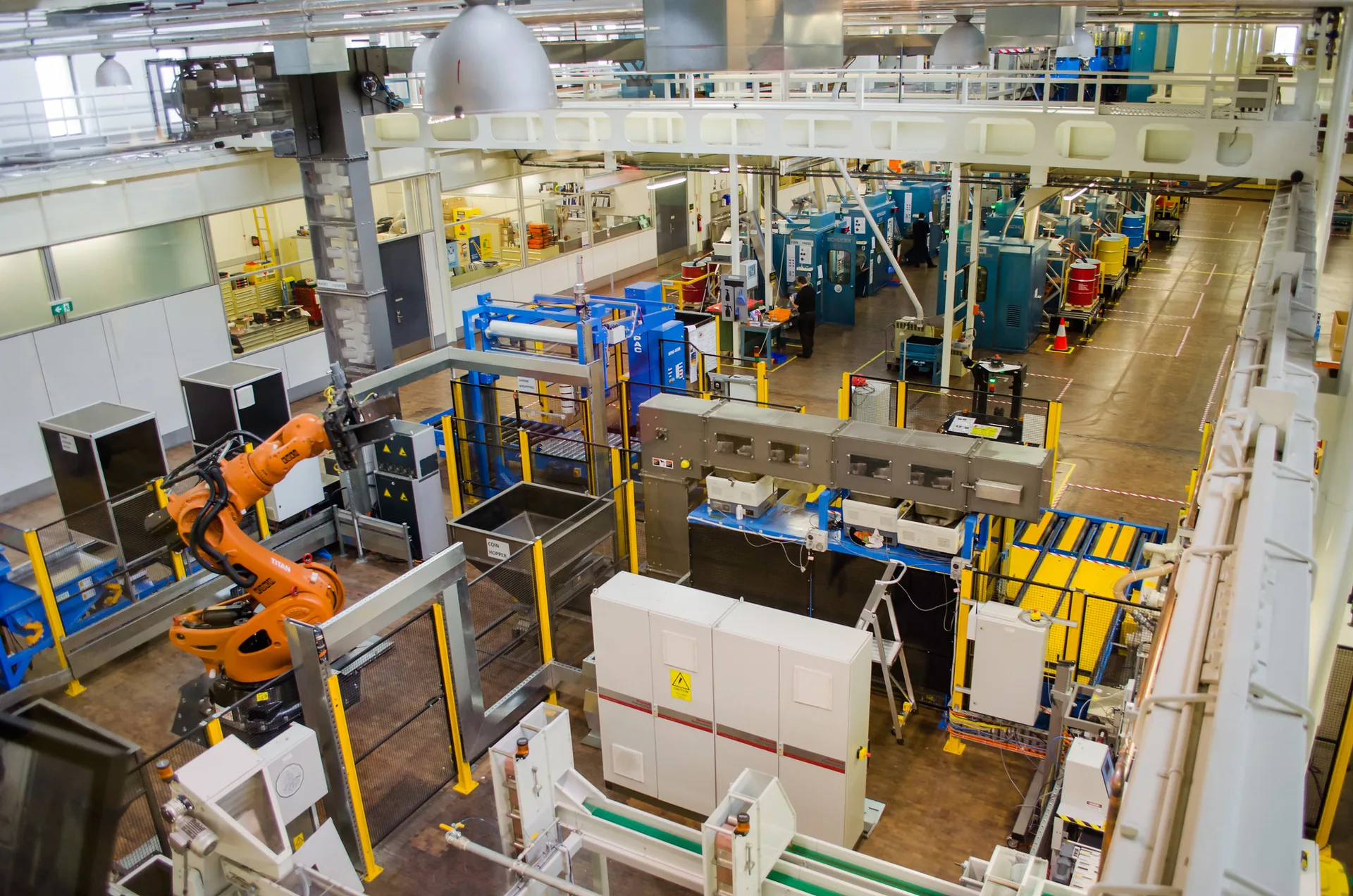
A bridging loan funds the materials, tooling and labour on an order the customer will not pay for until delivery, and it funds plant, machinery, or the site next door when it comes up. Owner occupiers secure against the industrial property. Leaseholders secure against a director's property.
It is repaid when the customer pays, or by a longer-term facility once the order is delivered and invoiced. Equity comes out of the factory without the plant stopping, so a large order is accepted rather than turned away because the working capital line will not stretch to it.
A bridging loan can help you:
- Fund materials, tooling and labour on an order paid for on delivery
- Buy plant or machinery ahead of the contract that justifies it
- Settle the industrial property next door when it comes up unexpectedly
- Take on a large order that would strain the working capital line
- Bridge to a longer-term facility that is approved but not yet settled
- Release equity from the factory without the plant stopping
Bridging finance for transport and warehousing operators

A bridging loan puts trucks, trailers or racking in place before a contract start date, and funds the purchase of a depot when a lease ends and the site goes to market. We lend against the depot or warehouse, and against a director's property where the site is leased.
It is repaid from the contract receipts, by an asset finance facility once the equipment is earning, or by a refinance. A contract that has been won gets signed rather than handed back because the fleet could not be ready in time.
A bridging loan can help you:
- Put trucks, trailers or racking in place before a contract start date
- Bridge the gap between winning the work and being paid for it
- Meet a depot settlement date when a lease ends and the site goes to market
- Fund a racking install or depot fit-out between tenancies
- Cover fleet compliance or upgrade costs that cannot wait
- Take on a contract that starts before the last one pays
Bridging finance for software and technology companies

A bridging loan funds an acquisition, an engineering team or a production run in the months before a raise, an R&D refund or an enterprise invoice is paid. The facility is interest only for the term, so it does not draw on the cash the company is putting into the hire, the acquisition or the build.
It is repaid when the round closes, the refund is paid, or the invoice settles. An acquisition can complete on the date set in the share sale agreement rather than waiting on an investor's timetable, which matters when the vendor is talking to more than one buyer.
A bridging loan can help you:
- Complete an acquisition before the round that was going to fund it closes
- Fund an engineering team in the months before the revenue it builds arrives
- Pay for a hardware production run ahead of the purchase orders
- Carry an enterprise contract through 90 day payment terms
- Cover costs between lodging an R&D tax incentive claim and being paid
- Buy out an early shareholder on a date fixed in the shareholders agreement
Bridging finance for practices and professional firms
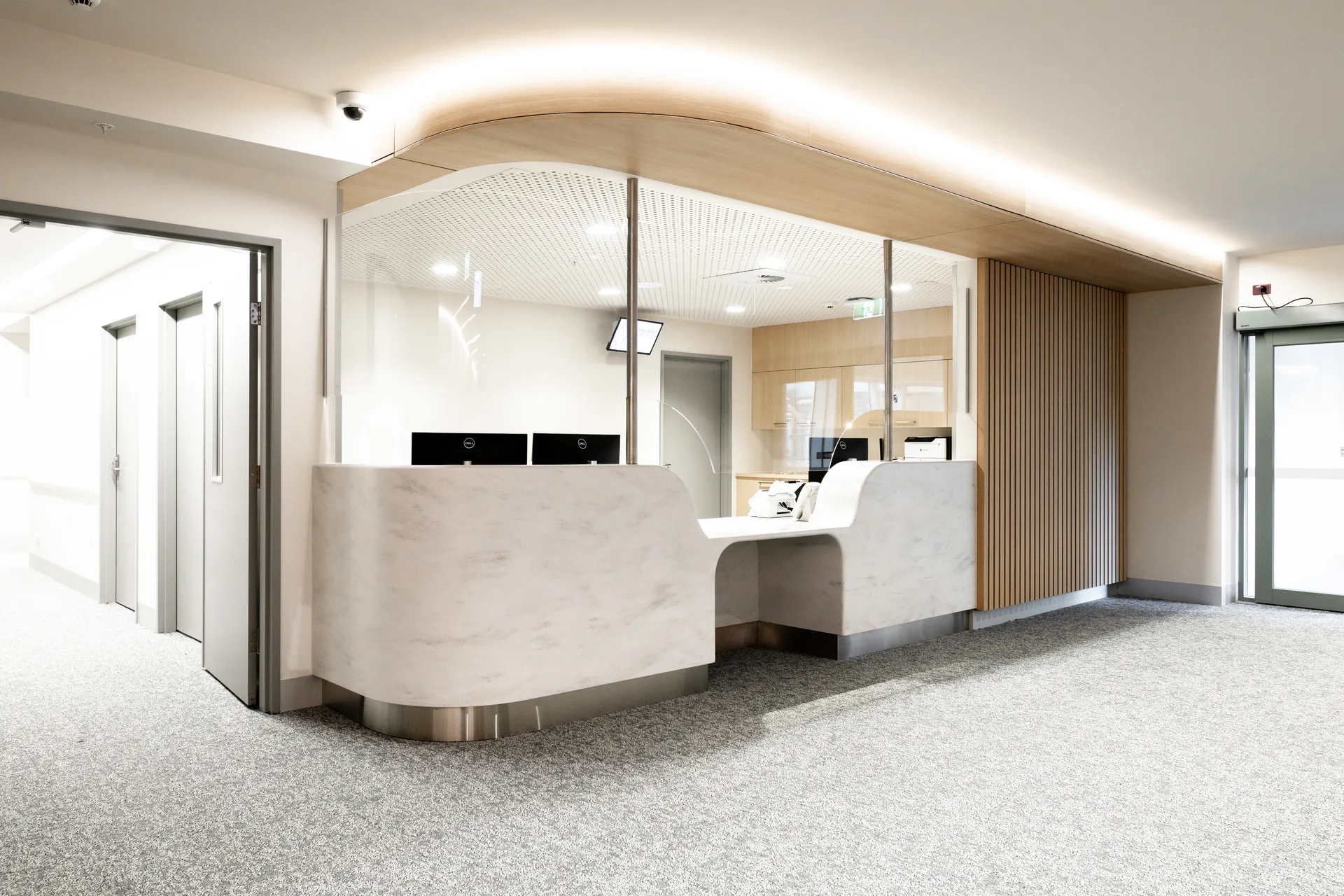
A bridging loan funds a practice buy-in, a book or patient list acquisition, or a departing partner's exit, on the vendor's timetable rather than a lender's. These firms almost always lease their rooms, so the security is a director's home or investment property, which is the standard pattern in this sector.
It is repaid when the long-term practice facility settles. The practice keeps operating throughout, goodwill is not what we are lending against, and a deadline set by a vendor is met rather than lost to a buyer who could move sooner.
A bridging loan can help you:
- Fund a practice buy-in, or an equity partner's entry
- Acquire a book, a patient list, or a competing practice
- Fund a departing partner's exit
- Pay for a fit-out, equipment, or the purchase of the rooms
- Bridge to a practice facility that is approved but not yet settled
- Borrow against a director's home or investment property
Bridging finance for aged care and retirement village operators

A bridging loan settles the purchase of a residential aged care facility or a retirement village on the contract date, while a bank or specialist aged care lender is still completing its valuation of a specialised property. It also funds a deposit on land for a new facility before construction funding is in place, and refunds of accommodation deposits that fall due before the next resident's deposit is paid.
It is repaid when the bank or specialist aged care lender settles its long-term loan, when construction funding is arranged, or from the sale of a property. Our own valuers assess the freehold property on a going-concern basis, taking any residents' charges into account, so the settlement date in the contract does not wait on an external valuer.
A bridging loan can help you:
- Settle a facility purchase before the sector lender has finished its valuation
- Pay a deposit on land for a new facility ahead of construction funding
- Buy retirement village land on the contract date while long-term finance is arranged
- Refund an accommodation deposit before the next resident's deposit is paid
- Include refurbishment of rooms and bathrooms in the amount paid at settlement
- Move to a specialist aged care lender once the purchase has settled
Bridging finance for motels, hotels and holiday parks

A bridging loan settles the purchase of a motel, a hotel or a caravan park on the contract date, before the specialist going-concern valuation and the years of occupancy figures a bank wants are ready. It also buys a short-stay investment property before another investment sells, and pays for new cabins or a refurbishment as one amount at settlement.
It is repaid by a refinance once the property has traded under your ownership, or by the sale of the other property. Where the repayment plan needs it, the term is set to run through a full peak and off-peak season, so the refinance is assessed on a complete trading year rather than a quiet winter.
A bridging loan can help you:
- Settle a motel or hotel purchase before the specialist valuation is complete
- Buy a caravan or holiday park on the date the vendor has set
- Buy a short-stay property before another investment property sells
- Pay for new cabins at settlement, ahead of the holiday season
- Buy student accommodation before the start of the academic year
- Refinance once a full peak and off-peak season is on record
Bridging finance for self-storage operators
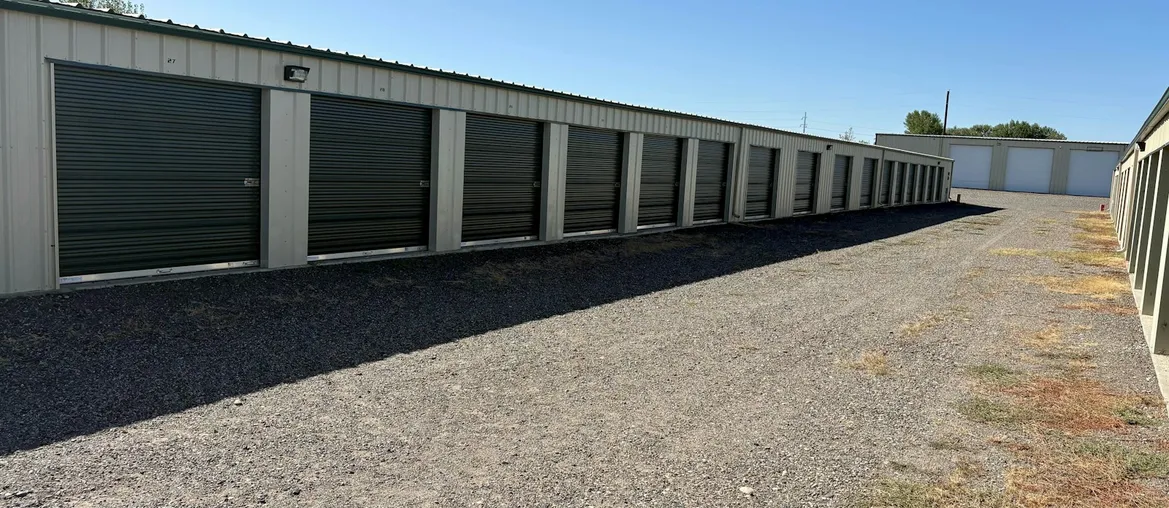
A bridging loan buys the property next door to a full storage site on the seller's timetable, settles an established facility before a long-term loan is approved, or buys a warehouse for conversion before its units are fitted out. The fit-out of the added units can be paid as one amount at settlement.
It is repaid by a refinance once the new units are let and occupancy is established, or by the sale of another property. A lender assessing income waits for that occupancy, and the bridging loan covers the months between the purchase and the point the site has the income a long-term lender needs.
A bridging loan can help you:
- Buy the adjoining property when it comes up for sale
- Settle an established storage facility before a long-term loan is approved
- Buy a warehouse to convert before its storage units are fitted out
- Pay for the fit-out of new units at settlement rather than in stages
- Buy a new storage site before another property sells
- Refinance the combined site once the new units are let
"With bridging finance, it really comes down to exit certainty, and that is where we like to start. Once we can see the contract, walk through the settlement timeline with you, and understand what retires the debt, we can move quickly. Where those pieces line up and the LVR sits under 70%, we are glad to have a term sheet in front of you within 24 hours."

Gino Tabila
Associate Director

Get an indicative offer within hours, not weeks.
No credit check. No obligation.
Why Secured Lending?
Are you a broker? Find out why brokers love working with us.
Case Studies
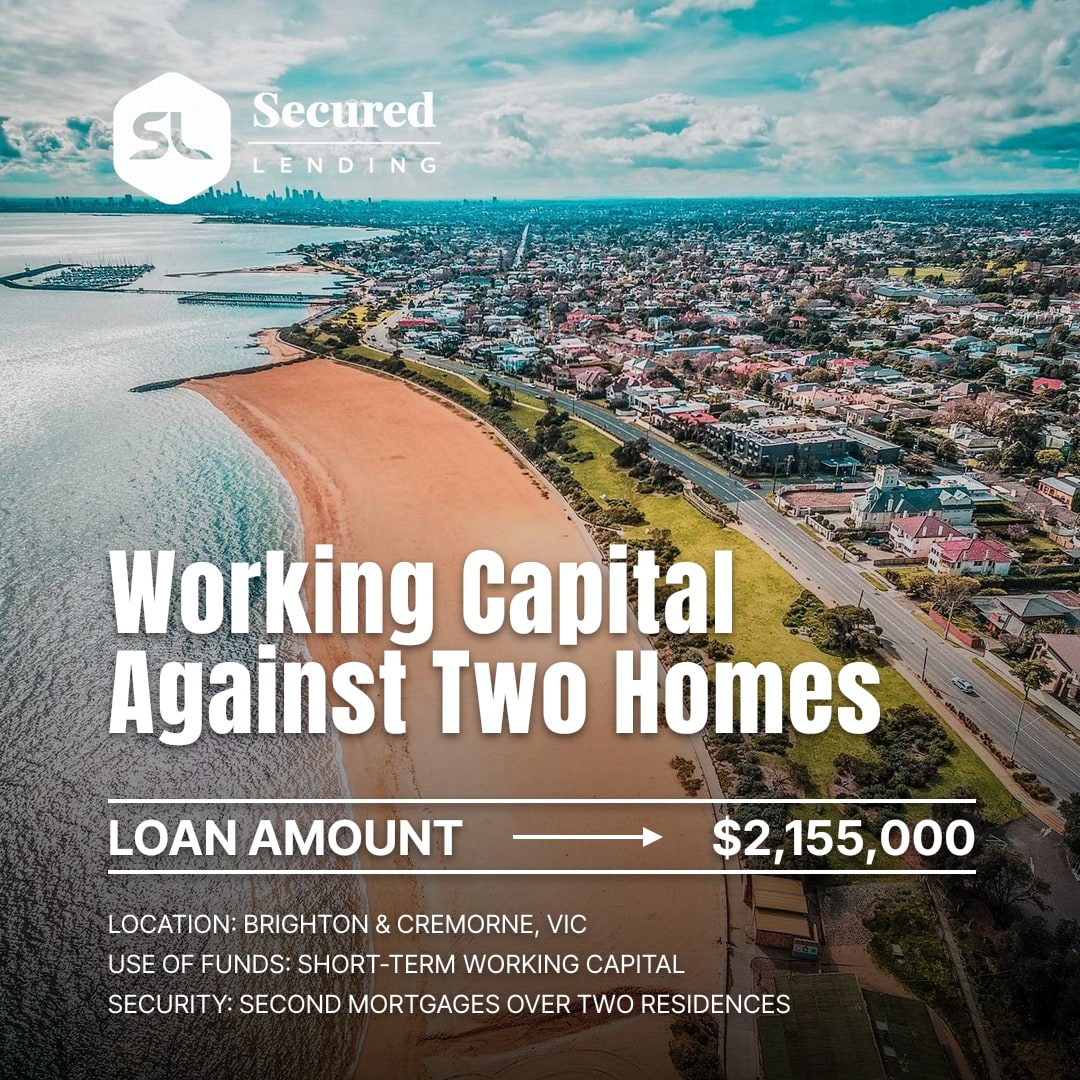
$2.155M Second Mortgage Working Capital Facility Across Brighton and Cremorne

$280K Second Mortgage for Short-Term Cash Flow in Kooyong

$545K Bridging Loan Across Three Suburbs in Melbourne's North-West
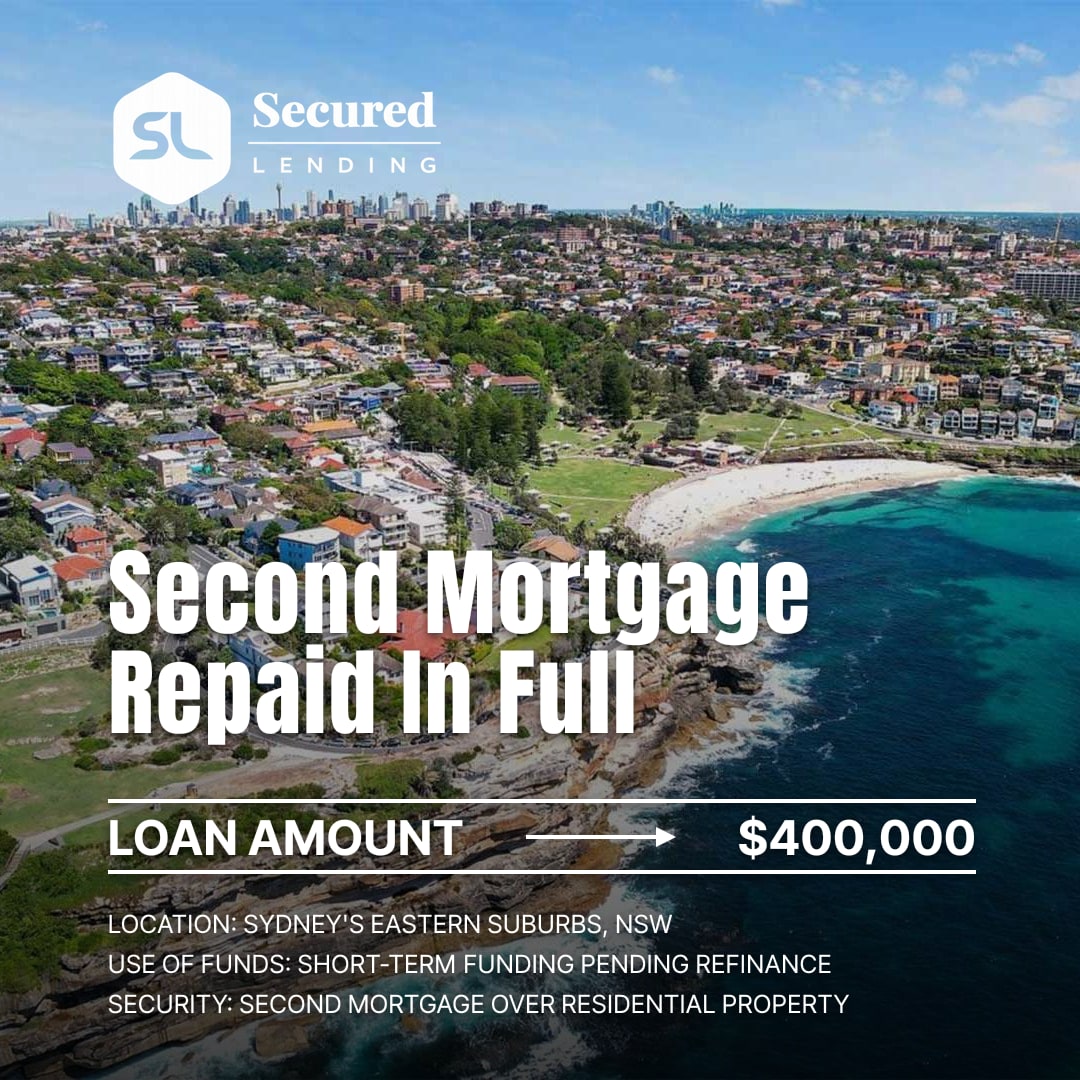
$400K Second Mortgage Repaid in Full After a Flexible Two-Month Extension
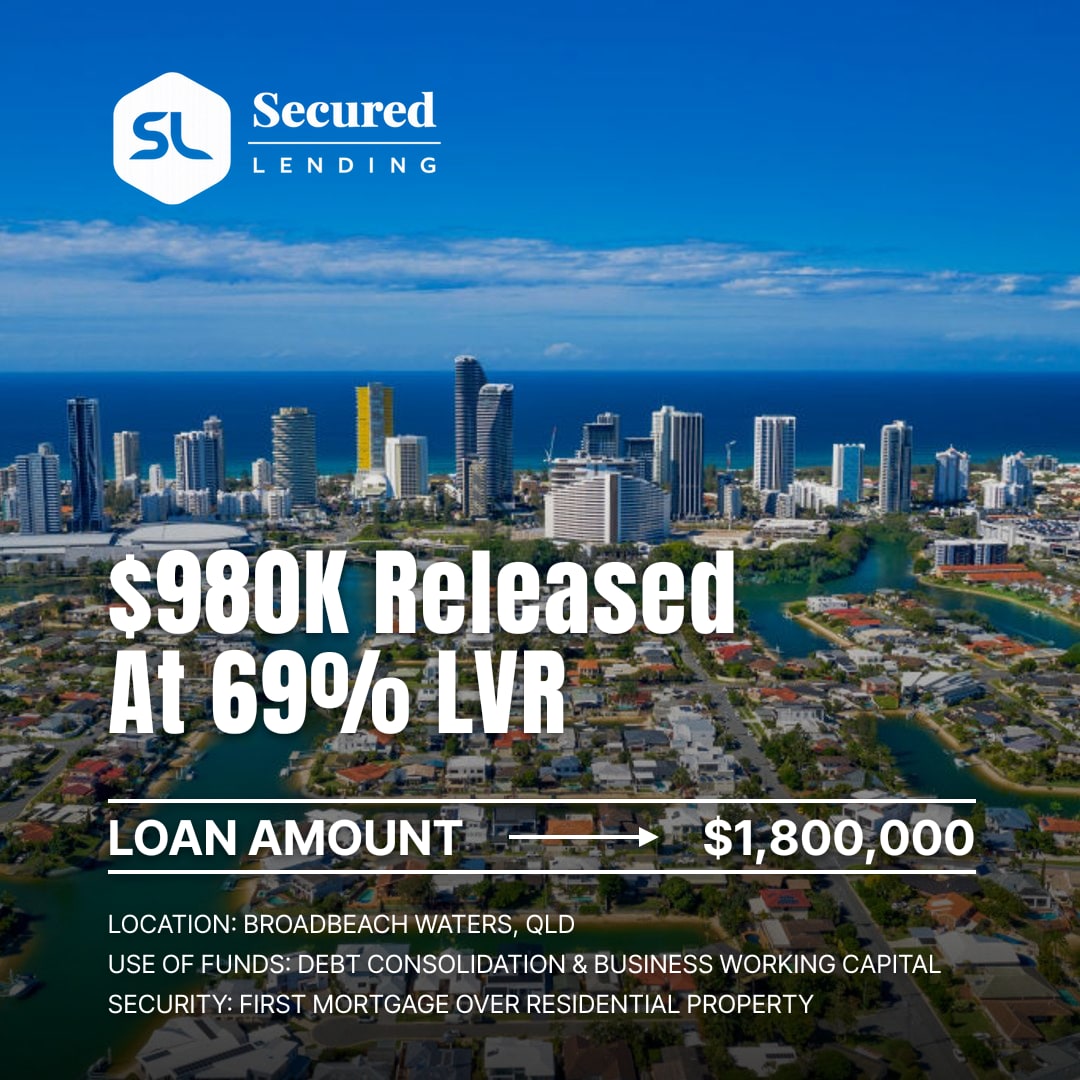
$1.8M First Mortgage Releases $980K of Working Capital for a Solar Business
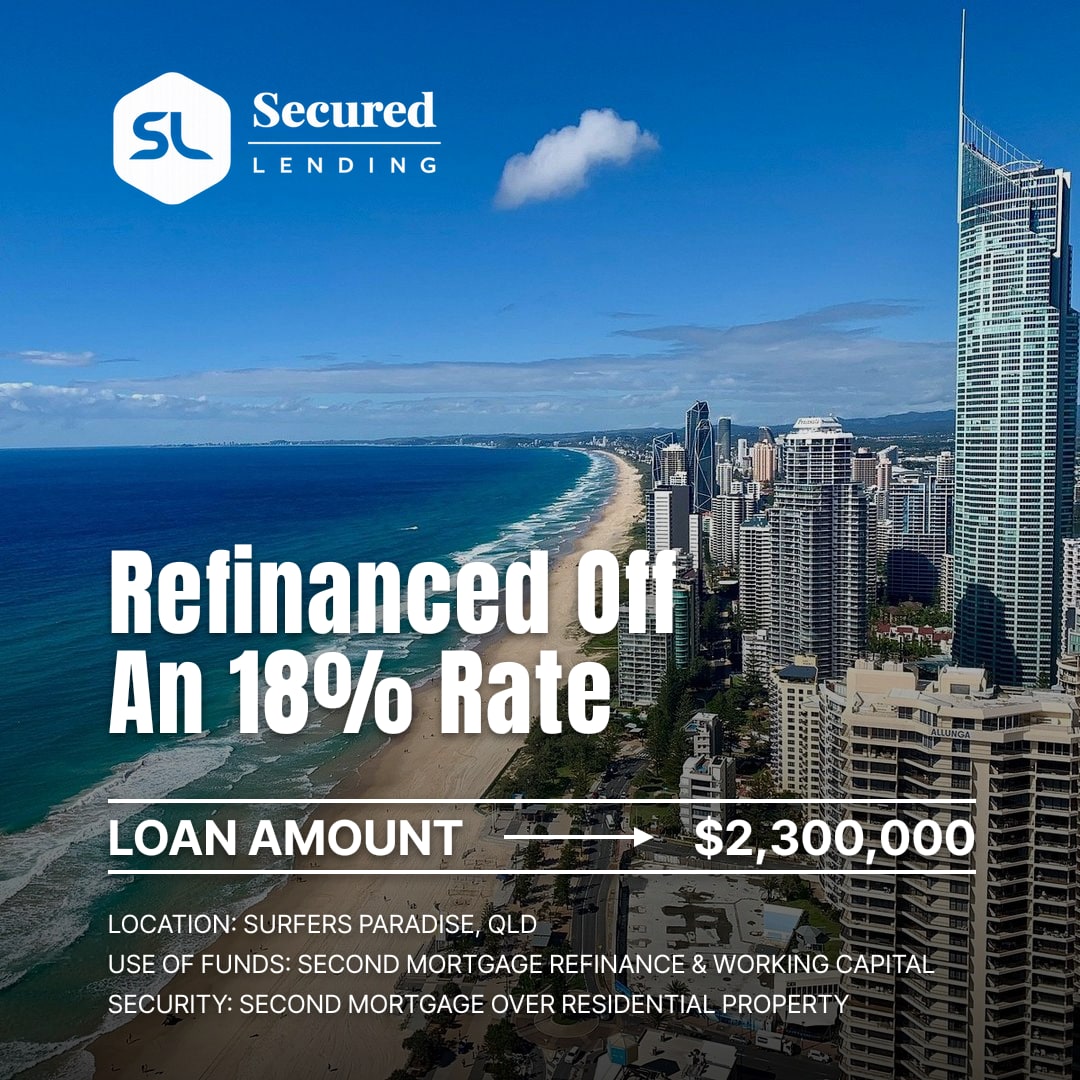
$2.3M Second Mortgage Refinances an 18% Facility for a Glass Manufacturer
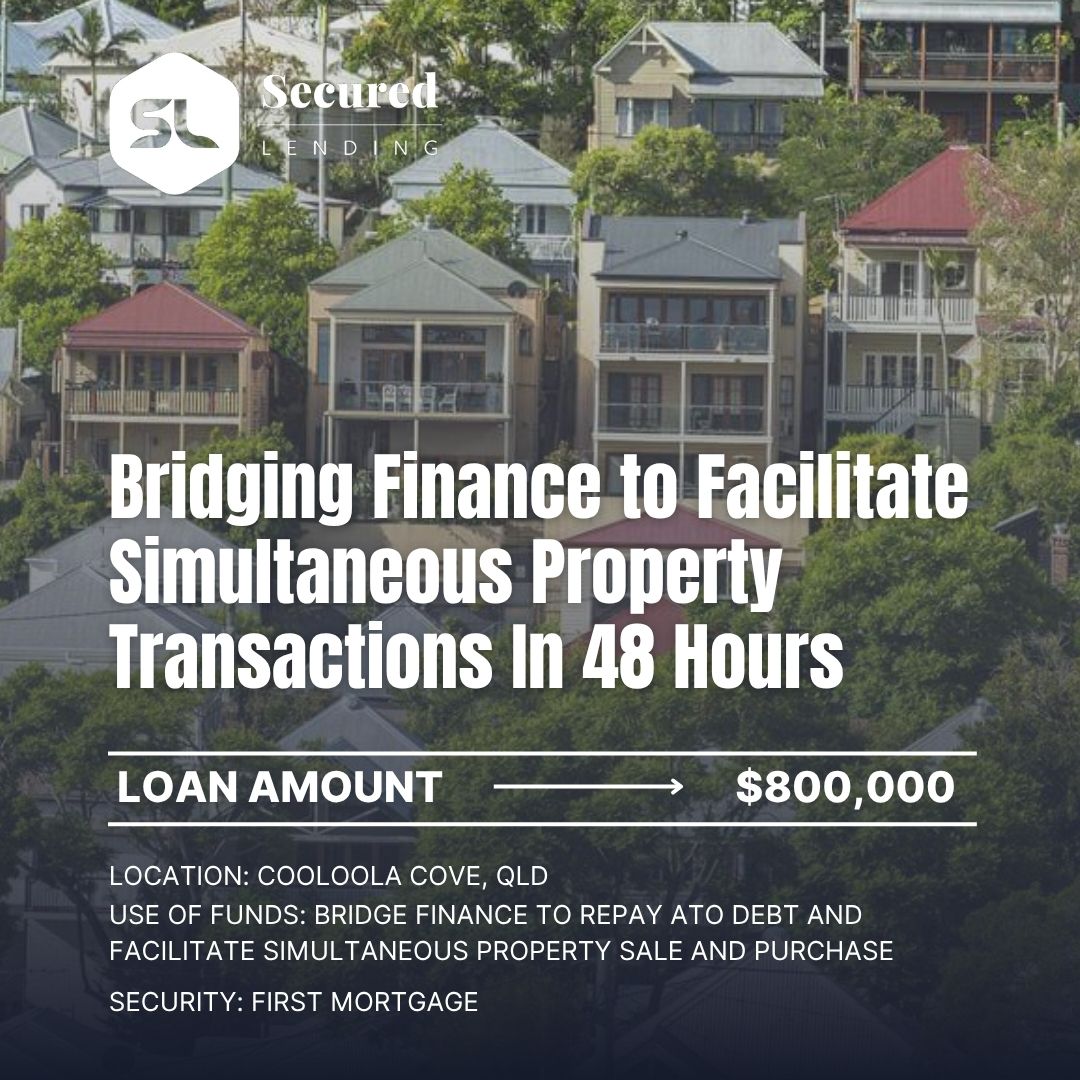
$800K Bridging Finance for Simultaneous Property Transactions in 48 Hours

$300K Second Mortgage for Dental Practice Working Capital in 5 Days
Recently Asked Questions
Get an indicative offer within hours, not weeks.
No credit check. No obligation.
Why Secured Lending?
Are you a broker? Find out why brokers love working with us.
Bridging Scenarios We Fund
Every one of these is a bridging scenario we have funded and written up in full. Start with the deadline you are working to.