Bad Credit Business Loans Secured by Property
Defaults on file do not decide it. The property and the exit do



Experts in strategic, short-term finance

If a bank has declined you on credit history, the loan is not gone. It has moved to a different kind of lender. Secured Lending is a private, non-bank lender, and we fund Australian business owners carrying defaults, judgments, arrears and ATO debt every week. The test is not your score. It is whether there is enough equity in the property you can offer, and whether we can see the money that repays us.
What Counts as Bad Credit Here
Bad credit covers a lot of ground, and most of it is survivable. These are the things we see on files we approve:
- •Paid and unpaid defaults listed by banks, lenders, suppliers or utilities
- •Court judgments and writs registered against the business or its directors
- •Mortgage arrears, including a default notice already issued by your current lender
- •ATO debt, including a position that has been reported to the credit bureaus
- •A discharged bankruptcy, a former debt agreement, or a Part IX arrangement that has run its course
- •A run of recent credit enquiries from applications that were declined elsewhere
- •A thin file, or no file at all, which is common for newer entities and trust structures
- •A low score with nothing specific behind it, usually the output of a serviceability model rather than a credit event
What We Assess Instead
- •The security property, and whether the equity sits inside 70% LVR. This is the single biggest factor
- •Your exit: the sale, settlement, refinance or transaction that repays the facility
- •What the money is for, and whether the loan leaves the business in a better position than it found it
- •The title, including existing mortgages, caveats and anything registered against the property that has to clear at settlement
- •Our own valuers assess the security directly, so a non-standard or part-complete property still gets a real number
- •We lend our own funds and hold our own credit authority, so no external committee applies a scorecard to your file
What We Cannot Do
It is worth being direct about the limits, because knowing them early saves everybody time.
- •We cannot lend to an undischarged bankrupt, or into a borrowing entity that is in liquidation or administration
- •We cannot lend without real property security. Where there is no residential, commercial or industrial property to mortgage, we are not the right lender
- •We cannot lend for personal or consumer purposes. Every facility is business or investment purpose only
- •We cannot go past 70% LVR. That ceiling holds on first and second mortgages and on every property type, and no credit story changes it
- •We cannot fund a file with no exit. Without a sale, a settlement or a refinance that clears the debt, a short-term facility makes the position worse rather than better
- •We cannot remove a default from your credit file, and neither can anybody who tells you they can
How the Loan Is Structured
These are short-term facilities, not a replacement for a bank loan. Most borrowers are with us for three to six months while they fix the underlying problem or complete the transaction that repays us.
- •Secured by a first or second registered mortgage over residential, commercial or industrial property
- •Loan sizes from $250,000 to $10,000,000
- •Terms from 1 to 24 months, interest only, with interest capitalised where cash flow needs it
- •Rates from 9.7% p.a. on a first mortgage, and from 11.95% p.a. on a second
- •Maximum 70% LVR. On a second mortgage that is the combined position across the first and the second
- •Approval in hours, and settlement within 24 hours where the title is clean
What You Need to Provide
This is a low doc process. We are assessing an asset, so we do not need the paperwork a bank would want before it even opened your file.
- •Details of the security property, including the address and the title reference
- •The borrowing entity, its directors, and the trust deed where a trust is involved
- •Identification for each director or guarantor
- •A recent rates notice, and payout figures for any existing mortgage
- •An accountant declaration or six months of business bank statements, which covers most files
- •Documented evidence of your exit: a signed sale agreement, a term sheet from an incoming lender, or a settlement date
- •No full financial statements and no tax returns on an asset-backed file
What a Bank Tests, and What We Test
| A bank | Secured Lending | |
|---|---|---|
| Credit score | A pass or fail gate | Context, never a gate on its own |
| Serviceability | Modelled from regular monthly income | Not tested. The exit repays the loan |
| Financials | Two years of statements and tax returns | Not required on an asset-backed file |
| Security | Standard property in a standard postcode | Residential, commercial, industrial, rural, part-complete |
| Valuation | An external valuer, booked and queued | Our own valuers, assessing alongside the application |
| Exit | A 25 year repayment schedule | A specific event inside 1 to 24 months |
| ATO debt on file | Usually an automatic decline | Often the reason for the loan |
| Time to a decision | Four to eight weeks via a credit committee | Hours, in-house, using our own funds |
Scenarios We Fund
Bad credit is rarely the actual problem. It is usually a symptom of one of these, and each links to a longer read.
- •Recent defaults listed against the business
- •Real equity in a property, but a poor credit record
- •A bank decline on serviceability rather than on security
- •Funding after a discharged bankruptcy
- •Mortgage arrears that need clearing before enforcement
- •A default notice already issued by your current lender
- •Self-employed income that no bank model will read
- •A policy decline that had nothing to do with your numbers
- •What an unpaid tax debt does to your credit score
"A credit file tells us what somebody has been through. It does not tell us whether the loan will be repaid, and those are two different questions. We look at the property, the equity inside 70% LVR, and what clears the debt at the end of the term. Where those three line up, a default from eighteen months ago is not the thing that decides it, and we are always glad to talk a scenario through."

Gino Tabila
Associate Director
Frequently Asked Questions

Get an indicative offer within hours, not weeks.
No credit check. No obligation.
Why Secured Lending?
Are you a broker? Find out why brokers love working with us.
Case Studies
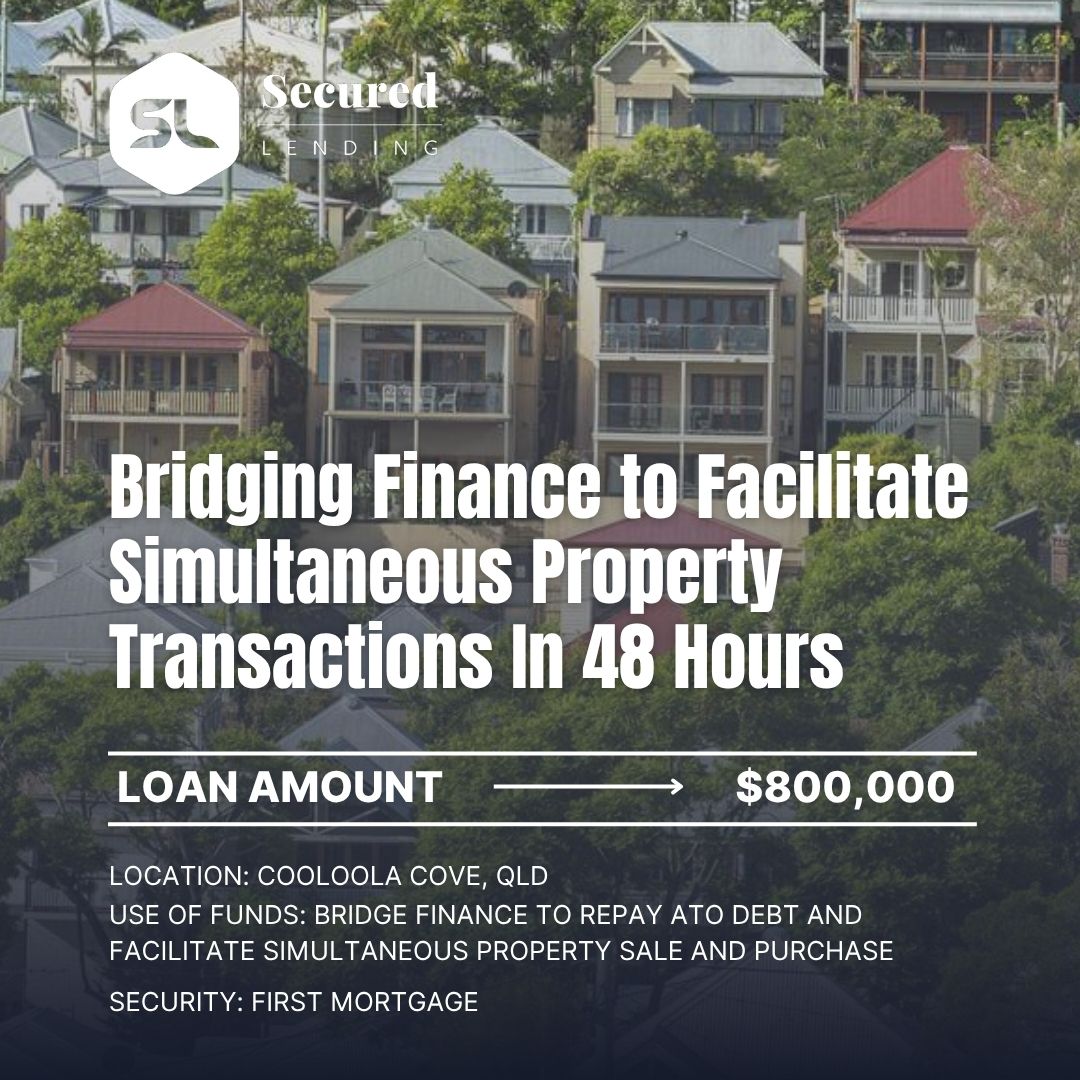
$800K Bridging Finance for Simultaneous Property Transactions in 48 Hours

$300K Second Mortgage for Dental Practice Working Capital in 5 Days
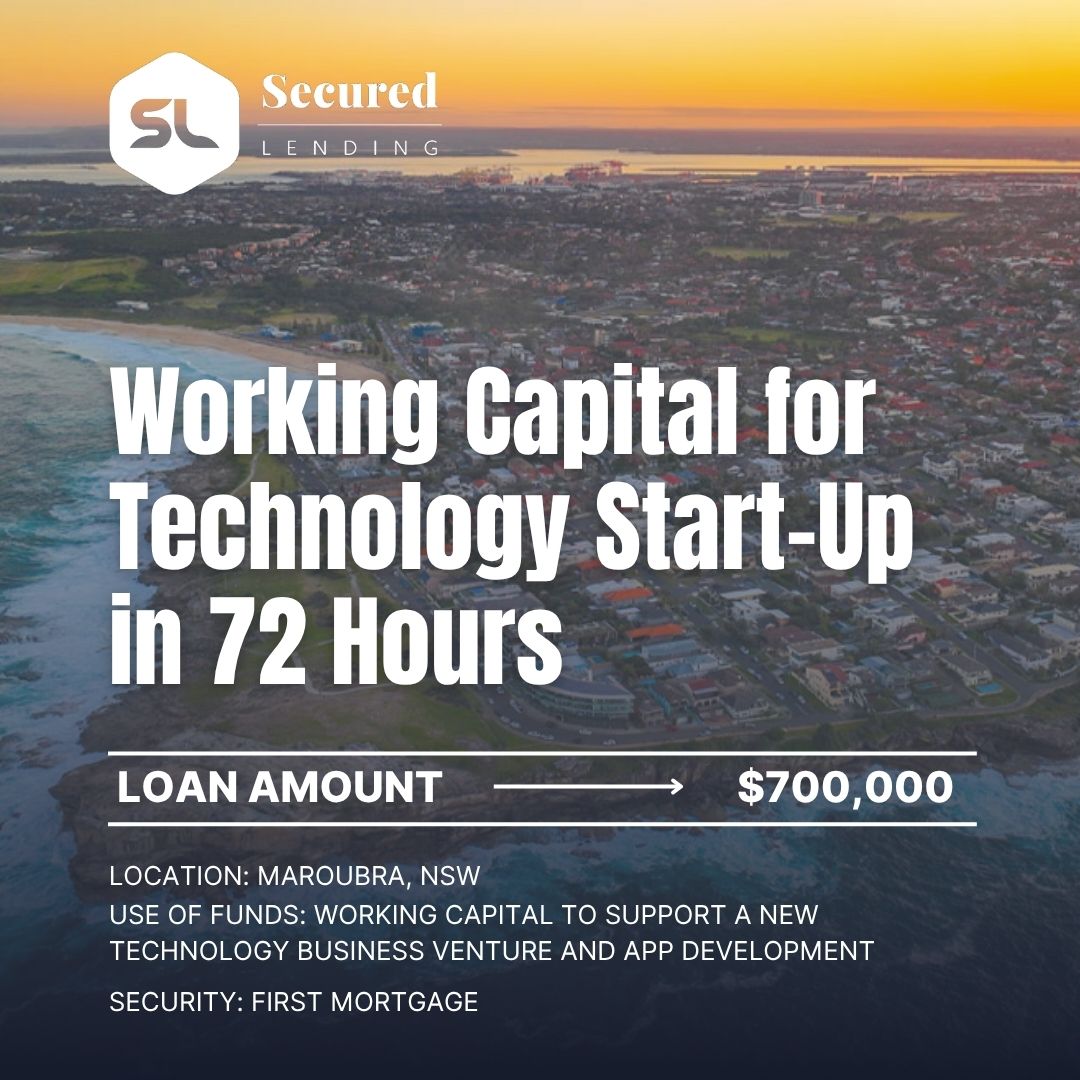
$700K Working Capital for a Technology Start-Up Settled in 72 Hours
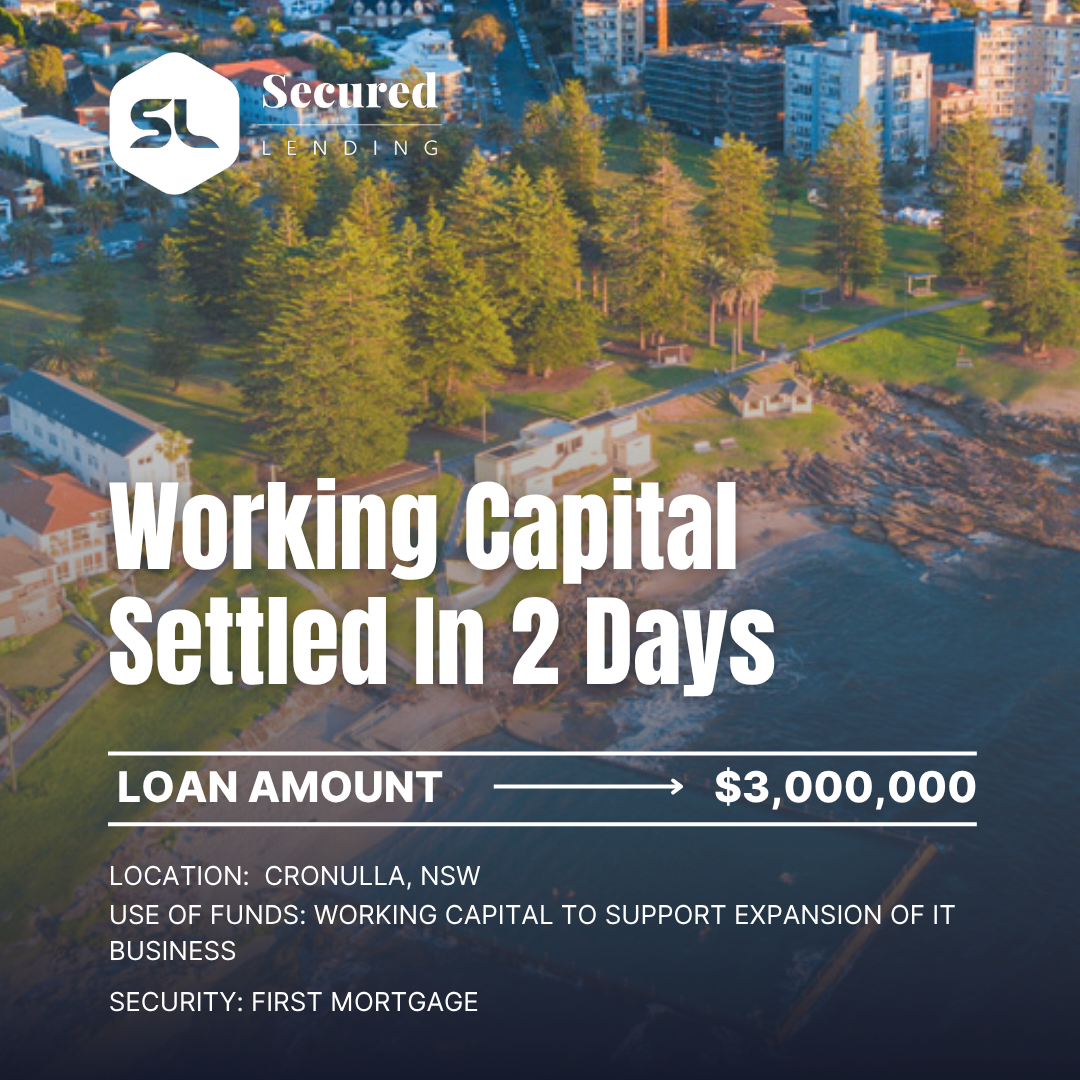
$3M Working Capital for IT Business Expansion Settled in 2 Business Days
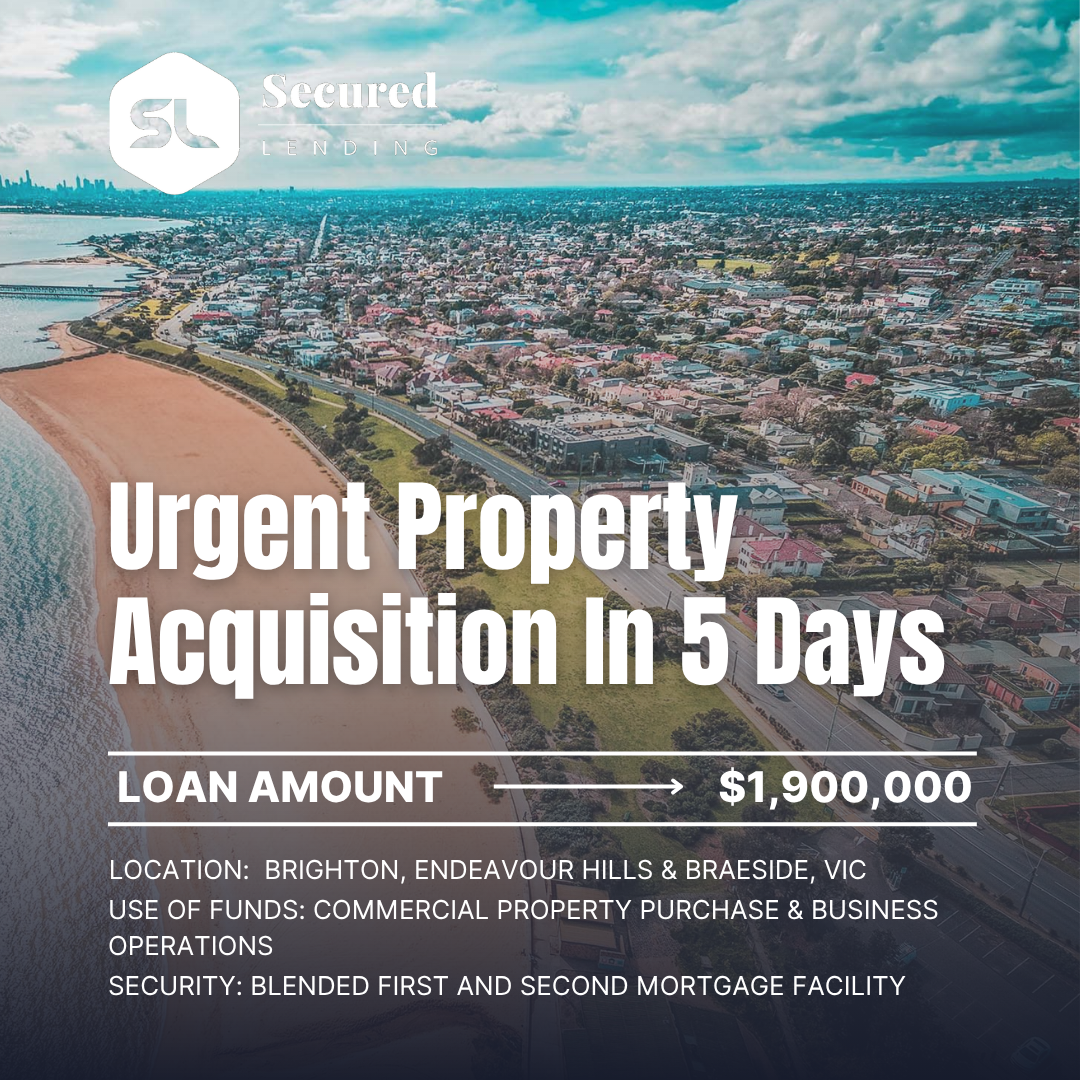
$1.9M Commercial Property Acquisition for Growing Doggy Daycare Business
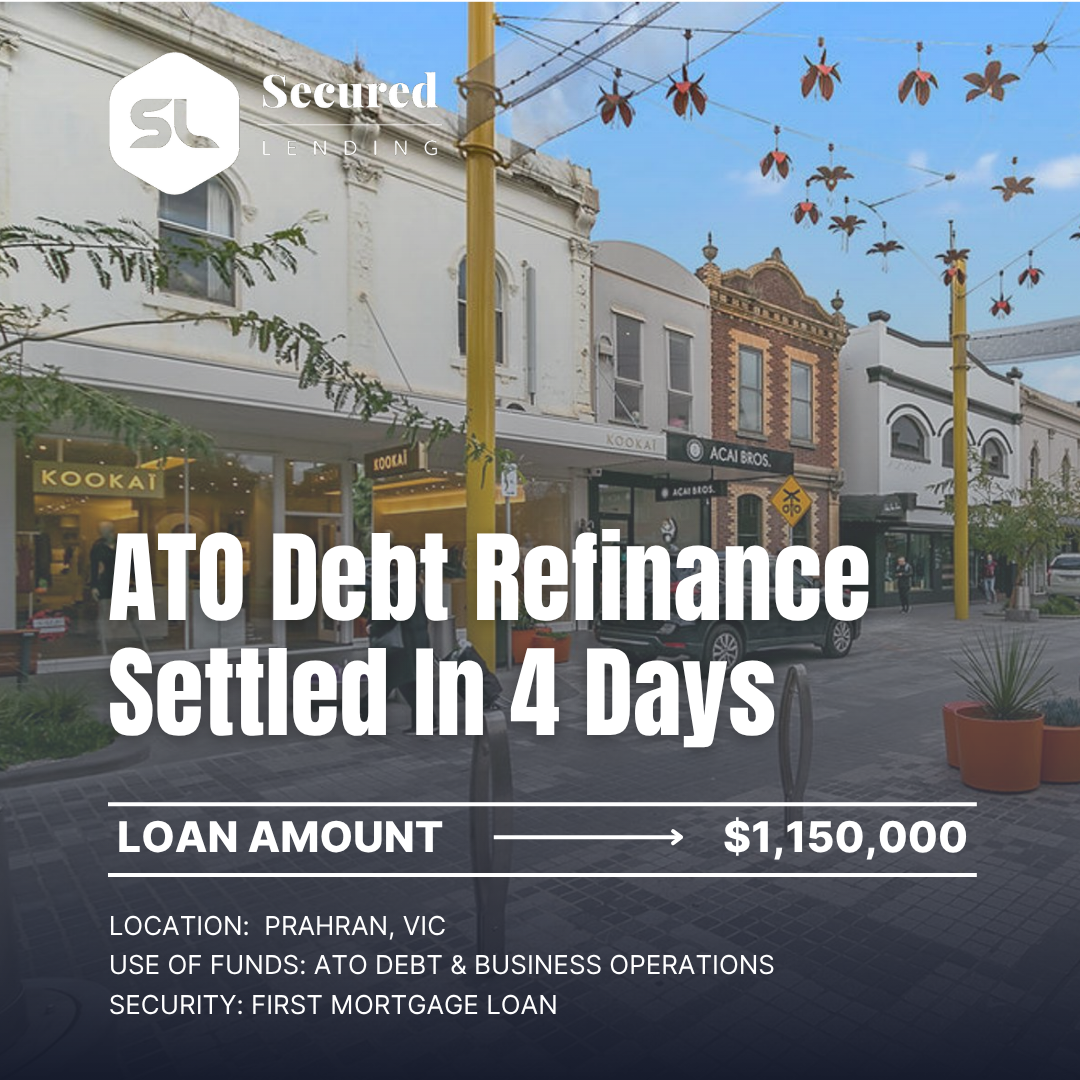
$1.15M ATO Debt Cleared in 4 Business Days for Prahran Pub Operator
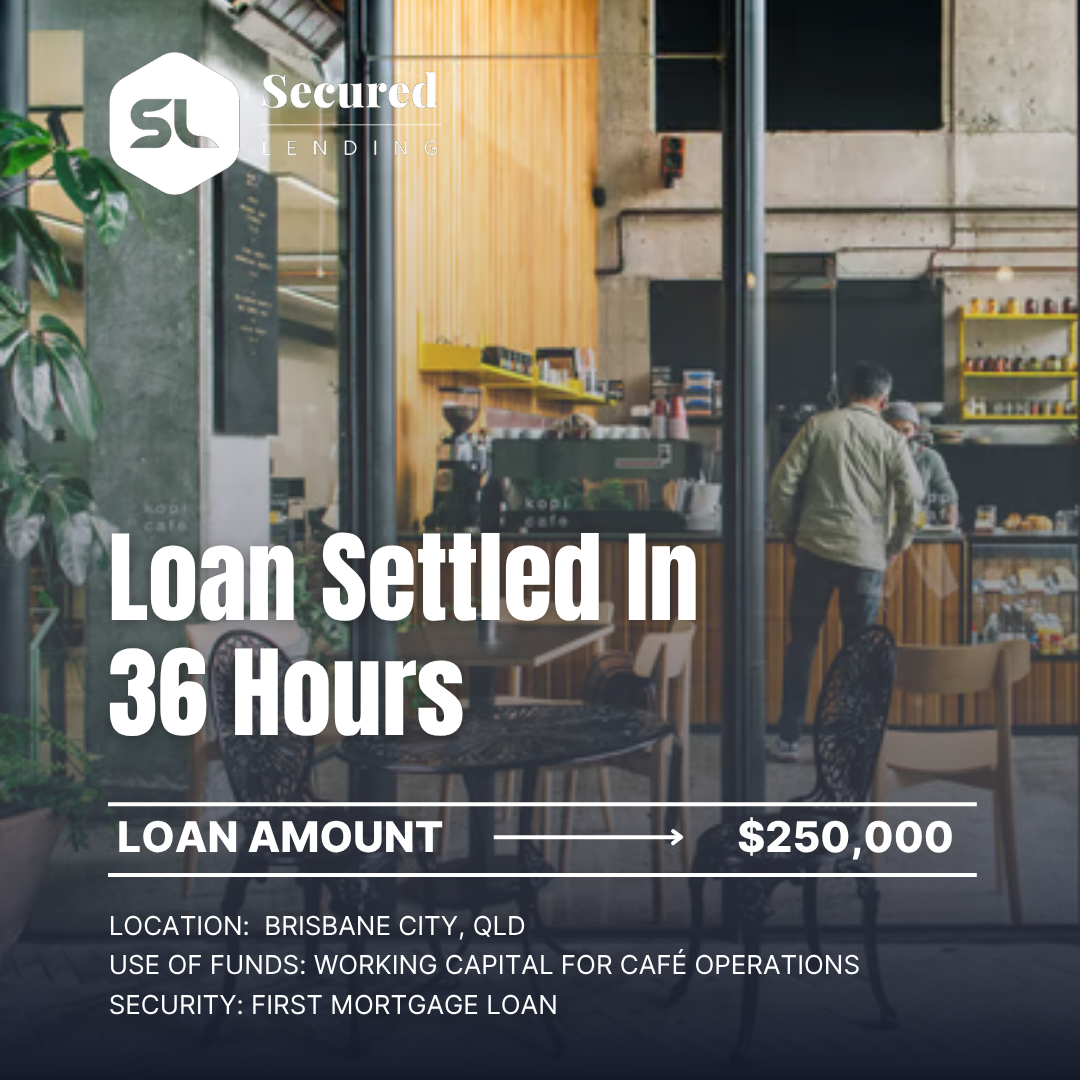
$250K Working Capital for Brisbane Café in 36 Hours

Case Study: Bridging the Payment Gap – How a Short-Term BLOC Saved a Commercial Builder's Project
Get an indicative offer within hours, not weeks.
No credit check. No obligation.
Why Secured Lending?
Are you a broker? Find out why brokers love working with us.
Scenarios We Can Help With
Browse our full range of services, industries, locations, and resources to find the right financial solution for your needs.