

Key takeaways
- •After 30 November 2026, an Australian Taxation Office payment plan instalment charged to a credit card will be unsuccessful, and the ATO says the plan may move into arrears or default.
- •Switching to a bank account or debit card keeps the plan running, but each instalment is then paid from the business's bank account on the day it falls due, alongside every new business activity statement amount.
- •The ATO needs 1 or 3 business days' notice of a change, and a new plan for $200,000 or more is negotiated by phone.
- •If a plan defaults, the whole overdue balance becomes payable at once.
- •A private loan backed by property can give the business the funds to pay the plan out in full before its first instalment due after 30 November.
- •The general interest charge is 11.51% a year for October to December 2026 and is not deductible. Our tax debt loans start from 9.7% p.a.
If your ATO payment plan is paid by credit card, the first instalment that falls due after 30 November 2026 will fail unless the payment method has been changed. Moving the plan to a bank account keeps it running, but every remaining instalment is then paid from the business's working capital on the day it is due.
We would be glad to help you avoid that. If the business or a director owns property, a short-term private loan backed by that property is a good fit for this problem. We lend our own funds and can settle within 24 hours, so the loan can be in place before that first instalment. We lend against the property, and a tax debt on its own is not a reason we decline. The loan funds are paid to the business, which pays the ATO plan out in full, so there is no plan left to fall into arrears or default. The business then repays us through a defined exit, such as a refinance with its bank or the sale of a property.
What changes for a payment plan on a credit card
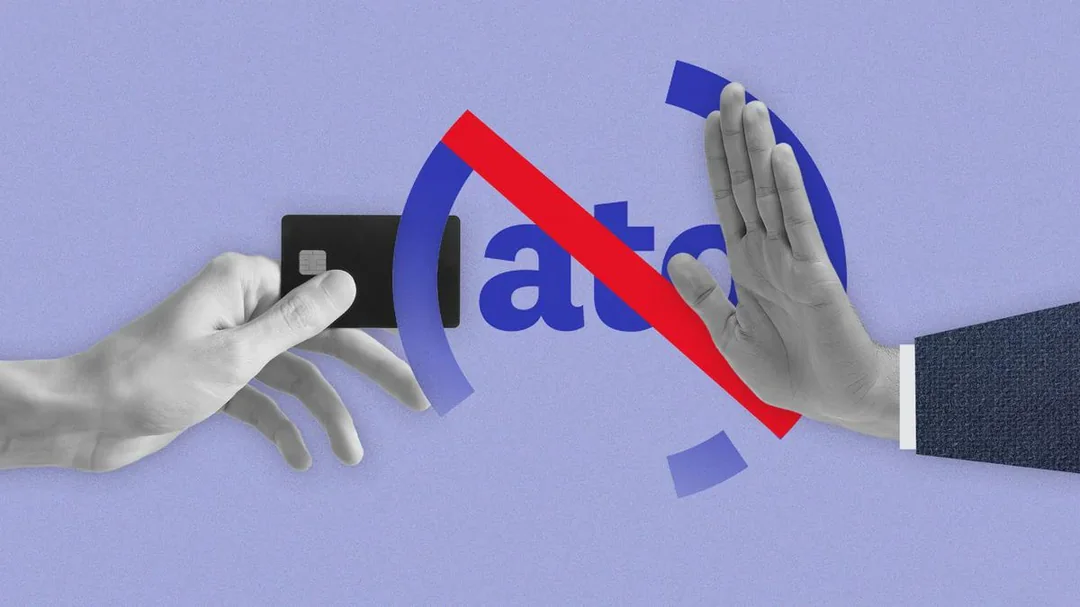
The ATO will stop accepting credit cards after 30 November 2026, following the Reserve Bank's review of card payment costs and surcharging. The ATO is writing to everyone whose payment plan is paid by credit card. As the Commissioner's statement explains, it will keep accepting cards until 30 November 2026 so that taxpayers have two months to change how they pay.
The ATO's page on managing your payment plan asks you to change to another payment method before your next instalment due after 30 November 2026, a Monday. It also states what happens if the card is still attached: "Credit card payments after 30 November 2026 will be unsuccessful and the status of your payment plan may move into arrears or default."
The Australian Financial Review reported on 7 October that ATO officials told business and accounting groups at a closed-door meeting that the ban would stand, and that taxpayers who had not arranged another payment method after 30 November would be treated as being in arrears or default. That account came from people familiar with the discussions who spoke on condition of anonymity, not from an ATO public statement. The ATO's own page already gives the same warning. The Australian Industry Group has written to the Treasurer, Jim Chalmers, asking him to direct the ATO to pause the ban. When this article was published, the ATO had not changed the 30 November date, so it is safest to plan as though the ban will go ahead.
Our article on the ATO's decision to stop accepting credit cards covers paying a BAS without a card. This article is about the plan.
The five key issues facing businesses and taxpayers
1. The risk of arrears or default after 30 November
Card instalments on an ATO payment plan will be unsuccessful after 30 November 2026, and the ATO says the plan may move into arrears or default if another payment method is not in place. If a plan defaults, the whole overdue balance becomes payable at once, and the ATO may take firmer action.
2. Pressure on working capital and cash flow
Without the card, each instalment is paid from the business's bank account on the day it falls due, alongside every new business activity statement amount. That is money the business would otherwise use for wages, suppliers and stock.
3. The general interest charge keeps adding up
An unpaid ATO balance accrues the general interest charge, compounding daily, at 11.51% a year for October to December 2026. General interest charge and shortfall interest charge incurred on or after 1 July 2025 can no longer be claimed as a tax deduction, so the business carries the full cost.
4. Exposure for directors and the business's credit file
Small businesses owed the ATO $35.9 billion in collectable tax debt in 2024-25, according to the Australian National Audit Office. An unpaid debt can lead to a director penalty notice, a garnishee notice to the business's bank or card providers, and, once at least $100,000 has been overdue for more than 90 days without a plan the business is keeping to, a report to credit reporting bureaus.
5. Harder to get bank finance
The ATO has warned businesses that a disclosed tax debt can affect their ability to get finance. For a business that plans to refinance with its bank, that is a reason to clear the ATO debt first.
What switching the payment method costs the business
On a credit card, each instalment was paid to the ATO on its due date, and the business paid the card statement later. After the switch, each instalment is debited from the business's bank account on the day it falls due. Under the ATO's payment plan terms, every future tax debt must also be paid in full and on time, so the business now pays its plan instalments and its new BAS amounts from the same account.
In the same letter to the Treasurer, the Australian Industry Group's chief executive, Innes Willox, set out this cash flow problem. "Removing that option may force firms to draw down working capital needed for wages, suppliers and inventory, seek more expensive or less accessible finance, or approach the ATO for a payment arrangement," he said, as reported by the Australian Financial Review.
The switch also has a deadline of its own. A change must be made at least 1 business day before an instalment if the new method is a debit card, and at least 3 business days before if it is a bank account debit. Income tax and activity statement debts need separate plans, so a business with both may have two plans to change.
The ATO's page describes the switch in two ways. Its credit card section says online services can change a card payment to a bank account debit or a debit card. Its section on changing between a card and a bank account says that means cancelling the plan and setting up a new one. Your tax agent or the ATO can confirm which applies to your plan. If a new plan is needed and the business owes $200,000 or more, the ATO's guide to setting up a payment plan requires a phone call, where the ATO asks about bank balances, lines of credit, income, expenses and assets.
If a card instalment fails
A missed instalment can move a plan into arrears, and the ATO may send an arrears letter setting out the minimum amount to pay now. If your correspondence goes to your tax agent, the letter goes to them. Missing an agreed instalment can also default the plan, and once a plan defaults, the whole overdue balance becomes immediately payable and the ATO may take firmer action.
The plan also protected the business. Under the ATO's rules on disclosing business tax debts, a business with at least $100,000 overdue by more than 90 days is not reported to credit reporting bureaus while it has a payment plan and is complying with its terms. Defaulting on payment plans is also one of several factors the ATO considers before it issues a garnishee notice, which can go to the merchant card providers that process the business's customer payments. Our article on an ATO payment plan that has defaulted covers the steps after a default.
How a private loan provides relief
Fast payout of the ATO debt
We can settle within 24 hours, so the loan funds can reach the business before its first instalment due after 30 November, and before a garnishee notice, director penalty notice or statutory demand deadline. The business then pays the ATO in full.
Cash flow kept in the business
Paying the plan out in one payment means no more instalments are debited from the business's bank account. The business repays our loan through a defined exit, such as a refinance with its bank or the sale of a property.
Interest rates you can compare
Our tax debt loans start from 9.7% p.a. The general interest charge is 11.51% a year this quarter, compounds daily, and is not tax deductible when incurred on or after 1 July 2025. Whether the interest on a business loan is deductible for your business is a question for your accountant.
A bridge back to the bank
Our loans run from 1 to 24 months and are secured by a first or second mortgage over residential, commercial or industrial property owned by the business or a director. That gives the business time to clear the ATO debt now and refinance with its bank once the tax debt is resolved.
Paying the plan out with a private loan
Paying the balance in full is one of the options the ATO lists for a plan, and a plan with no balance left has no instalments left to fail. With a private loan, the business is the borrower and the loan funds are paid to the business, which then pays the ATO the plan balance in one payment. The ATO's page says a plan paid off early must then be cancelled, because cancelling is what stops the remaining direct debits. One loan can cover the income tax plan, the activity statement plan and any super guarantee charge debt together.
| Loan size | $250,000 to $10,000,000 |
| Term | 1 to 24 months, typically 3 to 6 months |
| Security | A first or second mortgage over residential, commercial or industrial property owned by the business or a director, including property already held in a company or a trust |
| Maximum loan-to-value ratio | 70%. For a second mortgage, the first and second mortgages combined. A second property can be added as additional security within the same 70% |
| Repayment | The business repays the loan to us through a defined exit strategy, for example a refinance with its bank or the sale of a property |
Our tax debt loans page sets out how the loan works in more detail.
The date to work back from is the plan's first instalment due after 30 November, which you can see in Online services for business under Accounts and payments. The loan needs to have settled, and the plan balance paid, before that instalment is debited. We decide in hours, issue a letter of offer as soon as terms are agreed, and can settle within 24 hours. Our in-house team values the property, so there is no wait for an external valuer.
Case study: $1.3 million to clear tax arrears before a refinance
A property investor and business owner with a portfolio of industrial sites in Bankstown, New South Wales, was close to finalising a multi-property refinance. The refinance was needed to free up working capital and restructure high-cost debt across the group, but once the lenders saw a substantial unpaid tax debt with the Australian Taxation Office, the deal stopped.
We provided a $1.3 million second mortgage secured against two of the client's industrial properties in Bankstown. The loan funds were made available to clear the outstanding ATO liabilities in full, which allowed the client to go back to their mainstream lender with the tax issue resolved.
We set the loan to fit the client's projected refinance timeline, and it was structured to be repaid when that refinance concluded.
The interest rates side by side
A plan balance keeps accruing the ATO's general interest charge compounding daily, for as long as the plan runs. For October to December 2026 the ATO's published rate is 11.51% a year. On a $400,000 plan balance that is about $126 a day at this quarter's rate. General interest charge incurred on or after 1 July 2025 cannot be claimed as a tax deduction.
Our tax debt loans start from 9.7% p.a., and a second mortgage behind an existing loan starts from 11.95% p.a. Ask for the full offer in writing, with every cost, before you compare.
The ATO's small business newsroom suggests talking to a registered tax professional, and says their advice may include a business loan, because some interest on loans connected with running a business may be eligible for a tax deduction. Whether that applies to your business is for your accountant. We are a lender, and we do not give tax advice.
Frequently asked questions
Will my ATO payment plan default after 30 November if it is still on a credit card?
The ATO says it may. Its page says card payments after 30 November 2026 will be unsuccessful and the plan may move into arrears or default, and the Financial Review's report of the closed-door meeting points the same way. The safest course is to have the card off the plan, or the plan paid out, before the next instalment.
Can I switch my plan from a credit card to my bank account?
Yes. The change must be made at least 3 business days before an instalment for a bank account debit, or 1 business day for a debit card. The ATO's page says it can mean cancelling the plan and setting up a new one, which is done by phone for $200,000 or more.
Can a private loan pay the whole plan out before the first instalment after 30 November?
Yes, if the loan settles before that instalment falls due. The loan funds are paid to the business, which pays the ATO the plan balance in full and then cancels the plan.
Can one loan cover my income tax plan and my activity statement plan?
Yes. One loan of $250,000 to $10,000,000 can give the business the funds to pay both plans, and any super guarantee charge debt, together. It is backed by a first or second mortgage over residential, commercial or industrial property.
What if a card instalment has already failed?
The plan may be in arrears rather than in default, and a loan can still give the business the funds to pay the full balance. We can also still lend after a garnishee notice, a director penalty notice or a statutory demand has arrived.
How Secured Lending Can Help
We would be glad to help your business clear its ATO payment plan before the credit card change. Our loan gives the business the funds to pay the plan out in full before the first instalment due after 30 November, so there is no card instalment left to fail and no instalments left to fund from working capital. The business then repays us through a defined exit, such as a refinance with its bank.
A private loan suits this problem because it is quick and because the loan is secured against property. We lend our own funds, our in-house team values the property, and we can settle within 24 hours. A live ATO tax debt listing on the business's credit file is not, on its own, a reason we decline.
We provide secured loans backed by real property. If you would like us to look at your situation, it helps to have these to hand:
- •The ATO statement of account, the plan balance and the date of the next instalment, with any ATO letter about the credit card change.
- •The property that could back the loan, its estimated value and any existing loan on it.
- •The exit strategy: how the business will repay the loan, and roughly when.
You are welcome to call us on 1300 795 175 to talk it through, or send the details through and we will come back to you. In most cases, we can tell you within hours whether we can help.